Quick answer
Most wasted space comes from three habits: mounting pouches at the top of a ruck where the lid already covers them, leaving gaps between rows instead of bridging them, and placing the pouch you reach for most on your back panel. Fix those three first. If a pouch still fights the layout after two repositioning attempts, the pouch shape is wrong for that spot, not the spot itself.
Why gaps between pouches cost more than they look
A one-inch gap between two pouches looks harmless, but on a ruck with several rows of MOLLE webbing it adds up to a strip of unusable surface that nothing can mount to. The fix is to treat the panel as one continuous grid rather than a series of individual mounting spots. Slide pouches until their edges nearly touch, then weave the MALICE Clips or straps so the pouches share the load across the same webbing rows instead of each pulling on its own isolated section.
Bridging rows also matters vertically. A pouch that only attaches to one row of webbing can shift under weight, and the slack it creates is space you paid for and cannot use. Attaching across two rows where the pouch allows it keeps the panel tight and stops the sag that opens new gaps below.
The access trap: pouches you cannot reach when the ruck is on
The most common tactical gear layout error is placing frequently used items on the back panel or under the lid. If you have to take the ruck off to get to a pouch, that pouch is storage, not access. Move anything you expect to reach while wearing the pack to the belt line, side panels, or front-facing surfaces. Items that are genuinely occasional, like spare batteries or a repair kit, belong in the harder-to-reach zones.
Test this before you commit. Load the ruck to its normal weight, put it on, and reach for each pouch in the order you would actually need it. Any pouch that requires a shoulder strap to slip or a lid to be flipped is in the wrong place for its intended use.
Weight placement mistakes that make the layout feel wrong
Even a well-spaced layout can feel bad if the weight sits too far from your body or too low. Heavy pouches mounted on the outermost surface create leverage that pulls the ruck away from your back, and the natural response is to tighten straps, which flattens the panel and creates new gaps. Keep dense items close to the frame or back panel and let lighter, bulkier pouches take the outer positions.
If you have moved a heavy pouch inward and the carry still feels off, stop adjusting the layout. The issue is likely total load or strap fit, not pouch positioning, and further rearranging will only cost you time.
When to stop rearranging and change the pouch instead
There is a point where layout fixes stop helping. If a pouch is the wrong depth for the panel, blocks a zipper, or cannot attach across two rows, no amount of repositioning will solve it. That is the signal to swap the pouch rather than keep rebuilding the same panel. A flatter pouch or one with a different mounting footprint often fixes in one move what three repositioning attempts could not.
Diagnose your layout: symptom, cause, fix, stopping point
- Symptom: visible gaps between pouches on the panel: Likely cause is mounting each pouch to its own isolated webbing section instead of treating the panel as a continuous grid. Slide pouches until edges nearly touch and attach across two rows where possible. If gaps remain after this, the panel is full and you need a different pouch shape, not more rearranging.
- Symptom: you have to remove the ruck to reach a pouch you use often: Likely cause is placing high-frequency items on the back panel or under the lid, where access is blocked while wearing the pack. Move frequent-use pouches to belt line, side panels, or front-facing surfaces. If a pouch cannot move because of its size, it is storage gear and should be treated as such.
- Symptom: the ruck pulls away from your back and straps feel over-tightened: Likely cause is heavy pouches mounted on the outermost surface, creating leverage that flattens the panel when you tighten straps. Move dense items close to the frame or back panel. If the carry still feels wrong after one move, stop adjusting placement and check total load and strap fit instead.
Gear that solves specific placement problems
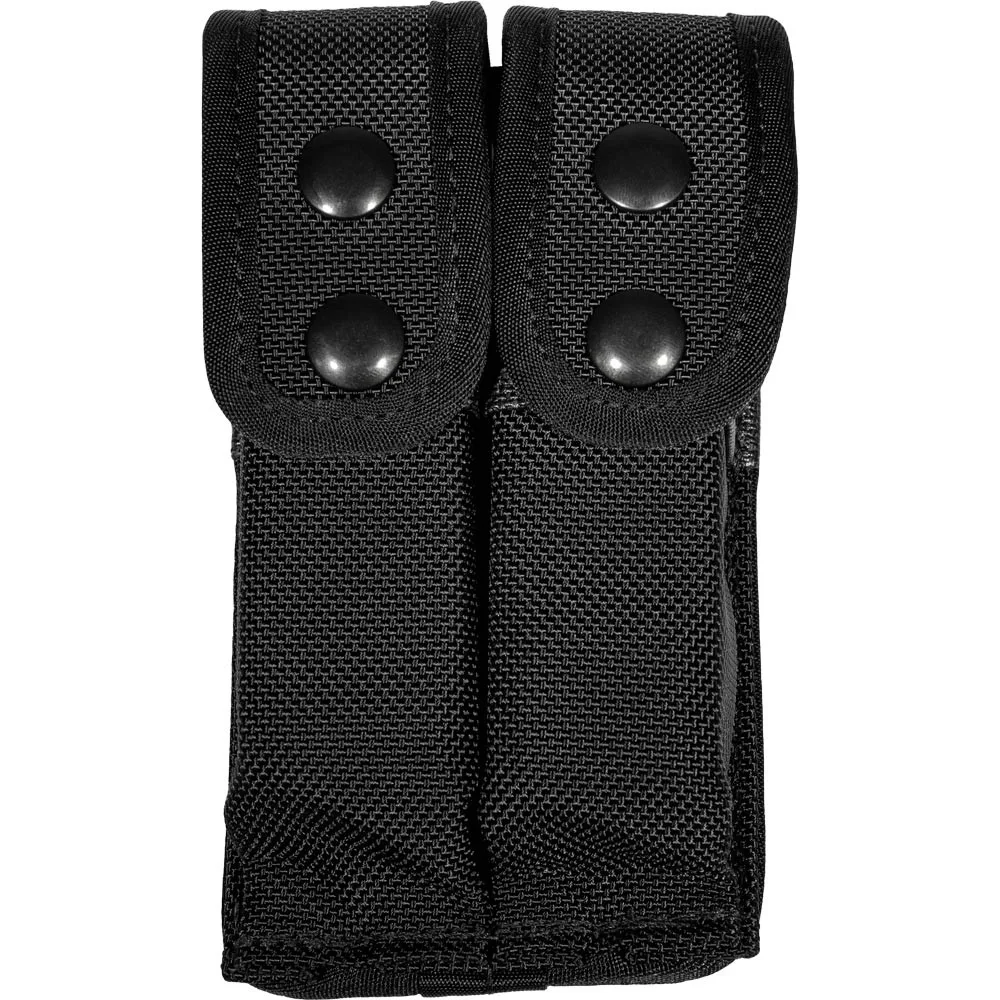
- Rogue Magna Double Pistol Pouch: Rogue Magna Double Pistol Mag Pouch uses rare earth magnets and bungee cords to secure two standard pistol magazines, and includes MALICE Clips. The included MALICE Clips let you mount it across two webbing rows instead of one, which is the fix for the sagging-pouch gap problem. The magnetic and bungee retention also means you do not need a flap, so it stays flat against the panel and wastes less surface area.
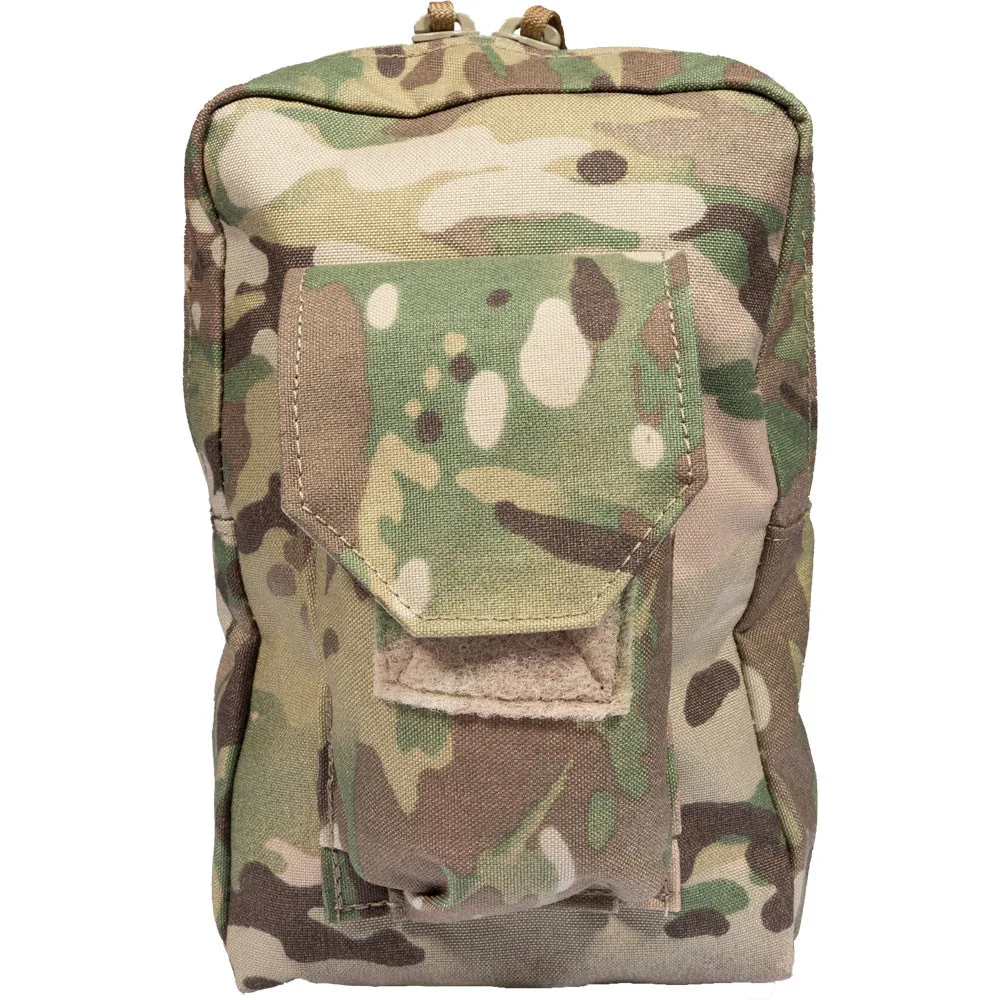
- Fight Light Roll Up Dump Pouch - Tactical Tailor, Inc: Fight Light Roll Up Dump Pouch is part of Tactical Tailor's combat-proven tactical gear line. A roll-up pouch takes almost no panel space when empty, so it is a practical choice for the outer surface where a fixed pouch would create a permanent gap or block access to what is behind it.