Quick answer
Choose monk fruit when you want a non-artificial sweetener and can accept a slightly different aftertaste; choose sucralose when you prioritize a familiar, neutral sweetness and don't mind an artificial sweetener. Read the ingredient list, not the front label, because “low sugar” can be achieved with either.
Why the sweetener source changes more than sweetness
Monk fruit and sucralose both add sweetness without adding sugar, but they behave differently in a powder. Monk fruit is a plant-derived sweetener often blended with other ingredients to round out its flavor, while sucralose is a synthetic sweetener known for a clean, consistent sweetness. That difference can affect aftertaste, how the powder mixes, and how the label reads.
A low-sugar whey protein powder may use either sweetener—or a blend. The front of the tub might say “low sugar” or “no artificial sweeteners,” but the ingredient panel is where you confirm what is actually inside. For example, a product can be low in sugar and still contain sucralose, or it can use monk fruit and still include other additives.
The label-reading trade-off: fewer ingredients vs. predictable taste
Monk fruit products often highlight a shorter, plant-based sweetener list, which appeals to people who want to avoid artificial sweeteners in protein powder. The trade-off is that monk fruit can have a mild fruity or licorice-like note that some people notice, especially in chocolate flavors. Sucralose typically delivers a more neutral sweetness that many people find familiar, but it is an artificial sweetener—so it may not fit if you are specifically avoiding them.
Neither choice is automatically “better.” The right pick depends on whether you prioritize a non-artificial ingredient list or a taste profile you already know you like. If you are sensitive to aftertastes, try a single-serving or small tub before committing to a large one.
Where monk fruit fits in a muscle recovery protein powder
For post-workout recovery, the protein amount and type matter more than the sweetener. A low-sugar whey protein powder with monk fruit can still deliver the protein you need for muscle recovery, as long as the label shows a meaningful protein dose per serving. The sweetener choice becomes a personal preference rather than a performance issue.
That said, if you are strict about artificial sweeteners in protein powder, monk fruit is the clearer choice. If you are strict about taste consistency, sucralose may be easier to stick with. Use the decision rules below to match the label to your priority.
Decision rules for choosing between monk fruit and sucralose
- If avoiding artificial sweeteners is your top priority: Look for monk fruit or other plant-derived sweeteners in the ingredient list, and skip products that list sucralose, acesulfame potassium, or other artificial sweeteners. Check the full panel, not just the front claims. Scan the ingredient list for the words “sucralose” or “monk fruit” before anything else.
- If you want the most neutral, familiar sweetness: Sucralose tends to taste more like sugar to many people, so it may be the safer bet if you dislike the slight aftertaste some monk fruit blends have. Start with a smaller size if you are unsure. Taste preference is personal; a small tub is a low-risk test.
- If you need a low-sugar whey protein powder for recovery: Check that the product delivers at least 20 grams of protein per serving and lists whey as the protein source. The sweetener type does not change the recovery benefit, so choose based on your sweetener preference. Protein dose and source come first; sweetener is a secondary filter.
- If you are comparing a specific product like Jocko Fuel Mölk: Jocko Fuel Mölk uses a monk fruit blend and provides 22 grams of protein per serving in a 25-serving tub. It fits if you want a monk-fruit-sweetened option with a chocolate peanut butter flavor, but it may not suit you if you prefer a neutral sucralose taste. Match the sweetener to your taste, not to the marketing claims.
Product facts
-
Jocko Fuel Mölk Whey Protein Powder 22g Low Sugar Monk Fruit Blend - Muscle Recovery & Growth, Packaging May Vary (25 Servings, Chocolate Peanut Butter): Jocko Fuel Mölk Whey Protein Powder provides 22 grams of protein per serving and is sweetened with a monk fruit blend. This gives you a concrete monk-fruit-sweetened option to compare against sucralose products, with a protein dose that supports recovery.
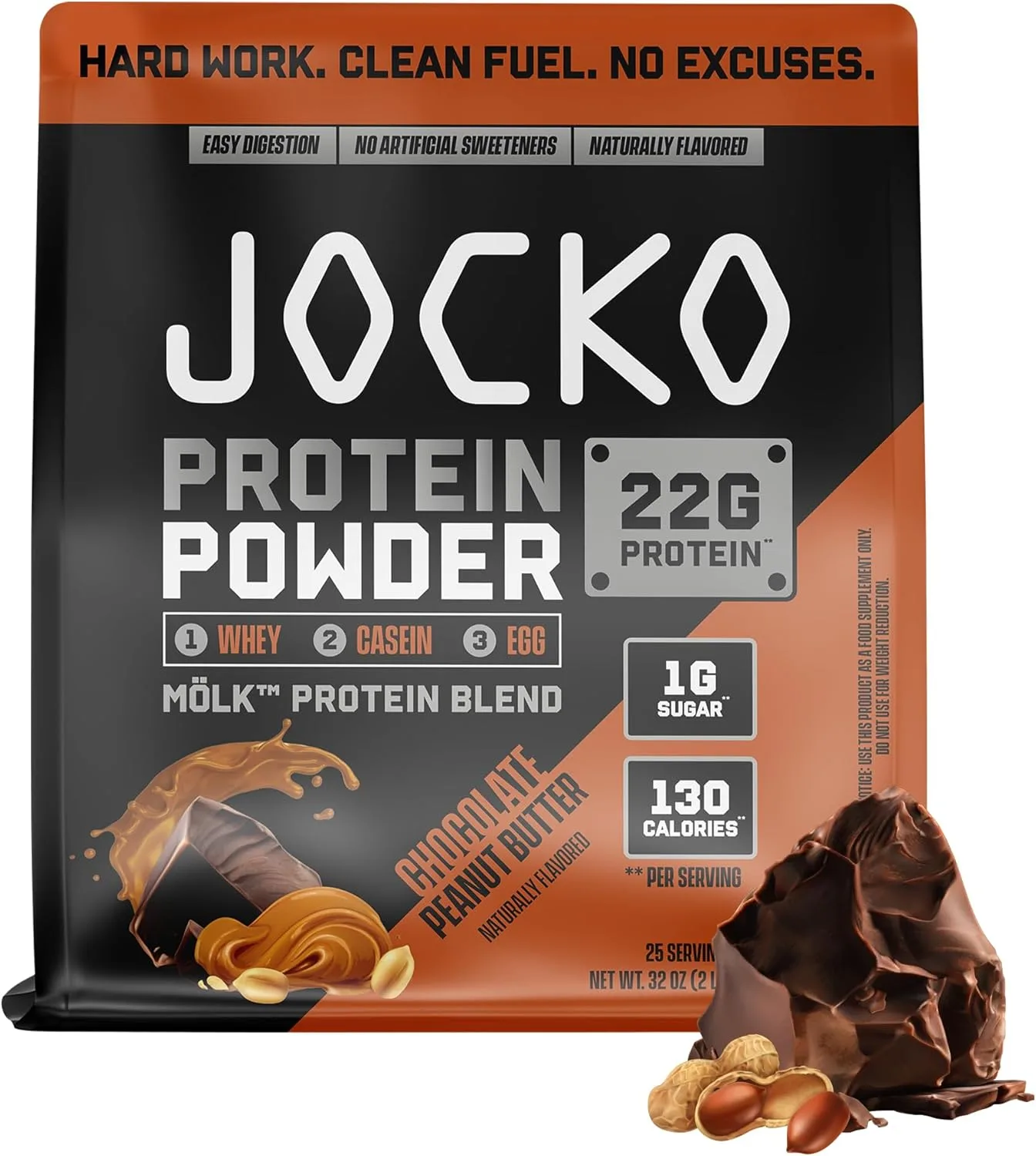
Jocko Fuel Mölk Whey Protein Powder 22g Low Sugar Monk Fruit Blend - Muscle Recovery & Growth, Packaging May Vary (25 Servings, Chocolate Peanut Butter)
-
Jocko Fuel Mölk Whey Protein Powder 22g Low Sugar Monk Fruit Blend - Muscle Recovery & Growth, Packaging May Vary (25 Servings, Chocolate Peanut Butter): The Chocolate Peanut Butter flavor comes in a 25-serving package and is low in sugar. A larger tub makes sense if you already know you like monk fruit sweetness, but it is a bigger commitment if you are still testing your tolerance.
Who should choose which
Best for
- People who want to avoid artificial sweeteners in protein powder and prefer a plant-derived option like monk fruit.
- Shoppers looking for a low-sugar whey protein powder with a chocolate peanut butter flavor and a clear protein dose per serving.
Not for
- Anyone who dislikes monk fruit's occasional aftertaste and wants the most neutral sweetness possible.
- People who are not willing to commit to a 25-serving tub before tasting the flavor.