The Montessori philosophy emphasizes child-led learning, independence, and hands-on experiences. One of the most transformative spaces to apply these principles is the kitchen. A Montessori kitchen isn't just about miniature appliances; it's a thoughtfully prepared environment where children can safely participate in meal preparation, learn practical life skills, and build confidence.
In recent years, the trend of setting up a child-friendly cooking station has grown rapidly among parents who want to involve their little ones in daily routines. From adjustable learning towers to low shelving for dishes and utensils, the Montessori kitchen setup is both functional and empowering. In this guide, we'll walk you through the essential elements, recommended products, and practical tips to create a space where your child can thrive.
Why a Montessori Kitchen Matters
A Montessori kitchen supports your child's natural desire to imitate adults and contribute to family life. By providing safe, accessible tools and a designated workspace, you encourage fine motor development, concentration, and a sense of responsibility. Cooking together also offers rich opportunities for language development, math concepts (measuring, counting), and sensory exploration.
Moreover, a child-friendly kitchen reduces frustration and dependence. Instead of constantly saying "no" or "wait," you create an environment where your child can freely explore and practice skills like pouring, stirring, and washing. This aligns with the Montessori principle of "help me to do it myself."
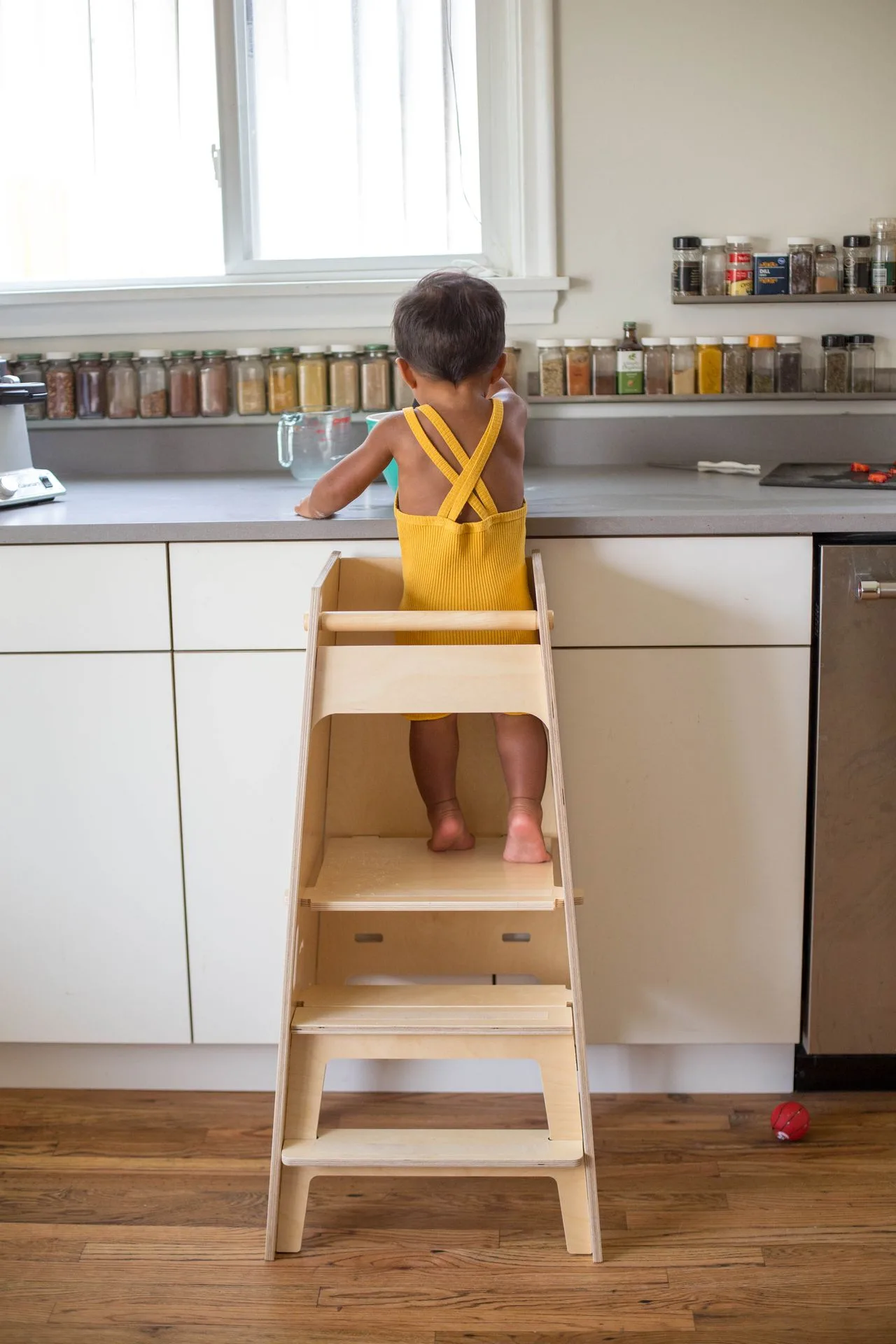
- Place a sturdy learning tower or step stool near the counter so your child can reach safely.
- Store child-safe knives, cutting boards, and mixing bowls on a low shelf within easy reach.
Essential Furniture for Your Child's Cooking Station
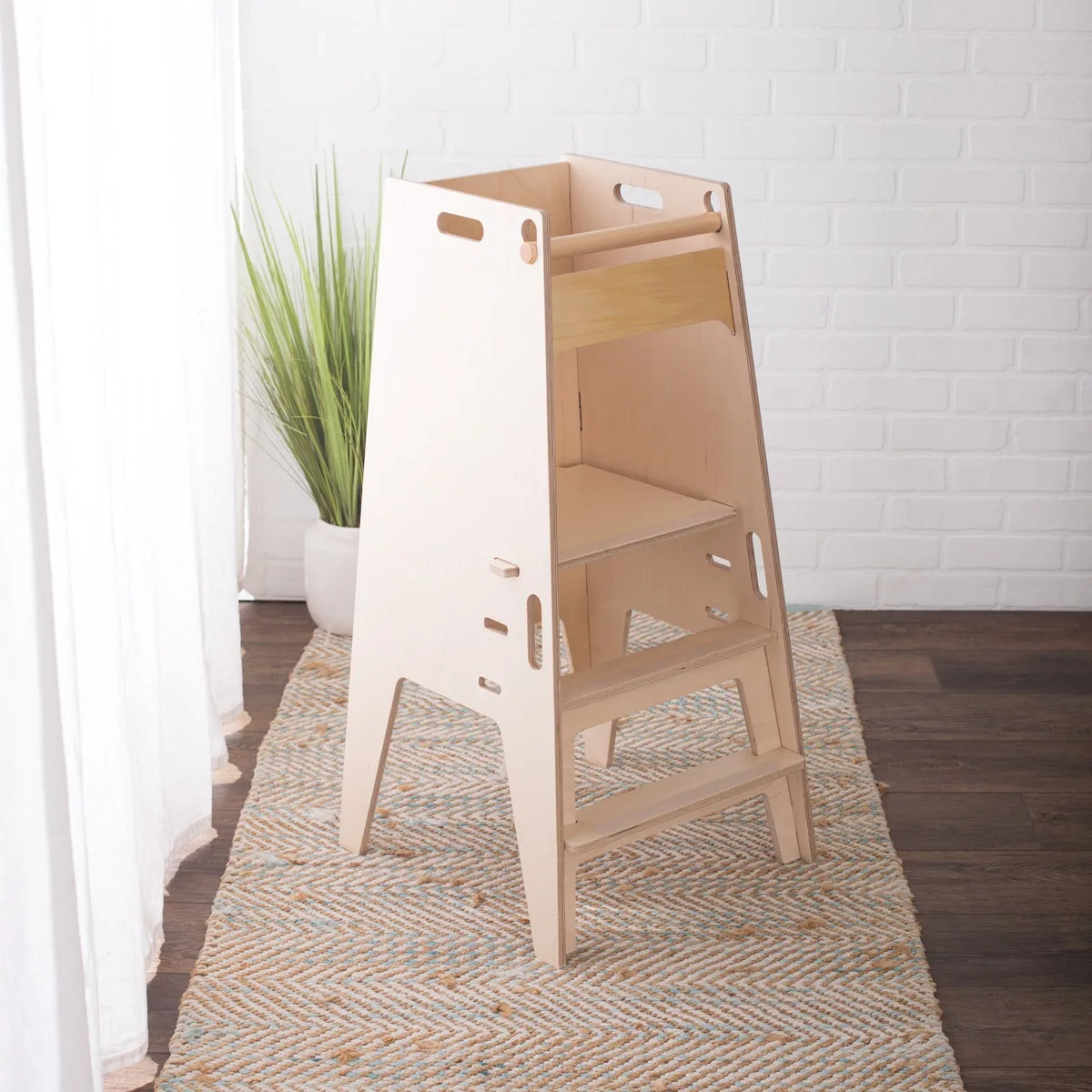
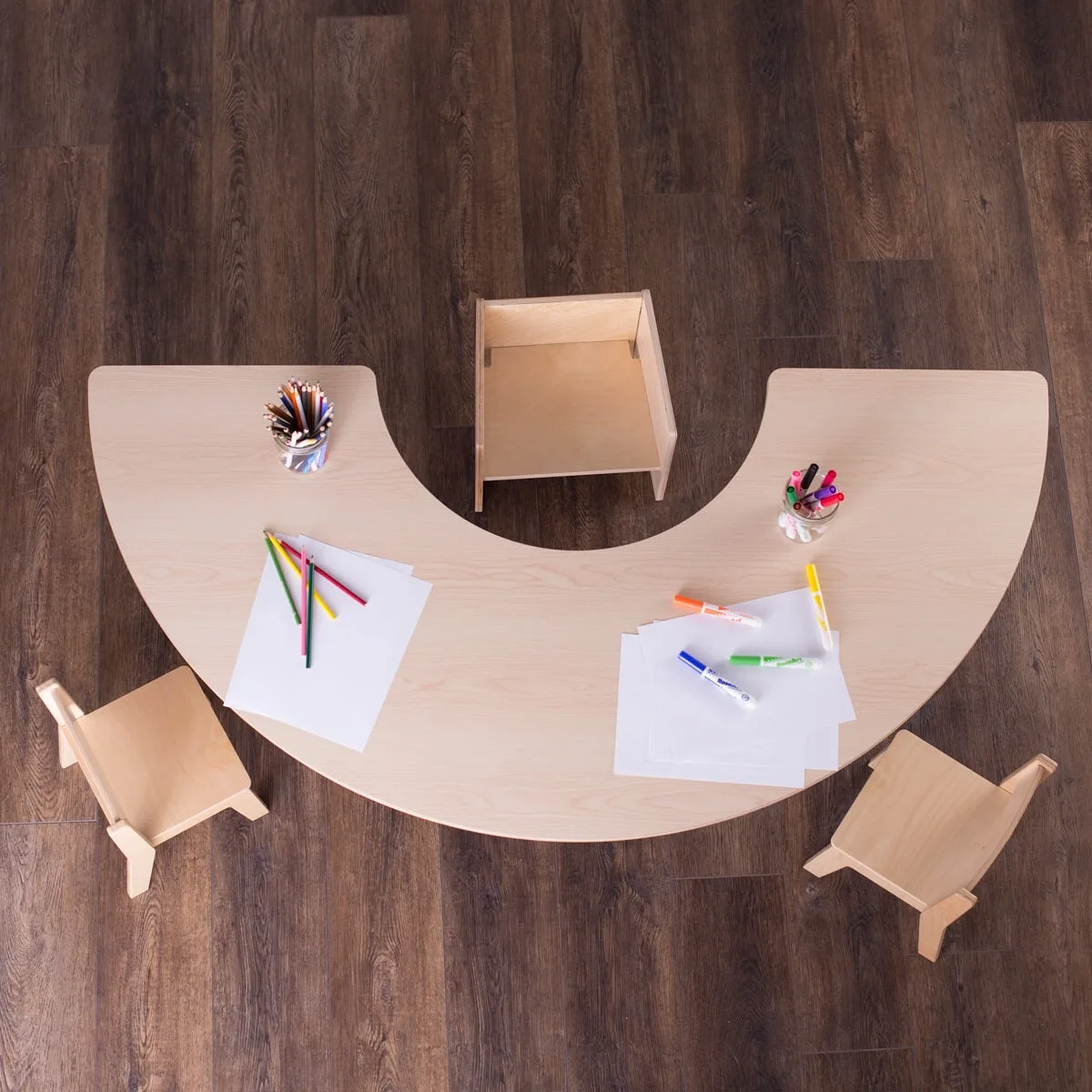
The cornerstone of any Montessori kitchen is a safe, adjustable platform that allows your child to work at counter height. A learning tower or sturdy step stool is ideal. For example, the School Kids Chair can be used as a stable seat at a low table, but for countertop cooking, consider a dedicated kitchen helper. Another versatile piece is the Chowki Floor Table, which can serve as a low prep surface for younger children who prefer to work on the floor or at a small table.
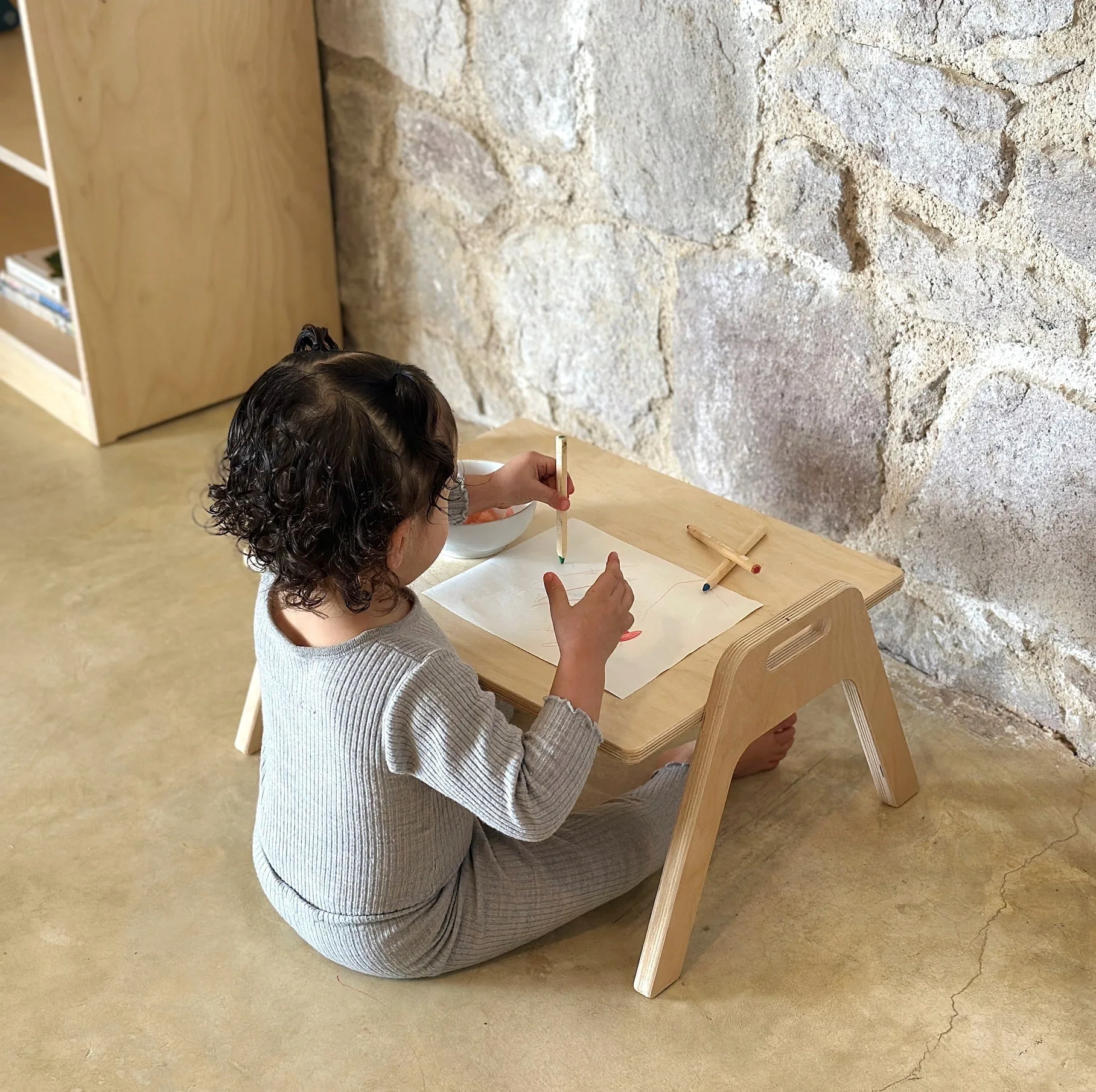
Chowki Floor Table
Storage is equally important. Open shelving at your child's height lets them see and choose their own tools. The Home Montessori Open Back Shelving is perfect for displaying dishes, utensils, and small appliances. You can also use the Additional Adjustable Shelf to customize the height and spacing as your child grows.
- Choose a learning tower with safety rails and a non-slip base.
- Use low, open shelves to store child-safe kitchen tools like silicone spatulas, wooden spoons, and measuring cups.
Tools and Utensils for Little Chefs
Equip your Montessori kitchen with real, child-sized tools that are safe and functional. Look for items like small stainless steel mixing bowls, a wooden rolling pin, and a child-safe knife with a serrated edge for cutting soft fruits and vegetables. A small pitcher for pouring water or milk helps develop hand-eye coordination and control.
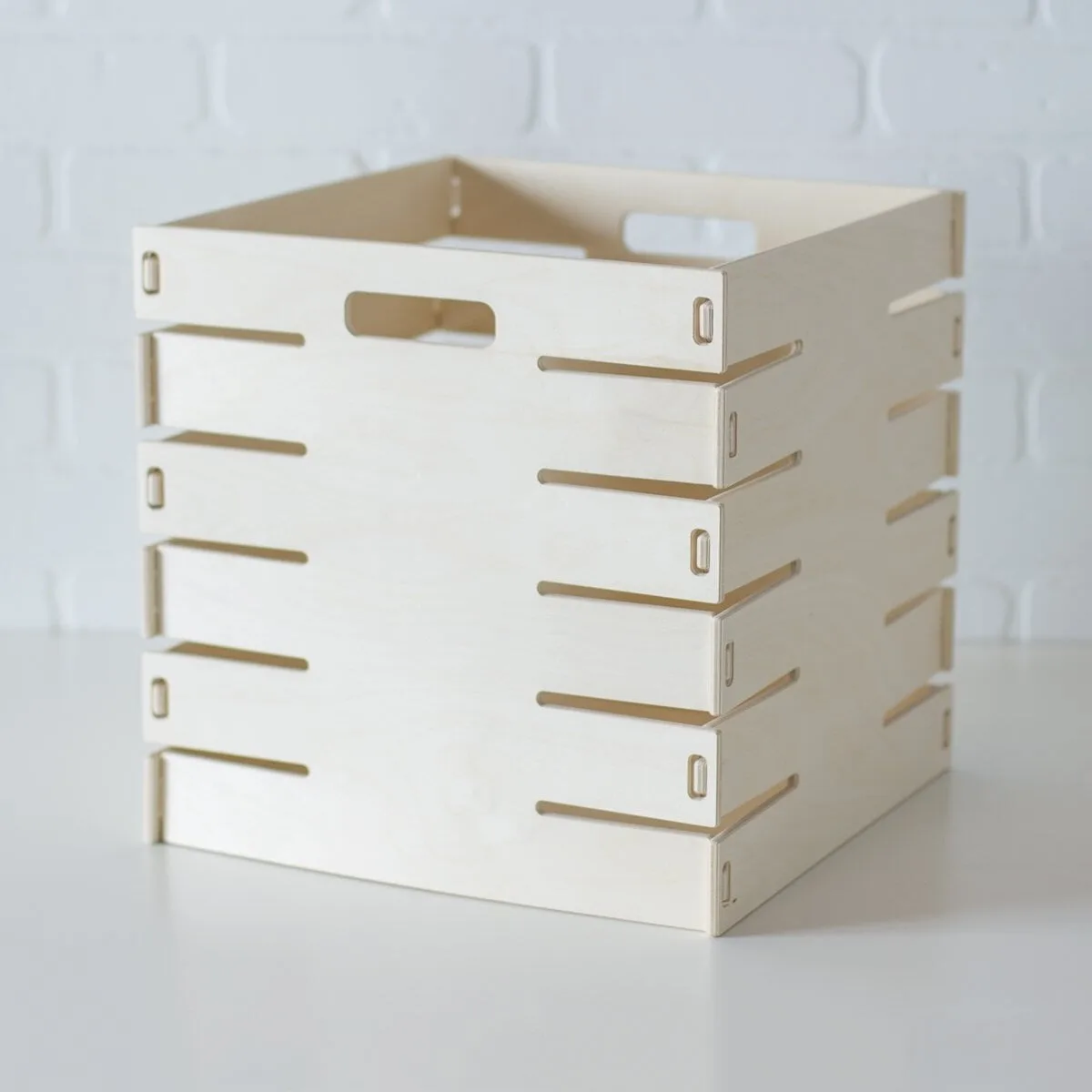
Baskets and trays are excellent for organizing ingredients and tools. The Value-Grade Wovewood Baskets are lightweight yet durable, making them perfect for holding produce, utensils, or napkins. You can place them on the open shelf or on a low counter for easy access.
- Include a small cutting board, a child-safe peeler, and a whisk.
- Use a tray with compartments to keep ingredients separated during recipe prep.
Setting Up a Safe and Accessible Layout
Safety is paramount in a Montessori kitchen. Ensure that all sharp objects, hot surfaces, and toxic cleaning supplies are out of reach. Designate a low drawer or cabinet for your child's tools, and use drawer dividers to keep everything organized. A small stool or step ladder can help them reach the sink for hand washing or rinsing vegetables.
Consider adding a low table or a dedicated prep area. The Chowki Floor Table can be placed in the kitchen or adjacent dining area as a child-height workspace. Pair it with the School Kids Chair for a comfortable seating option when your child wants to sit while working.
- Install a child-proof lock on cabinets containing hazardous items.
- Place a non-slip mat under the learning tower for extra stability.
Activities to Start With
Begin with simple, non-cooking tasks to build confidence. Washing fruits and vegetables, tearing lettuce, stirring batter, and setting the table are great starting points. As your child masters these, introduce more complex steps like cracking eggs, spreading butter, or using a rolling pin.
A Montessori kitchen also encourages clean-up independence. Provide a small sponge, a dustpan and brush, and a low towel rack so your child can wipe spills and dry dishes. This reinforces the cycle of work and responsibility.
- Start with dry tasks like pouring rice or scooping beans before moving to wet ingredients.
- Use a small step stool to help your child reach the sink for washing hands and produce.
Creating a Montessori kitchen is one of the most rewarding investments you can make in your child's development. By providing the right furniture, tools, and layout, you empower your little one to participate in family life with confidence and joy. Ready to get started? Explore our selection of child-friendly kitchen essentials, including the sturdy and versatile School Kids Chair, to build the perfect cooking station for your family.