Quick Answer
Moringa tea is a nutrient-dense herbal option that can support energy and antioxidant intake when brewed from quality leaves. Look for organic, caffeine-free moringa tea bags with minimal additives, and be mindful of potential side effects like digestive upset if consumed in excess.
If you’re looking for a gentle, caffeine-free way to add more nutrients to your day, moringa tea is worth considering. Often called the 'miracle tree,' moringa leaves are packed with vitamins, minerals, and antioxidants—making them a popular choice for everyday wellness.
But with so many moringa products on the market, it’s easy to get confused about what to buy and how to brew it. This guide breaks down moringa tea nutrition, benefits, and side effects, and helps you choose a quality product that fits your routine.
What Is Moringa Tea and Why Is It Nutrient-Dense?
Moringa tea is made from the dried leaves of the Moringa oleifera tree, which is native to parts of Asia and Africa. The leaves are rich in vitamins A and C, calcium, potassium, and protein, along with powerful antioxidants like quercetin and chlorogenic acid. Because the leaves are dried and steeped, many of these nutrients transfer into your cup.
Compared to green tea, moringa is naturally caffeine-free, making it a good choice for those who are sensitive to stimulants or want a calming evening drink. However, the exact nutrient content can vary based on growing conditions and processing, so it’s best to choose brands that specify their sourcing and avoid added flavors or fillers.
Moringa Tea Benefits: Energy, Antioxidants, and More
One of the most praised moringa tea benefits is its potential to support natural energy levels without caffeine. The iron and B vitamins in moringa leaves may help combat fatigue, while antioxidants help fight oxidative stress and support overall immune health.
Some people also use moringa tea to support digestion and blood sugar balance, though research is still emerging. It’s important to note that moringa is not a magic cure—it works best as part of a balanced diet and healthy lifestyle.
- For an energy boost, try a cup in the morning or early afternoon instead of coffee.
- Pair moringa tea with a meal to enhance nutrient absorption, especially if you’re iron-deficient.
Moringa Powder vs. Tea Bags: Which Should You Choose?
Moringa is available as a powder that you can add to smoothies or brew as tea, and as pre-portioned tea bags. Powder gives you more control over strength and can be used in recipes, but it requires measuring and may have a stronger, earthier taste. Tea bags offer convenience and consistent flavor, making them ideal for busy mornings or office use.
If you prefer simplicity and portability, enveloped tea bags are a great option. They’re individually wrapped, which helps preserve freshness and makes them easy to toss in a bag. Look for brands that use whole leaves or high-quality cuts rather than dust, and check that the tea is organic to avoid pesticide residues.
How to Brew Moringa Tea for Maximum Flavor and Benefits
To get the most from your moringa tea, use water that’s just below boiling—around 200°F (93°C)—and steep for 3 to 5 minutes. Over-steeping can make the tea bitter and may release more tannins, which can interfere with nutrient absorption.
Start with one tea bag per cup and adjust to taste. Moringa has a slightly earthy, grassy flavor that some people love and others find strong. You can add a slice of lemon, a touch of honey, or a sprig of mint to balance it out.
- Use fresh, filtered water for the best taste.
- Don’t discard the tea bag after one steep—moringa leaves can often be re-steeped for a lighter second cup.
Moringa Tea Side Effects: What to Watch Out For
While moringa tea is generally safe for most people, there are a few side effects to keep in mind. Drinking large amounts may cause digestive upset, such as nausea or diarrhea, due to the high fiber and nutrient content. If you’re new to moringa, start with one cup a day and see how your body responds.
Pregnant women, people on blood sugar or blood pressure medications, and those with thyroid conditions should consult a healthcare provider before adding moringa to their routine. Also, avoid moringa root or bark extracts, which are not safe for consumption—stick to leaf-based teas.
What to Look for in a Quality Moringa Tea
When shopping for moringa tea, check the ingredient list first. A quality product should list only moringa leaves, or moringa plus natural herbs—no artificial flavors, preservatives, or added sugar. Organic certification is a plus, as it reduces exposure to pesticides.
Also consider the packaging. Individually wrapped tea bags in recyclable foil envelopes help maintain freshness and protect the leaves from moisture and light, which can degrade nutrients over time. This is a sign of a brand that values quality.
Diagnosing Your Moringa Tea Routine
- Symptom: You feel sluggish in the afternoon and want a caffeine-free pick-me-up, or you're looking to boost your antioxidant intake without relying on coffee. Moringa tea may help support energy and provide antioxidants.
- Likely Cause: Your current beverage lacks nutrients or contains caffeine that causes a crash. You may also be missing out on the benefits of leafy greens in your diet. Switching to moringa tea can fill nutritional gaps.
- Corrective Action: Start with one cup of moringa tea daily, brewed from quality tea bags. Choose organic, additive-free options and steep for 3-5 minutes. Monitor how you feel over a week. Incorporate moringa tea into your daily routine for potential benefits.
- When to Stop or Choose Another Option: If you experience digestive discomfort, or if you're pregnant, nursing, or taking medication for blood pressure or blood sugar, stop and consult a healthcare provider. If you dislike the earthy taste, consider a flavored moringa blend or a different herbal tea like ginger or matcha. Moringa isn't for everyone—listen to your body and choose what works for you.
Moringa Tea Options at Tipson Tea – Home
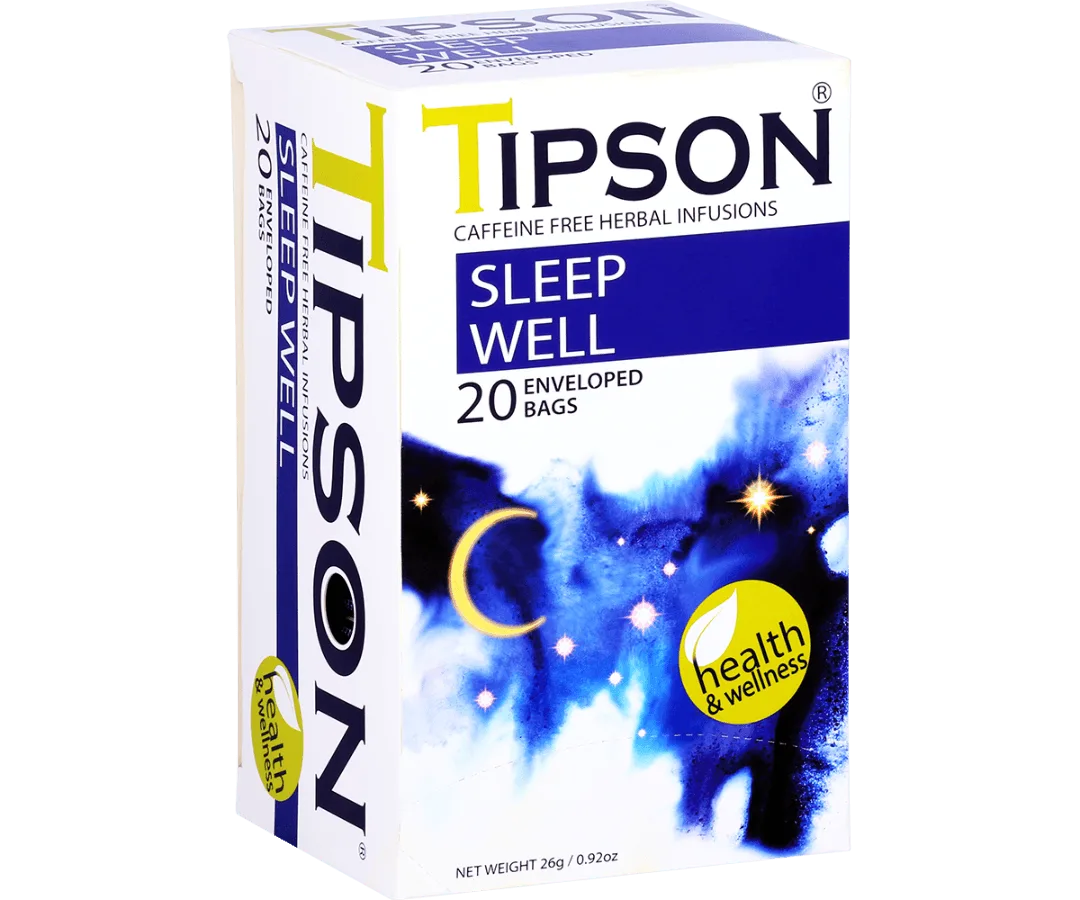
- Tipson Herbal Wellness - Sleep Well Tea - 20 Enveloped Tea Bags: Our range of wellness teas are made using all natural fruits, herbs, roots, seeds & flowers sourced from special, selected gardens. Made using traditional ancient recipes, these aromatic & palatable drinks are caffeine & gluten free wholesome options, with no additives, preservatives or flavouring. The package contains 20 individually wrapped tea bags each carefully packed into a recyclable foil envelop. If you're looking for a caffeine-free evening option, this sleep blend can complement your moringa routine without adding stimulants.
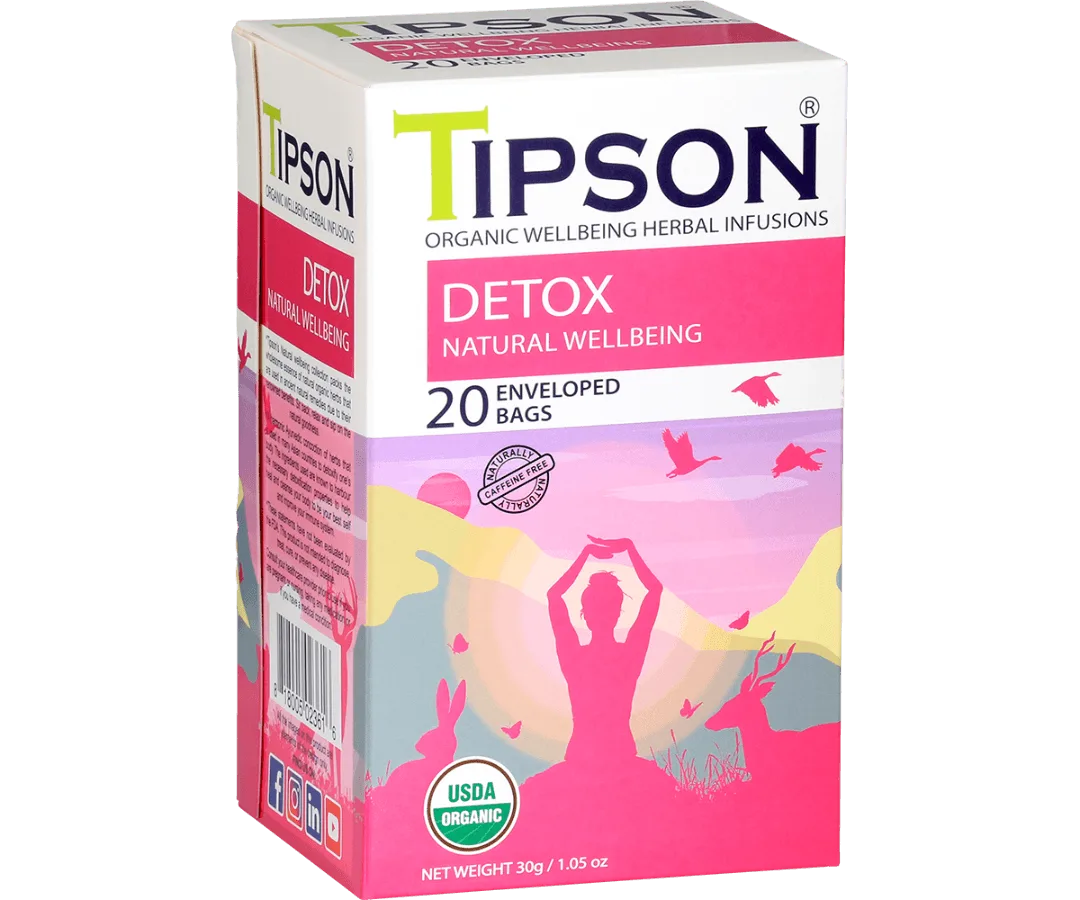
- Tipson Detox - Natural Wellbeing - 20 Enveloped Tea Bags: A harmonic ayurvedic concoction of herbs that is used in many asian countries to detoxify one’s body. The ingredients used are known to harbour the necessary detoxification properties to help heal and cleanse your body to be your best self and improve your immune system. Our Detox Tea contains 25 individually wrapped tea bags each carefully packed into a recyclable foil envelop. For those who want to support overall wellness, this detox blend offers a complementary herbal option with similar attention to natural ingredients.
Moringa tea is a nutrient-dense, caffeine-free herbal option that can support everyday wellness when chosen and brewed well. By understanding its benefits, side effects, and what to look for in a product, you can decide if it's the right addition to your routine—and if not, there are plenty of other herbal teas to explore.