Two Single-Ingredient Teas, Two Different Directions
Moringa Tea and Ashwagandha Tea are both single-ingredient herbal infusions, but they come from different plants and carry different traditions. Moringa is described in the catalog as a grassy, nutrient-rich leaf tea with a naturally sweet and herbaceous profile. Ashwagandha is described as a grounding root tea known as the 'king of herbs' in Ayurvedic tradition.
That difference matters when you are choosing a daily cup. One is a leaf infusion with a bright, grassy character; the other is a root infusion with a more grounding reputation. The catalog does not provide brewing instructions, caffeine content, or health benefit claims for either tea, so this comparison sticks to what is confirmed and flags what you will need to decide for yourself.
What the Catalog Confirms About Each Tea
-
Moringa Tea: Organic Moringa Leaf Tea is described as delivering a naturally sweet and herbaceous profile without artificial flavorings. This tells you the expected flavor direction: grassy and gently sweet, with no added flavoring to mask the leaf.
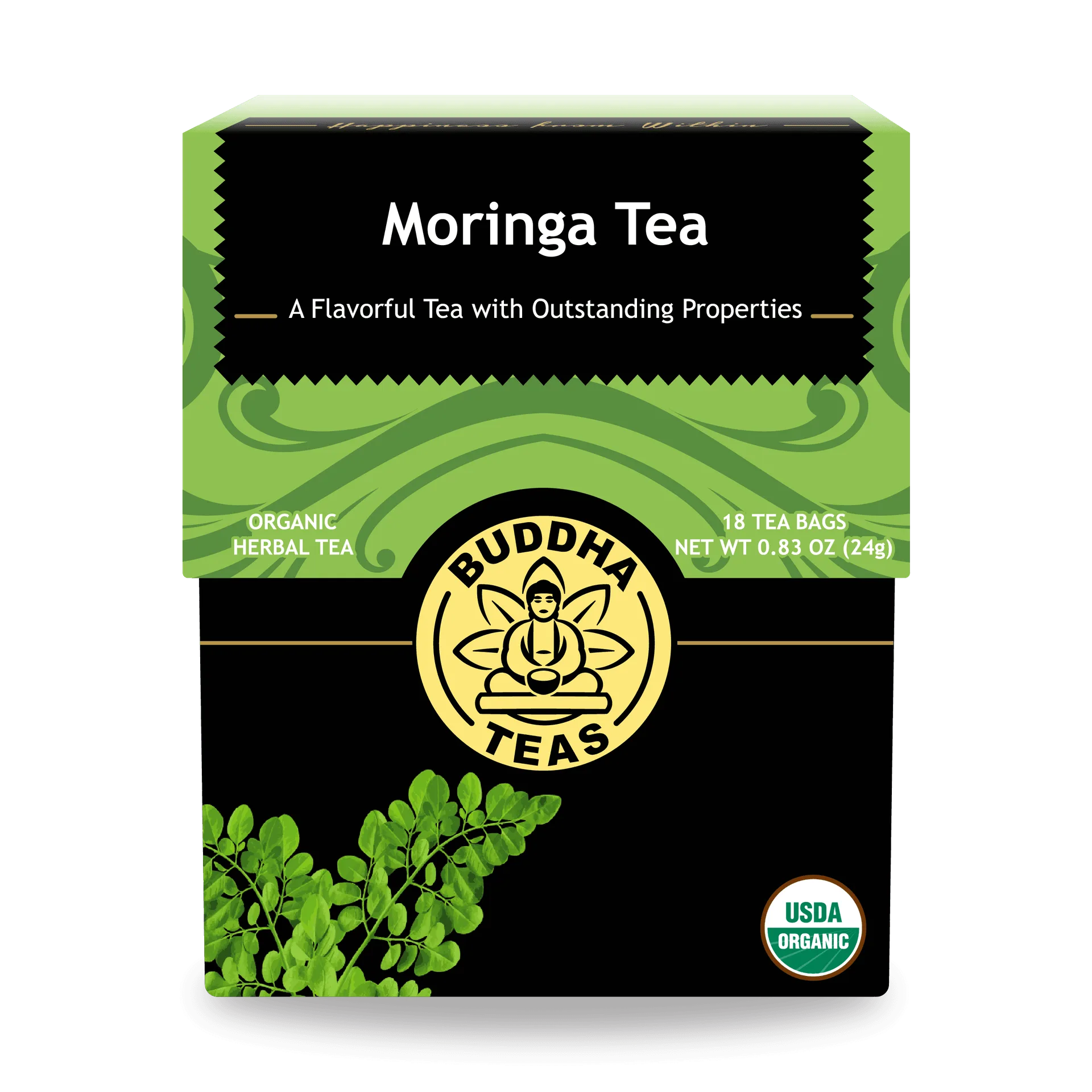
Moringa Tea
-
Ashwagandha Tea: Organic Ashwagandha Root Tea is a single-ingredient infusion delivered in 100% compostable and plastic-free packaging. If packaging waste is part of your daily routine decision, this is a concrete difference between the two products.
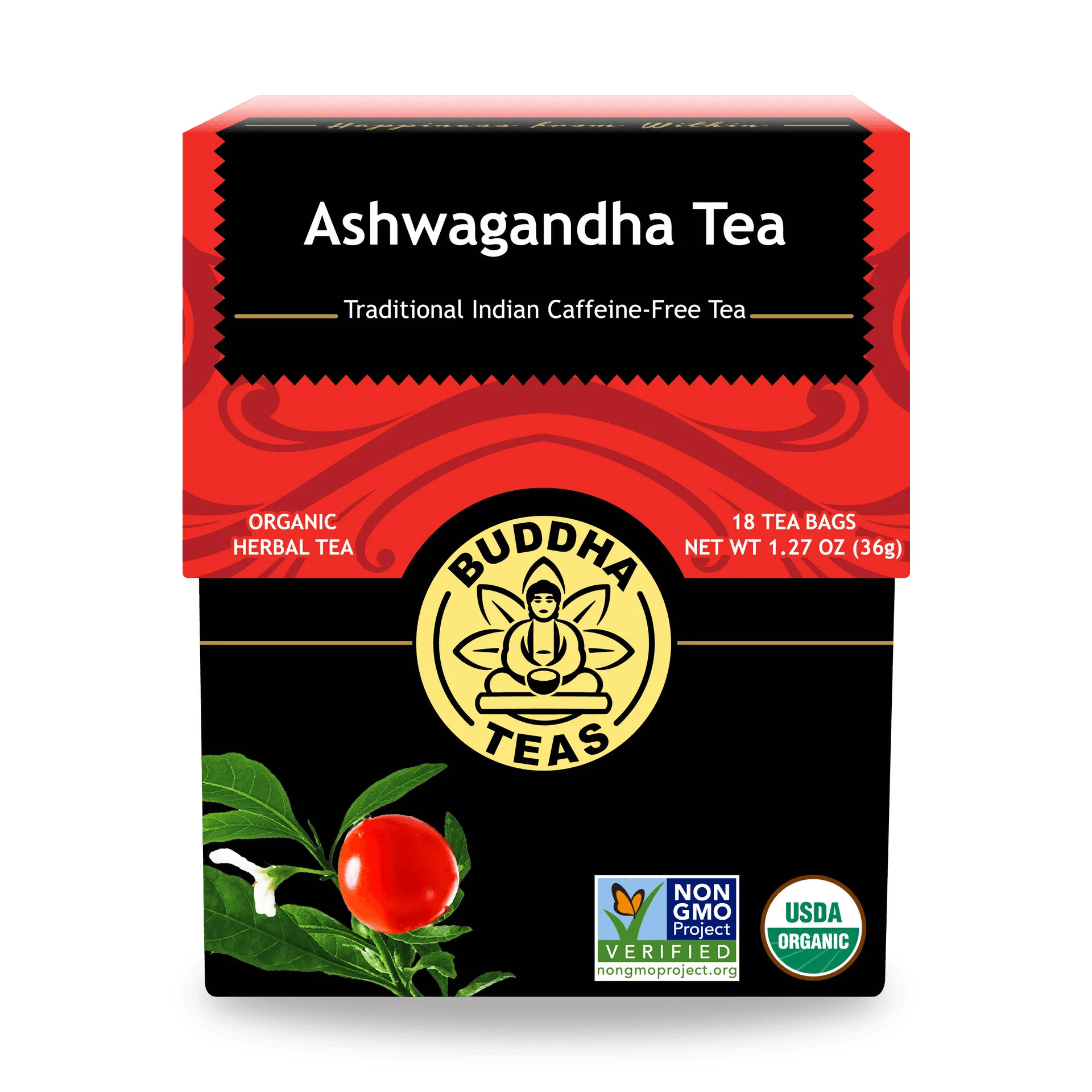
Ashwagandha Tea
Moringa Tea vs Ashwagandha Tea at a Glance
The table below summarizes only what the supplied catalog confirms. Where a detail is not listed, the catalog does not provide it.
- Plant part: Moringa Tea is described as a leaf tea; Ashwagandha Tea is described as a root tea.
- Flavor direction: Moringa is described as grassy, naturally sweet, and herbaceous; the catalog does not describe Ashwagandha Tea's flavor.
- Ingredients: Moringa Tea is described as having no artificial flavorings; Ashwagandha Tea is described as a single-ingredient infusion.
- Packaging: Ashwagandha Tea is described as 100% compostable and plastic-free; the catalog does not specify Moringa Tea's packaging.
- Brewing instructions: Not supplied for either tea in the provided records.
- Caffeine content: Not supplied for either tea in the provided records.
Flavor: What to Expect from Each Cup
If taste is your main deciding factor, Moringa Tea gives you the clearer preview. The catalog describes it as grassy and herbaceous with a naturally sweet edge, and it contains no artificial flavorings. That suggests a cup that tastes like the leaf itself rather than a flavored blend.
For Ashwagandha Tea, the catalog does not describe the taste. It is a root tea, and root infusions often have an earthy character, but the supplied information does not confirm a specific flavor profile. If you are sensitive to earthy or bitter notes, that is a gap worth acknowledging before you buy rather than assuming either way.
Energy and Adaptogen Expectations: What the Catalog Does Not Claim
The search phrase 'which herbal tea for energy' often comes up alongside these two teas, but the catalog does not make energy claims for either Moringa Tea or Ashwagandha Tea. Moringa is described as supporting daily vitality, which is marketing language rather than a measured effect. Ashwagandha is described as grounding, a traditional descriptor rather than a promise.
Similarly, Ashwagandha is often discussed as an adaptogen, but the supplied catalog does not use that term or make adaptogen claims. If you are comparing an adaptogen tea vs moringa, the honest answer from this catalog is that the difference is in the plant part and tradition, not in confirmed functional effects. Treat any energy or adaptogen expectation as something to research separately, not as a product guarantee.
Packaging and Daily Routine Fit
Ashwagandha Tea has one clear practical advantage in the supplied information: its packaging is described as 100% compostable and plastic-free. If you are trying to reduce plastic waste in your daily routine, that is a concrete point in its favor.
Moringa Tea's packaging is not described in the supplied record, so you cannot compare on that basis without checking the product page or contacting the store. Both teas are offered in a Standard variant, and the catalog does not list other sizes or formats.
How to Choose Between Them
Choose Moringa Tea if you want a leaf tea with a confirmed grassy, herbaceous, naturally sweet flavor and no artificial flavorings. It is the easier choice when taste transparency matters most.
Choose Ashwagandha Tea if you are drawn to a root tea with a grounding tradition and you value the confirmed compostable, plastic-free packaging. Be prepared to explore its flavor yourself, since the catalog does not describe it.
If you are undecided, start with the tea whose confirmed details answer more of your questions. For Moringa, that is flavor. For Ashwagandha, that is packaging and plant part. Neither tea has supplied brewing instructions, caffeine information, or health benefit evidence in this catalog, so those should not be the deciding factors based on what is available here.