Quick Answer
Clean your speakers and amp with a dry or slightly damp cloth and mild soap, never a pressure washer. Check wiring and connections monthly, and apply a dielectric grease to exposed terminals. If your system is IPX5-rated, it can handle splashes but not full submersion, so always park under cover when possible.
Why Motorcycle Audio Needs a Different Care Routine
Motorcycle and powersports audio systems face constant vibration, dust, and weather. Unlike a car stereo tucked inside a cabin, handlebar speakers and amps are exposed. That exposure is exactly why a few simple habits can double the life of your system. The goal is not to baby the gear but to remove the grit and moisture that cause corrosion and cone damage before they take hold.
Daily and Weekly Habits That Prevent Damage
After a dusty ride, wipe down the speaker grilles and amp housing with a dry microfiber cloth. If you rode through rain, let the system air-dry in a shaded, ventilated spot before powering it on. Never store a wet helmet or damp gear against the speakers. For amps mounted in a saddlebag or under a fairing, check that the mounting screws stay snug; vibration loosens them over time.
Deep Cleaning Without Ruining the Cone or Electronics
Once a month, remove the speakers if your setup allows it. Brush dust off the cone with a soft paintbrush, moving gently from the center to the edge. Mix a few drops of mild dish soap in a bowl of water, dampen a cloth, and wipe the basket and grille. Do not let water drip into the voice coil or amp vents. For amps, use a can of compressed air to blow out dust from heatsink fins. Never spray cleaner directly onto any component.
When You Should Skip the Hose and Use a Brush
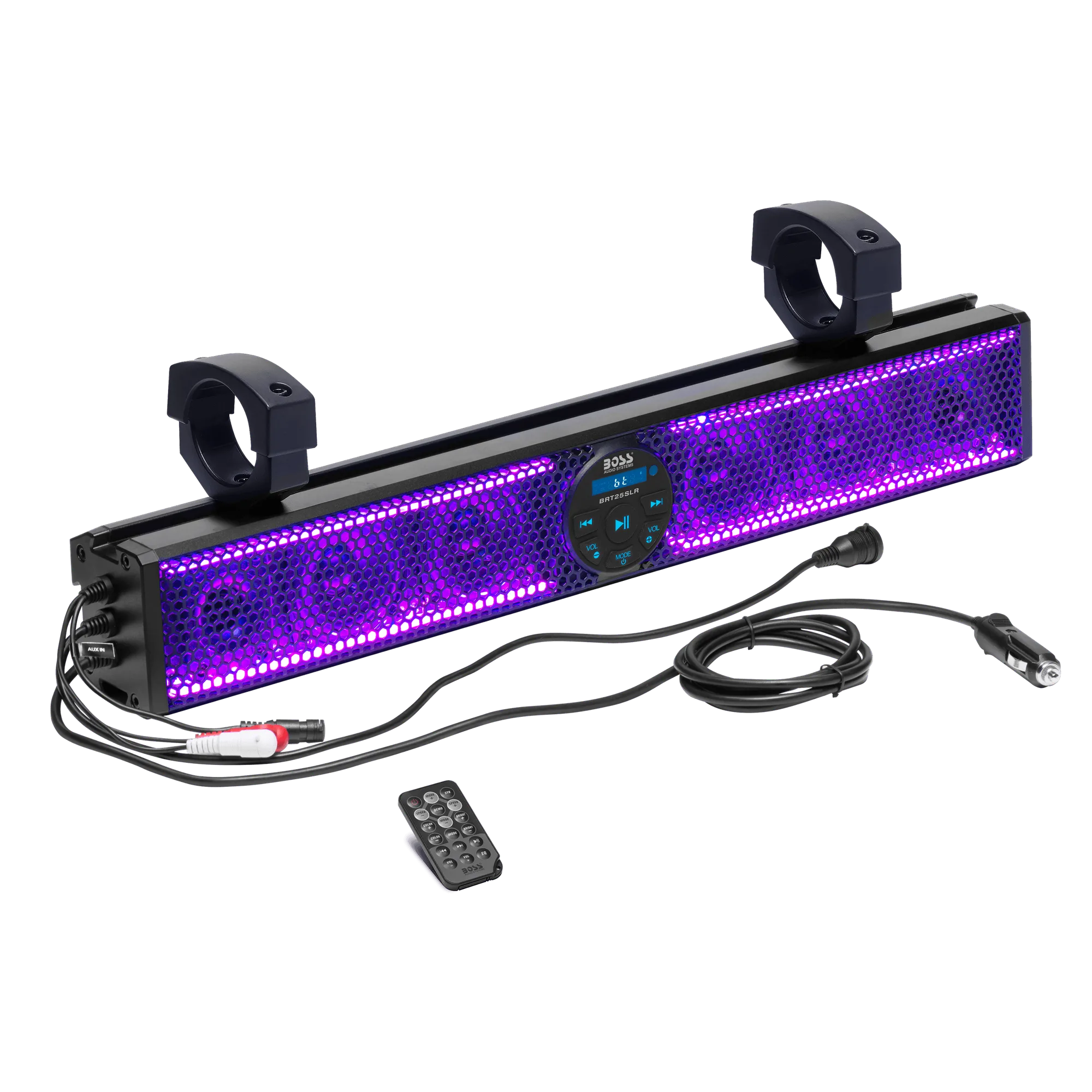
If your speakers are not explicitly rated for water exposure, never use a hose or pressure washer. Even weatherproof models like the BRT25SLR carry an IPX5 rating, which means they resist water jets but not immersion. A soft brush and a barely damp cloth handle most mud and bug splatter. For stubborn grime on metal parts, a little isopropyl alcohol on a cloth works, but keep it away from rubber surrounds and cones.
Your Monthly Motorcycle Audio Care Steps
- Step 1: Power Down and Disconnect: Turn off the audio system and disconnect the negative battery terminal before touching any wiring or speakers. This prevents accidental shorts and protects the amp. Checkpoint: Confirm the system is completely off and no indicator lights are on.
- Step 2: Dry-Brush Loose Dirt: Use a soft paintbrush or dry microfiber cloth to remove dust, bugs, and road grit from speaker grilles, cones, and amp surfaces. Work from top to bottom so debris does not fall into openings. Mistake to avoid: Do not press hard on the cone or tweeter dome; they dent easily and cannot be repaired.
- Step 3: Wipe with a Damp Cloth: Dampen a microfiber cloth with water and a drop of mild soap. Wring it out so it is barely wet. Wipe the speaker basket, grille, and amp housing. For metal terminals, a cloth with isopropyl alcohol removes corrosion. Checkpoint: The cloth should leave no standing water. If you see drips, you are using too much liquid.
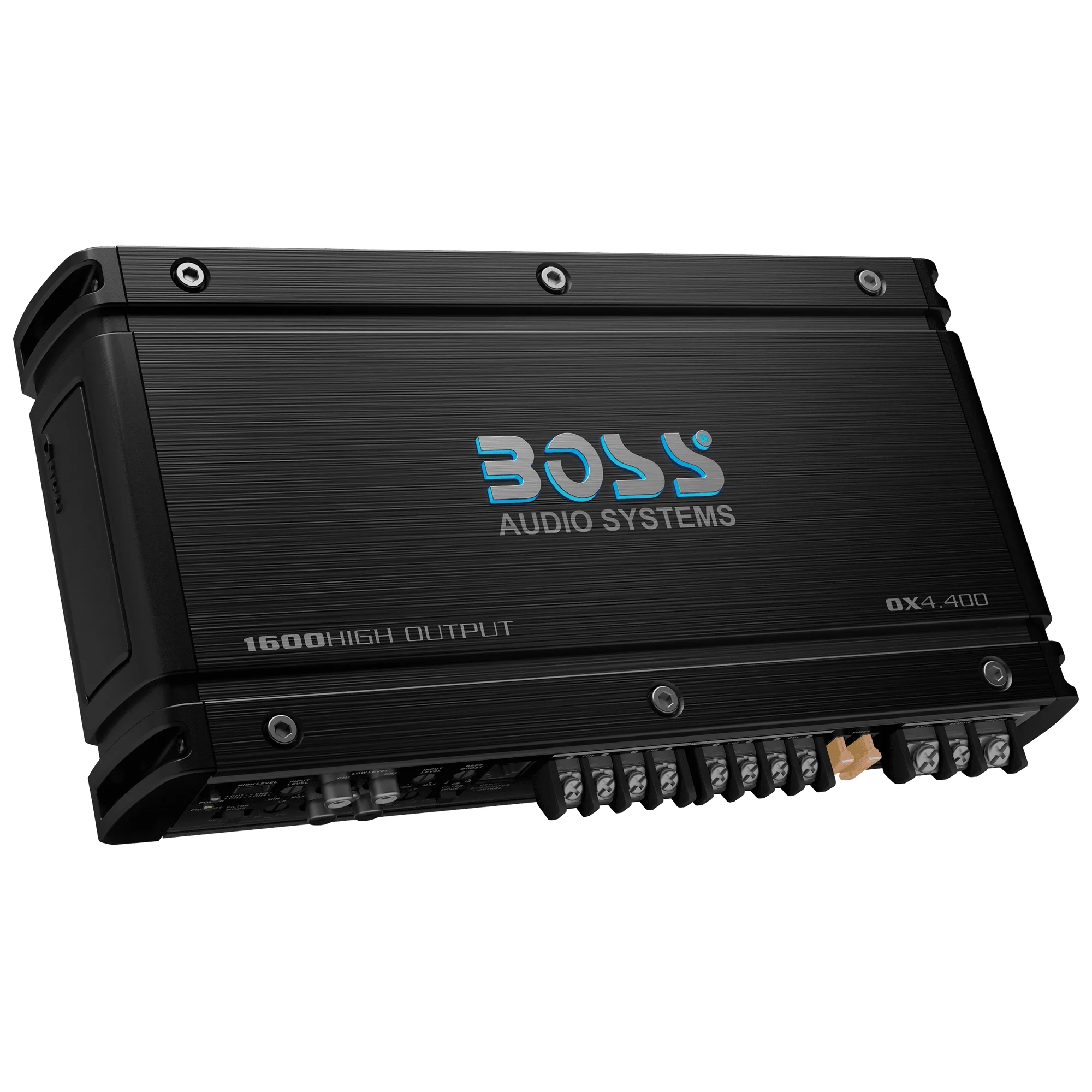
- Step 4: Clean Amp Cooling Fins and Vents: Use compressed air to blow dust out of the amp's heatsink fins and vents. Hold the can upright and use short bursts. If the amp is mounted in a tight space, remove it first for better access. Mistake to avoid: Never insert a screwdriver or pin into the fins; you can bend them and reduce cooling.
- Step 5: Inspect Wiring and Connections: Check that all speaker wires and power leads are secure. Look for frayed insulation, loose crimps, or corrosion on terminals. Apply a thin layer of dielectric grease to exposed connections to block moisture. Checkpoint: Tug gently on each wire; it should not pull free. If it does, re-crimp or re-solder before riding.
- Step 6: Test and Listen: Reconnect the battery and power on the system at low volume. Listen for crackling, distortion, or silence from any speaker. These can signal a loose connection or water intrusion. Next step: If a channel is dead or distorted, recheck the connections before assuming the speaker or amp has failed.
Product Facts to Guide Your Care
- BRT25SLR: IPX5-Rated (Weatherproof/Dustproof) and aluminum enclosure with internal H.D.S. (Heat Dissipation System) This sound bar can handle rain and dust, but the IPX5 rating means it is not submersible. Rinse it with a gentle stream, never a pressure washer, and keep the heatsink fins clear for proper cooling.
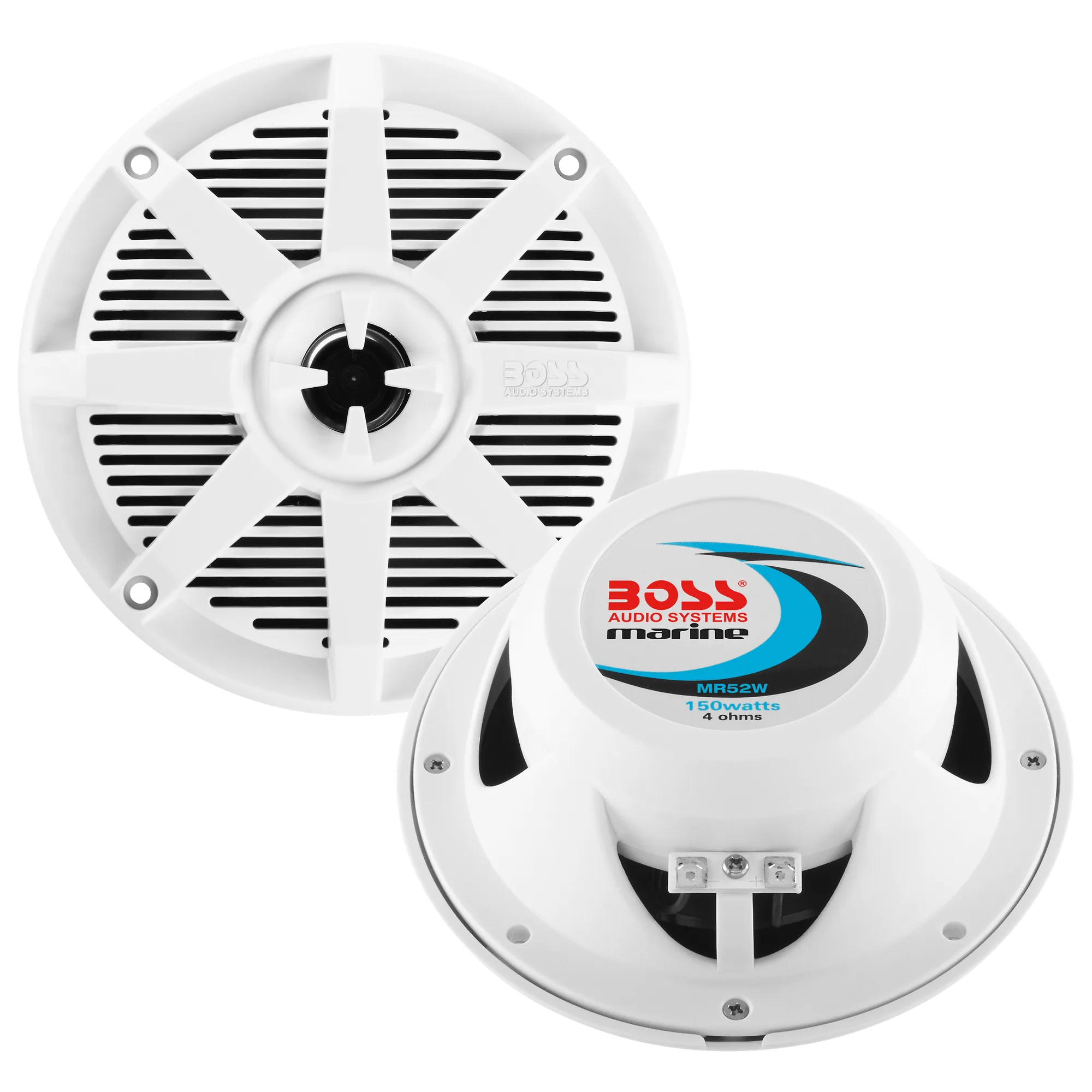
- MR52W: Polypropylene cone and resin-treated cloth surround These materials resist moisture better than paper cones, but the cloth surround can still trap grit. Brush it gently rather than scrubbing, and avoid harsh solvents that dry out the resin.
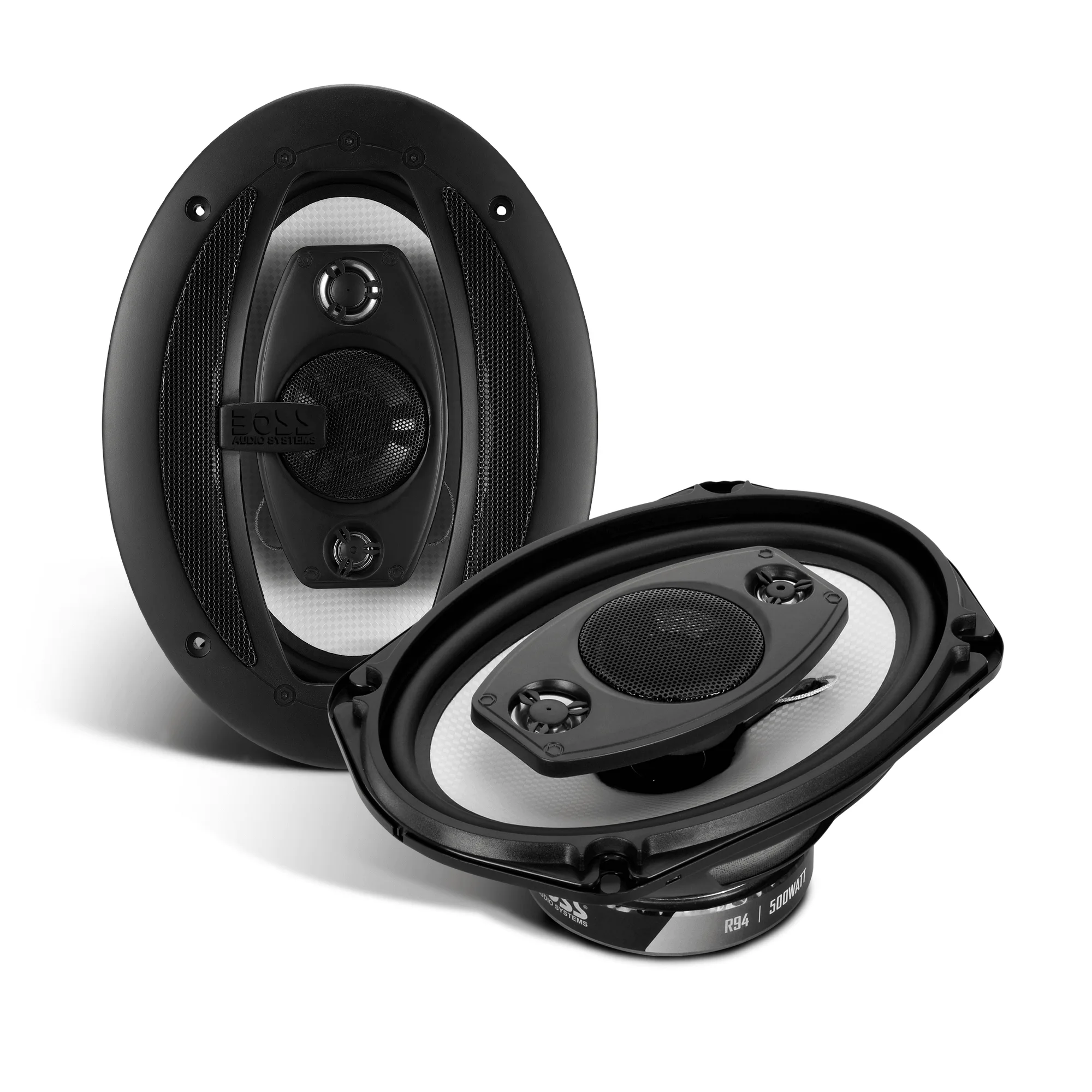
- R94: Rubber surround and poly injection cone The rubber surround is durable but can degrade with prolonged UV exposure. If you park outside, consider a cover or apply a UV protectant made for rubber to extend its life.