Quick Answer
Choose a mud kitchen if you have a backyard, don't mind supervised mess, and want sensory, water, and outdoor play. Choose an indoor play kitchen if you need year-round, weatherproof play in a contained space. Many families with room for both find the two setups complement each other: outdoor for messy sensory sessions, indoor for daily pretend cooking.
Where Each Setup Actually Lives
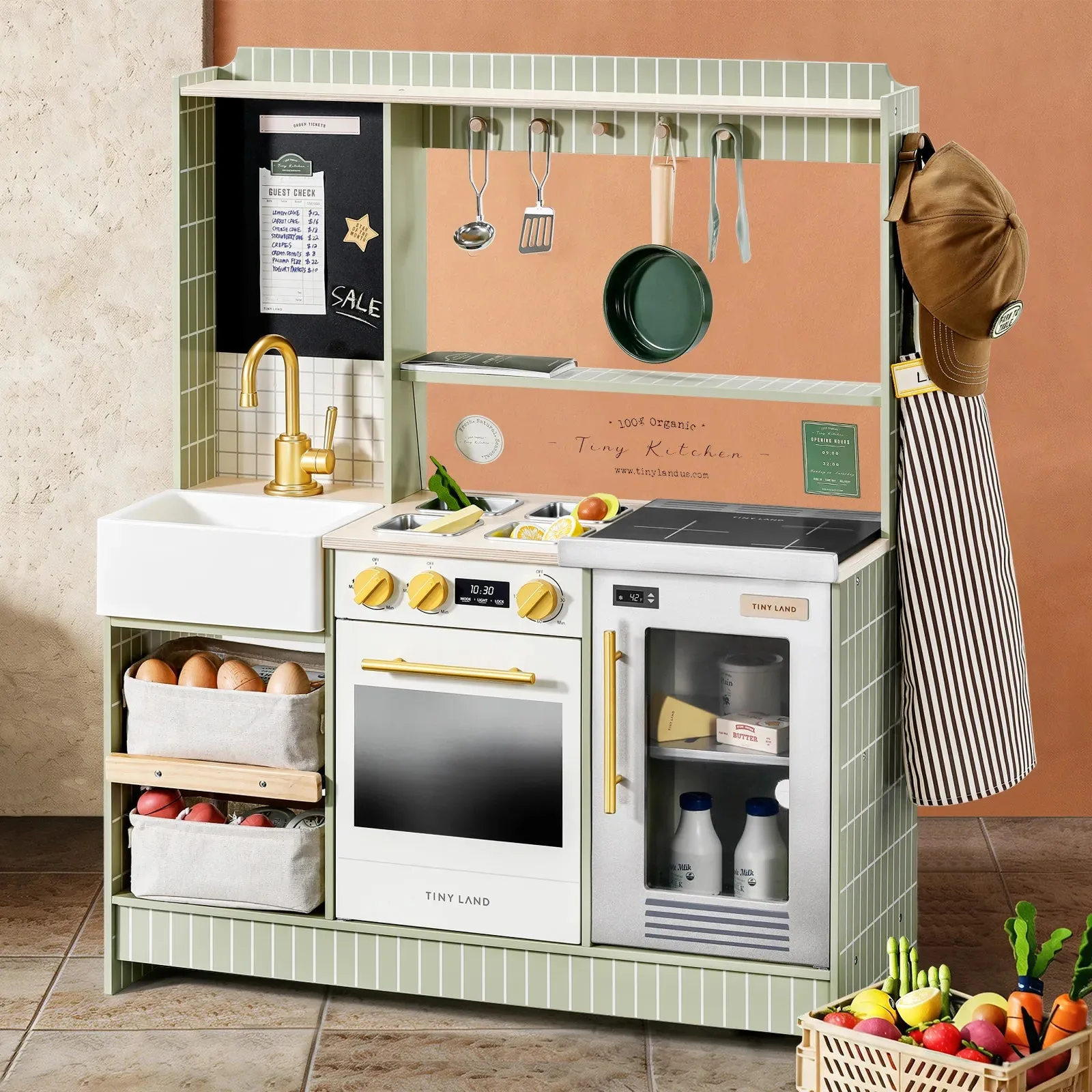
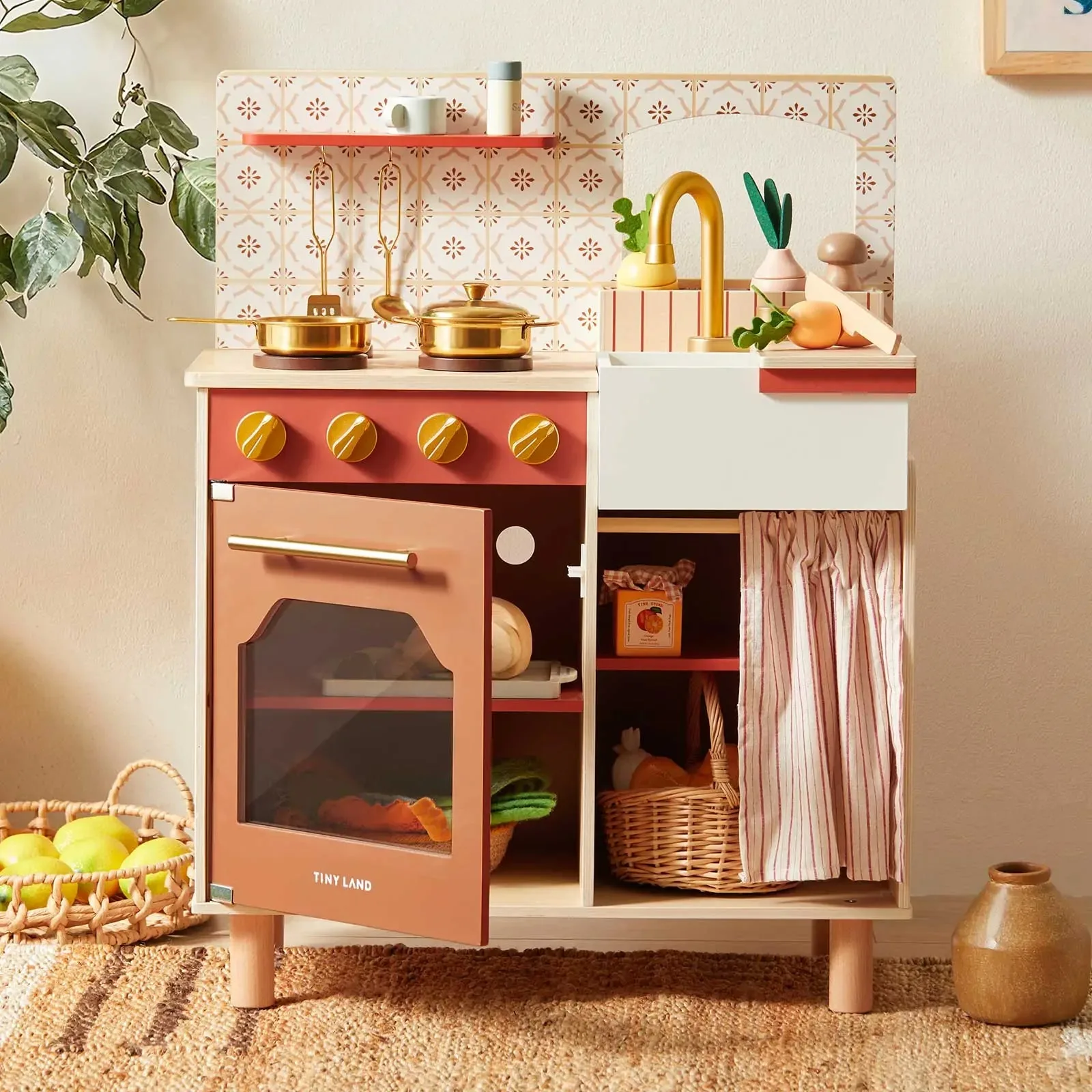
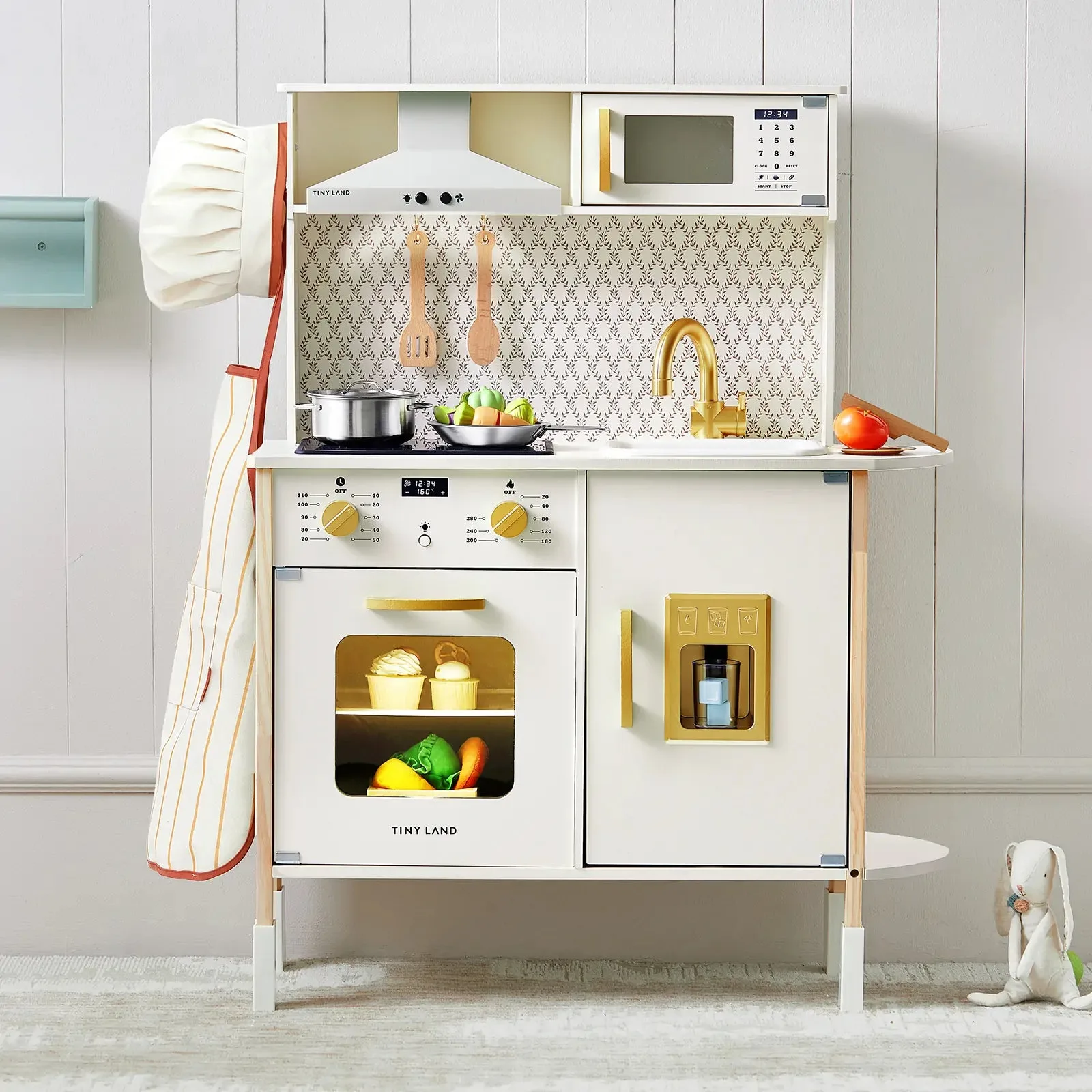
A mud kitchen is an outdoor play kitchen for kids, designed to sit on a patio, lawn, or garden corner. It invites water, dirt, sand, and natural materials, so placement near a hose or outdoor tap matters more than matching your living room. An indoor play kitchen is a furniture-style piece that lives in a playroom, bedroom, or kitchen corner and relies on pretend ingredients rather than real mud and water.
This placement difference drives most of the practical trade-offs. Outdoors, you accept cleanup and weather exposure in exchange for bigger, louder, messier play. Indoors, you trade sensory intensity for convenience, year-round use, and a tidier footprint.
Mess, Cleanup, and Weather Realities
Mud kitchens are built for mess. That's the point. Expect muddy hands, splashed water, and a hose-down or wipe-down routine after sessions. Some outdoor models include a water tank and faucet, which makes water play easier but also means more water to manage. You'll want a spot where runoff won't damage grass or decking, and you'll need to bring in or cover accessories during freezing weather.
Indoor play kitchens keep mess contained to pretend play. Wooden play food and accessories stay dry and clean, and there's no weather dependency. The trade-off is that you lose the sensory richness of real water, mud, and sand. If your child craves that tactile input, an indoor kitchen alone may not satisfy it.
Play Value: Sensory vs. Pretend
Mud kitchens shine for sensory and gross-motor play: digging, pouring, mixing, and creating with natural materials. They support open-ended outdoor exploration and often become a hub for sibling and neighborhood play. The mud kitchen benefits here are hands-on and physical, and they can be harder to replicate indoors.
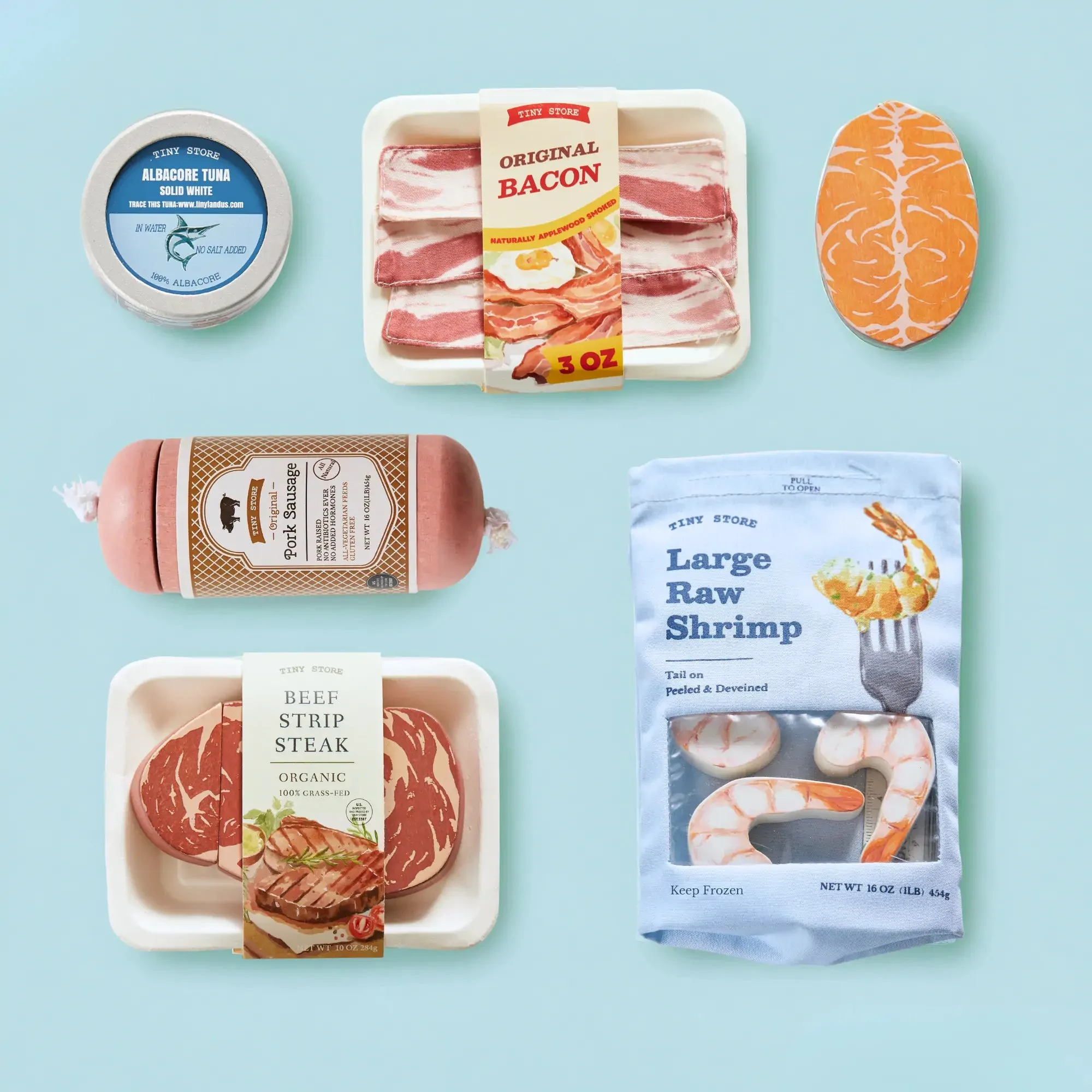
Indoor play kitchens excel at role-play and language development. Kids mimic cooking, serving, and organizing, often with wooden play food and accessories that support cutting, sorting, and pretend recipes. This type of play is easier to set up quickly and works in small slices of time, like before dinner or on a rainy afternoon.
Storage and Accessory Compatibility
Both setups need a home for play food, pots, and tools. Indoor kitchens often pair with a wooden cabinet refrigerator or storage shelves to keep accessories organized and within reach. Outdoor kitchens need weather-tolerant storage or a nearby bin, since wooden accessories shouldn't stay out in rain or snow.
If you already own wooden play food, check that it works for both settings. Cut-and-play food sets are typically fine indoors and can be carried outside for mud kitchen sessions, but you'll want to dry them thoroughly afterward to protect the wood.
Trade-Offs to Weigh Before You Buy
- Space vs. Convenience: A mud kitchen needs a dedicated outdoor spot with room for mess and water. An indoor play kitchen needs a corner or wall space but works in any weather. If you have a yard and don't mind cleanup, outdoor wins on play variety. If space is tight or weather is unpredictable, indoor is more reliable.
- Sensory Play vs. Contained Play: Mud kitchens offer water, mud, and sand for rich sensory input. Indoor kitchens offer dry pretend play with play food and accessories. Choose based on your child's sensory needs and your tolerance for mess, not on which looks better in photos.
- Storage and Maintenance: Outdoor kitchens and accessories need weather-aware storage and periodic cleaning. Indoor kitchens and wooden accessories stay cleaner but still need tidy-up routines. Plan where accessories will live before buying. A fridge or storage shelf helps indoors; a weatherproof bin helps outdoors.
Product Facts That Matter for This Choice
- Tiny Land® Mud Kitchen - DuoPlay Outdoor Play Kitchen for Kids: Tiny Land® Mud Kitchen - DuoPlay Outdoor Play Kitchen for Kids includes a 4L water tank with a real faucet and is designed for hands-on outdoor play. The built-in water source makes water play convenient outdoors, but it also means you'll manage water runoff and empty or drain the tank before freezing temperatures.
- Tiny Land® Outdoor Mud Kitchen & Sand Play Set: Tiny Land® Outdoor Mud Kitchen & Sand Play Set bundles a wooden mud kitchen with a water tank, faucet, sink, and cooking set plus a pastel sand toy set for sandbox or beach play. If you want one purchase that covers both mud and sand sensory play, this bundle reduces the need to buy separate sand toys, though it still requires outdoor space and weather-aware storage.
- Tiny Land® Play Kitchen Accessories – Play Kitchen Fridge: Wooden Cabinet Refrigerator for Kids: Tiny Land® Play Kitchen Accessories – Play Kitchen Fridge is a wooden cabinet-style refrigerator that provides extra storage space for play food, pots, and kitchen items. For an indoor play kitchen, this adds organization and realism, helping keep small accessories contained instead of scattered across the floor.
- Tiny Land® Play Kitchen Accessories – Play Food for Play Kitchen: Wooden Cut and Play Food Toys: Tiny Land® Play Kitchen Accessories – Play Food for Play Kitchen: Wooden Cut and Play Food Toys includes a kid-safe toy knife, cutting board, and a variety of fruits and vegetables. This set supports cutting and pretend-prep play indoors and can move outside for mud kitchen sessions, but wooden pieces should be dried after outdoor use.
Which Should You Choose?
Best for
- Families with a backyard, patio, or garden who want sensory, water, and mud play
- Kids who enjoy digging, pouring, and getting messy outdoors
- Households that can supervise outdoor play and manage cleanup
Not for
- Apartments or homes without outdoor space
- Families who want zero-mess, year-round play without weather concerns
- Anyone unwilling to store or cover wooden accessories during rain or freezing temperatures