Quick answer
Hand wash your MUD\WTR beanie in cool water with a gentle detergent, then press—never wring—the water out and lay it flat to dry. That routine protects the knit, prevents stretching, and keeps the fit snug. For a cuffed beanie, pay extra attention to the fold so it doesn't lose its shape.
Why beanie fabric changes after a few washes
Knit hats lose shape for two main reasons: heat and agitation. Hot water can shrink or distort fibers, while a spinning washing machine pulls the knit in directions it wasn't designed to stretch. Even a sturdy acrylic beanie can stretch out at the crown or cuff if it's treated like a T-shirt. The fix is simple: treat your beanie like a delicate, not like a load of towels.
What you'll need before you start
Gather a gentle detergent (baby shampoo or wool-safe wash works well), a clean sink or basin, a towel, and a flat drying rack. Avoid bleach, fabric softener, and anything with enzymes—they can break down fibers over time. If your beanie has a pom or a leather patch, check the label first; when in doubt, spot-clean only.
How often should you actually wash it?
Unless you've sweated in it heavily or spilled something on it, a beanie doesn't need washing after every wear. Airing it out overnight is often enough. Wash every 5–10 wears, or sooner if it starts to smell or feel stretched. Overwashing is a common mistake that dulls color and weakens the knit faster than wearing it does.
Step-by-step beanie washing and drying
- 1. Check the label and spot-test: Look for any care tag on your beanie. If there isn't one, test a small hidden area with your detergent solution first. Common mistake: assuming all knits wash the same—wool and acrylic blends behave differently. No label? Treat it as hand-wash only.
- 2. Fill a basin with cool water and gentle detergent: Use cool or lukewarm water—never hot. Add a small amount of gentle detergent and swirl it in. Common mistake: using too much soap, which leaves residue that attracts dirt. A teaspoon of detergent is usually enough for one hat.
- 3. Submerge and gently squeeze: Place the beanie in the water and gently squeeze it a few times so the solution moves through the fibers. Let it soak for 5–10 minutes. Common mistake: scrubbing or twisting the knit, which causes pilling and stretch. Think of it as bathing, not scrubbing.
- 4. Rinse with cool water until no suds remain: Drain the basin and refill with clean cool water. Press the beanie down to release soap, repeating until the water runs clear. Common mistake: rinsing under a running tap, which can distort the shape. Patience here prevents leftover detergent from stiffening the fibers.
- 5. Remove excess water without wringing: Lift the beanie and gently squeeze it between your palms. Then lay it on a clean towel, roll the towel up, and press to absorb more water. Common mistake: wringing it out like a rag—this is the fastest way to lose the shape. If it still feels heavy, repeat the towel press.
- 6. Reshape and dry flat: Lay the beanie flat on a drying rack, smoothing the crown and cuff back into shape. Keep it away from direct sunlight and radiators. Common mistake: hanging it to dry, which stretches the knit downward. Air-dry flat; never use a dryer.
- 7. Store folded, not hung: Once completely dry, fold the beanie and store it in a drawer or bin. Avoid hanging it on a hook for long periods, which can create a stretched spot. Common mistake: storing it damp, which invites mildew and odor. A dry, folded beanie is a ready-to-wear beanie.
MUD\WTR beanies at a glance
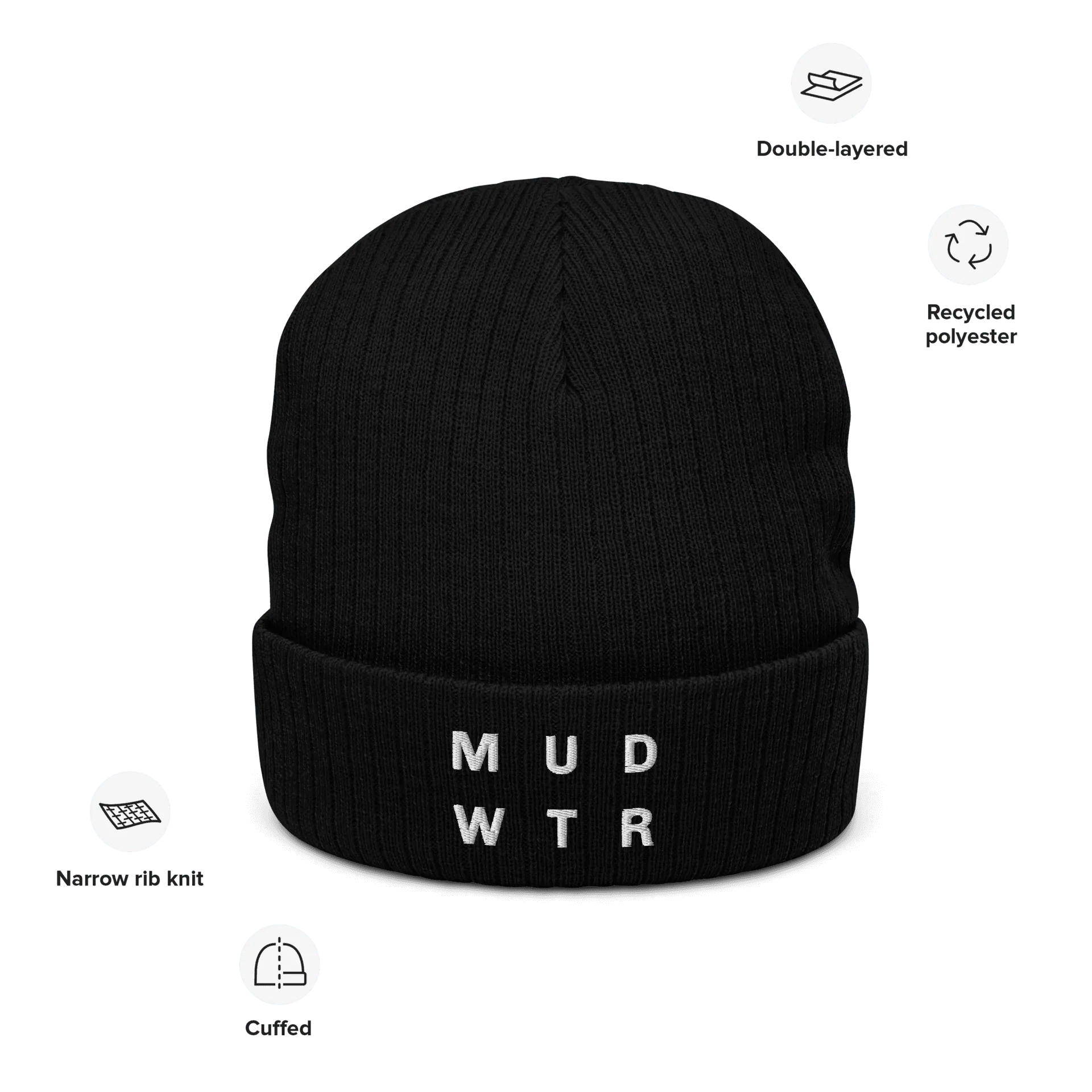
- MUD\WTR Beanie: Signature blend of premium wool, alpaca, and acrylic materials; 50% recycled polyester and 50% acrylic. Natural fibers like wool and alpaca need cooler water and gentler handling than pure synthetics, so hand washing is the safest choice for this beanie.
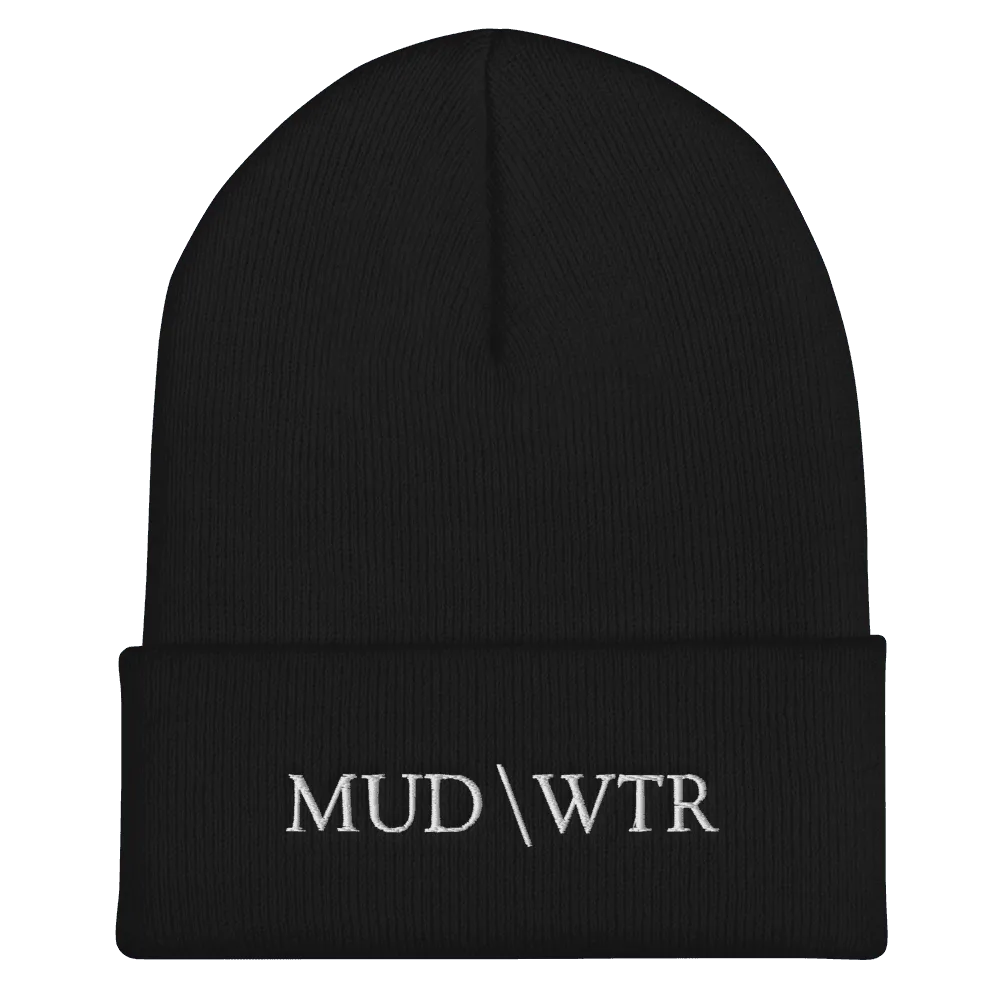
- Mud Cuffed Beanie: 100% Turbo Acrylic, 12 inches in length, hypoallergenic, unisex style. Acrylic is more forgiving and dries faster, but it can still stretch if wrung or machine-dried—so the same flat-dry method applies.