Choosing the right lighting can make or break your campsite experience. Whether you're after a festive glow or a focused beam, two popular options stand out: multi-colored globe lights and railroad lanterns. Each brings a distinct personality to your outdoor setup, but they serve very different purposes.
In this comparison, we'll break down the key differences in design, light output, battery life, and durability. By the end, you'll know exactly which one suits your camping style—and when you might want to bring both.
Design and Atmosphere
Multi-colored globe lights are all about ambiance. They typically feature a frosted glass or plastic globe that diffuses light softly, with a built-in color-changing mode that cycles through reds, blues, greens, and warm tones. This makes them ideal for creating a relaxed, party-like vibe around the picnic table or inside a tent. The light is gentle on the eyes and doesn't attract bugs as much as a stark white beam.
Railroad lanterns, on the other hand, are built for utility and nostalgia. Their classic metal and glass design mimics antique railway lanterns, often with a clear or amber lens that casts a focused, directional beam. They excel at task lighting—illuminating a cooking area, a trail marker, or a reading nook. If you want a sturdy, no-nonsense light that feels like a tool rather than a decoration, a railroad lantern is your pick.
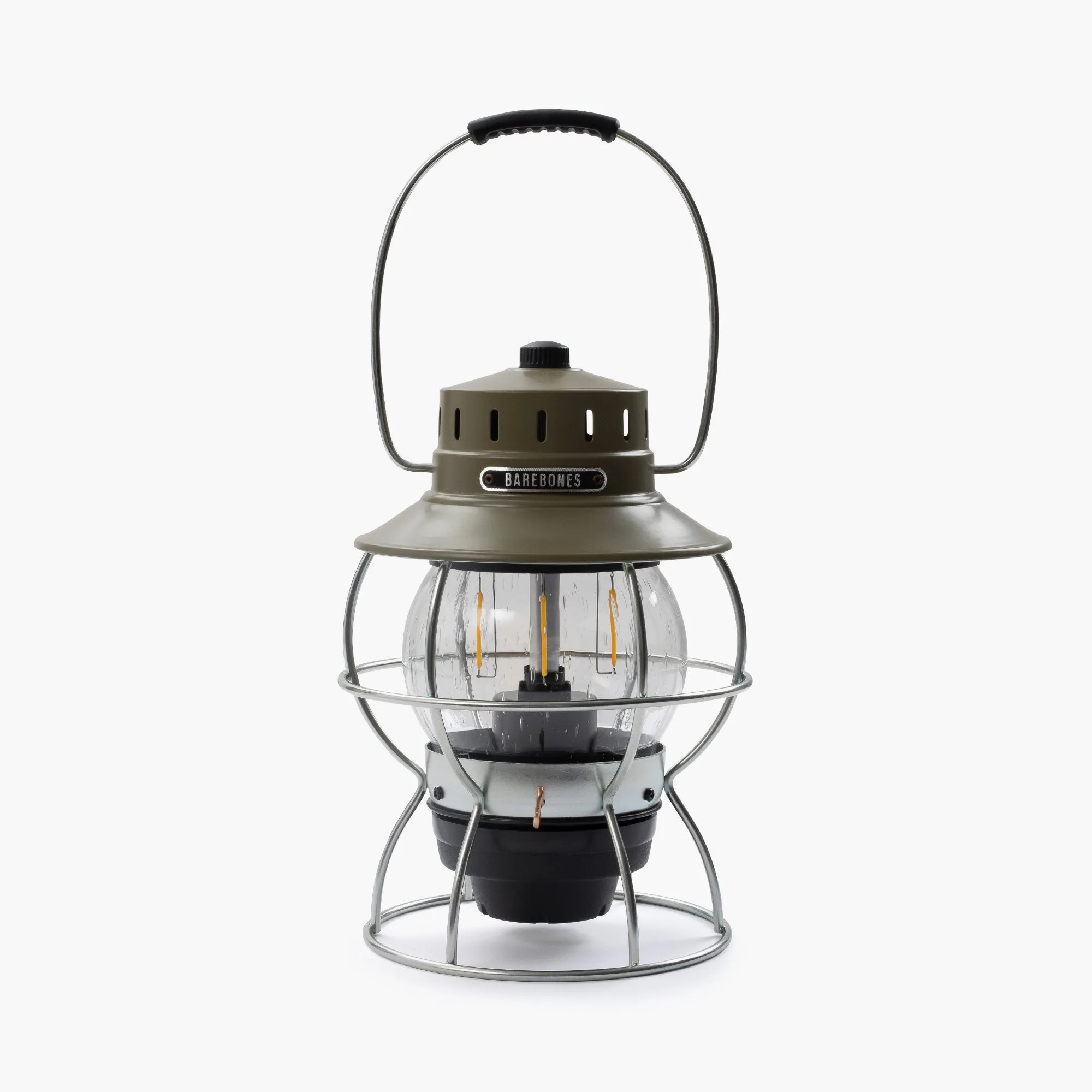
railroad lantern
- Globe lights: soft, diffused, color-changing for mood-setting
- Railroad lanterns: focused, directional beam for practical tasks
Brightness and Light Output
Brightness is measured in lumens, but how that light is delivered matters just as much. Multi-colored globe lights usually offer lower lumens (around 50-150) and spread light evenly in all directions. This is great for illuminating a small area without harsh shadows, but it won't cut through darkness at a distance. Many models also include a dimmer or multiple brightness levels to adjust the mood.
Railroad lanterns typically pack more punch—200 to 500 lumens or more—and concentrate that light through a lens. This gives you a longer throw and a clear hotspot. Some models feature a Fresnel lens that creates a sharp beam, perfect for spotting obstacles or reading a map. However, the narrower beam means you'll need to aim it where you need light, and it may not fill a large space evenly.
- Globe lights: wide dispersion, lower lumens, good for close-up ambiance
- Railroad lanterns: focused beam, higher lumens, better for distance and tasks
Battery Life and Power Options
Battery life varies widely, but there are general trends. Multi-colored globe lights often run on 3-6 AA batteries or have built-in rechargeable packs. Because they use lower-power LEDs and color modes, they can last 8-20 hours on a single set, depending on brightness. Some models also offer USB charging, which is convenient for car camping where you can top off during the day.
Railroad lanterns tend to be more power-hungry due to their higher output. Many use 4-6 D-cell batteries or large rechargeable lithium-ion packs. Run times range from 6-15 hours on high, but dropping to a lower setting can extend that significantly. A few premium models accept external battery packs or have solar charging options. If you're planning a multi-day trip without power access, consider carrying spare batteries or a lantern with a long low-mode runtime.
- Globe lights: moderate battery life, often USB-rechargeable
- Railroad lanterns: higher consumption, longer runtime on low, D-cell or Li-ion
Durability and Weather Resistance
Camping gear takes a beating, so build quality matters. Multi-colored globe lights are often made of plastic or thin glass, making them lighter but more fragile. Look for models with a rubber bumper or shatterproof globe if you expect rough handling. Most are splash-resistant (IPX4) but not submersible, so keep them out of heavy rain.
Railroad lanterns are built like tanks. Their metal housing (often steel or aluminum) and thick glass can withstand drops, bumps, and weather. Many have rubber gaskets and are rated IPX5 or higher, meaning they can handle rain and even brief immersion. If you camp in rugged conditions or near water, a railroad lantern is the more reliable choice.
- Globe lights: lighter, more fragile, splash-resistant
- Railroad lanterns: heavy-duty metal construction, weather-sealed, drop-resistant
Which One Should You Choose?
Your decision comes down to your primary use. If you're hosting a group campsite, want to decorate your tent or picnic area, or prefer a relaxing glow over harsh light, a multi-colored globe light is the way to go. It's also a great choice for family camping where kids enjoy the color-changing modes.
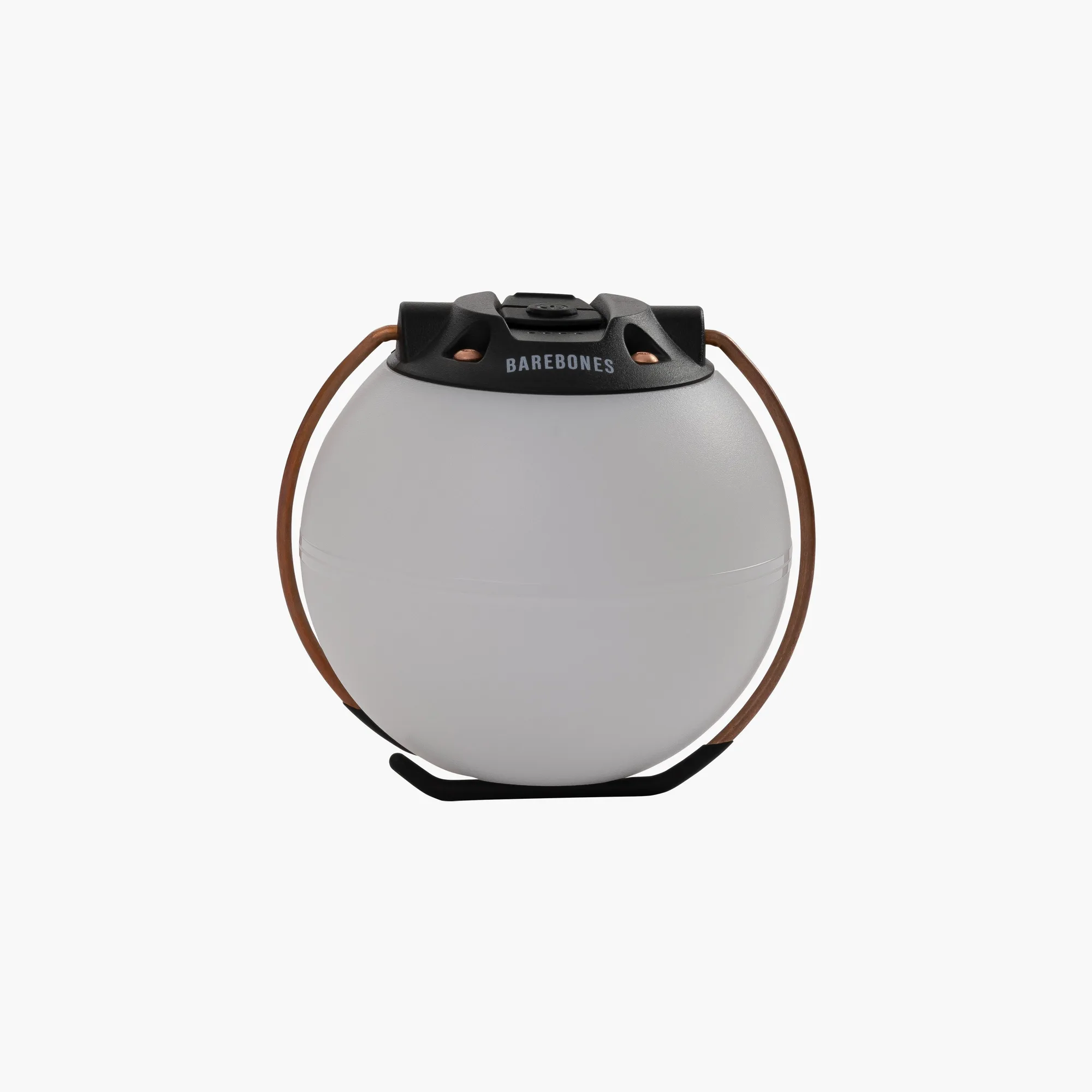
multi-colored globe light
If you need a dependable work light for cooking, navigating after dark, or signaling, a railroad lantern is more practical. Its focused beam and rugged build make it a tool you can rely on for years. Many campers actually carry both: a globe light for the common area and a railroad lantern for tasks. For instance, you might pair the Edison Mini Lantern with a sturdy railroad lantern for a versatile setup.
- Choose globe light for ambiance, parties, and soft illumination
- Choose railroad lantern for task lighting, durability, and long throw
- Consider owning both for a complete campsite lighting system
Both multi-colored globe lights and railroad lanterns have their place in outdoor lighting. The best choice depends on whether you prioritize atmosphere or utility. For most campers, a combination of the two provides the flexibility to handle any situation—from a cozy dinner under the stars to late-night camp chores.