Bath time is more than just a daily hygiene routine—it’s a golden opportunity to nurture your baby’s growing brain and senses. A multi-sensory bath engages sight, sound, touch, smell, and even taste (safely!) to create a rich learning environment. By intentionally incorporating sensory play into warm, soothing water, you can support your little one’s cognitive development, motor skills, and emotional bonding.
In this guide, we’ll explore the science behind sensory stimulation during baths, share simple activities for each age stage, and recommend gentle, baby-safe products to make every bath a multi-sensory adventure. Whether you have a newborn or a curious toddler, these tips will transform bath time into a developmental powerhouse.
Why Multi-Sensory Baths Matter for Baby Development
From birth, babies learn about the world through their senses. A multi-sensory bath deliberately activates multiple senses at once, strengthening neural connections in the brain. Research shows that repeated sensory experiences help build pathways for language, memory, and problem-solving. Water itself is a sensory-rich medium—its temperature, movement, and sound provide constant feedback.
Beyond cognitive gains, sensory baths encourage physical development. Reaching for floating toys builds hand-eye coordination, splashing strengthens arm muscles, and kicking water develops leg strength. Emotionally, the close contact and gentle touch during bath time release oxytocin, the bonding hormone, fostering a sense of security and trust. By making bath time a multi-sensory event, you’re giving your baby a head start in every developmental domain.
- Supports brain development by creating new neural pathways
- Enhances motor skills through reaching, grasping, and splashing
- Strengthens parent-child bonding through eye contact and gentle touch
- Encourages early language skills as you narrate the experience
Setting Up a Safe and Stimulating Multi-Sensory Bath Environment
Before diving into activities, ensure the bath environment is safe, warm, and calm. The ideal water temperature is around 37°C (98.6°F)—test with your elbow or a bath thermometer. Keep the room comfortably warm to prevent chills. Use a non-slip bath mat and never leave your baby unattended, even for a second.
To engage the senses, dim the lights slightly and add a soft, waterproof toy or two. For auditory stimulation, sing a gentle song or play quiet classical music. Aromatherapy can be introduced safely by using a few drops of lavender essential oil in a diffuser placed away from the baby (never directly in the water). For touch, use a soft washcloth or a gentle bath mitt. The key is to keep stimuli gentle—overstimulation can overwhelm a baby, so watch for cues like turning away or fussing.
- Always test water temperature before placing baby in the bath
- Limit bath time to 5–10 minutes for newborns, up to 15 minutes for older babies
- Choose unscented or naturally scented products to avoid skin irritation
- Have all supplies within arm’s reach so you never leave the baby
Sensory Bath Activities by Age
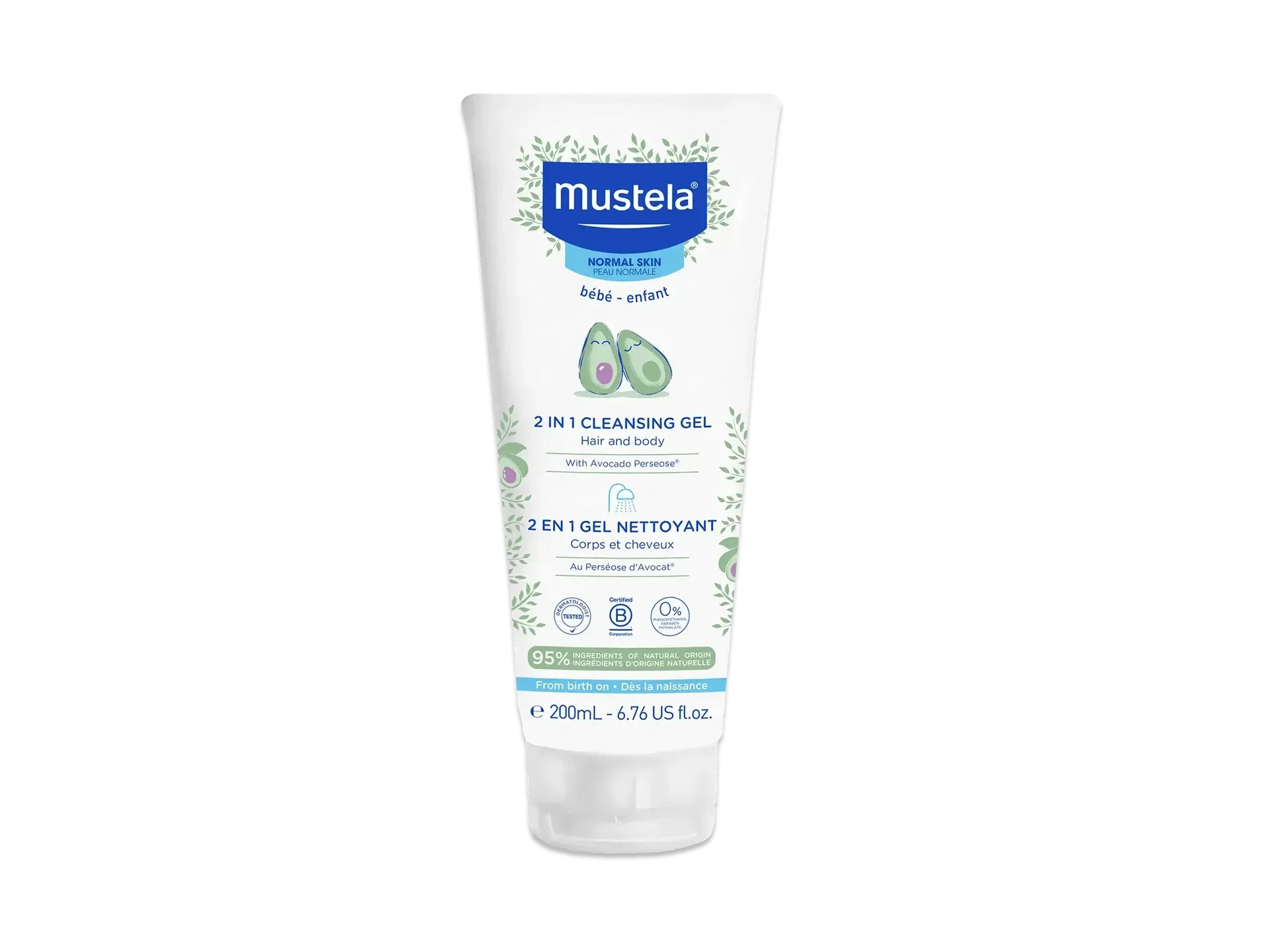
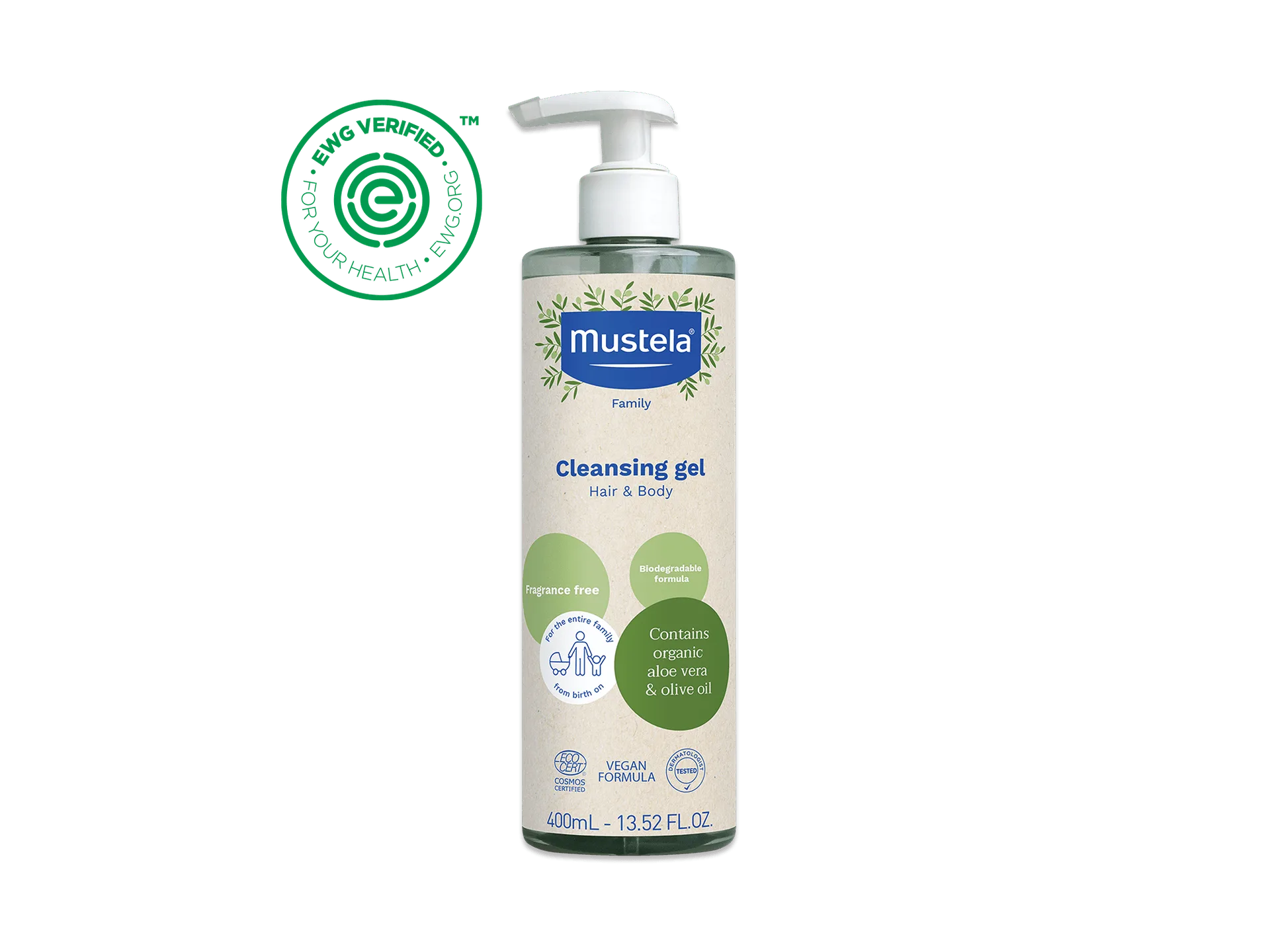
Newborns (0–3 months): At this age, focus on gentle tactile and auditory stimulation. Swaddle your baby in a soft towel before lowering them into warm water. Use a cup to pour water gently over their tummy, narrating the sensation: “Feel the warm water on your belly.” Sing a lullaby or hum softly. A simple, unscented bath product like the Gentle Cleansing Gel is perfect—it’s soap-free and won’t disrupt your baby’s delicate skin barrier.
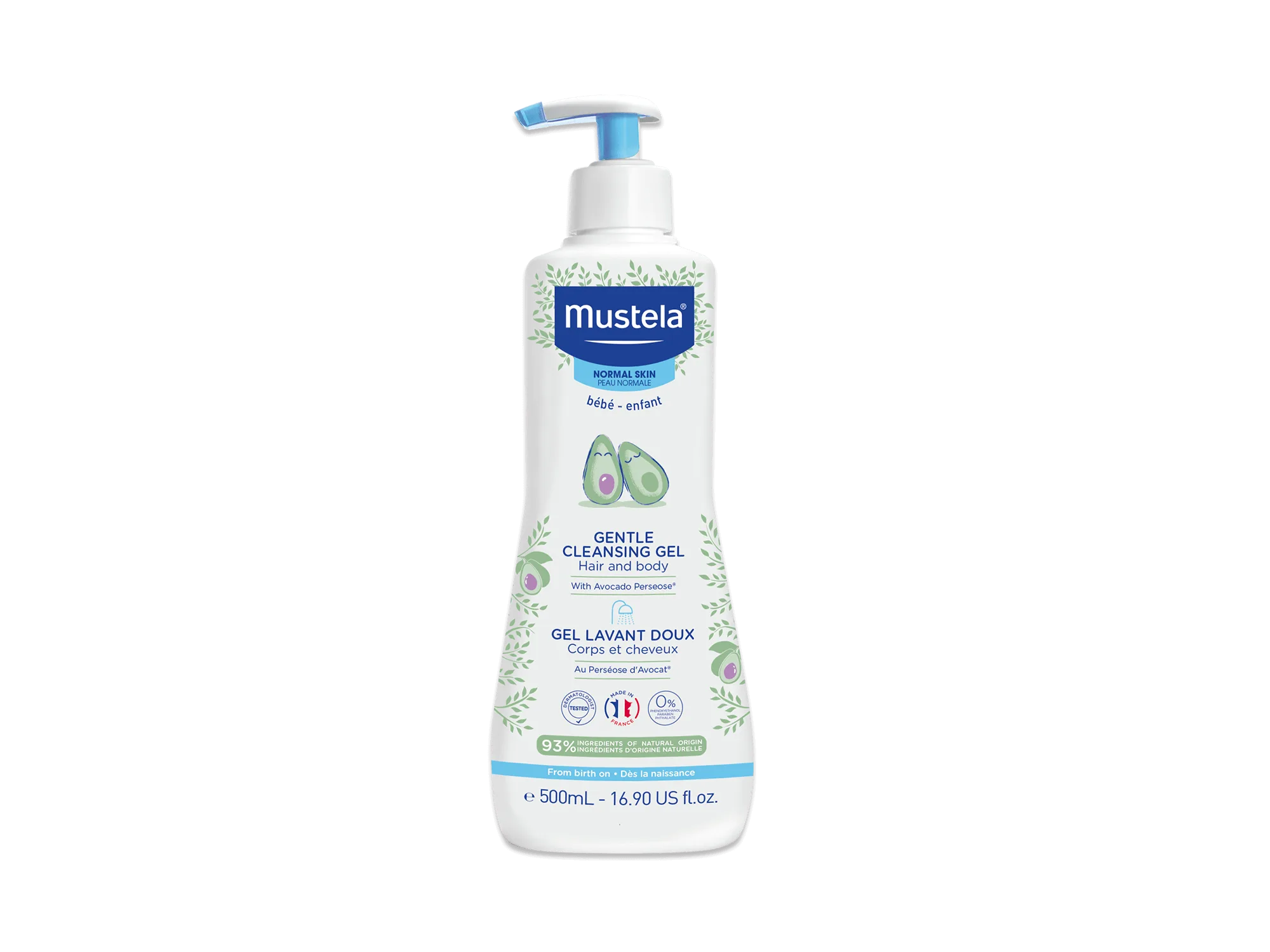
Gentle Cleansing Gel
Older Babies (3–6 months): As your baby gains head control, introduce a few floating bath toys. Choose toys with different textures—smooth, bumpy, or squeaky. Let your baby grasp and mouth them (ensure they are BPA-free and easy to clean). You can also place a small, waterproof mirror on the side of the tub to spark visual interest. The Soothing Cleansing Gel is an excellent choice for this age, as its gentle formula cleanses without drying and its mild scent adds a calming olfactory layer.
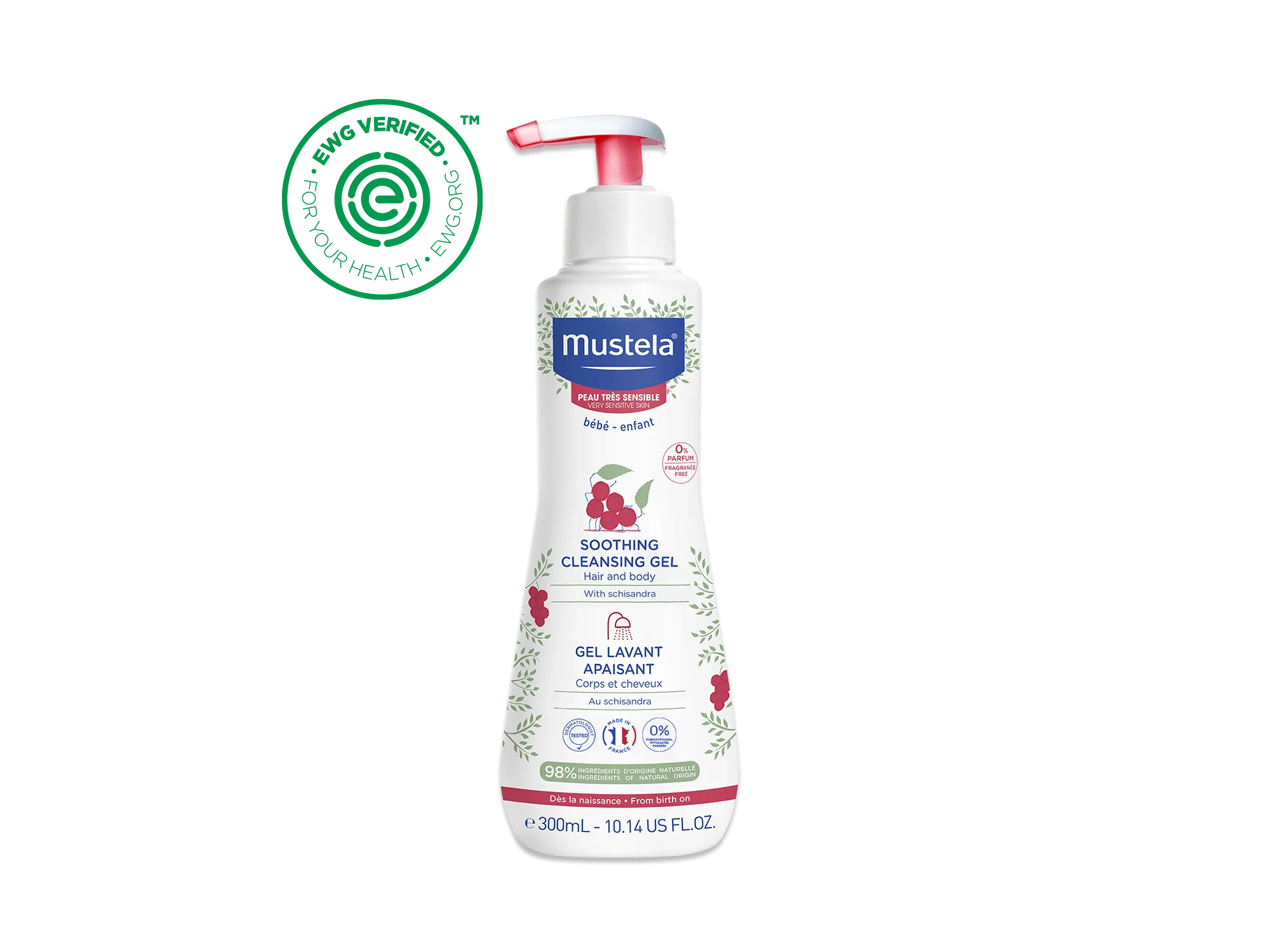
Soothing Cleansing Gel
Toddlers (6–12 months): Now it’s time for active play. Offer stacking cups, a small sieve, or a water wheel. Let your baby scoop, pour, and watch water flow. This develops fine motor skills and introduces cause-and-effect. You can also add a few drops of natural food coloring to the water (with supervision) to teach color recognition. After the bath, pat dry with a soft hooded towel and apply a moisturizer like the Hydra Bebe Body Lotion to lock in hydration and soothe the skin.
- For newborns: gentle pouring and singing
- For 3–6 months: textured toys and mirror play
- For 6–12 months: pouring, stacking, and color exploration
- Always supervise water play, even with just an inch of water
Choosing Baby-Safe Products for Multi-Sensory Baths
The products you use during bath time should support sensory exploration without compromising your baby’s health. Avoid harsh soaps, sulfates, parabens, and artificial fragrances that can irritate sensitive skin or interfere with natural scent perception. Instead, opt for dermatologist-tested, plant-based formulas designed for delicate baby skin.
For cleansing, the Gentle Cleansing Gel is a standout—it’s soap-free, pH-balanced, and enriched with natural avocado extract to protect the skin’s microbiome while providing a gentle, sensory-friendly lather. For added comfort during diaper changes after bath, the Diaper Rash Cream 1 2 3 creates a protective barrier with zinc oxide, preventing irritation from moisture. And for daily hydration that feels silky and non-greasy, the Hydra Bebe Body Lotion absorbs quickly and leaves skin soft, making it ideal for a post-bath massage that enhances touch-based sensory bonding.
- Look for products labeled “soap-free” and “fragrance-free” or with natural scents
- Avoid dyes and essential oils that may cause allergic reactions
- Choose creams and lotions with simple, recognizable ingredients
- Always patch-test a new product on a small area of skin first
Making Bath Time a Consistent Sensory Ritual
Consistency helps babies feel secure and enhances learning. Try to schedule baths at the same time each day, ideally before bedtime, as the warm water and sensory play can be calming and signal that sleep is coming. Keep the routine predictable: undress, gentle water play, cleanse with a mild product, rinse, pat dry, and apply lotion. Over time, your baby will associate these steps with relaxation and bonding.
Involve your baby in the process by narrating each step: “Now we’re washing your toes—one, two, three!” This builds language skills and reinforces the sensory experience. Rotate toys and activities every few weeks to maintain novelty and keep your baby engaged. Remember, the goal is not perfection but connection—if your baby is tired or fussy, shorten the bath and focus on gentle touch.
- Keep bath time at a consistent time, ideally 30 minutes before sleep
- Use the same products each time to create familiar scents and textures
- Limit distractions—turn off the TV and put away your phone
- End with a gentle massage using a moisturizing lotion to enhance bonding
Multi-sensory baths are a simple yet powerful way to support your baby’s development while deepening your bond. By thoughtfully incorporating sight, sound, touch, and even smell into bath time, you create a rich learning environment that feels like play. Start with a few gentle activities and adjust based on your baby’s cues. For a safe, soothing foundation, explore the Gentle Cleansing Gel and Hydra Bebe Body Lotion—both designed to nurture your baby’s skin and senses every step of the way.