Quick answer
Choose a wall mural if you want a seamless, artwork-like focal point with minimal seams. Choose wallpaper panels if you prefer flexibility in sizing, easier installation, and the ability to mix patterns. For most feature walls, panels offer practical advantages, but murals deliver a dramatic, uninterrupted visual.
When you're planning a large-scale wallcovering, the choice often comes down to a single-piece mural versus traditional wallpaper panels. Both can transform a room, but they differ significantly in installation, design flexibility, and cost. Understanding these differences helps you pick the option that fits your space and DIY skill level.
In this comparison, we'll break down the trade-offs between murals and panels, using real product examples to illustrate key points. Whether you're aiming for a serene botanical backdrop or a playful kids' room, this guide will clarify which approach suits your project.
between
What Are Mural Wallpapers?
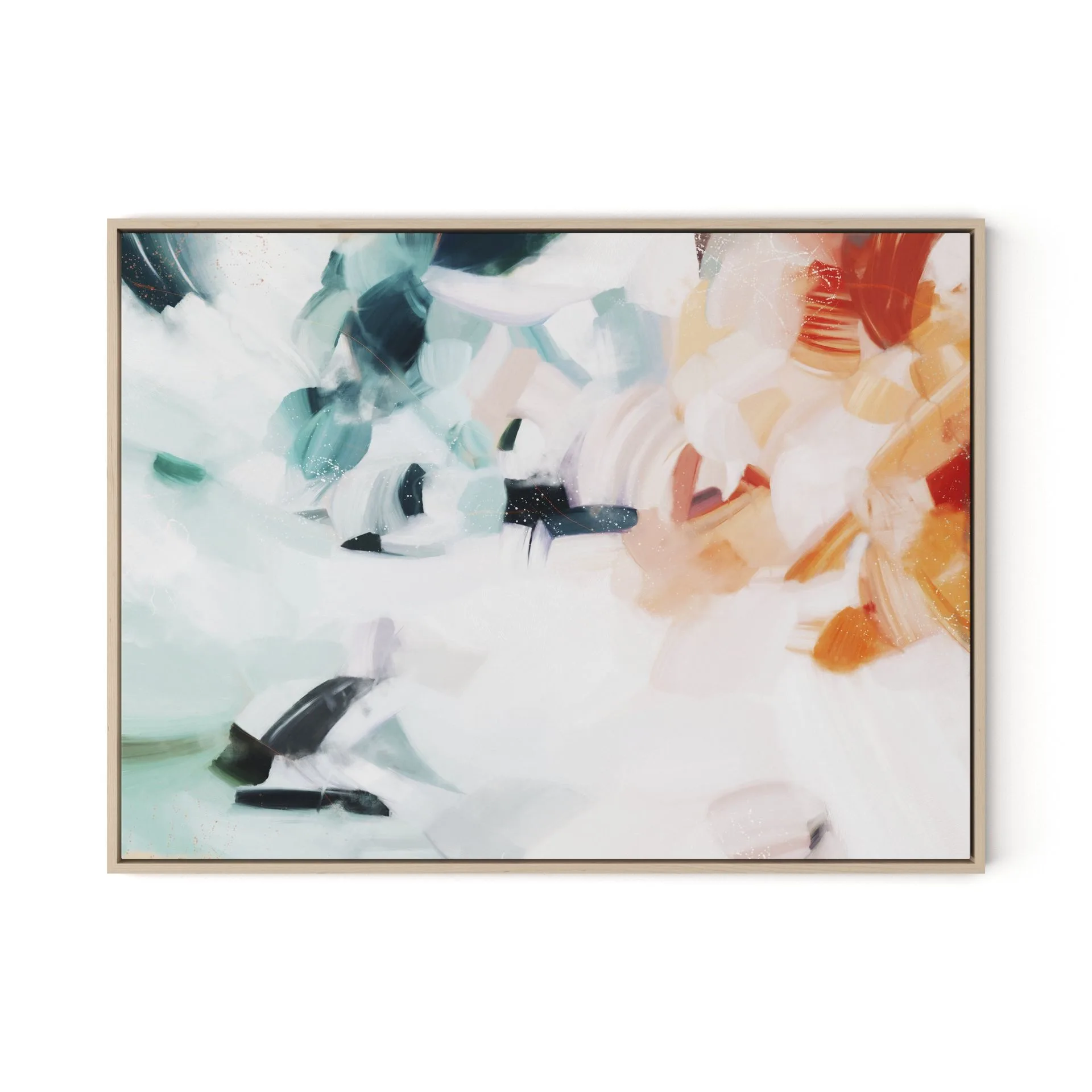
Mural wallpapers are designed as a single continuous image that spans across multiple panels or is printed as one large sheet. They create a seamless, artwork-like effect, making them ideal for feature walls where you want a bold, immersive statement. Because the image is continuous, there are no visible pattern repeats, and the design flows naturally across the wall.
Installation of a mural typically requires careful alignment of panels or precise handling of a large sheet. This can be more challenging than hanging standard wallpaper panels, especially for DIYers. However, the result is a stunning, gallery-quality look that's hard to achieve with repeating panels.
- Best for creating a focal point in living rooms, bedrooms, or offices.
- Ideal when you want a specific scene or artwork, like a landscape or botanical illustration.
What Are Wallpaper Panels?
Wallpaper panels are pre-cut, manageable sections that you hang side by side. They come in standard sizes, such as 2 ft x 3 ft, 2 ft x 6 ft, 2 ft x 9 ft, and 2 ft x 12 ft, making them easier to handle and install. Panels often feature a repeating pattern, which simplifies matching and reduces waste.
Panels offer more flexibility: you can cover a single wall, a partial wall, or even create a wainscoting effect. They are also easier to replace if a section gets damaged. For most rooms, panels are the more practical choice, especially if you're new to wallpapering.
- Easier to install solo, with less risk of misalignment.
- Available in a range of sizes to fit different wall dimensions.
Installation: Mural vs Panels
Mural installation demands precision. You must align the panels or position the large sheet perfectly, which often requires two people. Any mistake can ruin the seamless effect. Panels, on the other hand, are more forgiving—each panel is independent, so you can adjust as you go.
If you're a DIY enthusiast, panels are the safer bet. For a professional installer, a mural is a manageable challenge. Consider your skill level and the complexity of the wall (e.g., corners, windows) before deciding.
- For murals, use a laser level and measure twice before cutting.
- For panels, start from the most visible corner and work outward.
Design Flexibility and Mixing
Murals are a single, fixed design—you get the whole scene or nothing. Panels, however, can be mixed and matched. You can combine different patterns from the same collection or use panels to create a custom layout. This flexibility is a major advantage if you want a cohesive but varied look.
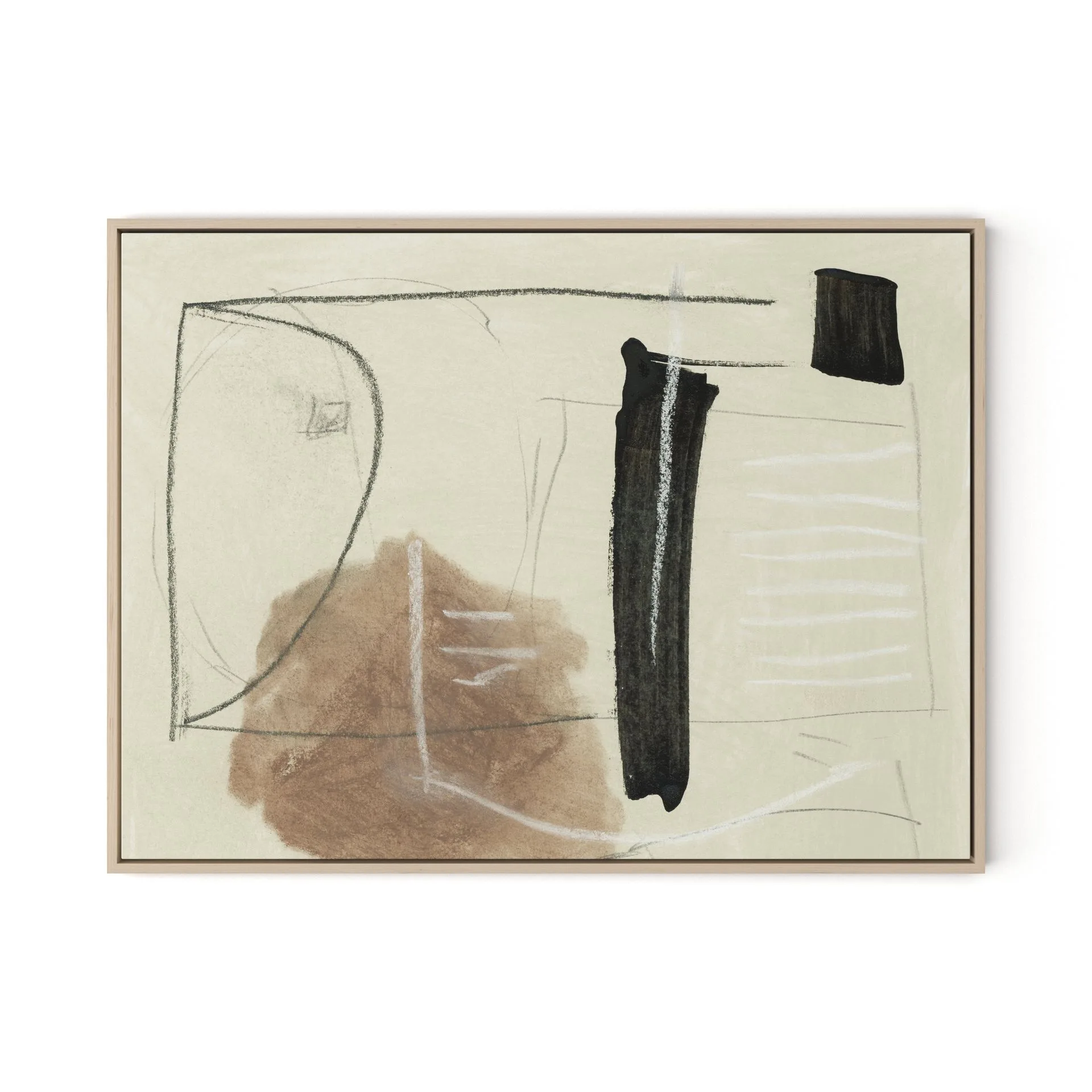
combine
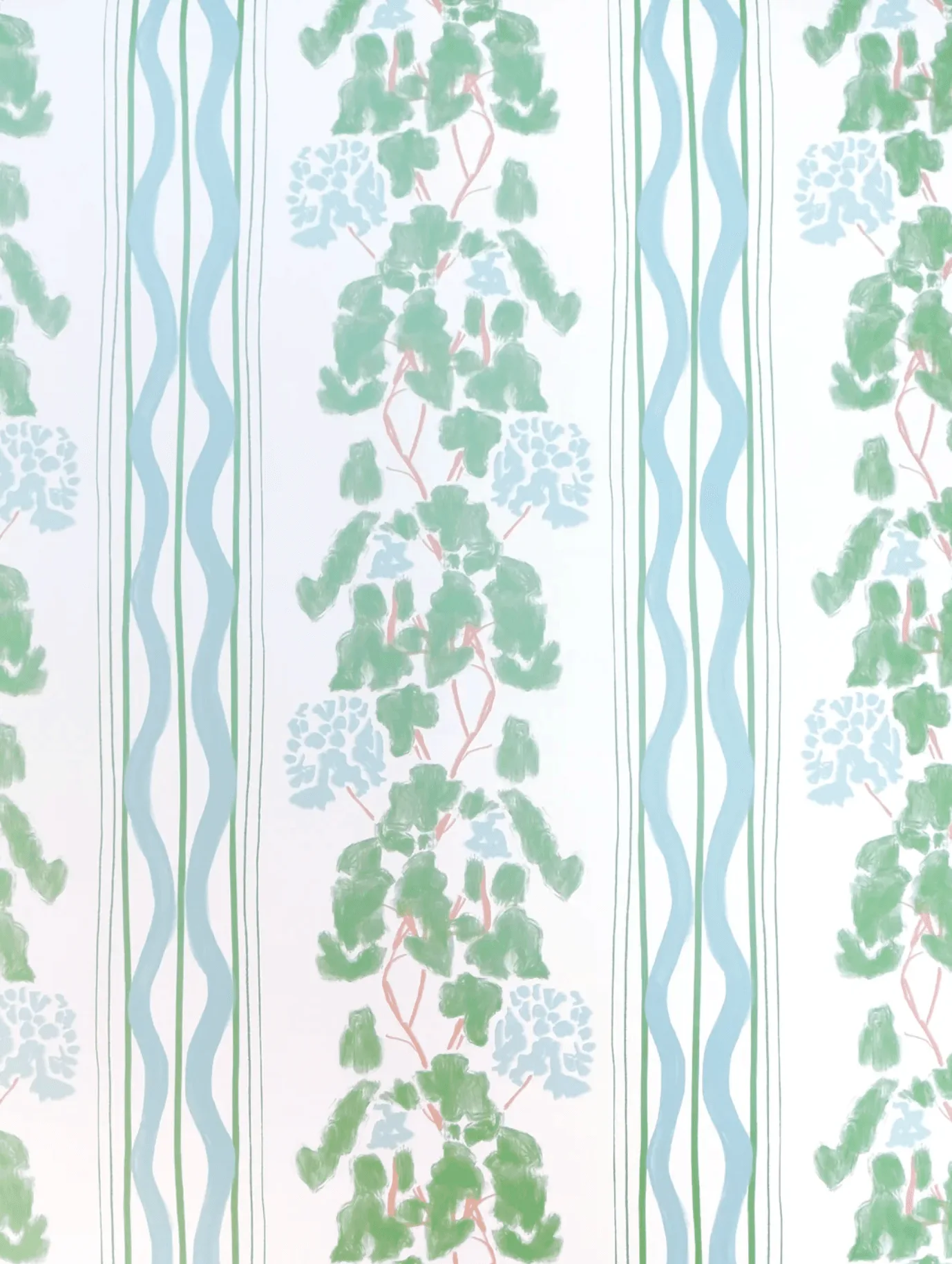
For example, you might pair a subtle patterned panel like the 'Libba - Blue Green' with a bolder accent panel. Or use 'Katherine - Dusty Blue' panels on one wall and a different pattern on another. Panels let you experiment without committing to a full mural.
- Mix panels from the same collection for a coordinated look.
- Use panels to create a border or a two-tone effect.
Trade-Offs at a Glance
- Seamless visual vs. visible seams: Murals offer a continuous image with no pattern repeats, creating a flawless look. Panels have visible seams between each piece, which can be minimized with careful matching. If a flawless, artwork-like wall is your priority, a mural is worth the extra effort.
- Installation complexity vs. ease: Murals require precise alignment and often two people. Panels are more forgiving and can be installed solo, especially with smaller sizes. For DIYers, panels reduce the risk of costly mistakes.
- Design flexibility vs. single statement: Panels allow you to mix patterns and sizes, creating a custom look. Murals lock you into one design, which may limit future changes. If you like to change décor often, panels offer more versatility.
Catalog-Backed Product Facts
- Libba - Blue Green: Available in multiple sizes: 2 ft x 3 ft, 2 ft x 6 ft, 2 ft x 9 ft, and 2 ft x 12 ft. These panel sizes let you cover walls of different heights without excessive trimming, making installation straightforward.
- Katherine - Dusty Blue: Part of the Lulie Wallace collection, known for its refined, understated elegance. This panel offers a subtle, versatile backdrop that pairs well with other patterns, giving you design flexibility.
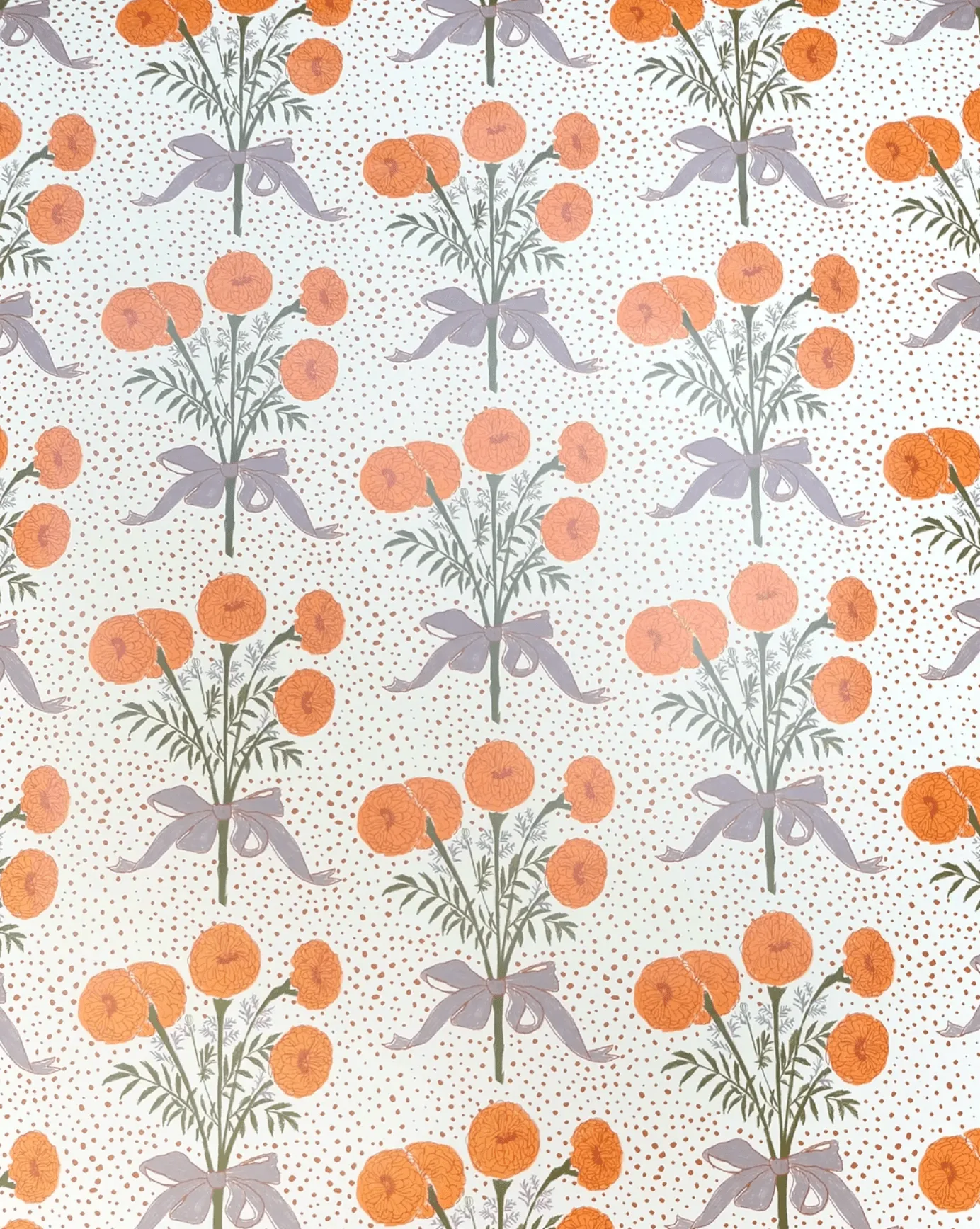
- Jaal: Inspired by vibrant block-print markets, celebrating South Asian artistry. If you're drawn to cultural patterns, this panel brings a handcrafted feel that can serve as a mural-like statement when used across a feature wall.
Which Should You Choose?
Best for
- Homeowners who want a dramatic, seamless focal point and are willing to hire a professional installer.
- Spaces like living rooms or bedrooms where a single, immersive artwork is the goal.
Not for
- DIY beginners or those on a tight budget who need a simpler, more forgiving installation.
- Renters or anyone who may want to update the wall design frequently, since panels are easier to remove and replace.
Both mural wallpaper and wallpaper panels have their place. If you're after a show-stopping, seamless look and can handle the installation, a mural is your pick. For most projects, though, panels offer practicality, flexibility, and easier upkeep—making them the smarter choice for many homeowners. Consider your skill level, design goals, and budget to make the right call for your space.