If you've been hearing about mushroom coffee and wondering what all the buzz is about, you're not alone. More people are swapping their morning jitters for steady, focused energy by adding functional mushrooms to their daily brew. But if you're new to adaptogen coffee, the idea of blending mushrooms into your morning cup might sound strange. The truth is, mushroom coffee isn't about eating whole mushrooms in your mug—it's about using powdered extracts from medicinal mushrooms like lion's mane, chaga, and reishi to support your body and mind without the harsh side effects of caffeine.
This guide is designed for absolute beginners. We'll cover what mushroom coffee actually is, how it tastes, what benefits you can expect, and how to choose the right product for your lifestyle. Whether you're looking to reduce anxiety, improve focus, or simply cut back on caffeine, this mushroom coffee for beginners guide will help you make an informed first step.
What Is Mushroom Coffee?
Mushroom coffee is a blend of ground coffee beans and powdered medicinal mushrooms. Unlike the mushrooms you find in your grocery store, these are functional mushrooms known for their adaptogenic properties—they help the body adapt to stress and promote balance. Common varieties include lion's mane for cognitive clarity, chaga for immune support, reishi for relaxation, and cordyceps for energy. The mushrooms are usually hot-water extracted to concentrate their beneficial compounds, then dried and ground into a fine powder that mixes seamlessly with coffee.
The result is a beverage that offers a smoother, longer-lasting energy boost compared to regular coffee. Because adaptogens work with your body's natural stress response, you're less likely to experience the jitters or afternoon crash. Brands like MUD\WTR have popularized this category by creating blends that combine organic coffee with carefully sourced mushroom extracts, making it easy for anyone to start their adaptogen journey without guesswork.
- Mushroom coffee contains adaptogens that help regulate cortisol and promote calm focus.
- Most blends use dual-extracted mushroom powders for maximum bioavailability.
- You can use it just like regular coffee—brewed, mixed with hot water, or blended into lattes.
How Does Mushroom Coffee Taste?
One of the biggest concerns for beginners is taste. The good news is that mushroom coffee doesn't taste like a forest floor. High-quality blends are designed to be smooth, earthy, and slightly nutty, with minimal mushroom flavor. The coffee itself still shines through, especially if you choose a blend with robust beans. Some people describe the flavor as similar to a mild, dark roast with a velvety texture. If you're used to drinking black coffee, you'll likely find mushroom coffee quite palatable. If you prefer creamier drinks, adding a splash of milk or a natural sweetener can enhance the experience.
For those who want to ease into the taste, starting with a flavored option like Hot Chocolate can be a gentle introduction. This product combines the richness of cacao with functional mushrooms, making it a delicious alternative for anyone who finds plain coffee too bitter. You can also experiment with add-ins like coconut creamer or a touch of honey to customize your cup. Over time, many people grow to appreciate the subtle earthy notes as part of their morning ritual.

Hot Chocolate
- Try adding a splash of oat milk or a dash of cinnamon to mellow the flavor.
- Start with a flavored blend like Hot Chocolate if you're sensitive to earthy tastes.
- Use a frother to create a creamy latte texture that masks any mushroom aftertaste.
What Benefits Can Beginners Expect?
When you first switch to mushroom coffee, the most noticeable change is often in your energy levels. Instead of a sharp spike followed by a crash, you'll experience a gentle, sustained lift that can last for hours. This is because adaptogens like lion's mane and cordyceps support cognitive function and physical stamina without overstimulating your nervous system. Many beginners report feeling more focused and less anxious, especially during the mid-morning slump.
Over time, regular consumption can support immune health, reduce inflammation, and improve sleep quality. Reishi, for instance, is known for its calming effects and can help you wind down at the end of the day. For beginners, it's best to start with a blend that includes a variety of mushrooms to experience a broad range of benefits. The Original (30 serving) is a popular entry point because it combines lion's mane, chaga, reishi, and cordyceps in one balanced formula. Consistency is key—most people notice the best results after two to four weeks of daily use.

Original (30 serving)
- Expect smoother energy without jitters or crashes.
- Improved focus and mental clarity are common within the first week.
- Immune and stress benefits build over time with regular use.
How to Choose the Right Mushroom Coffee for You
With so many options on the market, choosing the right product can feel overwhelming. Start by considering your primary goal. If you want better focus and productivity, look for blends high in lion's mane and cordyceps. If stress relief and sleep are your priorities, reishi and ashwagandha are excellent additions. For immune support, chaga and turkey tail are top choices. Many beginners prefer an all-in-one blend that covers multiple bases, making it easier to establish a routine without buying separate powders.
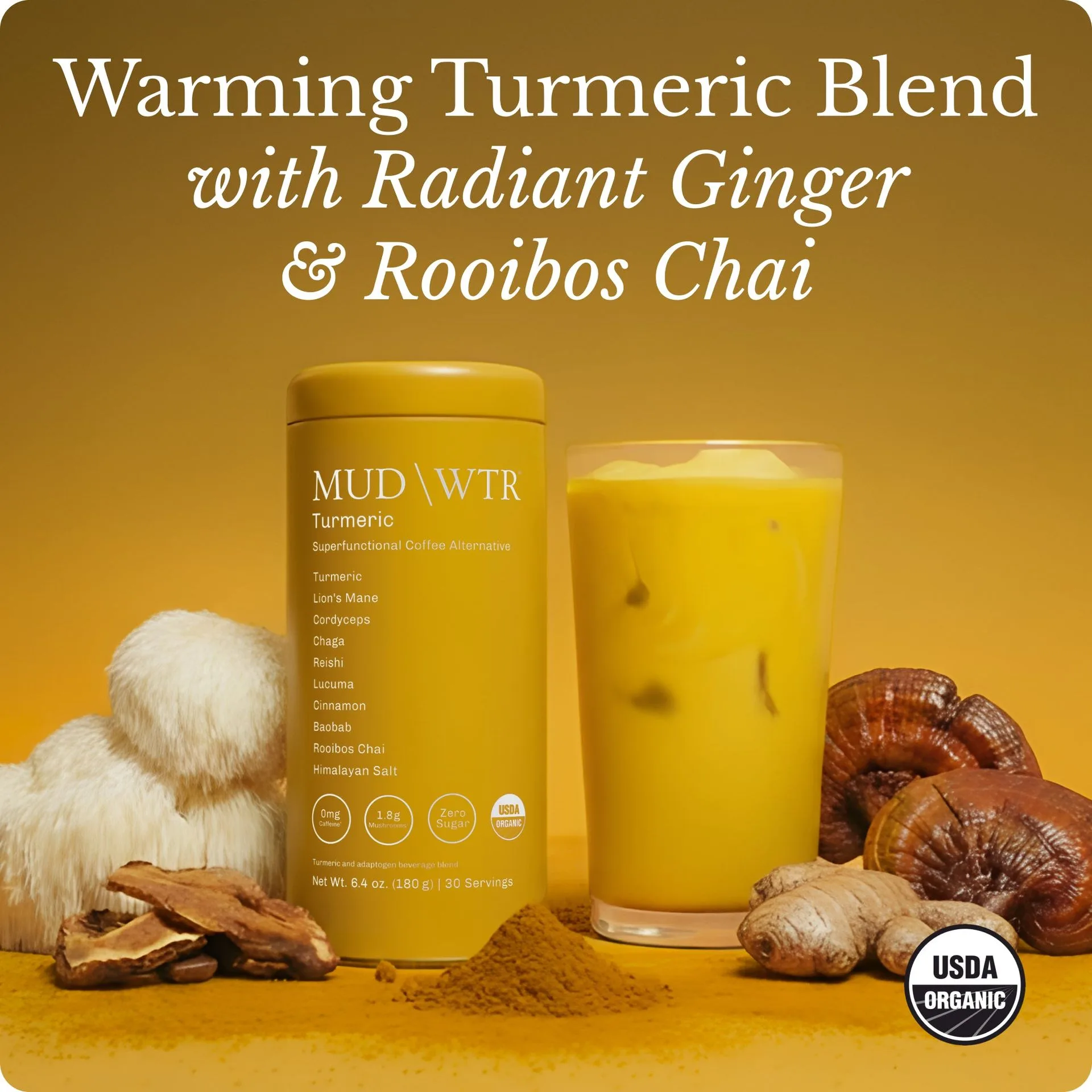
Another factor is convenience. If you're always on the go, stick packs or sachets are a lifesaver. You can simply stir them into hot water or your favorite milk for a quick cup. For those who want to customize their experience, a starter kit allows you to sample different flavors and blends before committing to a larger size. The Turmeric Starter Kit is a great option for beginners who want to explore a warm, spiced variation that also supports joint health and digestion. Pay attention to serving sizes and ingredient transparency—choose brands that clearly list mushroom species and extraction methods.
- Match your blend to your goals: focus, calm, immune, or all-around.
- Consider convenience: stick packs for travel, jars for home use.
- Read labels to ensure you're getting real mushroom extracts, not myceliated grains.
Tips for Your First Week with Mushroom Coffee
Starting anything new can be intimidating, but mushroom coffee is easy to incorporate into your existing routine. Begin by replacing just one cup of regular coffee with a mushroom blend. This allows your body to adjust to the lower caffeine content and the new adaptogens. Drink it black or with a splash of milk to get a true sense of the flavor. If you enjoy it, gradually increase to two cups per day, but avoid drinking it late in the afternoon to prevent any sleep disruption.
Hydration is important—adaptogens work best when you're well-hydrated, so drink plenty of water throughout the day. You might also notice that your caffeine tolerance changes; some people find they need less coffee overall because the energy from mushroom coffee is more efficient. Keep a journal of how you feel each day—many beginners are surprised by the subtle but positive shifts in mood, focus, and energy. And don't be afraid to experiment with recipes: blend it into smoothies, use it in baking, or create a cozy latte with your favorite milk.
- Start with one cup per day and observe how your body responds.
- Stay hydrated to maximize adaptogen benefits.
- Try different preparation methods to find your favorite ritual.
Mushroom coffee is more than a trend—it's a practical, science-backed way to upgrade your morning routine. Whether you're seeking calm focus, immune support, or a gentler energy lift, there's a blend that fits your needs. Ready to take the first step? Explore the Original (30 serving) to experience a balanced blend of lion's mane, chaga, reishi, and cordyceps that makes starting your adaptogen journey simple and delicious.