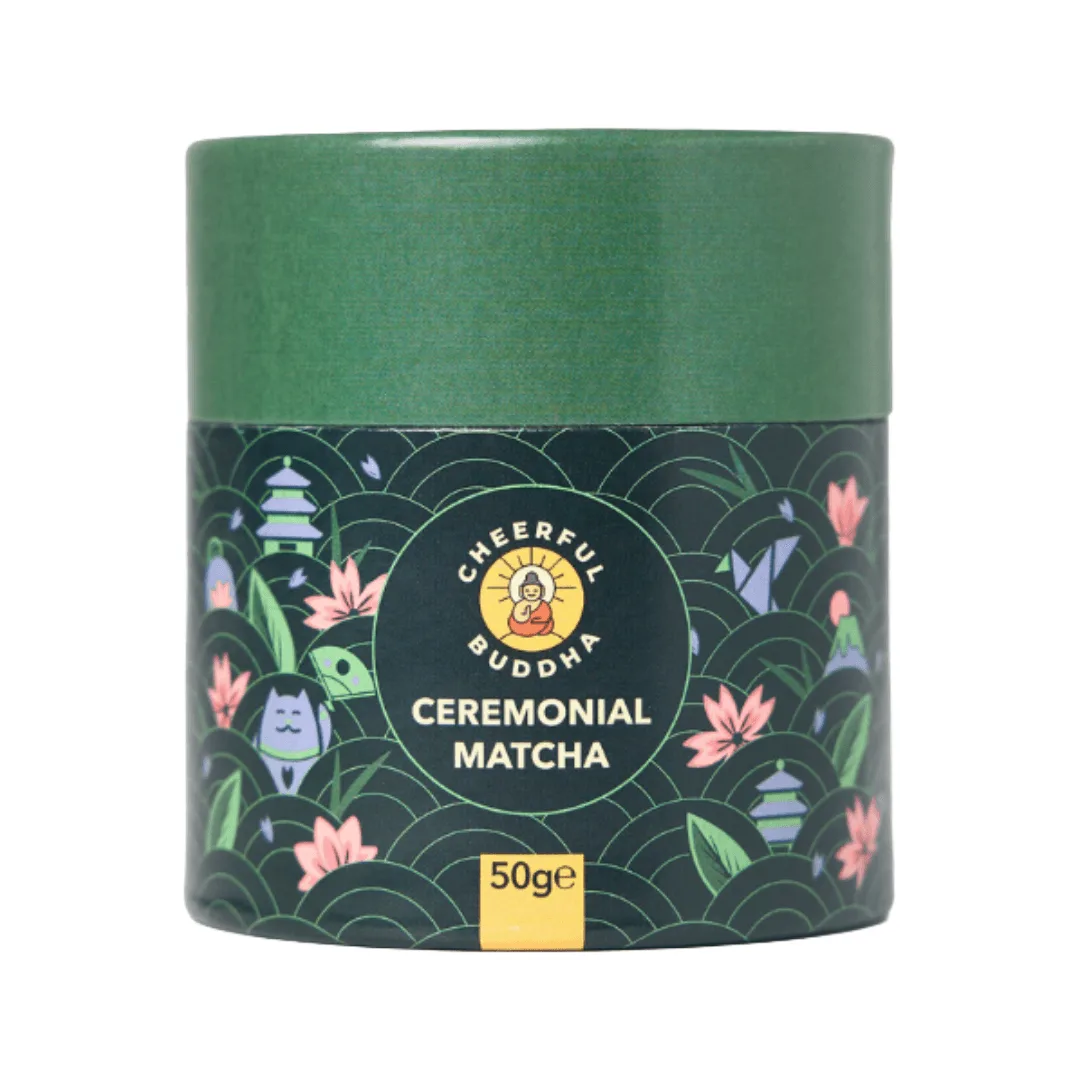
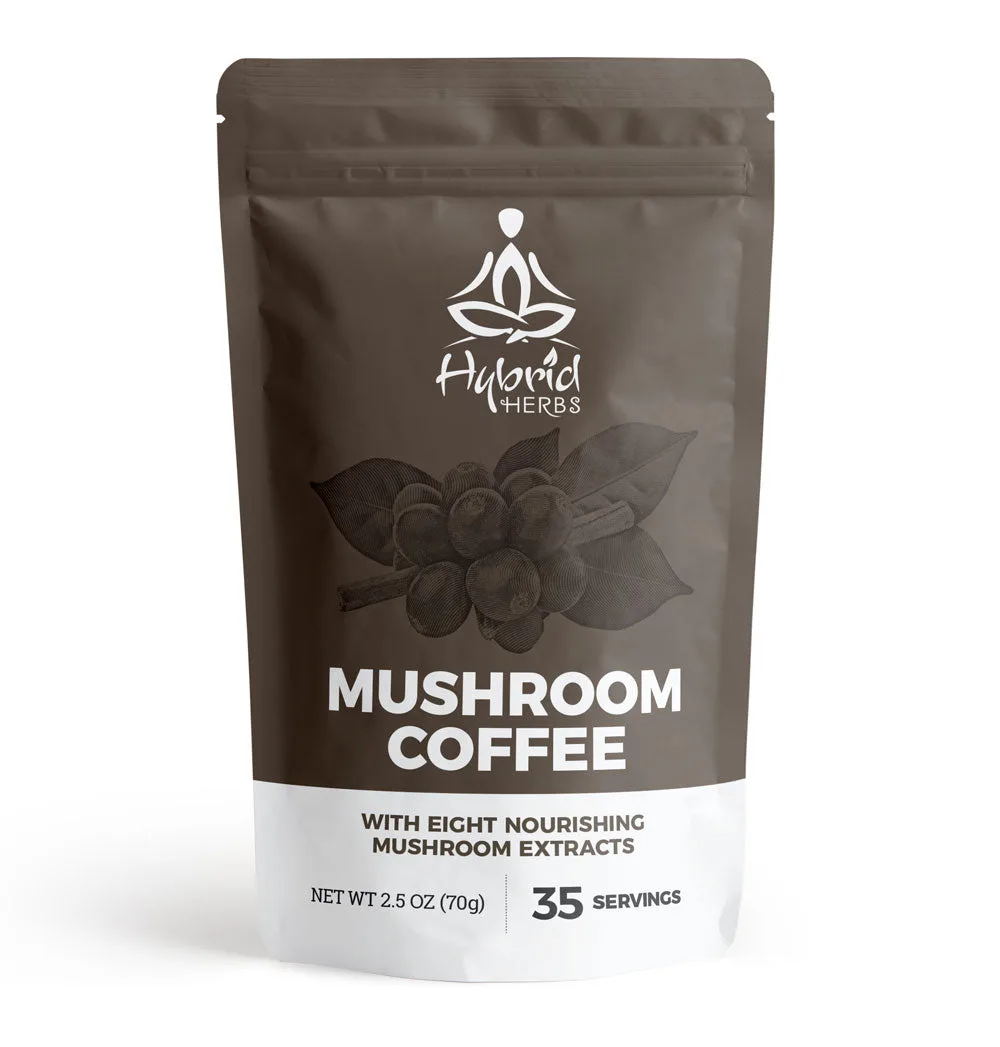
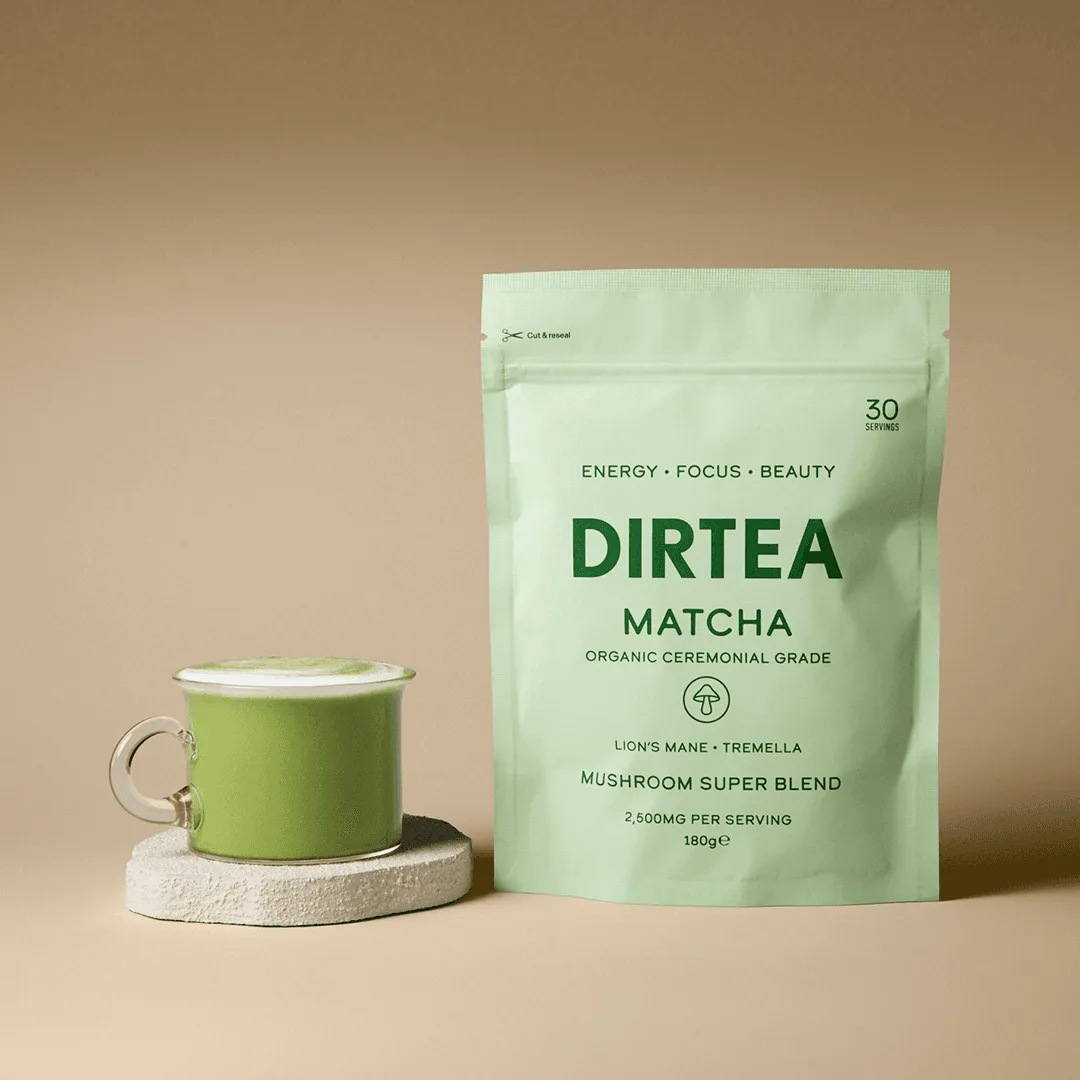
The world of functional beverages has exploded in recent years, with two standout contenders vying for your morning mug: mushroom coffee and matcha. Both promise clean energy, mental clarity, and a host of health benefits without the jitters or crash associated with traditional coffee. But which one is truly right for you?
Whether you're a seasoned wellness enthusiast or just starting to explore adaptogen drinks, understanding the differences between mushroom coffee and matcha can help you make an informed choice. In this comparison, we'll break down their origins, benefits, taste, caffeine content, and how each fits into a balanced daily ritual.
What Is Mushroom Coffee?
Mushroom coffee isn't actually coffee made from mushrooms. Instead, it's a blend of ground coffee beans (or a coffee substitute) combined with powdered medicinal mushrooms like lion's mane, chaga, reishi, or cordyceps. These adaptogenic fungi are prized for their ability to help the body manage stress, support immune function, and enhance cognitive performance.
Popular brands like MUD\WTR have pioneered this category by creating mushroom-based coffee alternatives that ditch the caffeine overload while preserving the ritual of a warm, grounding morning drink. Their blends typically contain a fraction of the caffeine found in a standard cup of joe, making them a gentler option for those sensitive to stimulants.
- Typically contains 1/7th the caffeine of coffee — about 15–30 mg per serving.
- Rich in beta-glucans and antioxidants from mushrooms like lion's mane and chaga.
- Often includes additional functional ingredients like cacao, turmeric, and cinnamon.
What Is Matcha?
Matcha is a finely ground powder made from specially grown green tea leaves. Unlike steeped green tea, matcha involves consuming the whole leaf, which delivers a more concentrated dose of antioxidants, particularly catechins like EGCG. It also contains L-theanine, an amino acid that promotes calm alertness and smooths out the caffeine release.
The ritual of whisking matcha into a frothy drink has been practiced in Japan for centuries, and today it's beloved worldwide for its sustained energy and earthy flavor. A high-quality ceremonial matcha offers a vibrant green color and a creamy, umami taste, while culinary grades work well in lattes and smoothies.
- Contains about 60–80 mg of caffeine per serving — more than mushroom coffee but less than drip coffee.
- Packed with L-theanine for focused, jitter-free energy.
- Provides a wealth of antioxidants that support skin health and metabolism.
Caffeine Content and Energy Profile
When comparing mushroom coffee vs matcha, caffeine is often the deciding factor. Mushroom coffee typically contains only 15–30 mg of caffeine per serving, making it a low-stimulant option ideal for afternoon sipping or for those who want to reduce their caffeine intake gradually. The adaptogens in mushroom blends also help buffer the body's stress response, so you feel calm yet alert.
Matcha sits in the middle: its caffeine content (60–80 mg per teaspoon) is higher than mushroom coffee but lower than a standard 8-oz coffee (95–200 mg). Thanks to L-theanine, the energy from matcha is released slowly over several hours, avoiding the sharp spike and crash of coffee. For many, matcha provides the perfect balance of focus and tranquility.
- Mushroom coffee: low caffeine, adaptogen-supported calm energy.
- Matcha: moderate caffeine, sustained focus via L-theanine.
- Traditional coffee: high caffeine, potential for jitters and energy crash.
Taste and How to Enjoy Them
The flavor profiles of these two functional beverages are distinct. Mushroom coffee often has a rich, earthy, and slightly nutty taste — think dark chocolate meets forest floor. Many people find it pleasantly savory, especially when blended with a splash of oat milk or a dash of cinnamon. Brands like MUD\WTR have refined their recipes to be smooth and approachable, even for mushroom skeptics.
Matcha offers a grassy, vegetal flavor with a natural sweetness and creamy umami finish. It can be enjoyed as a traditional tea (usucha) or whisked with milk for a latte. Some find matcha's bold green tea taste an acquired one, but quality matcha is remarkably smooth and can be enhanced with a touch of honey or vanilla.
- Tip: If you're new to mushroom coffee, try it as a latte with your favorite milk to mellow the earthy notes.
- Tip: For matcha, use a bamboo whisk (chasen) to prevent clumps and achieve a velvety texture.
Health Benefits and Functional Ingredients
Both mushroom coffee and matcha offer impressive health benefits, but they shine in different areas. Mushroom coffee is packed with adaptogens that help regulate cortisol, support immune function, and promote neurogenesis — lion's mane, for instance, is studied for its potential to boost memory and focus. Some blends also include turmeric for anti-inflammatory support, such as the Turmeric (30 serving) option from MUD\WTR.
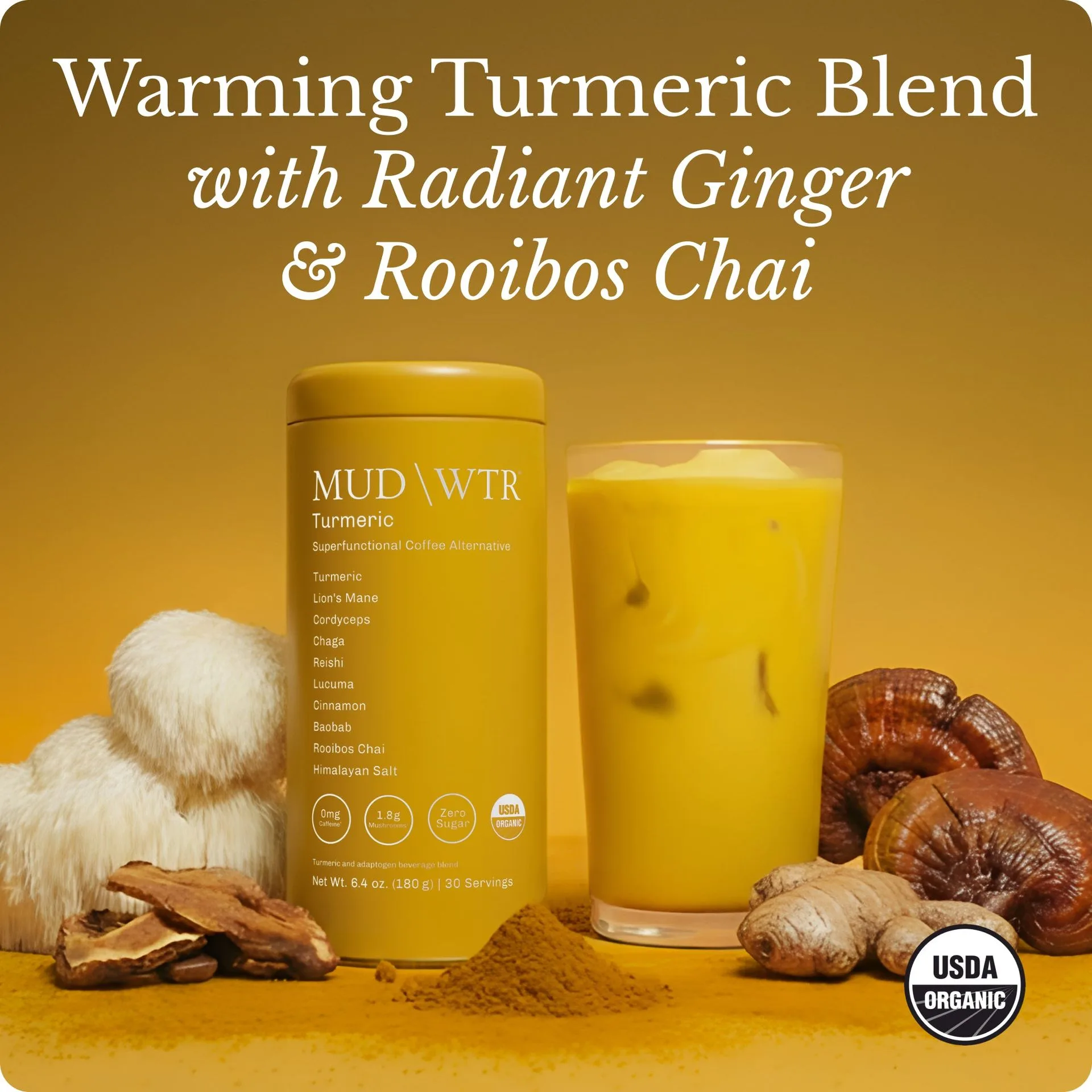
Turmeric (30 serving)
Matcha's star compound is EGCG, a powerful antioxidant linked to reduced inflammation, improved heart health, and even cancer prevention. The combination of caffeine and L-theanine also makes matcha a favorite for meditation practitioners and creatives seeking a calm, focused state. For those looking to build a complete morning ritual, a Matcha Starter Kit can simplify the whisking process and ensure you get the best flavor and benefits every time.
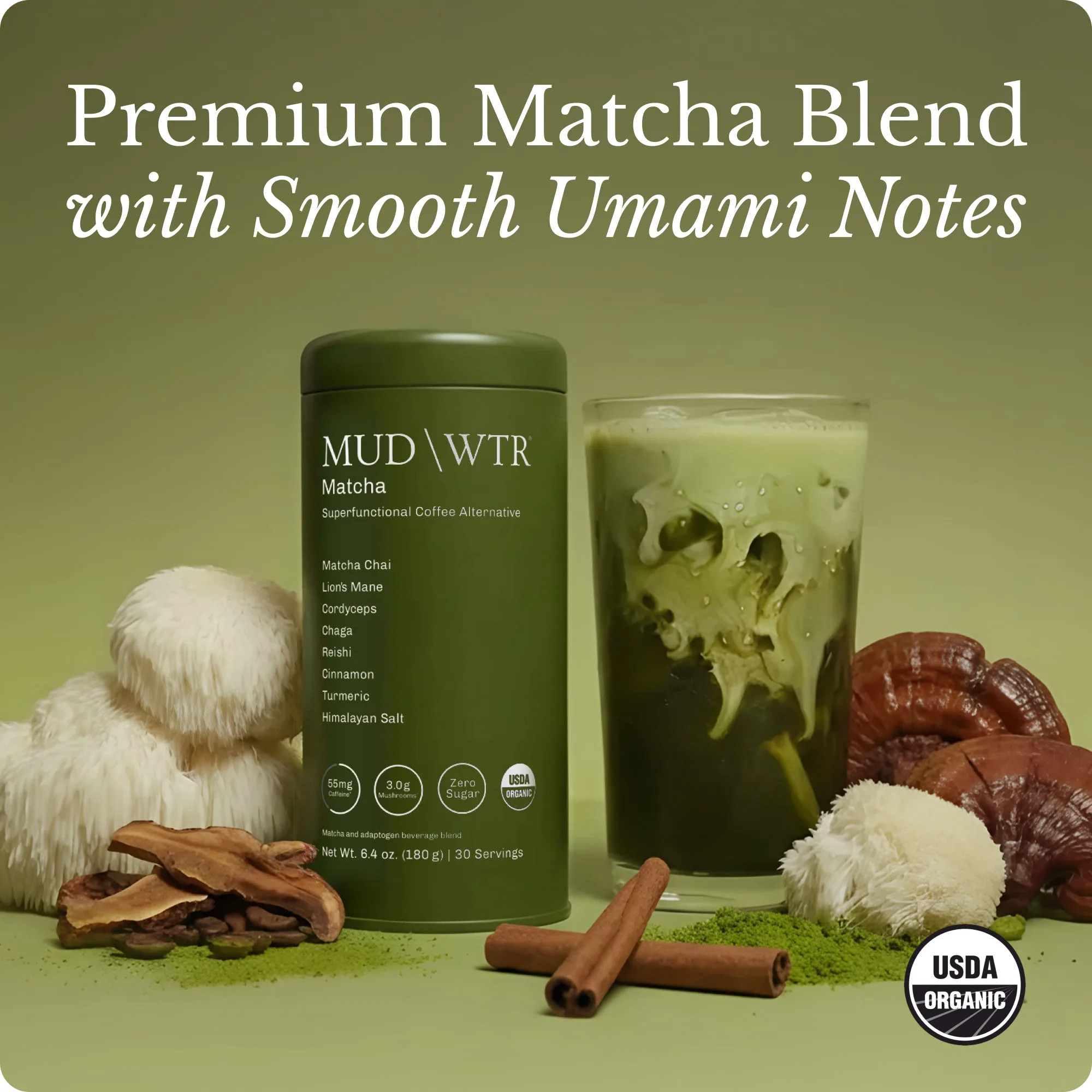
Matcha Starter Kit
- Mushroom coffee: adaptogens, immune support, cognitive enhancement.
- Matcha: high antioxidants, calm focus, metabolism support.
- Both are excellent low-acid alternatives to coffee for sensitive stomachs.
Which One Should You Choose?
The choice between mushroom coffee and matcha ultimately depends on your personal goals and preferences. If you're looking to dial down caffeine, support your stress response, and enjoy a grounding ritual that feels like a warm hug, mushroom coffee is your match. It's also a fantastic option for an afternoon pick-me-up that won't disrupt your sleep.
If you crave a sharper, more sustained focus for work or study, and you enjoy the ritual of whisking a vibrant green powder, matcha is likely your ideal companion. Many wellness enthusiasts actually rotate between the two — using mushroom coffee in the afternoon and matcha in the morning. For a complete lineup of functional beverages, explore the range of adaptogen drinks and accessories at MUD\WTR.
- Choose mushroom coffee for low-caffeine, adaptogen-rich calm.
- Choose matcha for moderate caffeine, antioxidant power, and sustained focus.
- Try both to see how your body responds — variety is the spice of life!
Whether you lean toward the earthy depth of mushroom coffee or the vibrant clarity of matcha, both functional beverages offer a healthier way to start your day. Explore MUD\WTR's collection of adaptogen blends and matcha essentials to find your perfect morning ritual — your mind and body will thank you.