The functional beverage market is booming, and two contenders stand out for their brain-boosting benefits: mushroom coffee and matcha. Both promise clean energy, mental clarity, and a host of adaptogenic perks, but they work in very different ways. Whether you're a long-time coffee lover exploring nootropic blends or a matcha devotee looking for a sharper edge, understanding the differences can help you choose the right brew for your daily routine.
In this head-to-head comparison, we’ll break down how mushroom coffee and matcha stack up in terms of energy delivery, focus enhancement, taste, convenience, and overall value. By the end, you’ll know exactly which functional drink deserves a spot in your cupboard.
Energy Profile: Sustained Focus vs Gentle Lift
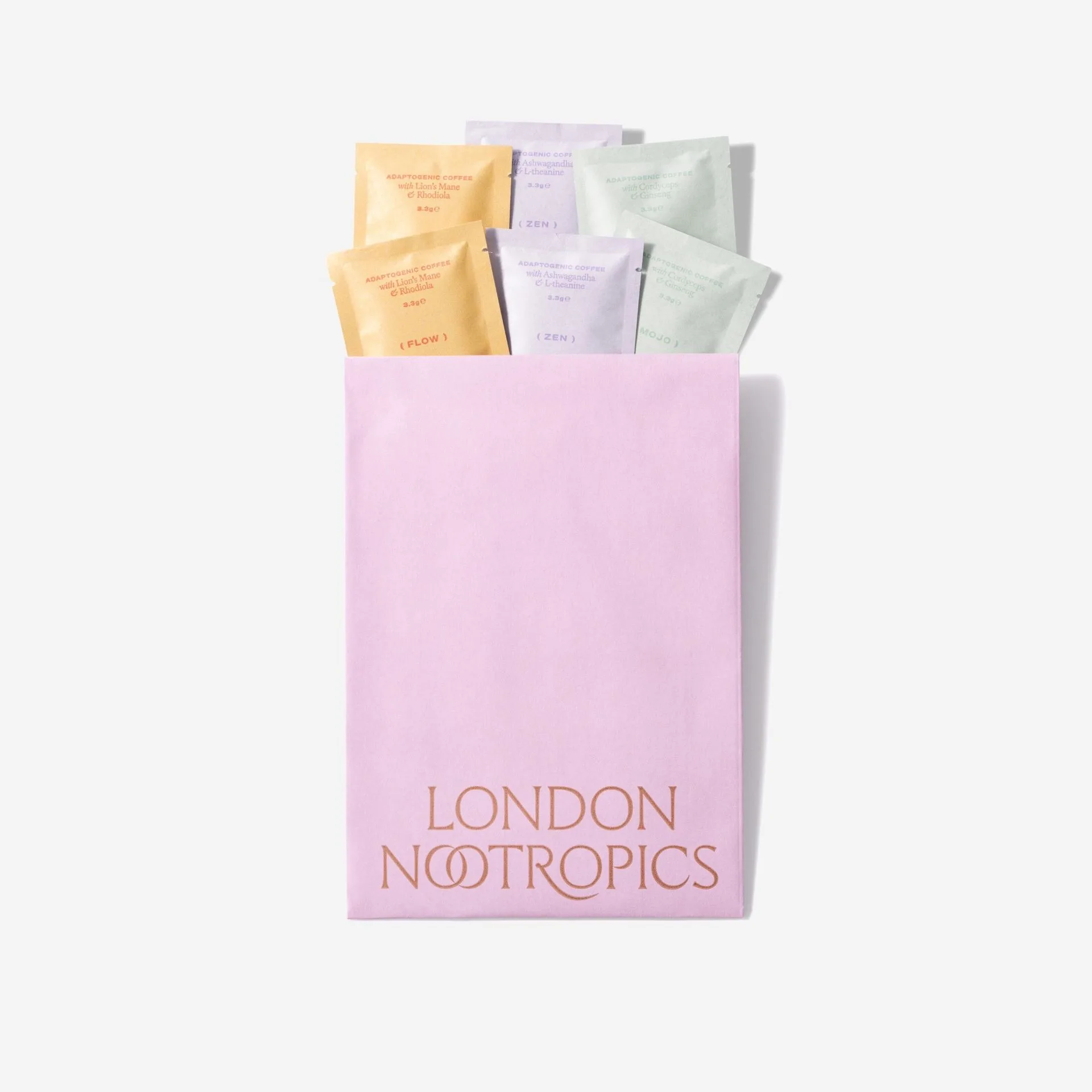
Mushroom coffee typically combines a small amount of caffeine (from coffee) with adaptogenic mushrooms like lion’s mane, chaga, or reishi. The result is a smoother, longer-lasting energy curve—no jitters, no crash. For example, London Nootropics' https://coffeehiveai.shop/products/zen-coffee-138592Zen Coffee uses a blend of organic coffee and functional mushrooms to promote calm focus without overstimulation. This makes it ideal for morning work sessions or afternoon slumps when you need steady concentration.
Matcha, on the other hand, delivers caffeine alongside L-theanine, an amino acid that promotes relaxation without drowsiness. The caffeine in matcha is absorbed more slowly than coffee, providing a gentle, sustained lift that lasts 3–4 hours. However, the total caffeine content is usually higher than a cup of mushroom coffee (depending on the blend), which may be too stimulating for some users.
- Mushroom coffee: lower caffeine, adaptogenic support, no crash
- Matcha: moderate caffeine, L-theanine for calm energy, shorter duration
Focus and Mental Clarity: Which Brew Sharpens Your Mind?
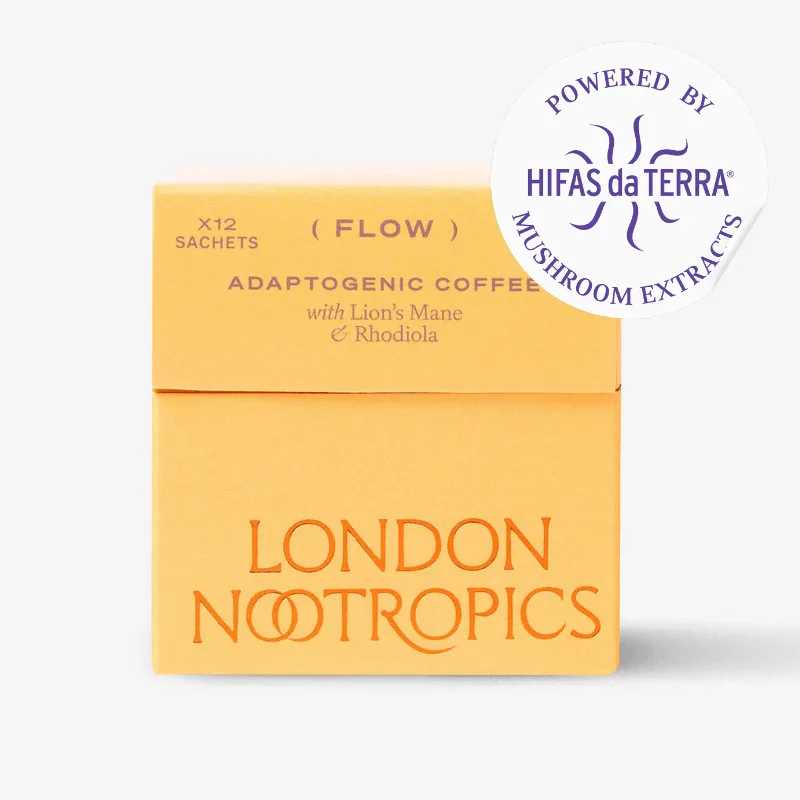
When it comes to cognitive enhancement, both drinks have unique advantages. Mushroom coffee often contains lion’s mane, a mushroom known for stimulating nerve growth factor (NGF) and improving memory, focus, and creativity. A product like https://coffeehiveai.shop/products/flow-coffee-138596Flow Coffee from London Nootropics is designed specifically for mental flow states, making it a favorite among remote workers, writers, and students who need deep concentration.
Matcha’s focus benefits come from the combination of caffeine and L-theanine, which increases alpha brain waves associated with relaxed alertness. This makes matcha excellent for tasks that require sustained attention without anxiety. However, matcha lacks the direct neurotrophic effects of lion’s mane, so for pure brain-boosting power, mushroom coffee may have the edge.
- Mushroom coffee: lion’s mane supports neurogenesis and memory
- Matcha: L-theanine promotes calm focus without jitters
Taste and Preparation: Simple Rituals vs Complex Brews
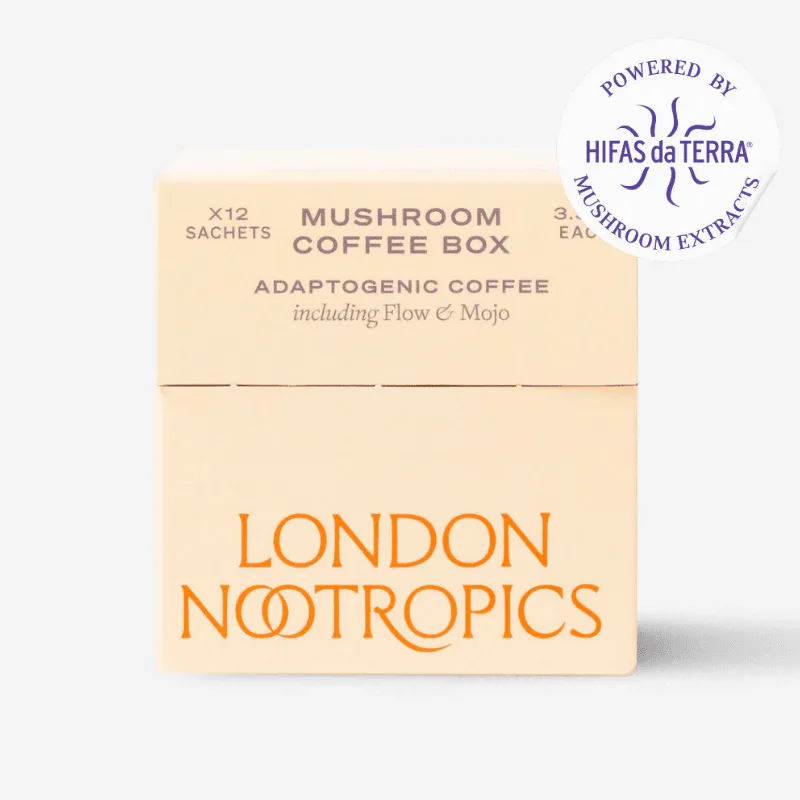
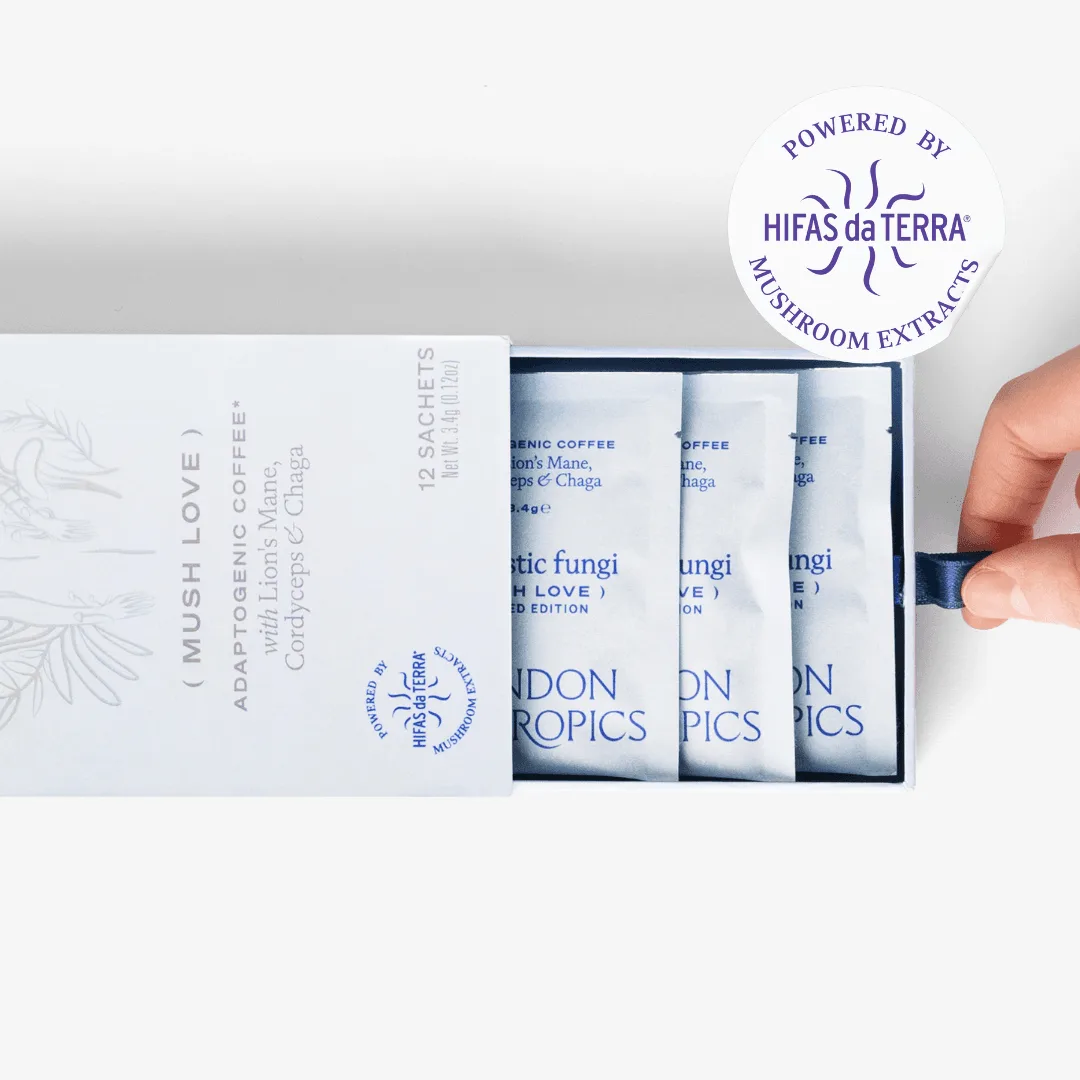
Mushroom coffee has come a long way from earthy, bitter concoctions. Modern blends are designed to taste remarkably like regular coffee—smooth, rich, and slightly nutty. London Nootropics' Mushroom Coffee Box, for instance, offers a convenient way to enjoy a barista-style cup at home. Just add hot water or milk, and you’re ready in seconds. For those who prefer a more portable option, the Mushroom Coffee Box Refill allows you to stock up without the packaging waste.
Matcha requires a bit more ritual: sifting the powder, whisking with hot water, and achieving the right frothy consistency. While this can be a meditative practice, it’s less convenient for busy mornings. The taste of matcha is grassy and vegetal, which some love and others find challenging. If you’re a coffee lover, mushroom coffee is an easier transition.
- Mushroom coffee: instant or drip, neutral coffee taste, easy to customize
- Matcha: ceremonial preparation, distinct grassy flavor, requires practice
Cost and Convenience: Which Fits Your Lifestyle?
For daily use, cost and convenience matter. Mushroom coffee refills, such as the 36 Sachet Refill from London Nootropics, offer a cost-effective way to enjoy functional coffee without single-use waste. Each sachet is pre-measured, making it perfect for office, travel, or home. Bulk options like the 60 Sachet Refill provide even better value for regular consumers.
Matcha can be purchased in bulk as loose powder, which is more economical per serving, but quality varies widely. Ceremonial-grade matcha is expensive, while culinary-grade may be bitter. Additionally, matcha requires a whisk and proper technique, which may deter those seeking a quick caffeine fix. For pure convenience and consistency, mushroom coffee sachets win hands down.
- Mushroom coffee sachets: pre-measured, portable, no mess
- Matcha powder: bulk savings but requires equipment and skill
Which One Should You Choose?
The decision ultimately comes down to your personal goals and preferences. If you want a brain-focused brew that supports neuroplasticity, reduces stress, and provides a smooth energy lift without the crash, mushroom coffee is your best bet. Products like Flow Coffee and Zen Coffee are crafted specifically for cognitive performance and mood balance.
If you prefer a traditional Japanese tea ritual, enjoy the grassy flavor, and want a moderate caffeine boost with calming properties, matcha is a wonderful choice. However, for most people seeking a nootropic advantage in a convenient, delicious cup, mushroom coffee offers a more targeted and user-friendly solution.
Whether you're team mushroom coffee or team matcha, the key is finding a functional brew that fits seamlessly into your daily routine. For a brain-boosting, convenient, and delicious option, explore the range of nootropic coffees at London Nootropics—start with the Mushroom Coffee Box and experience the difference for yourself.