The real difference is how each fabric handles air and wrinkles
Both the Muslin Pillowcase and the Seersucker Pillowcase are cotton, but they are woven and finished differently. Muslin is tightly woven with fine yarn, giving a soft, lightweight, breathable surface. Seersucker is 100% organic cotton with a crisp, tactile texture that is naturally wrinkle-resistant, so no ironing is needed. That single difference—wrinkle behavior—often decides which one people keep on the bed.
If you want a pillowcase that feels airy and gets softer with every wash, muslin is the straightforward choice. If you want a crisp look that stays neat without ironing, seersucker is the practical one. Neither is universally cooler; the supplied information supports breathability for muslin and wrinkle resistance for seersucker, but not a direct temperature ranking between them.
What each pillowcase actually specifies
-
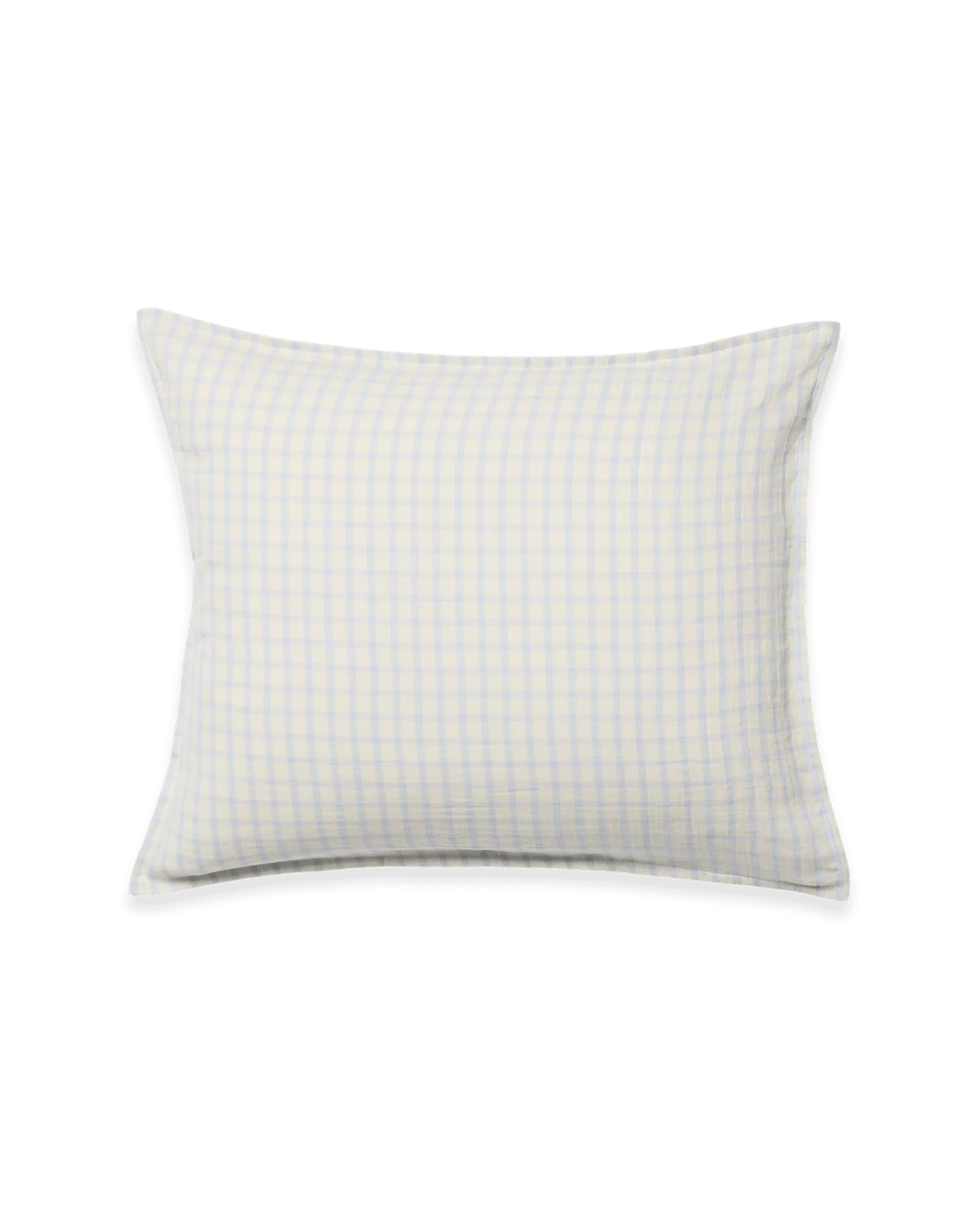
Muslin Pillowcase: Muslin cotton pillowcase – tightly woven with fine yarn for a beautifully textured surface that's heavenly soft, lightweight and breathable. This is the core of muslin pillowcase breathability: the fine, tight weave is what makes it feel light and airy against the face.
Muslin Pillowcase
-
Seersucker Pillowcase: Organic cotton bäckebölja pillowcase in 100% organic cotton – krispig, tactile and beautifully textured. Naturally wrinkle-resistant, so no ironing needed. This explains the seersucker pillowcase's appeal for hot sleepers who want a crisp, low-maintenance surface that does not need pressing.
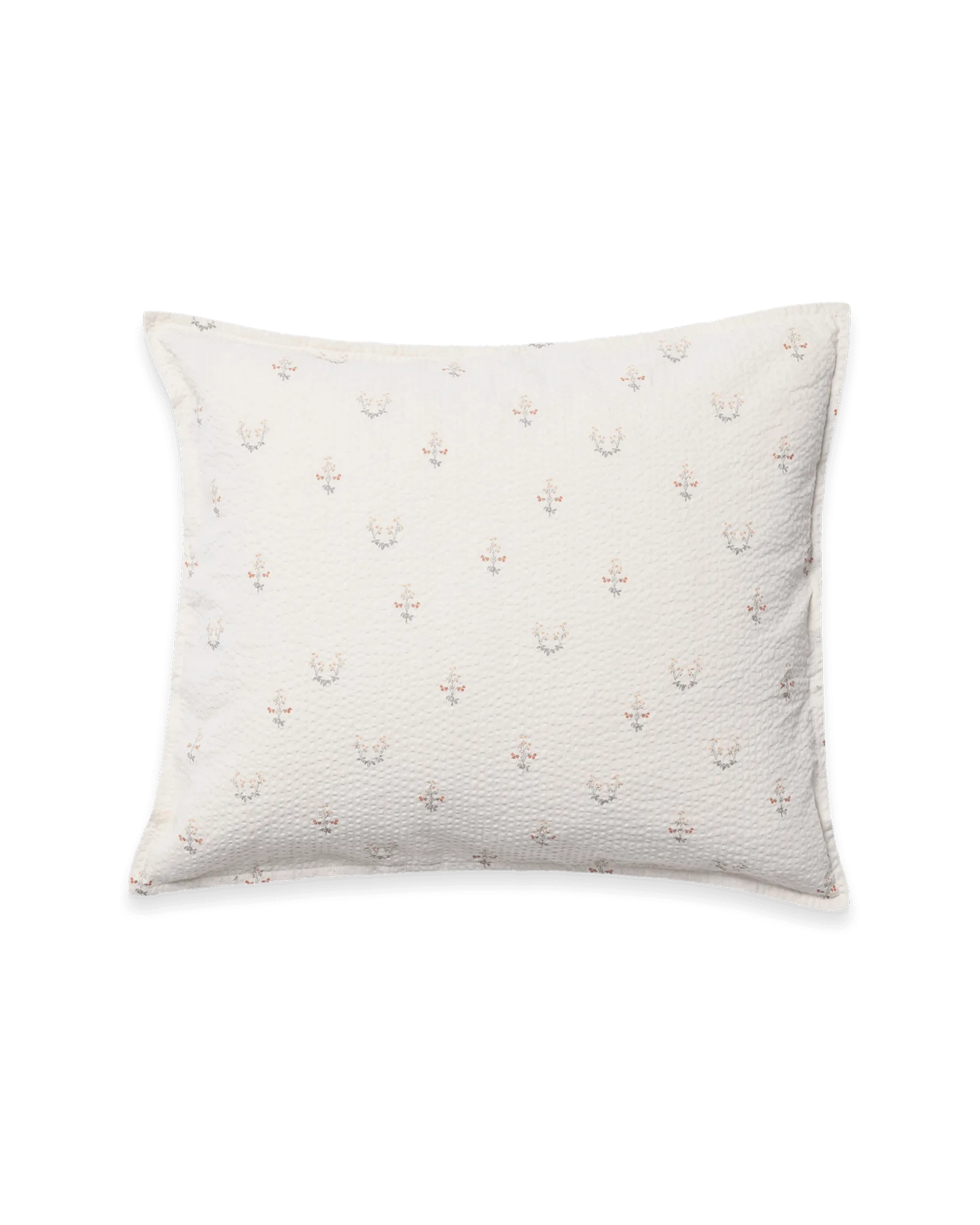
Seersucker Pillowcase
Muslin vs seersucker: side-by-side on the points that affect sleep
- Texture and hand feel: Muslin is described as heavenly soft, lightweight and breathable. Seersucker is described as crisp, tactile and beautifully textured. If you dislike a crisp surface against your skin, muslin is the gentler introduction.
- Wrinkles and ironing: Seersucker is naturally wrinkle-resistant, so no ironing is needed. The supplied muslin information does not state wrinkle resistance, so plan on a relaxed, slightly rumpled look unless you press it.
- Breathability and warmth: Muslin is explicitly called lightweight and breathable. Seersucker's breathability is not stated in the supplied record, so treat muslin as the clearer breathability claim and seersucker as the clearer no-iron claim.
- Softening over time: Both fabrics get softer with every wash. Muslin's muslin weave gets softer with every wash; seersucker gets softer with every wash. Neither needs a special breaking-in period according to the supplied evidence.
- Certification: The Muslin Pillowcase is OEKO-TEX® 100 certified. The supplied Seersucker Pillowcase record does not mention a certification, so do not assume one.
Sizing and matching options that decide the fit
- Muslin Pillowcase: Available in Gingham Sky Blue in 50x60 cm, 50x70 cm, 50x90 cm and 80x80 cm, designed in Scandinavia to mix and match in both style and size with muslin cotton duvet covers. If you already own muslin bedding, these sizes let you coordinate the pillowcase with your duvet cover rather than guessing.
- Seersucker Pillowcase: Available in La Fraise in 50x60 cm, 50x70 cm, 50x75 cm, 50x90 cm, 65x65 cm and 80x80 cm, designed in Scandinavia to mix and match with the full range of bäckebölja bedding. The seersucker range includes 50x75 cm and 65x65 cm, which the muslin range does not list, so check your pillow dimensions before choosing.
Which pillowcase fabric is cooler for hot sleepers?
The honest answer from the supplied evidence: muslin has the clearer breathability claim. It is described as lightweight and breathable, which is the kind of language hot sleepers look for. Seersucker is not described as breathable in its record; its strengths are its crisp texture and wrinkle resistance. That does not mean seersucker sleeps warm—only that the supplied information does not confirm breathability the way it does for muslin.
If you overheat easily and want the fabric with the most explicit airflow language, start with the Muslin Pillowcase. If you sleep at a normal temperature and care more about a tidy bed that never needs ironing, the Seersucker Pillowcase is the lower-effort choice.
Match the pillowcase to your bedding and routine
- You already own muslin duvet covers: The Muslin Pillowcase is designed to mix and match in style and size with muslin cotton duvet covers, so it is the coordinated pick.
- You own bäckebölja bedding: The Seersucker Pillowcase is designed to mix and match with the full range of bäckebölja bedding, keeping the texture consistent across the bed.
- You never want to iron: Choose seersucker. Its naturally wrinkle-resistant finish means no ironing is needed.
- You want the softest possible surface: Choose muslin. Its fine, tight weave is described as heavenly soft, and it gets softer with every wash.
- Your pillow is 50x75 cm or 65x65 cm: Only the Seersucker Pillowcase lists those sizes in the supplied variants. The Muslin Pillowcase lists 50x60, 50x70, 50x90 and 80x80 cm.
Care and limitations to know before you decide
Both pillowcases get softer with every wash, according to their records. The supplied information does not include wash temperature, detergent, drying, or ironing instructions for either product, so follow the care label on the pillowcase you receive rather than guessing. The muslin record also does not state wrinkle resistance, and the seersucker record does not state breathability or OEKO-TEX® certification—those are gaps in the supplied evidence, not proof that the features are absent.
One practical note: the Muslin Pillowcase is OEKO-TEX® 100 certified, which may matter if you prioritize certified textiles. The Seersucker Pillowcase is 100% organic cotton, which may matter if organic fiber is your priority. Neither attribute is confirmed for the other product in the supplied records.