Quick answer
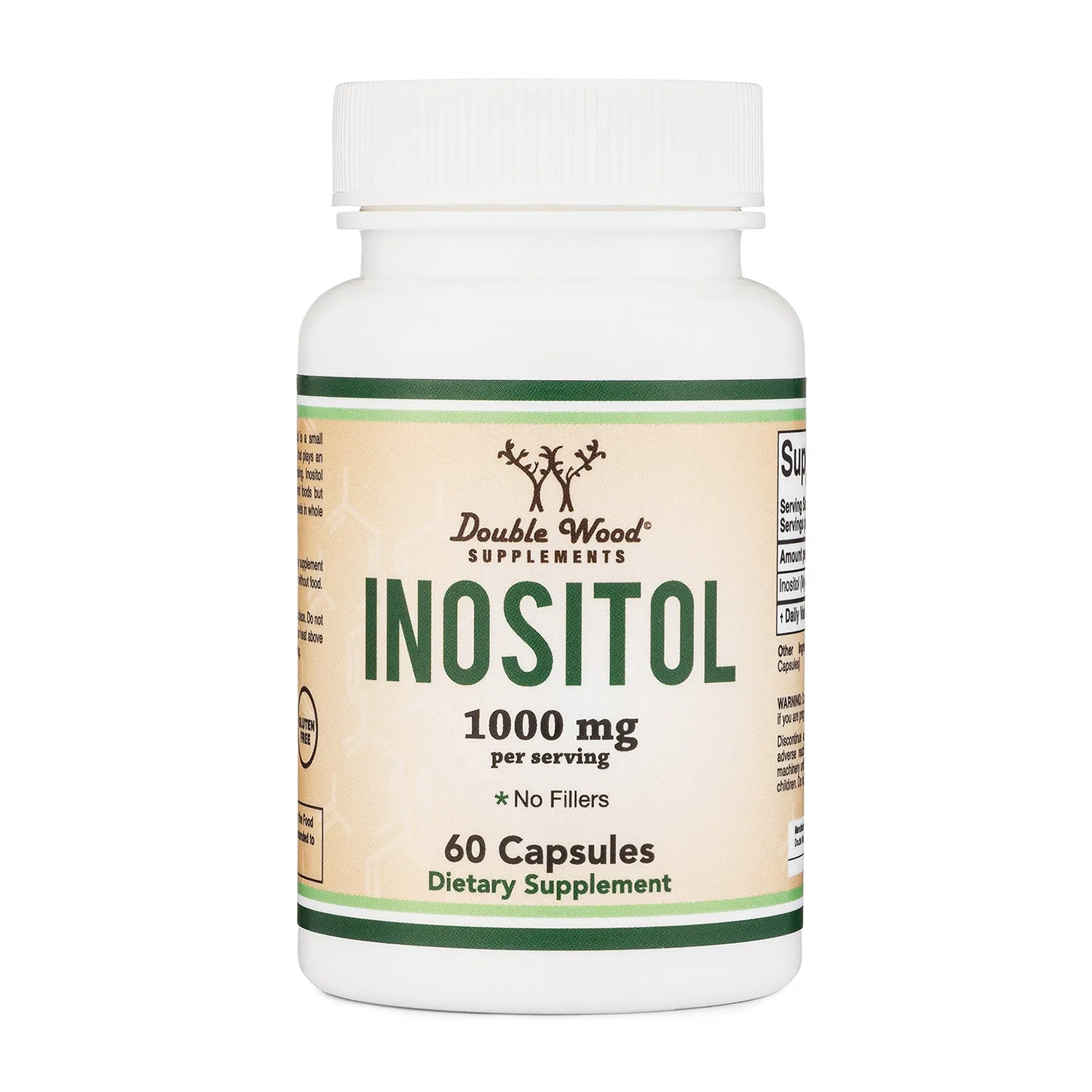
Myo-inositol and d-chiro inositol are naturally occurring compounds that support insulin sensitivity, hormone balance, and ovarian function. A 40:1 ratio supplement is the most studied form for PCOS and fertility support.
How inositol supports hormone balance
Inositol is a type of sugar alcohol that plays a key role in cell signaling, particularly for insulin and hormones like FSH (follicle-stimulating hormone). By improving how your cells respond to insulin, inositol can help lower blood sugar and reduce excess androgen production — two common issues in PCOS.
The two main forms — myo-inositol and d-chiro inositol — work differently in the body. Myo-inositol is abundant in the brain and ovaries, while d-chiro inositol is more active in the liver and muscles. A 40:1 ratio mirrors the natural balance found in healthy ovarian tissue.
Who benefits most from an inositol supplement
Research shows the strongest benefits for people with PCOS, particularly those with insulin resistance, irregular cycles, or fertility concerns. Inositol can help restore ovulation, improve egg quality, and reduce symptoms like acne and excess hair growth.
It may also support mood and metabolic health in people without PCOS, but the evidence is less robust. If you have normal insulin sensitivity and regular cycles, the benefits may be smaller.
What to look for in a supplement
Not all inositol supplements are created equal. The ratio of myo-inositol to d-chiro inositol matters — a 40:1 ratio is the most studied and recommended for PCOS. Some products contain only myo-inositol, which may still help but lacks the synergistic effect of the combination.
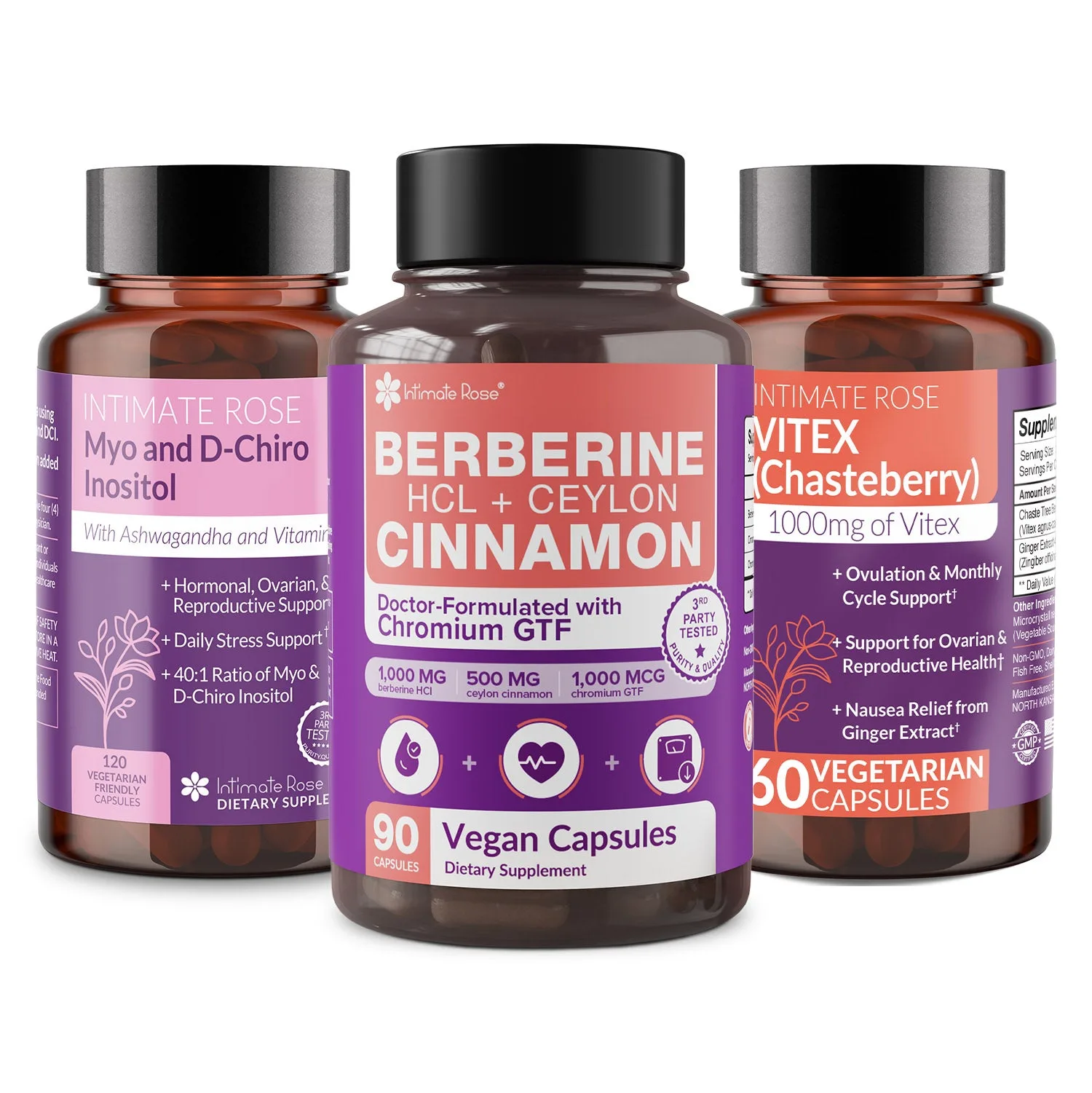
Also check for added ingredients like ashwagandha and vitamin D, which can support stress response and immune function. The form (powder vs. capsule) affects convenience and absorption — powders mix easily into drinks and allow flexible dosing.
Decision rules for choosing an inositol supplement
- Check the ratio: Look for a 40:1 myo-inositol to d-chiro inositol ratio. This is the ratio found in healthy ovarian tissue and used in most clinical studies for PCOS and fertility. If the product does not state the ratio, it may not be optimized for hormone balance.
- Consider added ingredients: Ashwagandha and vitamin D can complement inositol by supporting stress resilience and immune function. If you already take these separately, a standalone inositol may be simpler.
- Choose your form: Powders allow flexible dosing and are easy to mix into water or smoothies. Capsules are convenient for travel but may require multiple pills per dose. If you dislike the taste of powders or need precise pre-measured doses, capsules are the better option.
- Start with the right dose: Most studies use 2,000–4,000 mg of myo-inositol plus 50–100 mg of d-chiro inositol daily. Follow the label directions and consult a healthcare provider for personalized dosing. Begin with the lowest recommended dose for 1–2 weeks to assess tolerance before increasing.
Product facts
-
Myo-Inositol & D-Chiro Inositol Supplement: Balanced Wellness Support: Experience a thoughtfully formulated blend of Myo-Inositol and D-Chiro Inositol in a 40:1 ratio, complemented by ashwagandha and Vitamin D. This specific ratio and added adaptogens target the hormonal and stress pathways that often go hand in hand with PCOS and hormone imbalance.
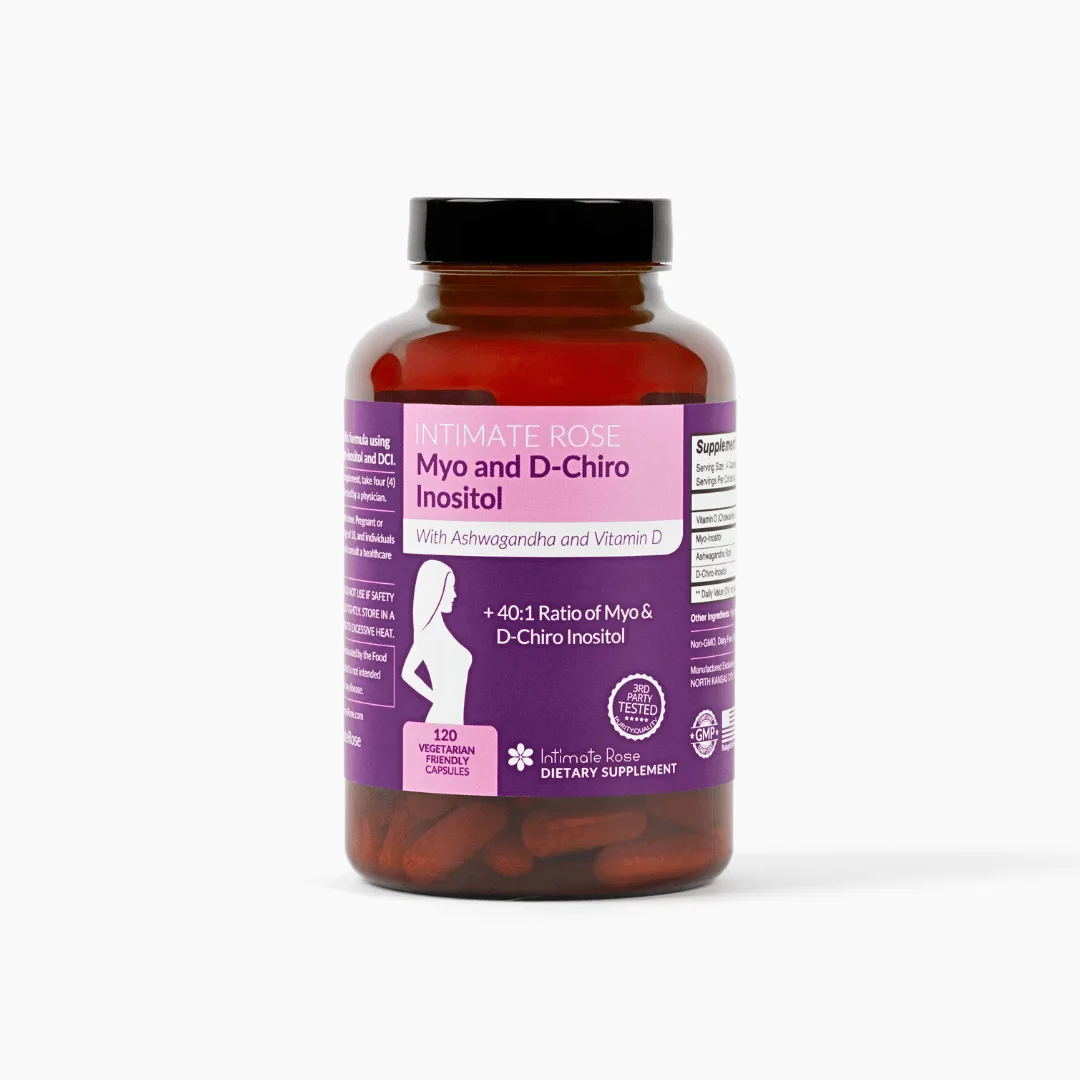
Myo-Inositol & D-Chiro Inositol Supplement
Who should take an inositol supplement
Best for
- People with PCOS, especially those with insulin resistance or irregular cycles
- Those seeking natural support for hormone balance and fertility
Not for
- People with normal insulin sensitivity and regular cycles who may not notice significant benefits
- Anyone who is pregnant or breastfeeding without consulting a healthcare provider first