Quick Answer
A mystery dice bundle is worth it when you want a large, playable pool of dice for a low per-die cost and you are happy to let the store choose the exact colors and finishes. Skip bundles when you need one specific set for a character, a gift, or a color-matched kit. The honest trade-off is simple: bundles save money and add dice variety, but you trade away control over what arrives.
Why a Bundle Can Beat Buying One Set at a Time
The math behind a dice value bundle is volume. When a store groups many dice into one discounted package, the price per die usually drops well below what you would pay buying the same dice as single sets. That matters most for players who need a deep pool: a full table of d6s for a wargame, spare sets for guests, or replacements for dice that have wandered off.
The catalog price on a bundle is not the only number to check. Compare the catalog comparison price against the bundle price, then divide by the number of dice you actually expect to use. A bundle that includes dice you will never roll is not a saving, it is storage.
- Count the dice, not the sets: a bundle is only cheap if most pieces fit your games.
- Check whether the bundle is a fixed assortment or a random pull; fixed assortments remove the duplicate risk.
- Compare the per-die cost against the single sets you would otherwise buy.
What You Give Up With Blind Box Dice
Blind box dice are a trade, not a free upgrade. You gain surprise and often a lower price. You lose the ability to choose the exact color, finish, or number style. If your table cares about matching dice to a class, a faction, or a character sheet, that loss is real and worth paying to avoid.
Read the product description before you buy. A listing that only promises a random assortment with no size, material, or count is a decision limitation, not a hidden feature. If the store does not state the die size or material, assume you cannot plan around it and buy only if the price is low enough that the uncertainty is acceptable.
- Buy blind boxes for the pool, not for a specific look.
- Treat missing specifications as a reason to lower your price ceiling, not a reason to hope.
- If duplicates would annoy you, choose a fixed bundle instead of a random one.
Dice Bundle vs Single Set: Match the Purchase to the Job
A single set is the right tool when you need one coherent, readable set for a player character. A bundle is the right tool when you need many dice at once: a GM's monster pool, a club's loaner dice, or a wargame's d6 blocks. Buying a bundle to get one specific set is the most common mistake, because you pay for dice you did not want.
For d6-heavy games, dedicated d6 packs often beat a general 7-piece bundle because every die in the pack is a die you will roll. For d20-centric play, a mixed bundle gives you the polyhedral spread you need without buying seven separate sets.
- One character, one look: buy a single set.
- Many identical dice for one system: buy a dedicated d6 pack.
- A general spare pool for a mixed group: buy a value bundle.
How to Judge a Cheap Dice Bundle Deal Without Getting Burned
A cheap dice bundle deal is only good if the dice are usable. Check three things before you commit: the die size, the material, and whether the numbers are painted for contrast. A bundle of small, unpainted dice is not a bargain if your table cannot read them across the mat.
Also check what the bundle is for. A bundle built around a game system, such as a spindown counter pack, solves a specific problem and should be judged on that problem. A general assortment should be judged on how many of its dice fit the games you actually play this month.
- Readability first: painted numbers and contrast matter more than color.
- Buy for the system you play, not the system you might play someday.
- Set a per-die ceiling before you shop and walk away above it.
Decision Rules: Buy the Bundle or Buy the Set
- Rule 1: Buy the bundle when you need quantity, not identity: If your need is 'more dice for the table' rather than 'this exact set', a bundle wins on cost per die. A 30-die d6 pack at USD 10.02 is a different purchase than a single 7-piece set, and it should be judged on dice count and rolling use. Checkpoint: can you name three games or sessions where most of these dice will be rolled? If not, do not buy.
- Rule 2: Buy the single set when the look is the point: For a character, a gift, or a color-matched kit, a named set with a stated material, size, and painted numbers is the safer buy. You are paying for certainty, and certainty has value. Checkpoint: if you would be disappointed by a random color, you are a single-set buyer.
- Rule 3: Treat missing specifications as a price cap: When a listing does not state die size, material, or count, you cannot plan around it. That is a decision limitation, so lower your willingness to pay rather than assuming the best. Checkpoint: no size, no material, no count, no premium price.
- Rule 4: Compare against the comparison price, then against your use: A bundle listed at USD 151.80 against USD 230.00 looks like a large saving, but the real question is how many of those dice fit your games. A smaller, cheaper, more targeted bundle can deliver more usable dice per dollar. Checkpoint: divide the price by the dice you will actually roll, not the dice in the box.
Product Facts That Change the Decision
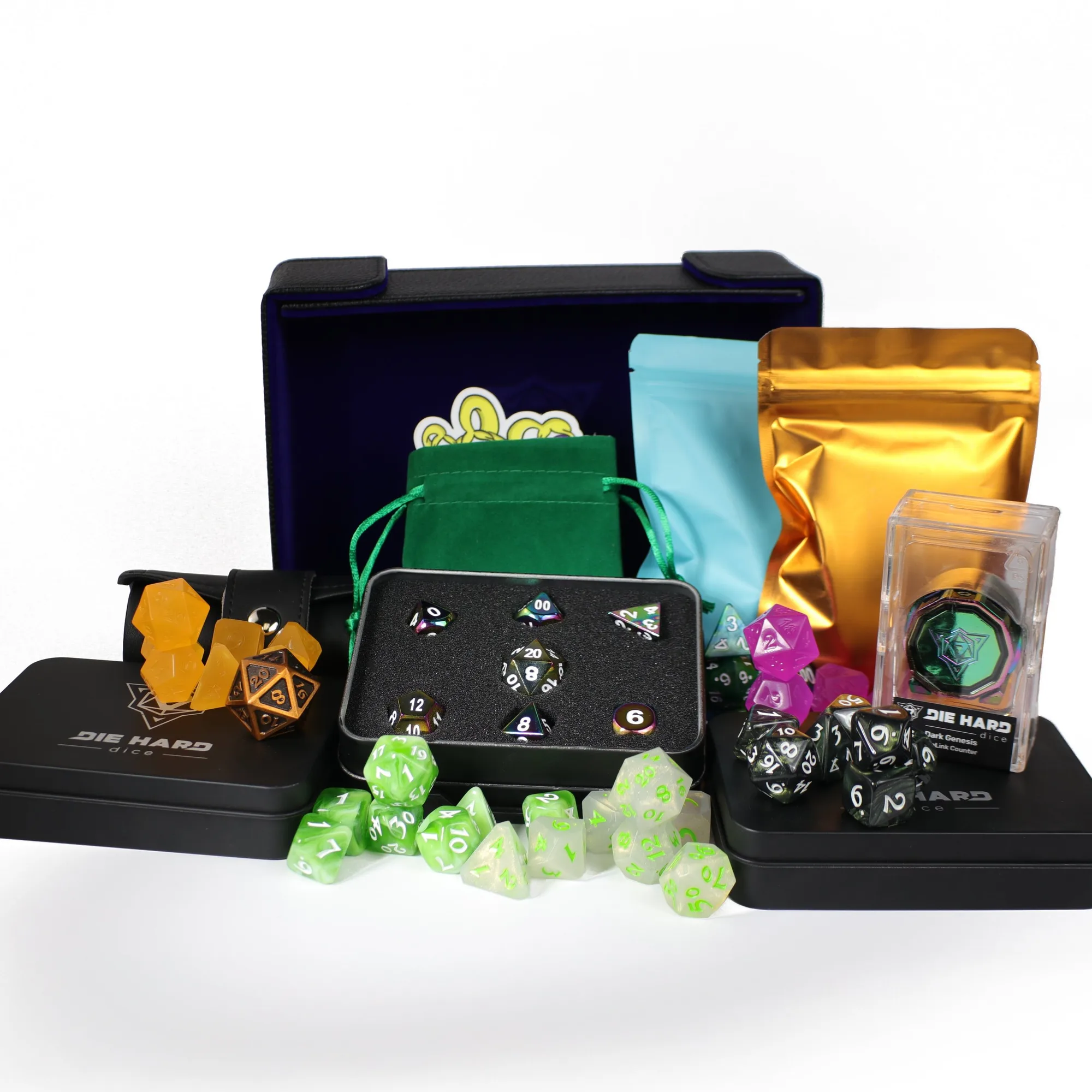
- Mysteries from the Vault - The Bundle Crusade: Mysteries from the Vault - The Bundle Crusade is listed at USD 151.80 against a catalog comparison price of USD 230.00, and the listing frames the purchase as a vault-style assortment rather than a named set. This is the high-end bundle decision: you are paying a premium for a curated assortment. Judge it by how much of the assortment you will actually use, not by the discount alone.
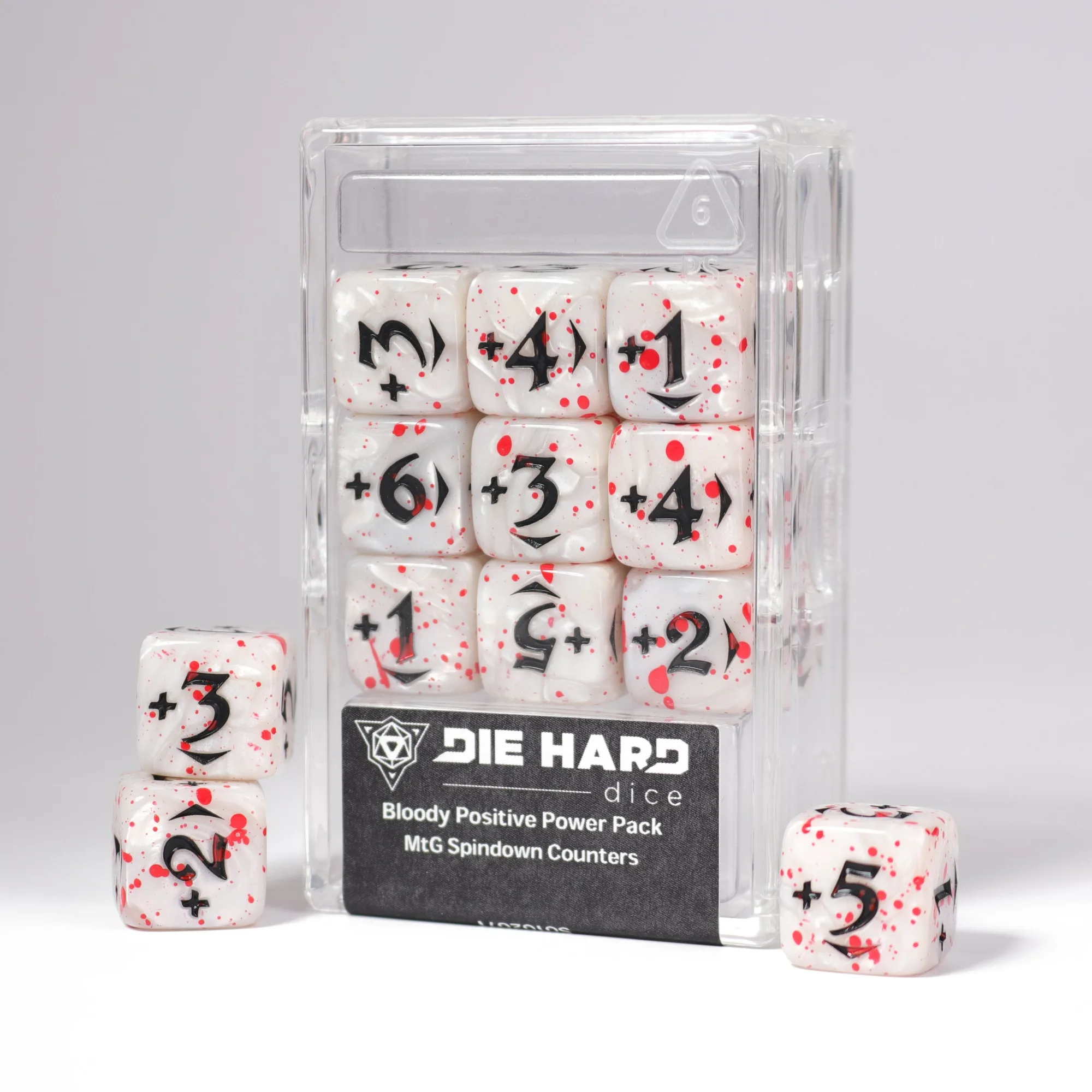
- MtG Spindown Counters - Bloody Positive Power Pack - White: MtG Spindown Counters - Bloody Positive Power Pack - White is a Power/Toughness stim pack of spindown counters priced at USD 7.34 against a catalog comparison price of USD 10.95. This is a bundle with a job. If you play Magic and track counters, a themed counter pack is more useful than a random polyhedral bundle, and the low entry price makes it a low-risk test of whether bundles suit you.
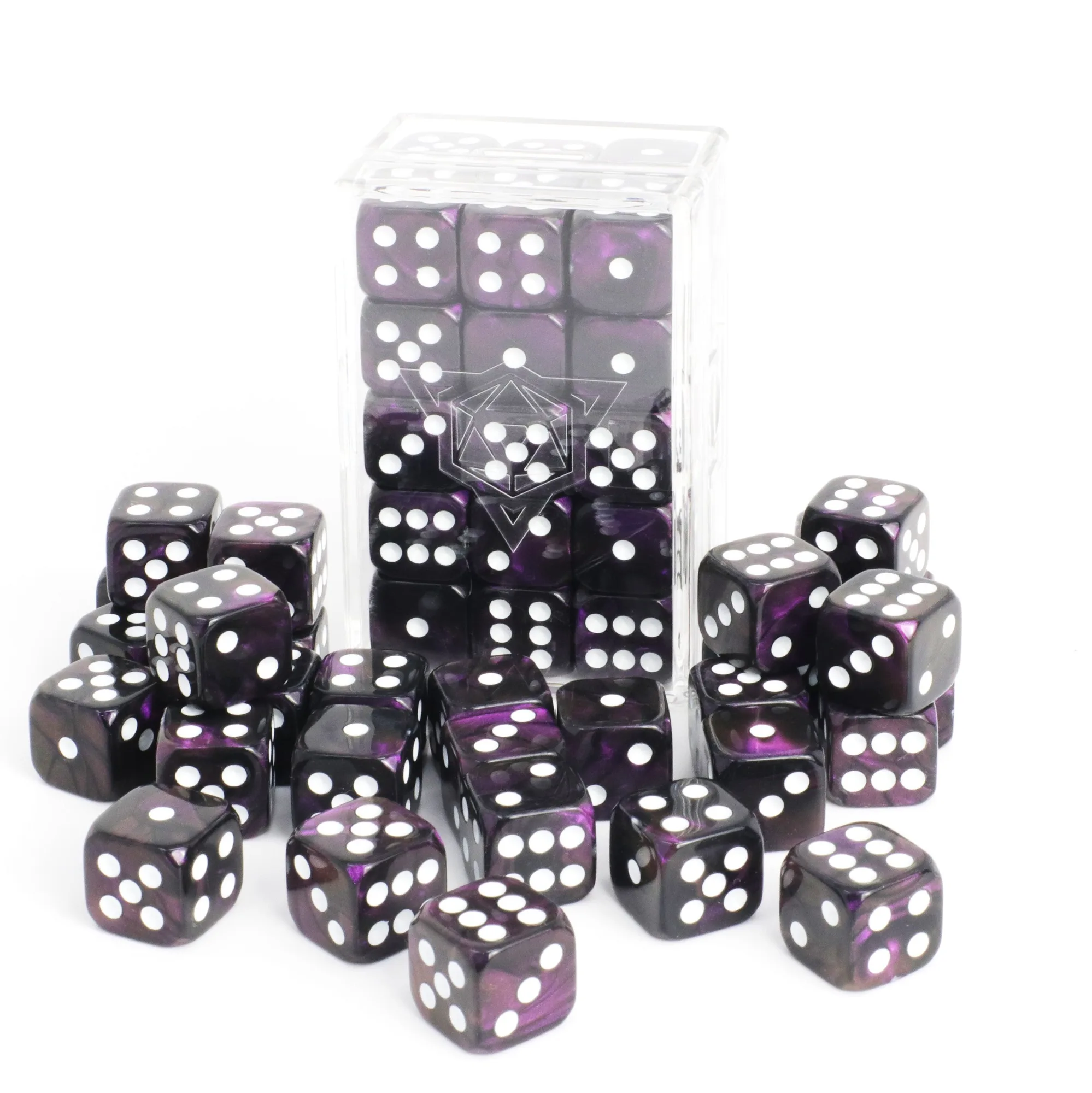
- Vanguard d6 Pack - Iris Shimmer: Vanguard d6 Pack - Iris Shimmer contains 30 pipped d6s at 14 mm, made of specialized acrylic polymer, with softened corners and shimmery purple swirls inked in white, priced at USD 10.02 against a catalog comparison price of USD 14.95. This is the clearest per-die value case: 30 matched d6s for about the price of a single premium set. The softened corners and 14 mm size are practical details that matter for rolling and table wear.
Who Should Buy a Mystery Dice Bundle
Best for
- Game masters who need a deep spare pool for monsters, NPCs, and loaner dice
- Wargamers and d6-heavy players who want many matched dice at a low per-die cost
- Players testing whether they enjoy blind box dice before committing to a large purchase
- Groups that host new players and want affordable table dice that can be shared
Not for
- Players who need one specific set for a character, a gift, or a color-matched kit
- Buyers who would be frustrated by duplicates or by colors they did not choose
- Shoppers who need guaranteed die size, material, and count before buying
- Collectors chasing a particular finish or a named set rather than a usable pool