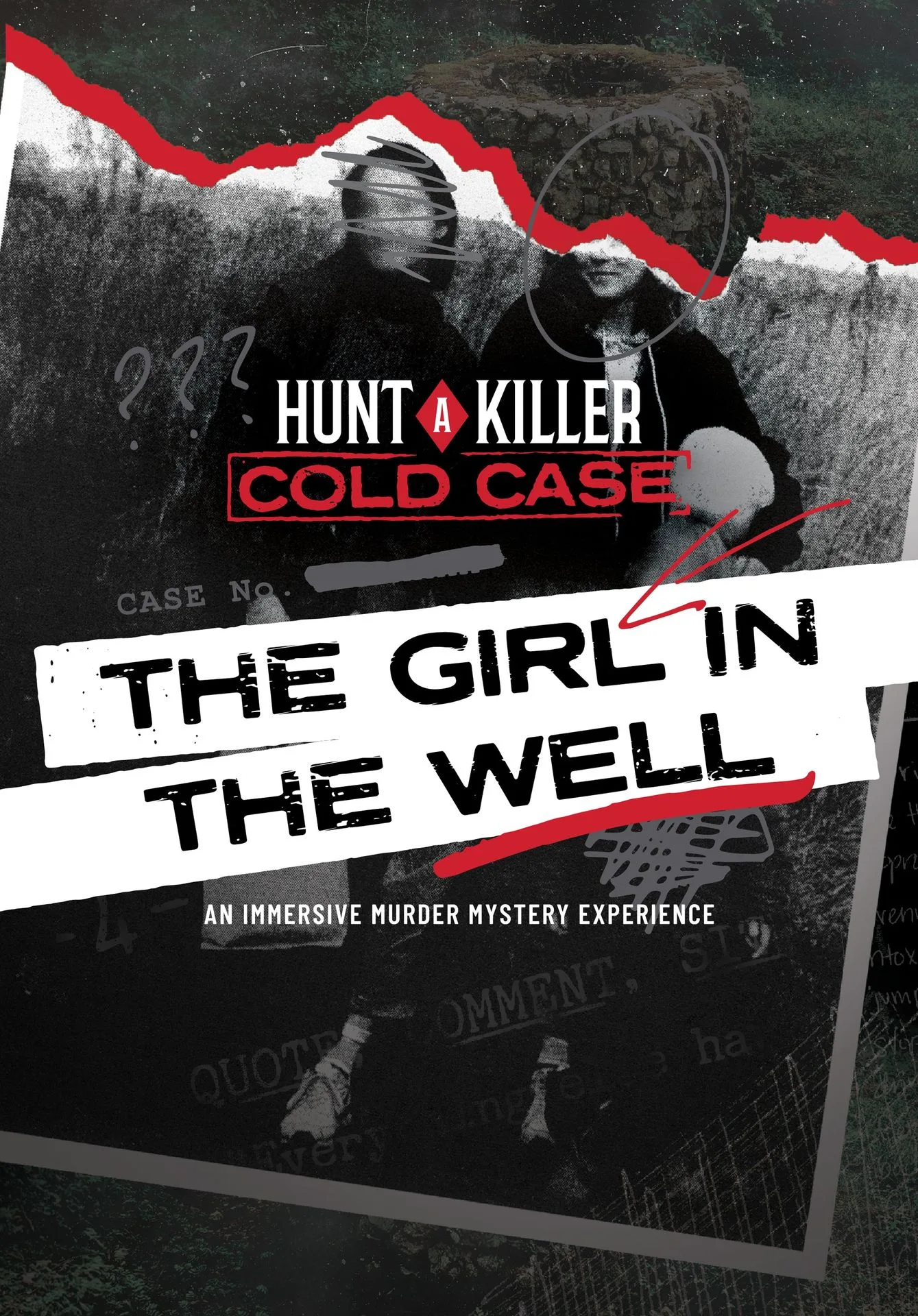
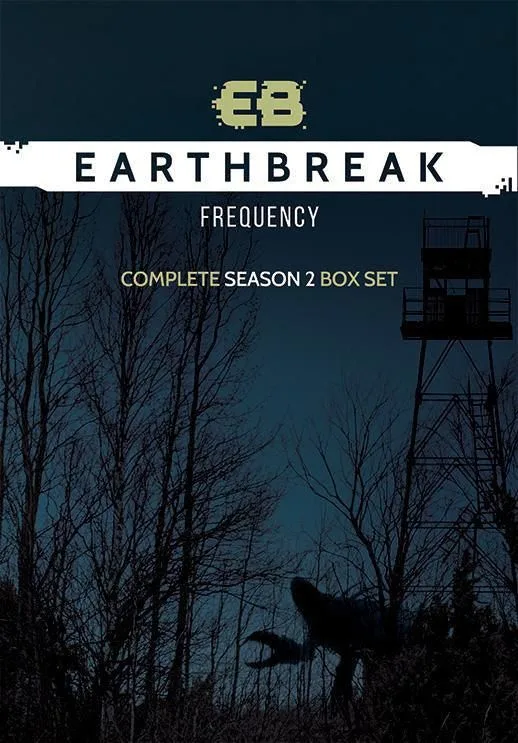
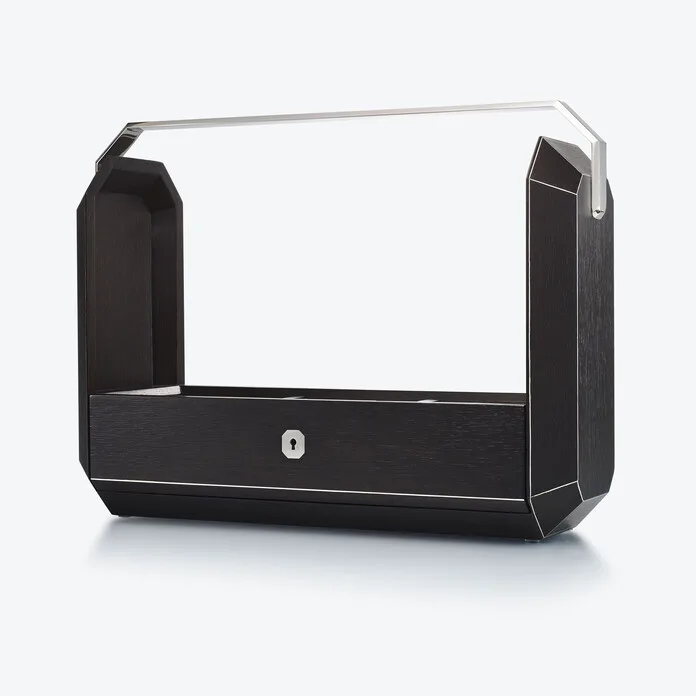
For collectors and enthusiasts of immersive storytelling, the choice between a mystery game and a puzzle box can be surprisingly difficult. Both offer hours of engaging problem-solving, but they deliver the experience in fundamentally different ways. Whether you are building a curated shelf of interactive entertainment or planning your next game night, understanding these differences is essential to making the right purchase.
Mystery games typically unfold through narrative-driven scenarios, character dossiers, and evidence packets, while puzzle boxes rely on mechanical manipulation, hidden compartments, and sequential locks. This guide will help you compare the two formats, highlight what each excels at, and recommend standout products from Hunt A Killer that embody the best of each style.
What Defines a Mystery Game?
A mystery game is an interactive storytelling experience where players assume the role of a detective, investigator, or amateur sleuth. The core gameplay involves analyzing documents, examining physical evidence, connecting clues, and forming theories to solve a central crime or puzzle. The narrative is the driving force, often unfolding over multiple chapters or sessions. Games like https://widemark.shop/products/homicide-at-the-heist-special-edition-66861Homicide at the Heist (Special Edition) immerse you in a detailed heist-gone-wrong scenario, complete with suspect interviews, forensic reports, and a twisting plot that rewards careful observation.
Mystery games emphasize character development, atmosphere, and plot twists. They are designed for both solo play and group collaboration, making them ideal for game nights or quiet evenings of deduction. The satisfaction comes from piecing together a coherent story and arriving at the correct conclusion through your own reasoning.
- Narrative-driven with rich backstories and character arcs
- Requires reading, analysis, and logical deduction
- Often includes physical evidence like letters, photos, and maps
What Makes a Puzzle Box Unique?
A puzzle box, by contrast, focuses on tactile manipulation and sequential problem-solving. The challenge is often abstract: you must figure out how to open a locked container by discovering hidden mechanisms, sliding panels, or solving a series of interconnected puzzles. Puzzle boxes are less about story and more about the physical and mental thrill of unlocking a secret. They are typically designed for one person or a small team working in real-time.
While some puzzle boxes incorporate thematic elements, the primary reward is the act of opening the box itself. For collectors who enjoy mechanical ingenuity and hands-on challenges, puzzle boxes offer a satisfyingly tangible experience. They also make excellent display pieces when not in use.
- Focuses on mechanical manipulation and hidden mechanisms
- Often abstract puzzles with minimal narrative context
- Provides immediate, tactile satisfaction upon completion
Key Differences at a Glance
To help you decide which format suits your preferences, here is a quick comparison of the most important factors: narrative depth, replayability, group dynamics, and time commitment. Mystery games typically offer deeper stories and higher replay value if you share them with new players, while puzzle boxes are often one-and-done experiences unless you reset the mechanism. Mystery games can take several hours to complete, spread over multiple sessions, while puzzle boxes are usually solved in one sitting of 30 minutes to two hours.
Group play also differs: mystery games encourage discussion and role-playing, while puzzle boxes often require quiet concentration. If you love unraveling a complex plot with friends, a mystery game is the better choice. If you prefer a solitary, hands-on challenge, a puzzle box might be more your speed.
- Mystery games: high narrative depth, moderate replayability, best for groups
- Puzzle boxes: low narrative depth, low replayability, best for solo or pairs
- Time commitment: mystery games can span multiple sessions; puzzle boxes are typically single-session
Which One Should a Collector Choose?
The answer depends on your collection goals. If you value storytelling, world-building, and the ability to revisit a case with new people, mystery games are an excellent investment. Hunt A Killer offers a wide range of narrative-driven experiences, including the Nancy Drew: Mystery at Magnolia Gardens, which blends classic sleuthing with a charming Southern setting. This game is perfect for collectors who enjoy a strong sense of place and character.
Nancy Drew: Mystery at Magnolia Gardens
For collectors who appreciate craftsmanship, mechanical design, and the satisfaction of solving a physical puzzle, puzzle boxes are a worthy addition. They often feature beautiful woodwork, hidden compartments, and clever engineering. However, if you are looking for a product that delivers both narrative immersion and tactile puzzle-solving, consider hybrid experiences that combine elements of both formats.
- Consider your preferred play style: narrative vs. mechanical
- Think about how often you host game nights vs. solo sessions
- Look for hybrid products that offer both story and hands-on puzzles
Hybrid Options: The Best of Both Worlds
Some products blur the line between mystery game and puzzle box. These hybrids incorporate physical puzzles and locked containers within a larger narrative framework. For example, the Empty Faces: The Mine Box Set presents a chilling story of a mining town mystery, but it also includes physical locks, hidden compartments, and tactile challenges that require you to manipulate objects to progress. This approach satisfies both the story lover and the puzzle enthusiast.
Hybrids are ideal for collectors who want a rich narrative but also enjoy the hands-on thrill of unlocking a box. They often have higher replay value because the story can be revisited, and the physical puzzles can be reset or appreciated as artifacts. When building your collection, consider adding at least one hybrid to bridge the gap between the two formats.
- Combines narrative depth with physical puzzle-solving
- Often includes locked boxes, hidden compartments, and evidence packets
- Great for groups that enjoy both story and hands-on challenges
Whether you lean toward narrative-driven mystery games or tactile puzzle boxes, the key is to choose what excites you most. For a truly immersive experience that blends both worlds, explore Hunt A Killer's collection of mystery games and box sets. Start with a title that matches your preferred challenge level, and let the clues guide your next adventure.