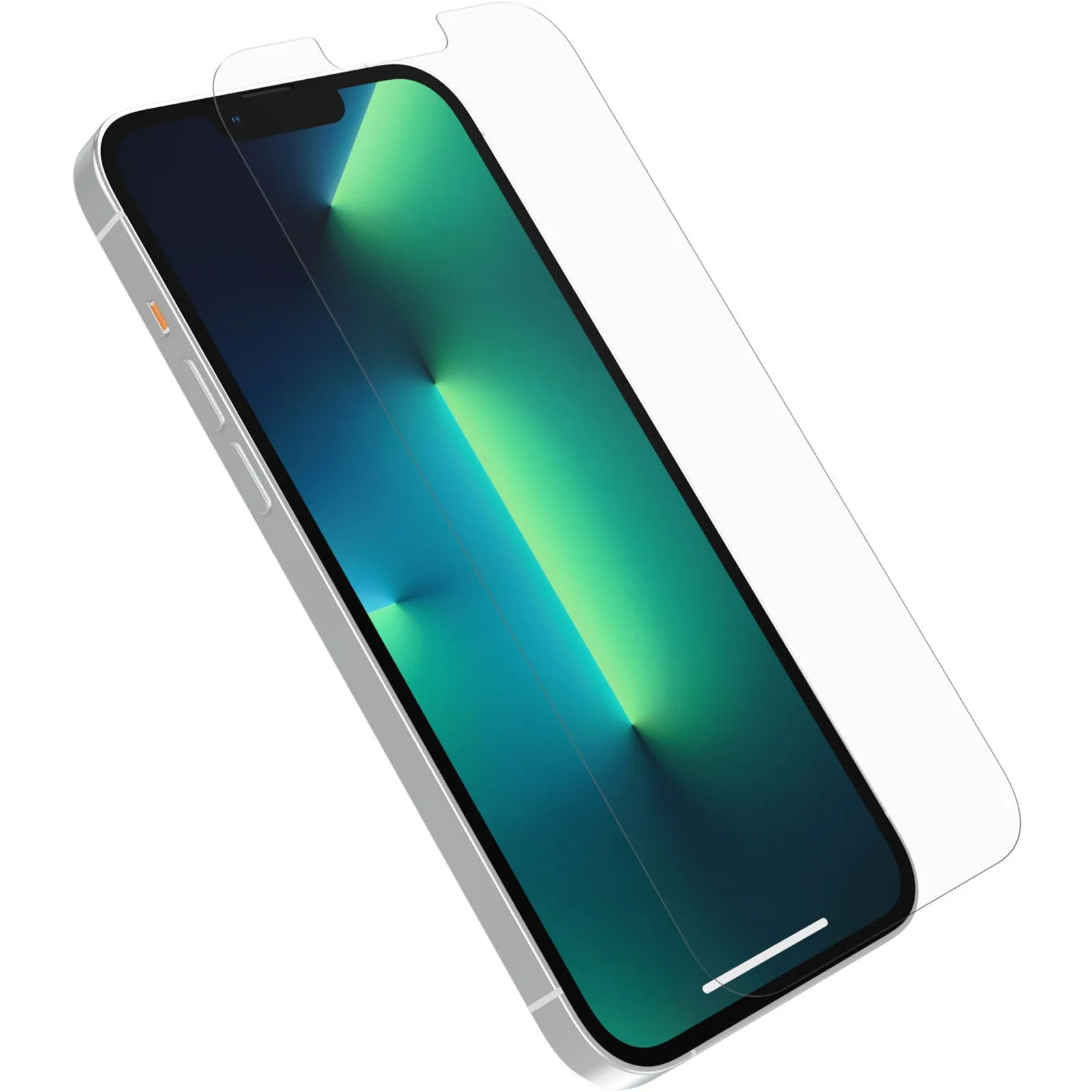
Quick Answer
You don't strictly need a screen protector with an OtterBox case, but it's a smart investment if you're worried about scratches and smudges. OtterBox cases provide drop protection, but they don't fully shield the screen from everyday abrasions. Adding a screen protector gives you extra peace of mind without compromising the case's protective benefits.
A common question among phone owners is whether a screen protector is necessary when you already have a rugged case like OtterBox. The short answer: it depends on your lifestyle and how you use your phone. OtterBox cases are designed to absorb impact from drops, but they don't cover the front of your screen completely, leaving it exposed to keys, coins, and other surfaces.
In this guide, we'll break down the myth that a case alone is enough for full protection. We'll look at what OtterBox cases do and don't do, and help you decide if adding a screen protector is worth it for you.
What OtterBox Cases Protect Against
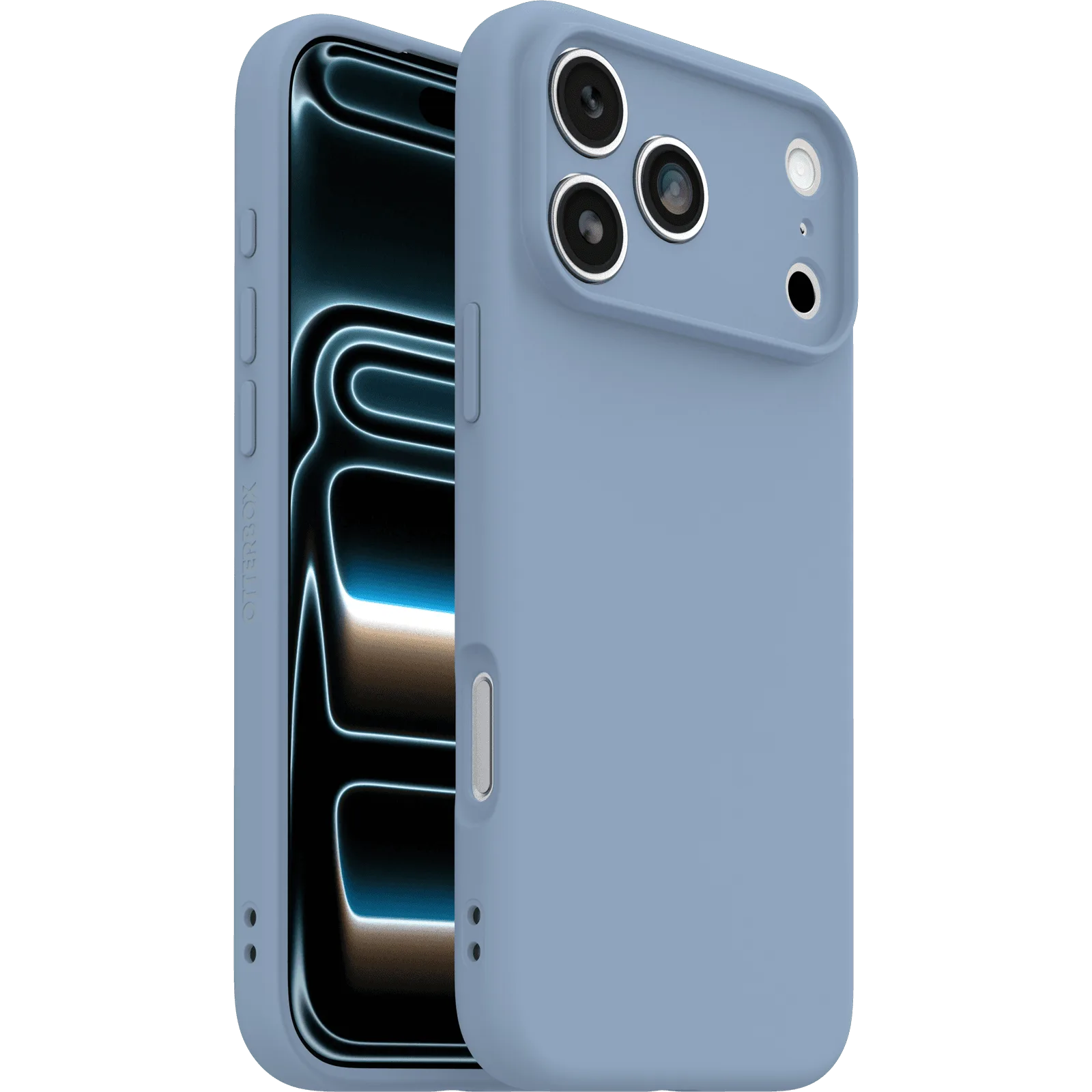
OtterBox cases are engineered to handle drops. For example, the Commuter Series for Galaxy S26 Ultra offers 3X military standard drop protection (MIL-STD-810G 516.6), while the Frē Series for iPhone 17 goes further with 5X military standard drop defenses and is waterproof to 2 meters for 1 hour. These cases absorb shock, protect corners, and keep your phone safe from falls.
However, cases typically leave the screen exposed. While some cases have raised edges to keep the screen off flat surfaces, they don't prevent scratches from direct contact with sharp objects. If you often put your phone in a bag with keys or set it face down, the screen can still get scratched.
- Check if your case has raised lips—they help but don't fully protect the screen.
- Consider your daily environment: sandy, dusty, or pocket-heavy with coins?
- If you're clumsy with drops, prioritize drop protection; if you're careful but rough on surfaces, think about scratches.
The Role of Screen Protectors
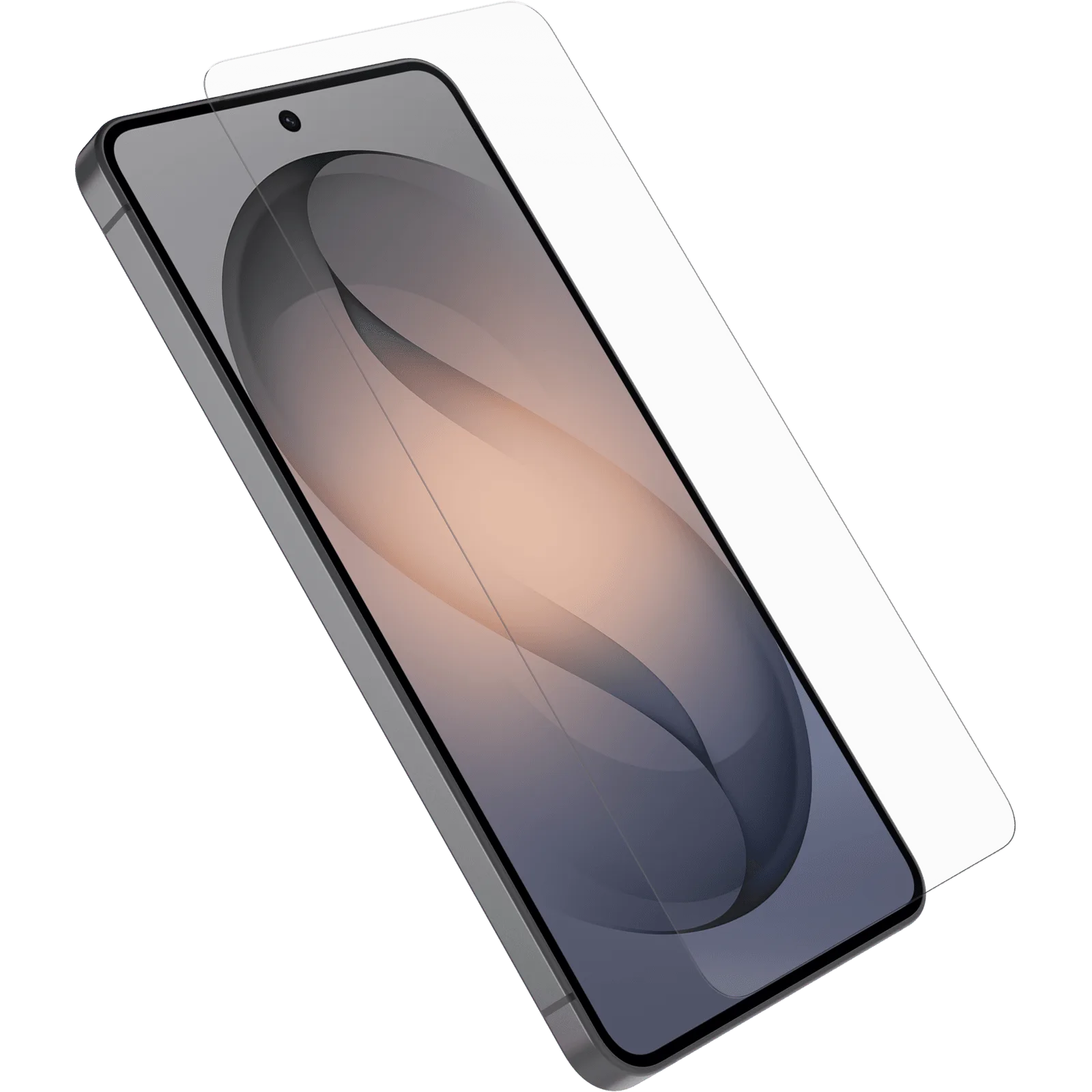
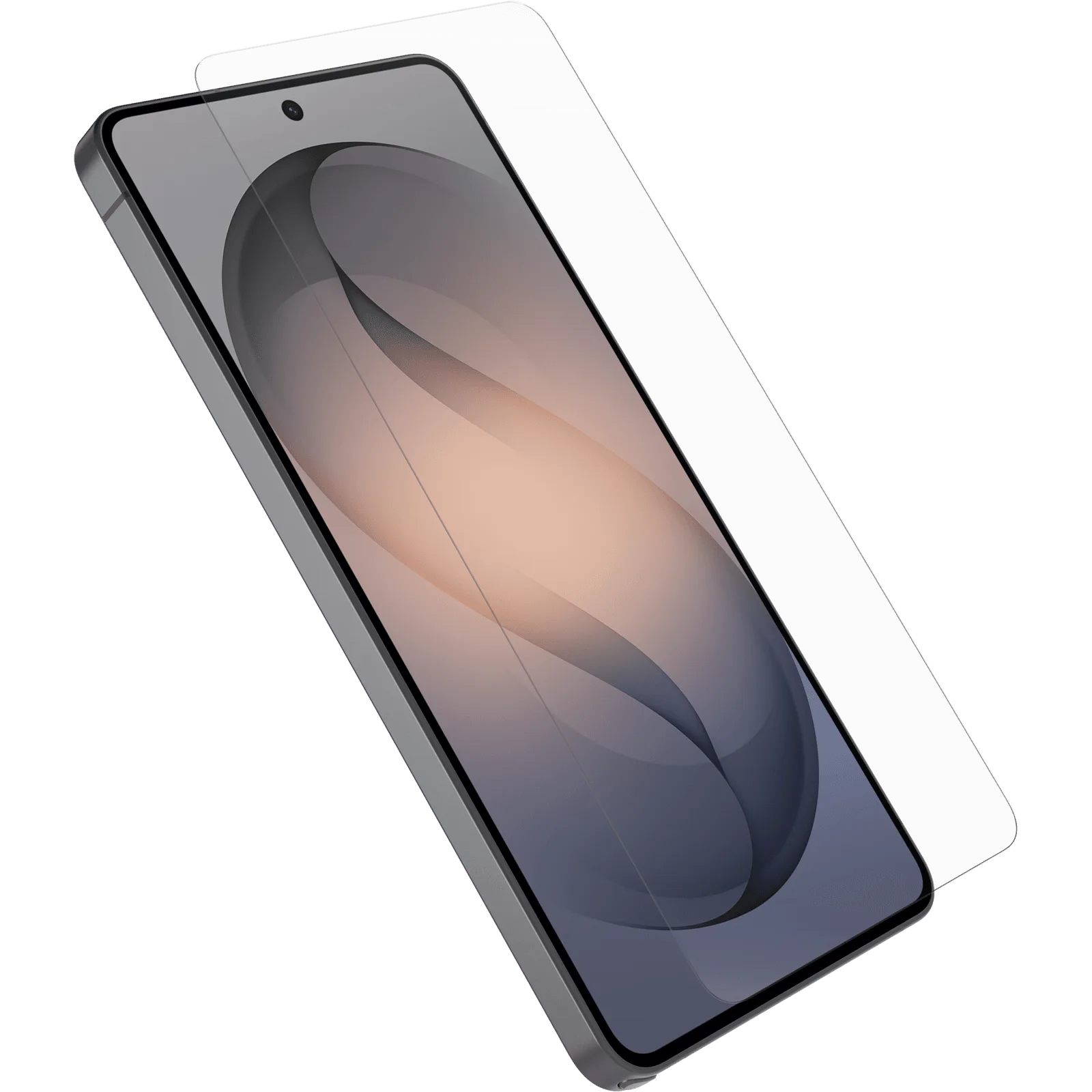
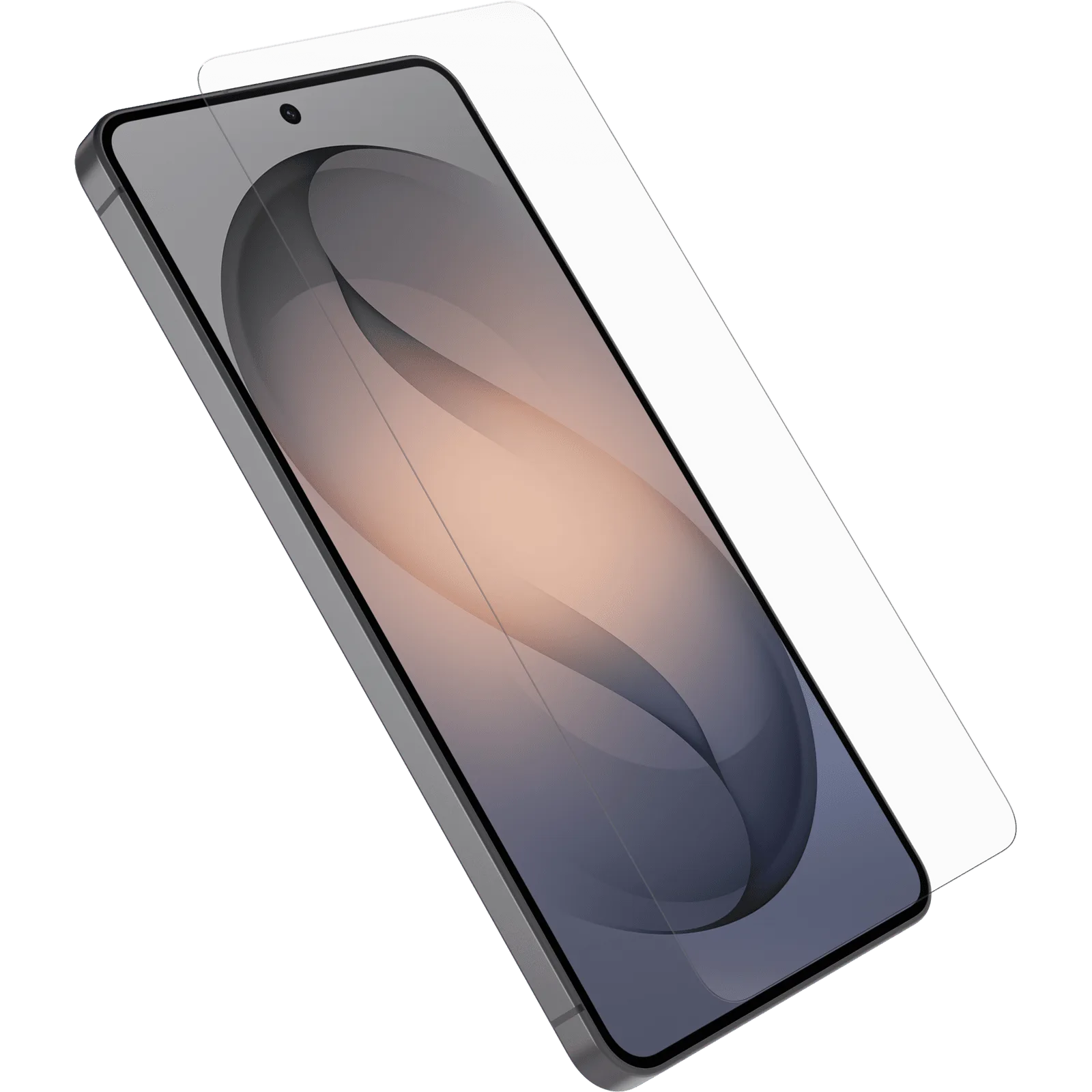
Screen protectors add a sacrificial layer that takes the damage instead of your phone's glass. They come in two main types: glass and film. Glass protectors, like the OtterBox Glass for Galaxy S26 Ultra, offer better drop and scratch resistance and feel more like the original screen. Film protectors, such as the Alpha Flex for iPhone 13 Pro Max, are thinner and more flexible, but they may not absorb impacts as well.
When choosing a screen protector, consider compatibility with your case. Some protectors may not fit well with certain cases, causing bubbles or lifting. OtterBox designs its screen protectors to work seamlessly with its cases, ensuring a proper fit and full functionality.
- Glass protectors generally offer better scratch and drop protection.
- Film protectors are less noticeable but may not guard against hard impacts.
- Always check compatibility with your case to avoid fit issues.
Myth vs. Reality: Screen Protectors and OtterBox Cases
- Myth: A case is enough: OtterBox cases protect against drops but not scratches. The exposed screen can still get scratched by keys or rough surfaces. Verdict: False – a screen protector adds necessary scratch defense.
- Myth: Screen protectors are unnecessary: If you're careful, you might not need one. But if you want peace of mind and don't want to deal with scratches, a protector is a small investment. Verdict: It's a personal choice – weigh your habits.
- Myth: All screen protectors are the same: Glass and film have different strengths. Glass offers better impact resistance, while film is thinner and more flexible. Verdict: Choose based on your priorities – drop protection vs. minimal bulk.
Screen Protectors That Work with OtterBox Cases
- Galaxy S26 Ultra OtterBox Glass: This glass screen protector installs easily and helps protect your display against drops, breaks, and scratches. It resists smudges and fingerprints while maintaining vivid clarity. If you have a Galaxy S26 Ultra, this protector adds scratch and drop defense without affecting touch sensitivity or clarity, making it a great match for your OtterBox case.
- iPhone 13 Pro Max Alpha Flex Screen Protector Antimicrobial: This flexible film protector offers antimicrobial protection, which helps inhibit the growth of microbes on the screen. For older iPhone models, this film option is a lightweight choice that adds scratch resistance and a cleaner surface, though it may not be as impact-resistant as glass.
In the end, whether you need a screen protector with your OtterBox case comes down to how you use your phone. If you're prone to drops, the case is essential. If you're more worried about scratches from daily wear, a screen protector is a wise addition. Pairing a rugged case with a quality screen protector gives you comprehensive protection without sacrificing usability.