Quick Answer
Before using a nail pistol, always read the manual, wear protective eyewear, and practice on a test surface. Start with the lowest power setting and keep your fingers clear of the nozzle to avoid injury.
A nail pistol can be a game-changer for at-home manicures, offering precision and speed that traditional polish can't match. But like any tool, it comes with its own set of safety considerations. Whether you're a beginner or have some experience, understanding these nail pistol safety tips is crucial to avoid mishaps and achieve beautiful results.
In this guide, we'll walk you through essential precautions and step-by-step practices to ensure you use your nail pistol safely and effectively. From pre-use checks to proper technique, you'll learn everything you need to know before you start.
Why Nail Pistol Safety Matters
Nail pistols are designed to make nail application faster and more precise, but they require respect. The tool operates with force, and if used incorrectly, it can cause damage to your nails or even injury to your fingers. Understanding the mechanics and potential risks is the first step toward safe usage.
Most nail pistols, like the Portable Nail Pistol, come with adjustable power levels and safety features, but these only help if you know how to use them properly. Always treat your nail pistol as a precision instrument, not a toy.
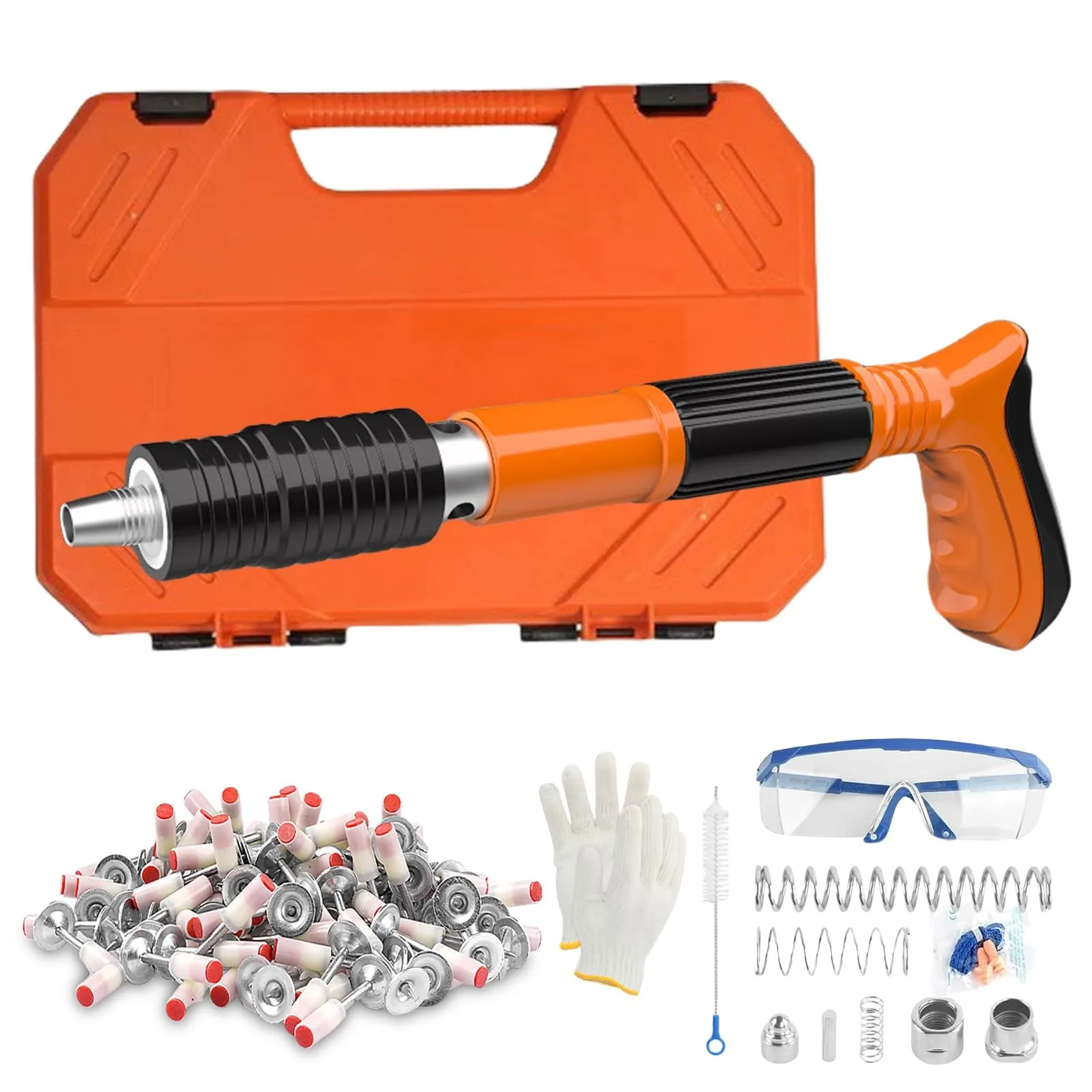
Portable Nail Pistol
- Always read the user manual before first use.
- Keep the tool away from children and pets.
- Never point the nozzle at yourself or others.
Preparing Your Workspace and Tools
Before you even pick up your nail pistol, prepare a clean, well-lit workspace. Ensure you have enough room to move your hands freely without knocking over the tool. Lay out all your supplies—nail tips, adhesive, and the pistol itself—so everything is within easy reach.
Check your nail pistol for any visible damage. Look at the nozzle, the power cord (if any), and the body for cracks or wear. If anything seems off, don't use it. A damaged tool can malfunction and cause injury.
- Use a non-slip mat to keep your pistol steady.
- Have a test surface like a practice nail or cardboard to try settings.
Understanding Power Settings and Control
Most nail pistols offer multiple power levels. For beginners, it's wise to start at the lowest setting and gradually increase as you get comfortable. High power may be necessary for thicker materials, but it also increases the risk of over-penetration or nail damage.
The Portable Nail Pistol features 5-speed settings, allowing you to adjust the force for different surfaces. Practice on a spare surface to feel how each setting behaves before using it on your actual nails.
- Always test on a practice area first.
- If the nail doesn't set properly, increase power gradually rather than making large jumps.
Proper Handling and Technique
Hold the nail pistol firmly with both hands, keeping your fingers away from the nozzle. Position the tool perpendicular to the nail surface for even application. Use a steady, controlled motion—don't rush or apply excessive pressure.
Keep your free hand clear of the area where you're working. This reduces the risk of accidental contact with the nozzle. If you need to reposition, lift the tool completely before moving it.
- Maintain a relaxed grip to avoid shaking.
- Take breaks if your hand gets tired; fatigue leads to mistakes.
Step-by-Step Safe Usage Guide
- Read the Manual: Familiarize yourself with the specific model's features and safety instructions. Every nail pistol is slightly different. Checkpoint: Know where the power button and safety lock are.
- Wear Protective Gear: Put on safety glasses to protect your eyes from any flying debris. Gloves can also help protect your skin from accidental contact. Checkpoint: Ensure your eyewear fits snugly and doesn't fog up.
- Test on a Practice Surface: Before using on your nails, practice on a fake nail or a piece of cardboard. Start with the lowest power setting and observe the result. Checkpoint: Adjust the power setting only after seeing how it performs.
- Position the Pistol Correctly: Hold the pistol at a 90-degree angle to the nail surface. Keep your fingers away from the nozzle and apply gentle, even pressure. Checkpoint: If the pistol slips, stop and reposition before continuing.
- Maintain Control and Focus: Keep both hands on the pistol and avoid distractions. Work in a well-lit area and take breaks to prevent fatigue. Checkpoint: If you feel tired, pause and resume later.
Product Spotlight: Portable Nail Pistol
- Portable Nail Pistol: Lightweight and portable, under 1 kg, with a small head design and reinforced alloy steel. Its lightweight build allows for easy one-handed use, but you should still use both hands for maximum control and safety.
- Portable Nail Pistol: Adjustable power levels with 5-speed settings and low-noise operation with a built-in steel muffler. The 5-speed settings let you start low and increase gradually, while the low-noise feature makes it comfortable to use in shared spaces.
Using a nail pistol safely is all about preparation, understanding your tool, and practicing good technique. By following these nail pistol safety tips and precautions, you'll be well on your way to professional-looking results without the risk. Remember, patience and practice are your best allies. Happy nailing!