Quick Answer
Both nano-hydroxyapatite (n-HA) and fluoride effectively remineralize enamel and prevent cavities, but they work differently. Fluoride has decades of research, while n-HA is a biocompatible alternative that appeals to those seeking fluoride-free options. If you prefer natural, plastic-free oral care, toothpaste bits with n-HA (like Bite's Fluoride-Free Toothpaste) offer a convenient choice, but if you have high cavity risk, fluoride may be your best bet.
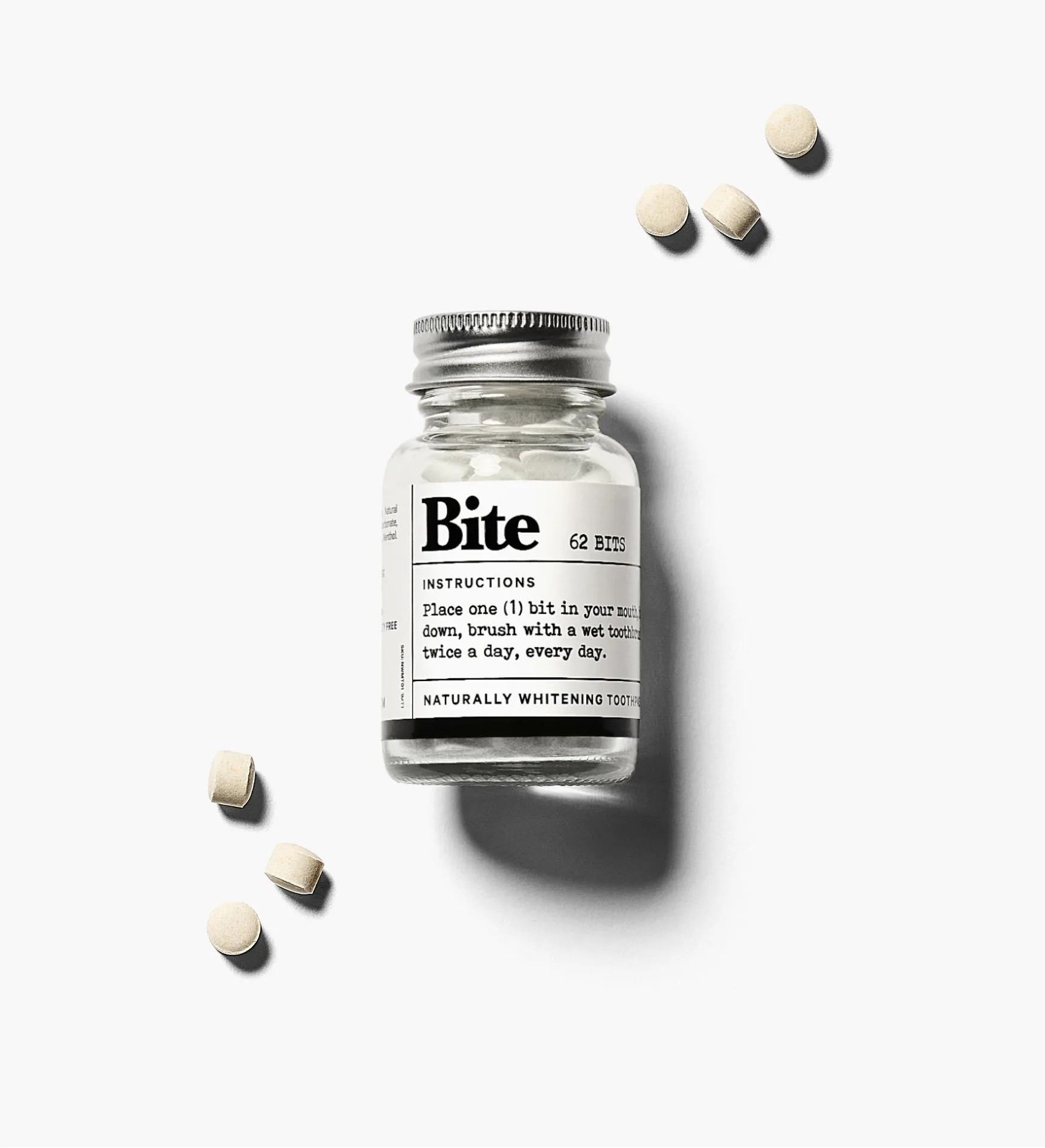
Fluoride-Free Toothpaste
Choosing between nano-hydroxyapatite and fluoride toothpaste can feel like a dental dilemma. Both ingredients aim to strengthen enamel and stop cavities, yet they come from different philosophies of oral care. Understanding how they work helps you pick the right paste for your smile.
Nano-hydroxyapatite is a synthetic form of the mineral that makes up tooth enamel, while fluoride is a naturally occurring mineral that has been the gold standard in dentistry for decades. This comparison breaks down their mechanisms, benefits, and trade-offs, and shows how toothpaste bits fit into the picture.
How Nano-Hydroxyapatite Works
Nano-hydroxyapatite (n-HA) particles are tiny, and they physically bind to the tooth surface, filling in microscopic scratches and rebuilding enamel from the outside. Because it's the same mineral your teeth are made of, it's highly biocompatible and doesn't pose toxicity risks even if swallowed. Studies suggest it can be as effective as fluoride for remineralizing early cavities.
One of the biggest appeals of n-HA is that it's fluoride-free, making it a go-to for parents of young children who might swallow paste, or for people who prefer to avoid fluoride for personal reasons. It also doesn't cause fluorosis, a cosmetic condition from excess fluoride during childhood.
- n-HA is biocompatible and safe if swallowed.
- It remineralizes enamel directly by depositing minerals.
- Ideal for those avoiding fluoride.
How Fluoride Works
Fluoride has a long track record of preventing cavities. It works by being incorporated into the tooth structure, making enamel more resistant to acid attacks from bacteria. It also promotes remineralization and can reverse early decay. Many dental associations endorse fluoride for its proven efficacy.
However, fluoride must be used in appropriate amounts. Overexposure during tooth development can lead to fluorosis, and some people prefer to limit fluoride intake from all sources. For those at high risk of cavities, fluoride toothpaste is often recommended by dentists.
- Fluoride strengthens enamel against acid.
- Proven over decades of clinical use.
- Requires careful use in children to avoid fluorosis.
Comparing Remineralization and Cavity Prevention
Both ingredients remineralize enamel, but they do it in slightly different ways. n-HA directly adds mineral to the tooth surface, while fluoride changes the enamel's composition to make it more acid-resistant. Research suggests n-HA can be as effective as fluoride for remineralizing initial lesions, but fluoride has more long-term clinical data.
For cavity prevention, both can help, but your individual risk factors matter. If you have a history of cavities, poor diet, or dry mouth, fluoride's proven track record might be more reassuring. If you're generally healthy and prefer natural products, n-HA is a solid choice.
- Both can remineralize early cavities.
- Fluoride has more historical clinical evidence.
- n-HA offers a natural alternative without fluoride.
Toothpaste Bits: A Convenient, Plastic-Free Option
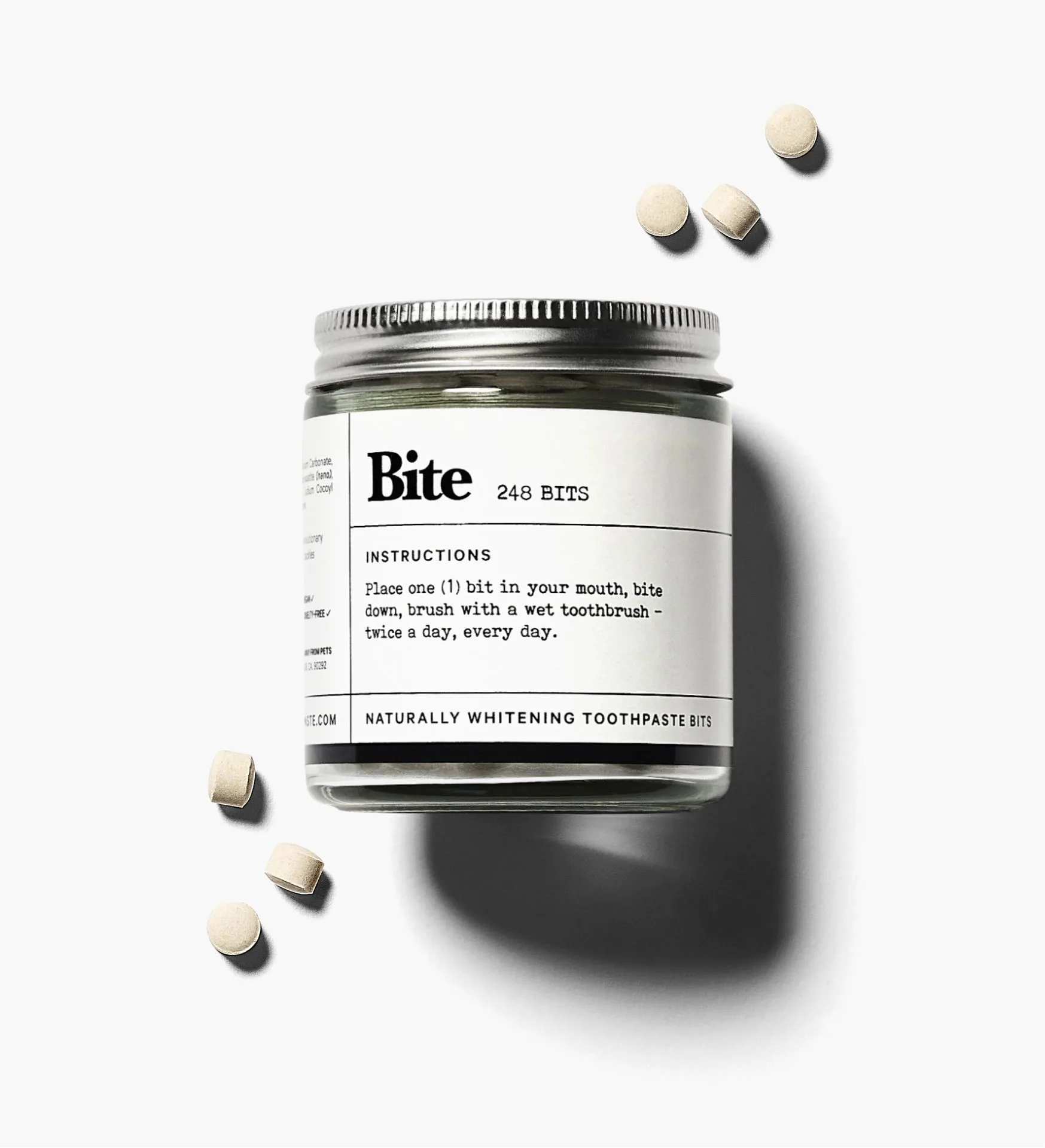
Toothpaste bits are a modern, eco-friendly alternative to traditional toothpaste tubes. They come as small tablets that you chew and then brush with a wet toothbrush. They reduce plastic waste and often contain clean, effective ingredients. Bite's Fluoride-Free Toothpaste Bits use nano-hydroxyapatite for remineralization, making them a great fit for those seeking a natural, plastic-free routine.
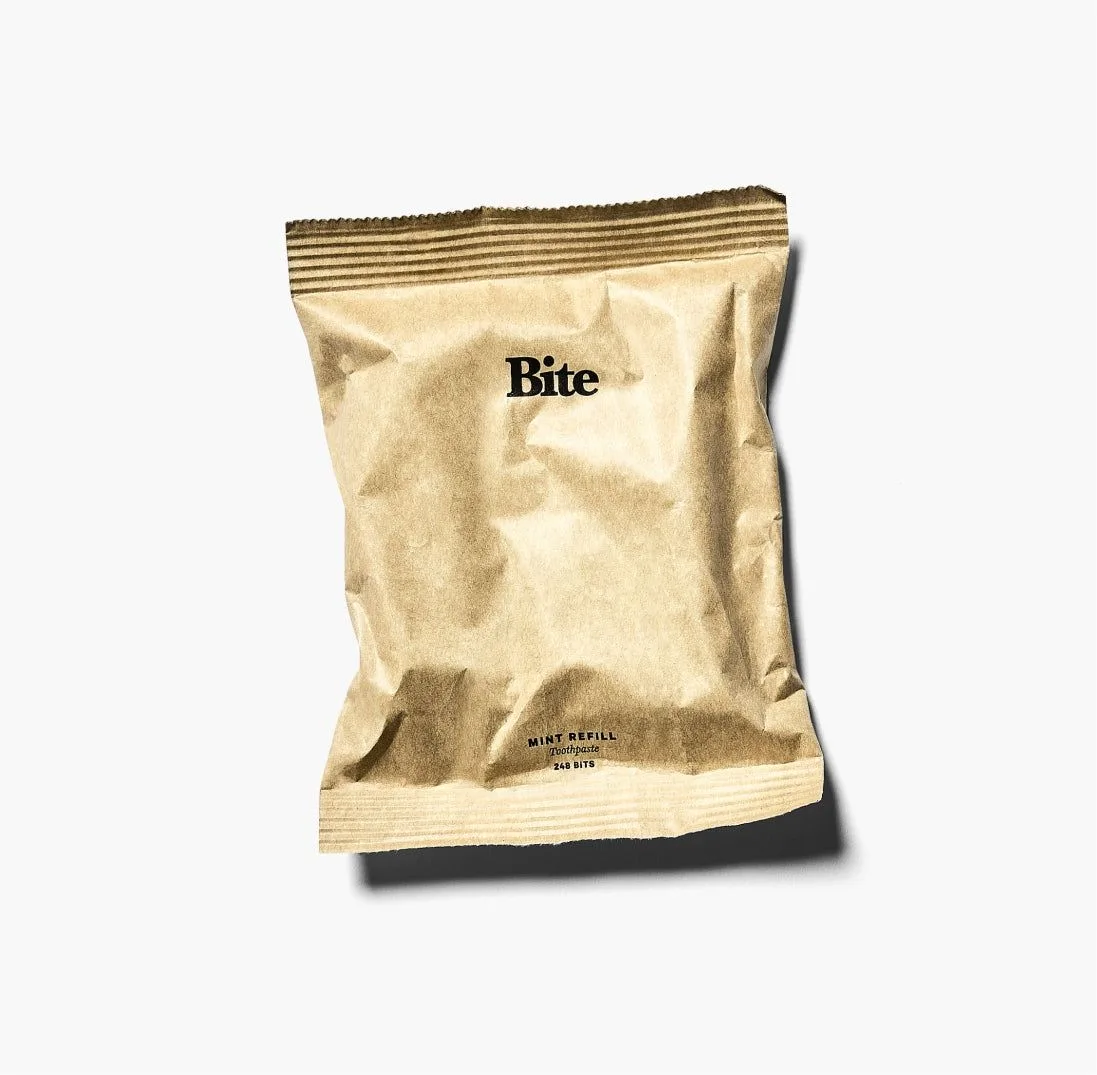
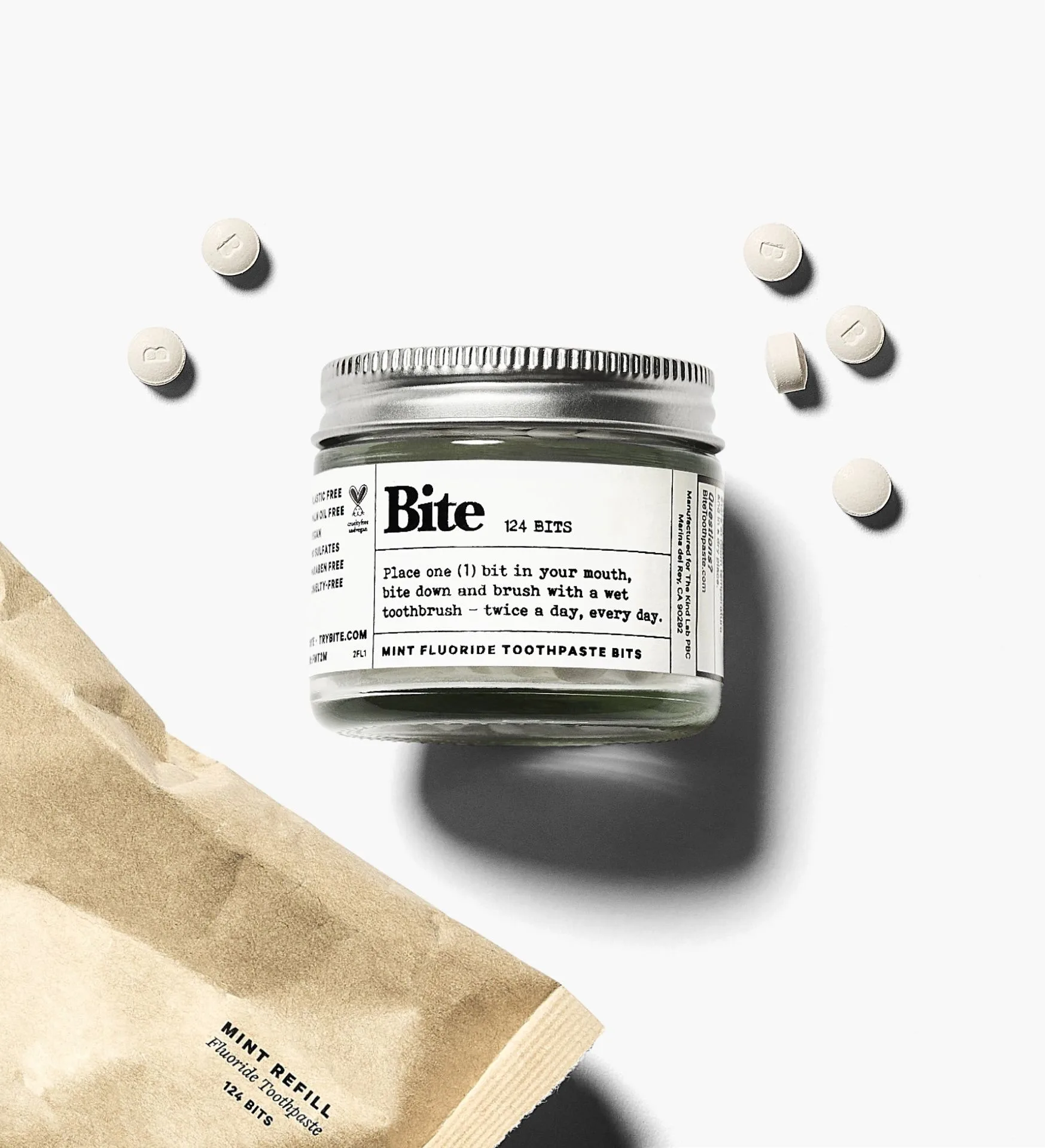
If you prefer fluoride, Bite also offers a Fluoride Toothpaste Refill, which contains fluoride in a plastic-free tablet form. This lets you choose your preferred active ingredient without compromising on sustainability.
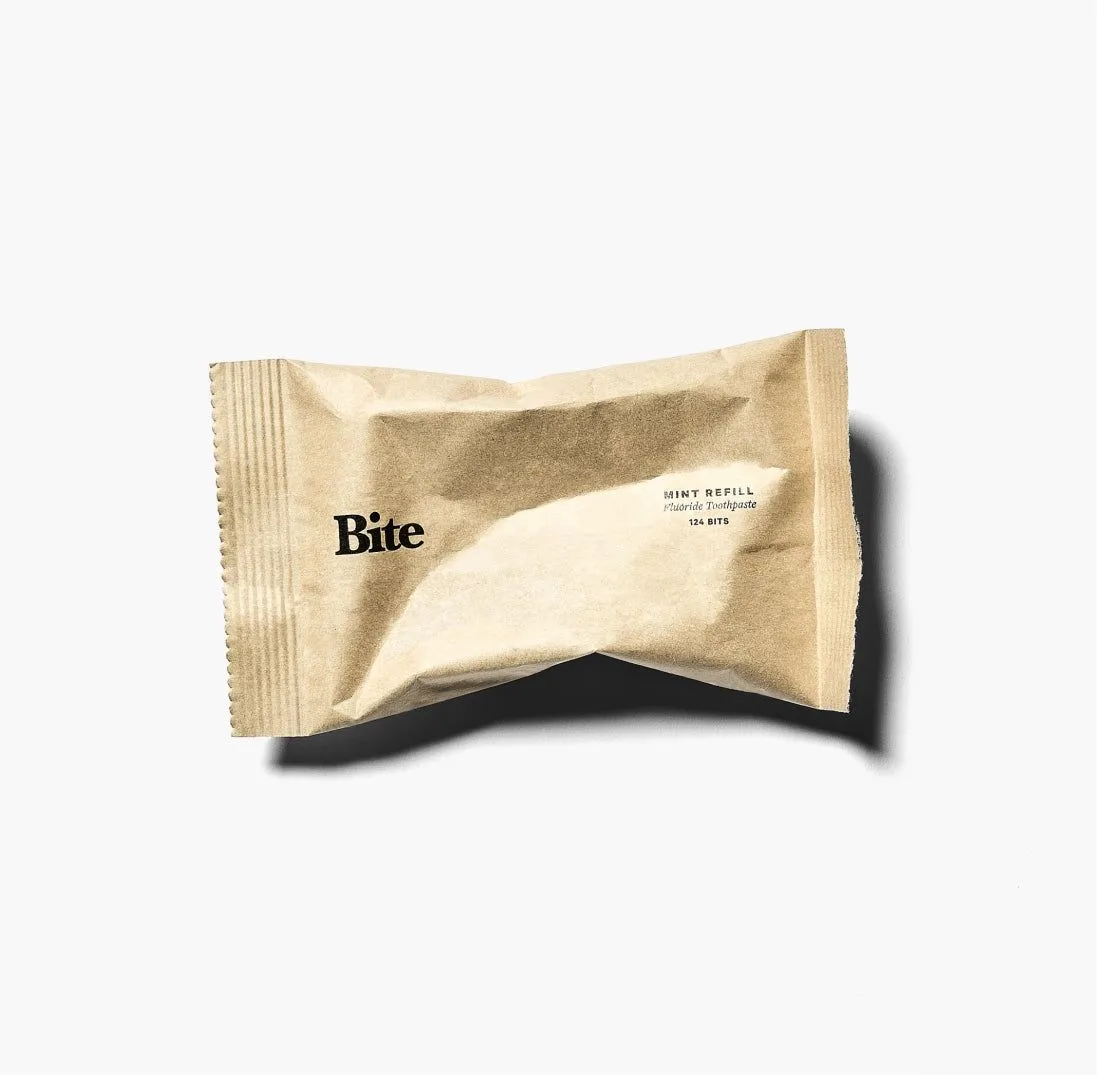
Fluoride Toothpaste Refill
- Toothpaste bits eliminate plastic tubes.
- Available in both fluoride and fluoride-free formulas.
- Convenient for travel and daily use.
Trade-Offs to Consider
- Fluoride: Proven but controversial: Fluoride has decades of research backing its cavity-fighting power, but some people prefer to avoid it due to concerns about ingestion or fluorosis. Choose fluoride if you have high cavity risk or want the most evidence-based option.
- Nano-hydroxyapatite: Natural but less historical data: n-HA is biocompatible and effective, but long-term studies are fewer compared to fluoride. It's a great choice for those avoiding fluoride. Opt for n-HA if you want a natural, fluoride-free alternative that still remineralizes.
- Toothpaste bits: Eco-friendly but require habit change: Bits reduce plastic waste but require chewing before brushing, which might be an adjustment for some users. If sustainability is a priority, bits are worth the switch.
Bite Toothpaste Bits at a Glance
- Fluoride-Free Toothpaste: Our Fluoride-Free Toothpaste offers a simple, effective alternative to traditional toothpaste. Made without chemicals, plastics, or fluoride, each 1oz jar provides a clean, natural way to care for your teeth. Available in three refreshing flavors: Mint, Mint Charcoal, and Berry Twist. This is Bite's nano-hydroxyapatite option, ideal for those who want fluoride-free, plastic-free oral care.
- Fluoride Toothpaste Refill: Our Fluoride Toothpaste Refill offers a simple, effective alternative to traditional toothpaste. Made without chemicals or plastics, this mint-flavored refill helps you maintain a clean, fresh smile while reducing waste. Fluoride formula supports strong, healthy teeth. If you prefer fluoride's proven cavity protection, this refill gives you that in a plastic-free tablet form.
Which Should You Choose?
Best for
- People who prefer natural, fluoride-free products and want effective remineralization.
- Eco-conscious consumers who want plastic-free oral care without sacrificing active ingredients.
Not for
- Individuals with high cavity risk who need fluoride's clinically proven protection.
- Those who dislike the texture or routine of toothpaste bits.
Both nano-hydroxyapatite and fluoride have their place in oral care. Your choice depends on your health needs, personal preferences, and environmental values. Bite's toothpaste bits let you choose either active ingredient while cutting plastic waste, so you can smile brighter and feel good about your routine.