Retinol has long been celebrated as the gold standard in anti-aging skincare, but its notorious side effects—redness, peeling, and irritation—often discourage beginners from reaping its benefits. Enter nano retinol, a newer formulation designed to deliver the same powerful results with a much gentler touch. If you are new to retinol or have sensitive skin, understanding the differences between nano retinol and traditional retinol can help you choose the right anti-aging ingredient for your routine.
In this guide, we break down how each form works, their pros and cons, and why nano retinol might be the perfect starting point for retinol beginners. We also highlight complementary products from Gentle yet Effective Korean Skincare to support your journey toward a smoother, more youthful complexion.
What Is Traditional Retinol?
Traditional retinol is a form of vitamin A that converts to retinoic acid in the skin after multiple enzymatic steps. This conversion process is what stimulates collagen production, accelerates cell turnover, and reduces fine lines, wrinkles, and hyperpigmentation. However, because it must penetrate deep into the skin to work, it often triggers inflammation and irritation, especially in those new to retinol. The result can be a period of purging, dryness, and sensitivity that many find discouraging.
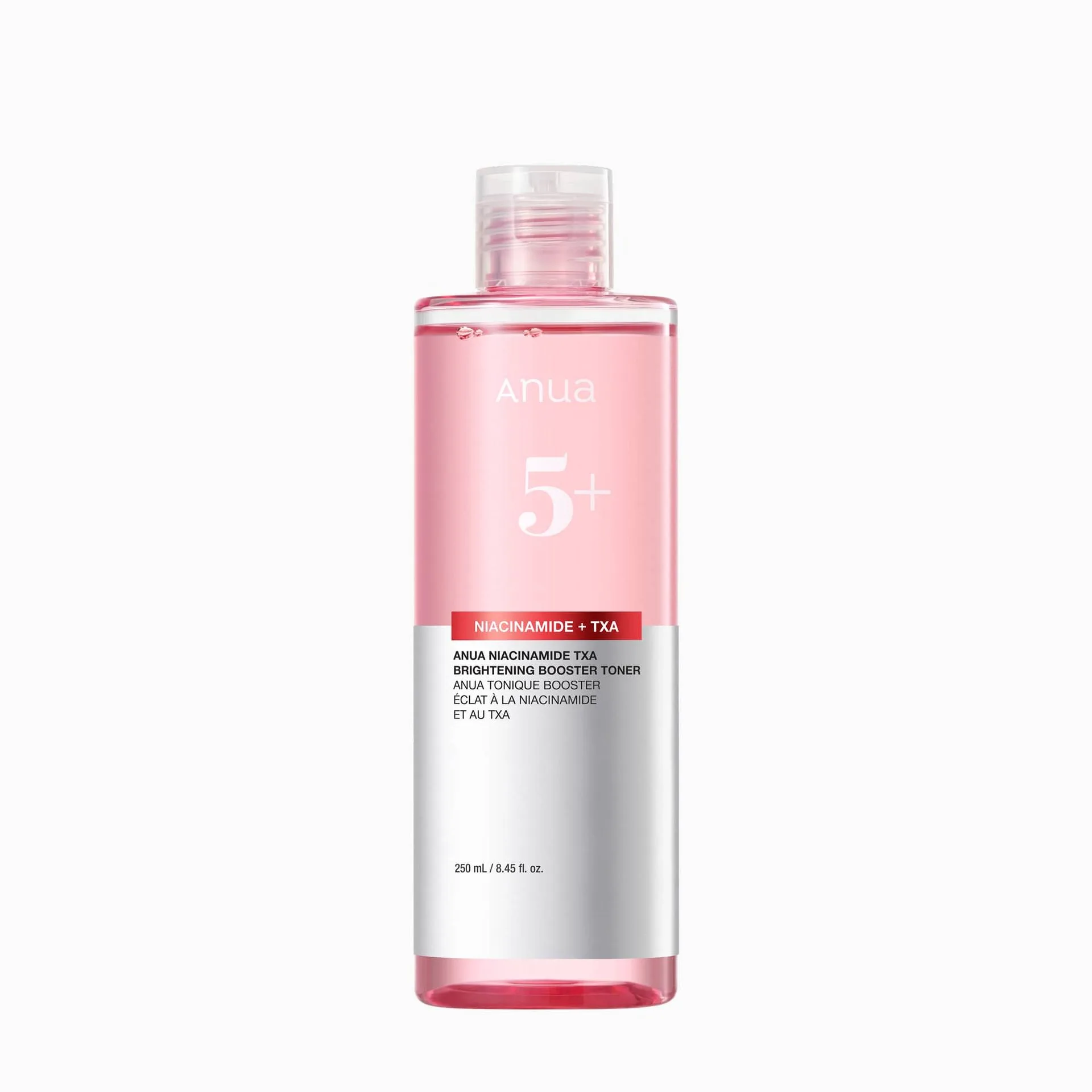
For beginners, starting with a low concentration (0.25% to 0.5%) and gradually building tolerance is the standard advice. Yet even low-strength traditional retinol can cause discomfort. That is why many dermatologists recommend using a moisturizer or barrier-repairing product alongside it. For example, pairing retinol with a hydrating toner like the https://purebeautytools.store/products/niacinamide-tranexamic-acid-brightening-booster-toner-51532Niacinamide Tranexamic Acid Brightening Booster Toner can help soothe the skin while you adjust. This toner also supports brightening, making it a smart companion for retinol users.
- Traditional retinol requires conversion to retinoic acid, which can take several hours.
- Common side effects include redness, peeling, and increased sun sensitivity.
- Best for experienced users who have built tolerance over time.
What Is Nano Retinol?
Nano retinol is an advanced form of retinol that uses nanotechnology to reduce particle size, allowing it to penetrate the skin more efficiently and with less irritation. By encapsulating retinol in tiny lipid or polymer carriers, nano retinol delivers the active ingredient directly to target cells while minimizing contact with the skin's surface. This means less irritation and a faster conversion to retinoic acid, making it an ideal anti-aging ingredient for beginners and sensitive skin types.
Because nano retinol is gentler, it can be used more frequently and at higher effective concentrations without the harsh side effects of traditional retinol. This innovation has made retinol accessible to a wider audience. For those looking to enhance their anti-aging routine further, consider incorporating the Retinol 0.1 Caffeine Revitalizing Eye Cream, which combines nano retinol with caffeine to target fine lines and puffiness around the eyes. It is a perfect example of how gentle retinol can be formulated for delicate areas.
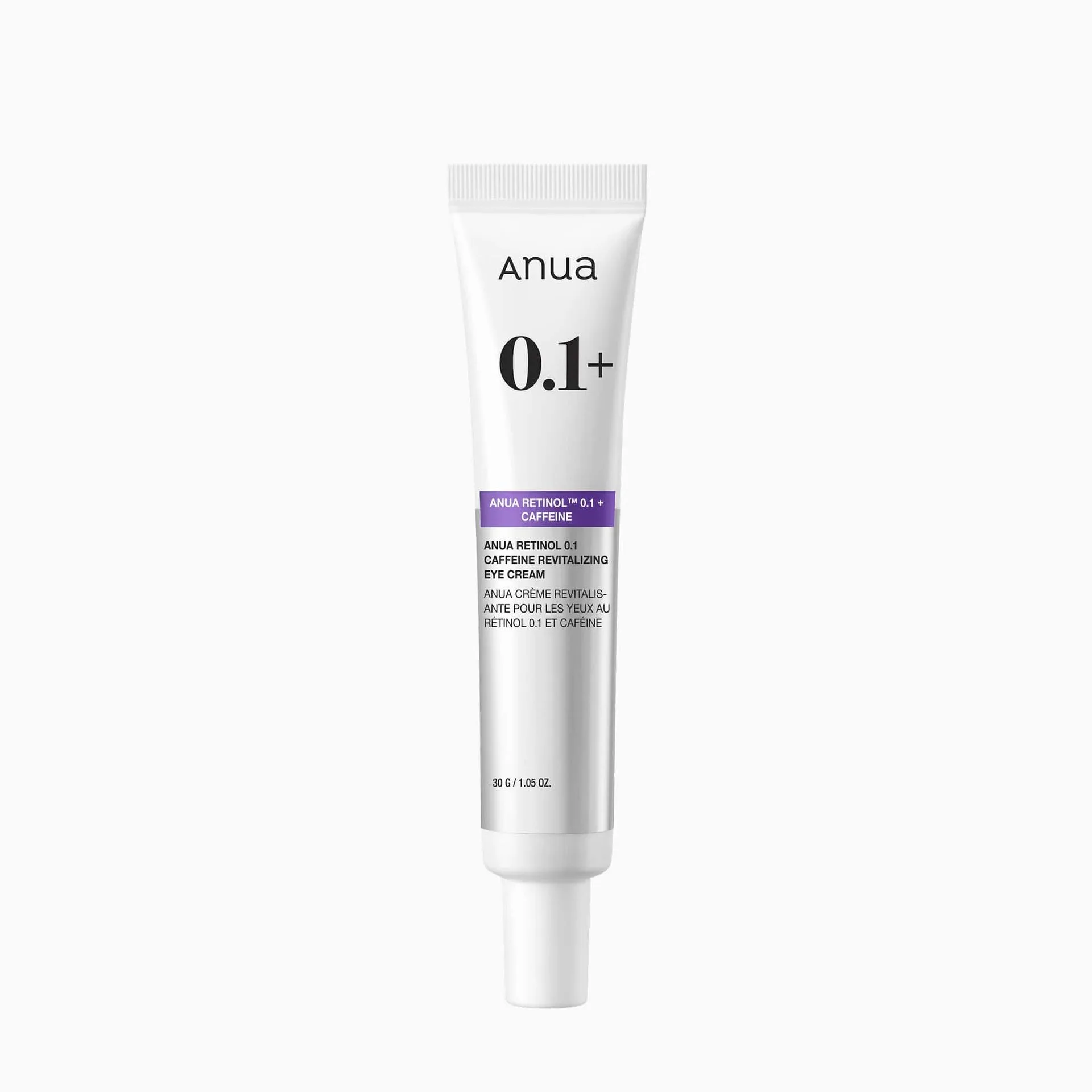
Retinol 0.1 Caffeine Revitalizing Eye Cream
- Nano retinol uses encapsulation technology for deeper, gentler delivery.
- Causes significantly less irritation and redness than traditional retinol.
- Ideal for retinol beginners and those with sensitive or reactive skin.
Key Differences Between Nano Retinol and Traditional Retinol
The primary difference lies in delivery and tolerability. Traditional retinol relies on the skin's natural enzymes to convert it, which can be slow and irritating. Nano retinol bypasses much of that process by delivering retinol directly into cells, reducing the chance of surface irritation. This makes nano retinol a more beginner-friendly anti-aging ingredient. Additionally, nano retinol often has better stability and a longer shelf life because the encapsulation protects it from light and air.
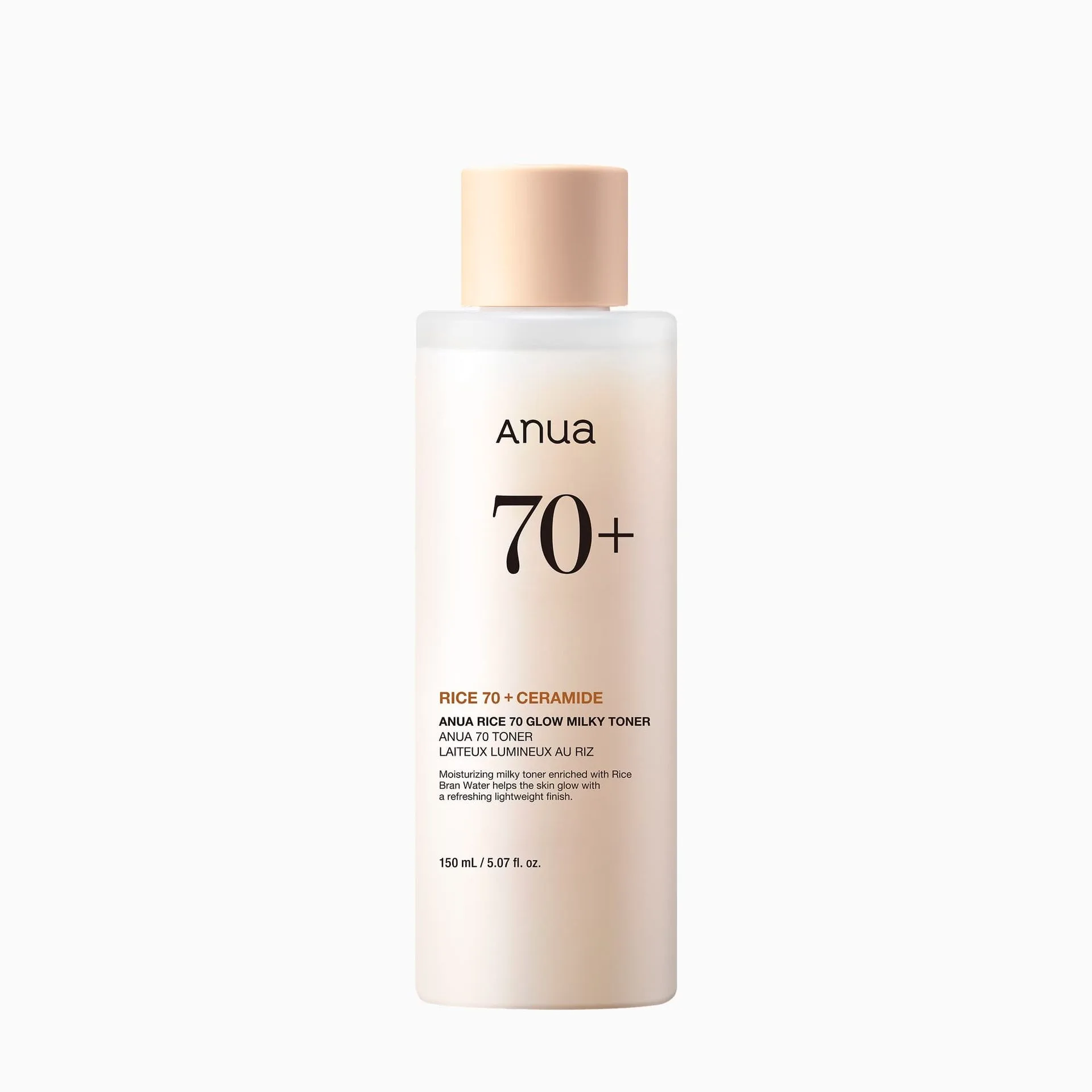
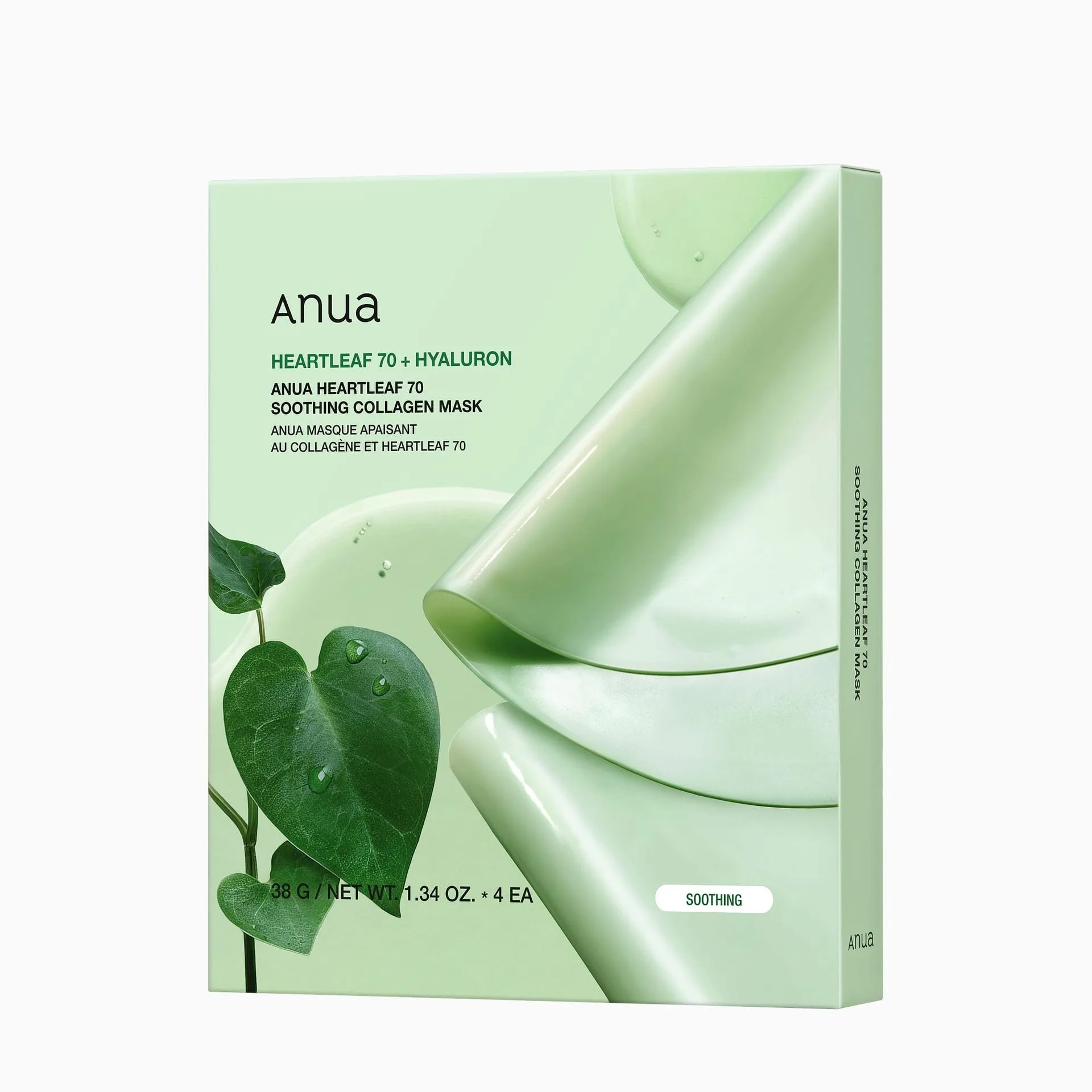
Another difference is in how quickly results appear. Traditional retinol may take 8-12 weeks to show visible improvements, while nano retinol can produce noticeable changes in as little as 4-6 weeks due to its enhanced bioavailability. However, both forms require consistent use and sun protection. For beginners, starting with a gentle retinol like nano retinol is recommended, and you can support your skin barrier with a soothing sheet mask such as the Rice 70 Glow Collagen Mask, which hydrates and brightens while you acclimate to retinol.
- Nano retinol: faster absorption, less irritation, quicker results.
- Traditional retinol: proven efficacy but higher risk of side effects.
- Both require sunscreen use during the day to prevent UV damage.
How to Choose the Right Anti-Aging Ingredient for Your Skin
Your choice between nano retinol and traditional retinol should depend on your skin type, tolerance, and goals. If you have sensitive, dry, or easily irritated skin, nano retinol is the safer bet. It allows you to enjoy anti-aging benefits without the dreaded retinoid purge. Beginners should start with a low concentration and use it two to three times per week, gradually increasing frequency as the skin adapts. Always apply retinol to dry skin and follow with a moisturizer to minimize irritation.
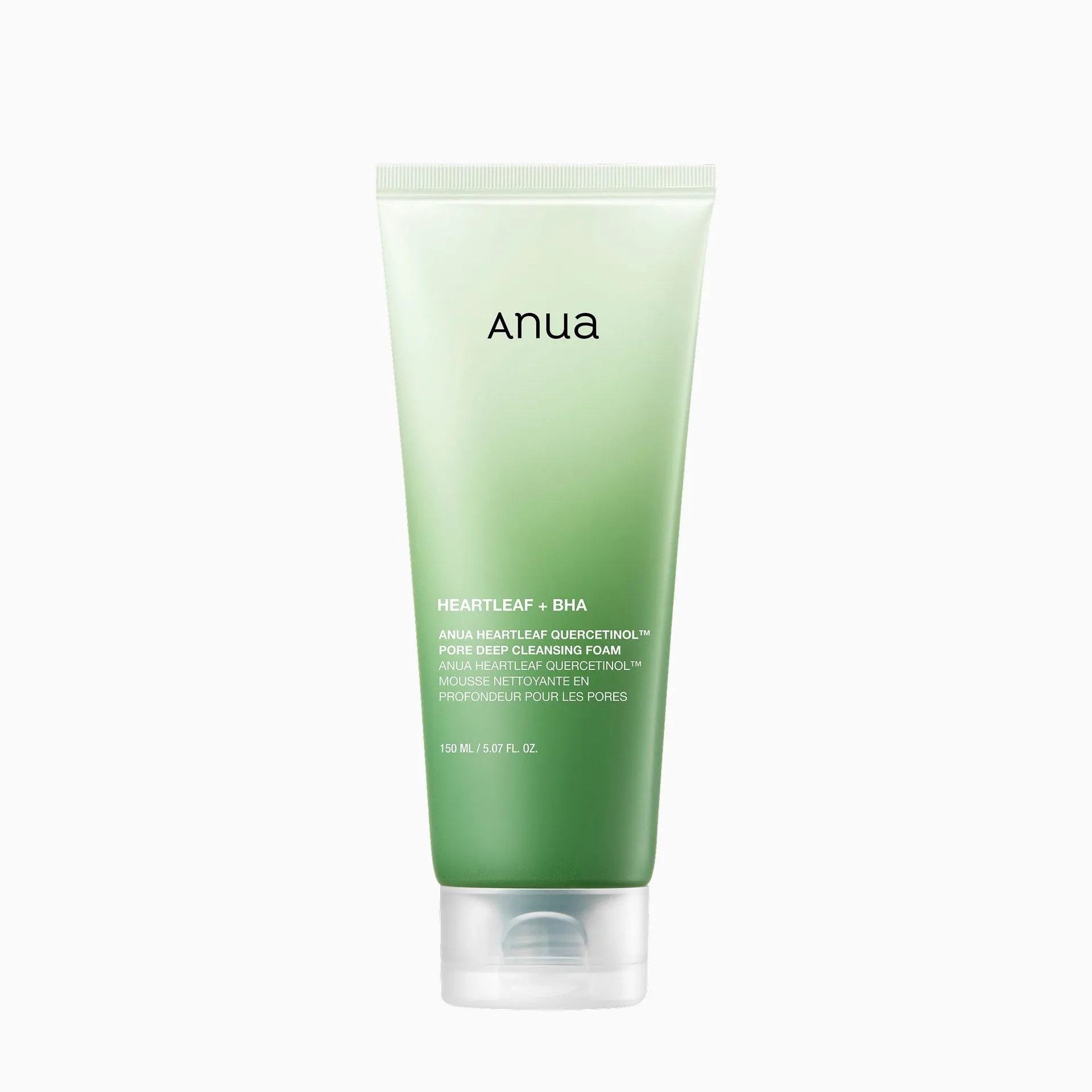
For those with oily or resilient skin, traditional retinol can still be effective, but you must be patient and diligent with hydration. Regardless of which form you choose, supporting your skin with complementary products is key. A gentle cleanser like the 8 Hyaluronic Acid Hydrating Gentle Foaming Cleanser can prep the skin without stripping it, while a hydrating toner like the Peach 77 Niacin Essence Toner can boost moisture and brightness. These steps help create a balanced routine that maximizes retinol's benefits while minimizing discomfort.
- Nano retinol: best for beginners, sensitive skin, and eye areas.
- Traditional retinol: suitable for experienced users with resilient skin.
- Always patch test and introduce retinol slowly into your routine.
Whether you choose nano retinol or traditional retinol, the key to successful anti-aging skincare is consistency and patience. Nano retinol offers a gentler entry point for beginners, while traditional retinol remains a powerful option for those with established tolerance. To start your retinol journey on the right foot, explore the Retinol 0.1 Caffeine Revitalizing Eye Cream at Gentle yet Effective Korean Skincare—a perfect blend of gentle retinol and soothing ingredients to revitalize your eyes and ease you into anti-aging benefits.