Quick answer
The Narwhal Shape Sorter is the better pick when your toddler is ready to practice matching, sorting, and fine motor control. The Sensory Ball is the better pick when your child still chews everything or needs a grab-and-go toy that works for babies and older kids. Many families end up owning both because they solve different problems.
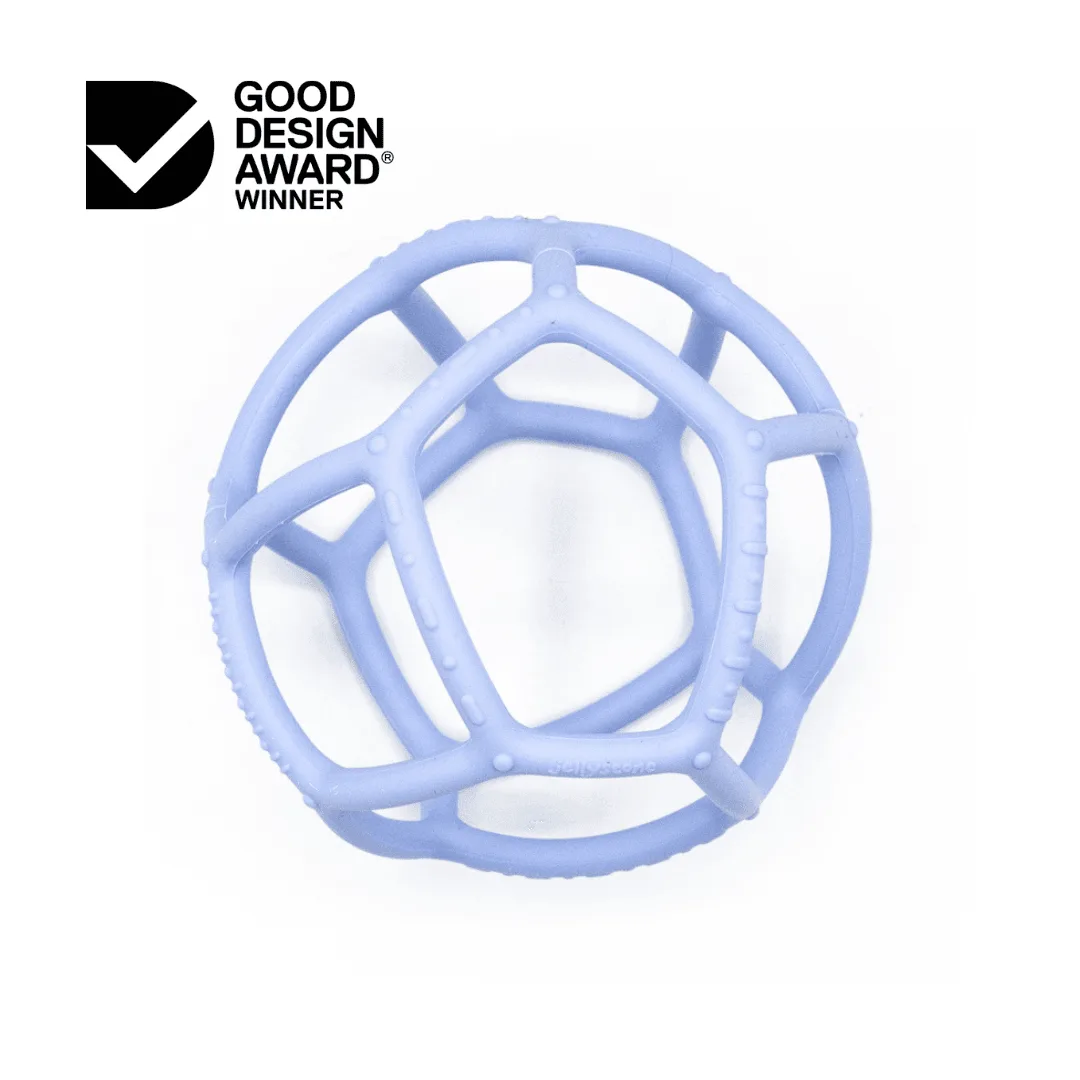
Sensory Ball
Toddler toy shelves fill up fast, and two Jellystone Designs favorites often end up side by side: the Narwhal Shape Sorter and the Sensory Ball. They look like they belong to different worlds, but both are toddler developmental toys that target different skills. Knowing which one fits your child right now keeps you from buying a toy that sits untouched.
This comparison breaks down what each toy actually does, where each one falls short, and how to choose based on your child's age, chewing habits, and attention span. No hype, just the trade-offs.
What each toy is designed to do
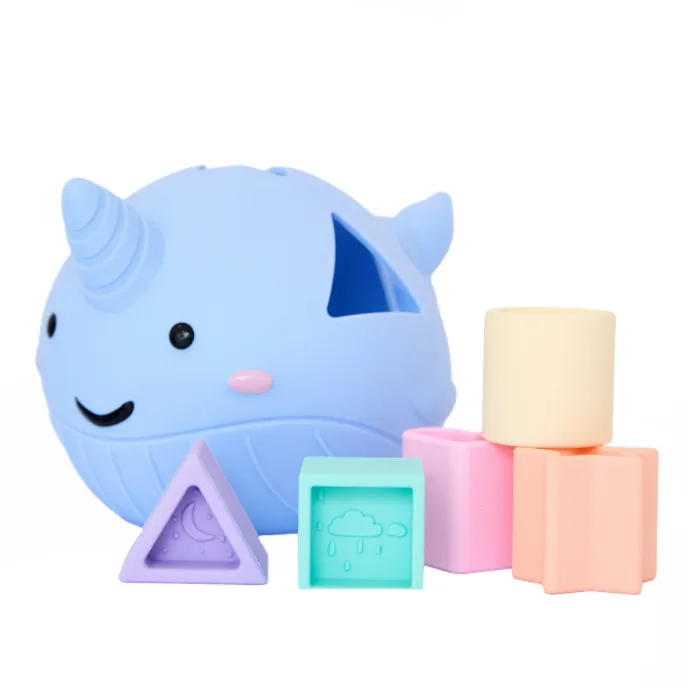
The Narwhal Shape Sorter is a classic shape-sorting toy reimagined with a narwhal body. Toddlers push five shapes through matching openings, which builds shape recognition and fine motor control. A specially designed base holds the blocks inside the narwhal so they do not scatter, and the pieces are easy to pull out when playtime starts again.
The Sensory Ball is a teether and sensory toy in one. It is made from food-grade silicone, so babies can chew the soft surface to soothe sore gums, and the open frame design makes it easy for small hands to grab. It works for all ages and stages, shifting from a teether for babies to a sensory toy for older children.
- Choose the shape sorter when you want a sit-down activity that builds a specific skill.
- Choose the Sensory Ball when you want a portable toy that doubles as a teether.
Fine motor skills and problem-solving
If your goal is a fine motor toy comparison, the Narwhal Shape Sorter wins on structured skill-building. Sorting each piece through the corresponding opening asks a toddler to rotate their wrist, match shapes, and problem-solve. That is repetitive, goal-directed play that builds hand-eye coordination over time.
The Sensory Ball does not teach shape matching, but it still supports motor development. The open frame gives babies and toddlers something to grasp, squeeze, and pass between hands. It is open-ended rather than task-based, so the motor work is real but less directed. If you want your child to practice a specific skill, the shape sorter is the clearer tool.
- Use the shape sorter for short, focused sessions of five to ten minutes.
- Use the Sensory Ball for free play and grabbing practice.
Teething and mouthing needs
The Sensory Ball is the obvious choice if your child still puts everything in their mouth. It is made from food-grade silicone and free from nasty chemicals, so babies can chew the soft, safe surface to soothe aching gums. That makes it a teether first and a toy second for younger babies.
The Narwhal Shape Sorter is not described as a teether. Its job is sorting and play, not chewing. If your toddler is past the heavy mouthing stage and wants to figure out how things fit together, the shape sorter fits that phase. If they are still gnawing on everything, the Sensory Ball is the safer bet for that need.
- Keep a Sensory Ball in the diaper bag for teething emergencies.
- Do not expect the shape sorter to replace a dedicated teether.
Portability, cleanup, and storage
The Sensory Ball is small, lightweight, and easy to toss in a bag, which makes it a strong travel toy. The Narwhal Shape Sorter has a base that holds the blocks inside the narwhal, so pieces stay contained between play sessions. That design cuts down on lost shapes, but the toy as a whole is bigger and less pocket-friendly.
Both are made from silicone, which is generally easy to wipe down or wash. The shape sorter has multiple pieces to keep track of, while the Sensory Ball is a single object. If you want the least cleanup and the fewest loose parts, the Sensory Ball is simpler.
- Store the shape sorter with its base closed to keep all five shapes together.
- Rinse the Sensory Ball after heavy chewing and let it air dry.
Longevity and value
The Sensory Ball is designed for all ages and stages, so it can start as a baby teether and stay in rotation as a sensory toy for older children. That range gives it a long useful life. The Narwhal Shape Sorter is aimed at bubs and toddlers who are learning shapes and sorting, so it tends to be outgrown once those skills are mastered.
That does not make the shape sorter a worse buy. It does one job well during a specific developmental window. The Sensory Ball stretches across more ages but does less structured teaching. Think about which kind of value matters more in your home right now.
- Buy the Sensory Ball early if you want one toy that grows with your baby.
- Buy the shape sorter when your toddler shows interest in matching and stacking.
Trade-offs to weigh before you buy
- Structured learning vs. open-ended play: The Narwhal Shape Sorter teaches a specific skill through matching and sorting, while the Sensory Ball is open-ended and lets your child decide how to use it. Pick the shape sorter if you want guided skill practice; pick the Sensory Ball if you want flexible play.
- Teething support vs. no teething claim: The Sensory Ball is explicitly made from food-grade silicone for babies to chew, while the Narwhal Shape Sorter is not described as a teether. If your child still mouths everything, the Sensory Ball is the safer fit for that need.
- One piece vs. multiple pieces: The Sensory Ball is a single object, while the Narwhal Shape Sorter includes five shapes plus the narwhal body, though the base holds the blocks inside. Choose the Sensory Ball for the least cleanup; choose the shape sorter if you can manage a few pieces.
- Age range vs. developmental window: The Sensory Ball is designed for all ages and stages, while the Narwhal Shape Sorter targets bubs and toddlers learning shapes and sorting. The Sensory Ball lasts longer across ages; the shape sorter fits a specific stage.
Product facts at a glance
- Narwhal Shape Sorter: Bubs and toddlers can discover shapes and develop fine motor skills as they sort each piece through the corresponding openings, and the specially designed base holds the blocks inside the narwhal until playtime starts again. This makes it a structured fine motor toy that keeps its pieces contained, which is ideal for toddlers ready to practice matching and sorting.
- Sensory Ball: Designed for all ages and stages, it functions as both a teether for young babies and a sensory toy for older children, made from food-grade silicone so babies can chew the soft, safe surface. This gives it a longer useful life and makes it the better choice when teething or mouthing is still part of your child's day.
- 2 Pack Sensory Ball & Fidget Ball: A Sensory Ball and Fidget Ball combined into one 2 Pack, described as the perfect teether toy for your baby's early development, with the Fidget Ball helping children who have trouble sitting still. If you want the Sensory Ball plus a focus tool for busy hands, the bundle covers both needs in one purchase.
Which one fits your toddler?
Best for
- Toddlers who are ready to match shapes and practice fine motor control
- Families who want a contained, sit-down activity with a base that holds the pieces
- Children past the heavy mouthing stage who enjoy problem-solving play
Not for
- Babies who still chew everything and need a dedicated teether
- Families who want a single-piece toy with no loose parts to track
- Parents looking for a toy that stretches from babyhood into older childhood
If your toddler is in the shape-learning window and you want a structured fine motor toy, the Narwhal Shape Sorter is the stronger choice. If teething is still a daily reality or you want one grab-and-go toy that grows with your child, the Sensory Ball is the better fit. Many families find the two work well together at different times of day.