Quick Answer
Plant Natchez Crape Myrtle in full sun and well-drained soil, water deeply until established, and prune lightly in late winter for a spectacular summer show.
Why Choose Natchez Crape Myrtle for a Southern Garden
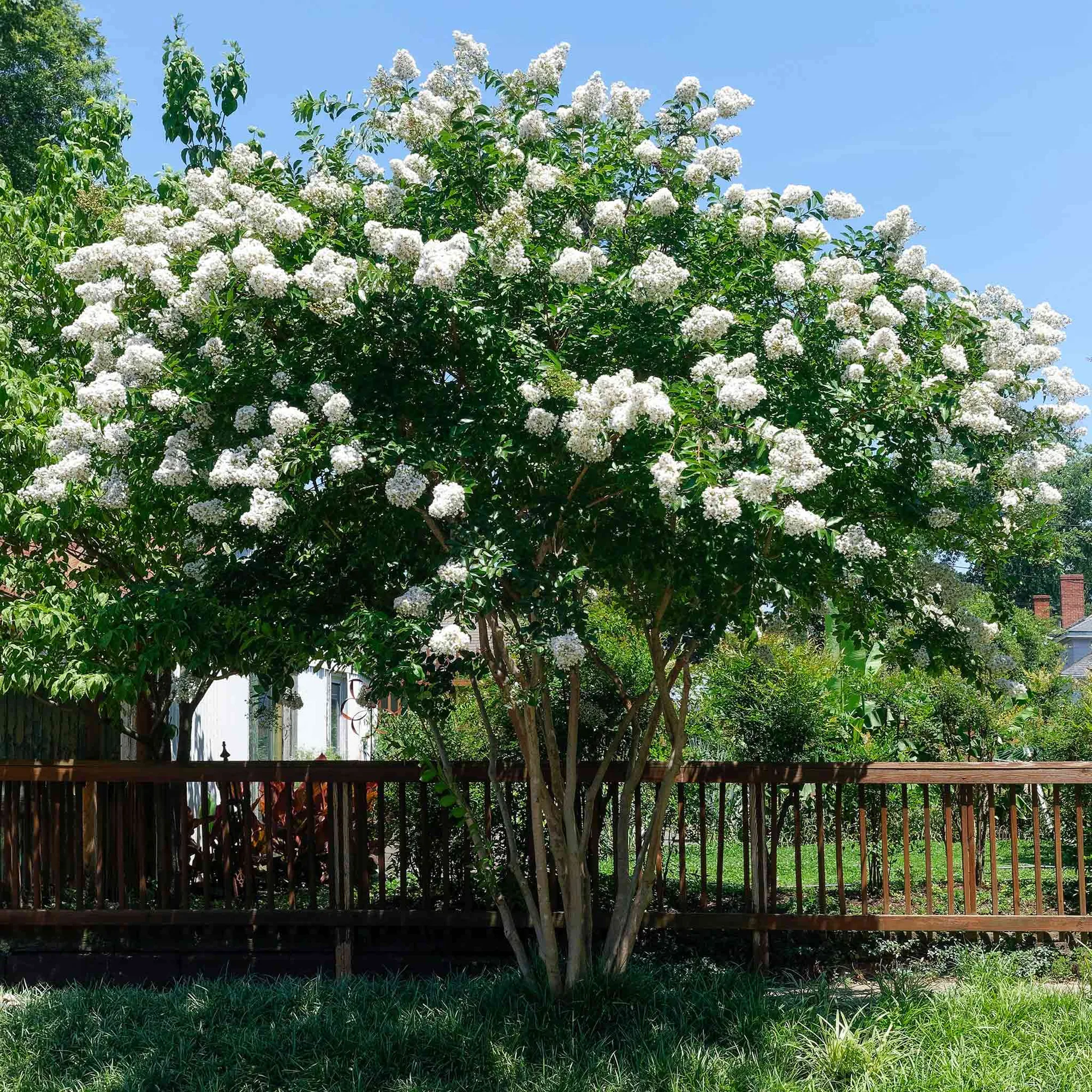
Natchez Crape Myrtle is a classic Southern favorite because it thrives in hot, humid summers and produces pure white flower clusters from early summer through fall. Its smooth, cinnamon-colored bark adds winter interest, and it reaches a manageable 20–30 feet tall, making it suitable for most yards.
One common mistake is planting it in too much shade. While it will survive, you'll get far fewer blooms and a lanky shape. Full sun (at least 6 hours daily) is non-negotiable for the best display.
Common Challenges and How to Avoid Them
Crape myrtles are generally low-maintenance, but they can develop powdery mildew in humid, crowded conditions. Good air circulation and proper spacing (at least 10–15 feet from other trees) prevent most fungal issues.
Over-pruning, often called "crape murder," is another common problem. Heavy cutting back weakens the tree and ruins its natural form. Stick to removing suckers, crossing branches, and spent seed heads only.
Step-by-Step Planting Guide for Natchez Crape Myrtle
- Choose the Right Location: Pick a spot with full sun (6+ hours daily) and well-drained soil. Avoid low areas where water pools after rain. Natchez Crape Myrtle is adaptable to most soil types but hates wet feet. Check drainage by digging a 12-inch hole and filling it with water; if it drains within an hour, you're good.
- Prepare the Planting Hole: Dig a hole twice as wide as the root ball and just as deep. Loosen the soil around the sides so roots can spread easily. Do not amend the backfill with compost or fertilizer—this can discourage roots from growing outward. A common mistake is planting too deep. The root flare (where trunk meets roots) should sit at or slightly above ground level.
- Plant and Water Thoroughly: Place the tree in the hole, backfill with native soil, and tamp gently to remove air pockets. Build a small soil ring around the edge to hold water, then give it a deep soaking (5–10 gallons). Water deeply once a week for the first growing season unless rain is abundant. Mulch with 2–3 inches of organic mulch (keep it off the trunk) to retain moisture and moderate soil temperature.
- Prune Lightly in Late Winter: In late February or early March, remove any dead, diseased, or crossing branches. Cut back seed heads to the first side branch. Never cut the main trunks or leave stubs—this encourages weak regrowth and ruins the tree's natural vase shape. If you want to control size, choose a naturally smaller variety instead of topping. Natchez is already a moderate grower.
- Fertilize Sparingly: Apply a balanced slow-release fertilizer (like 10-10-10) once in early spring before new growth begins. Avoid high-nitrogen formulas that push leafy growth at the expense of flowers. Over-fertilizing can also attract aphids. If your soil is already rich, skip the fertilizer entirely for the first year.
Planting with Confidence
-
Natchez Crape Myrtle: Natchez Crape Myrtle blooms from early summer into fall with dazzling white flowers. That long blooming season means months of color in your garden with very little effort after establishment.
Natchez Crape Myrtle