Quick Answer
For a cleaner, more nuanced aroma, choose natural incense made from real botanicals like white sage or juniper. Synthetic options are cheaper and more consistent, but they often rely on artificial fragrances and may produce harsher smoke.
Ingredients and Aroma
Natural incense is made from plant materials like herbs, resins, and woods. The scent comes directly from the botanical, so it can vary slightly from batch to batch. Synthetic incense uses manufactured fragrance oils to mimic natural smells, giving a consistent but often sharper aroma.
If you value a genuine, earthy scent, natural options like white sage or juniper offer complex notes that synthetic versions rarely match. Synthetic incense might be appealing if you want a predictable, uniform fragrance every time.
Burn Quality and Smoke
Natural incense typically burns with a lighter, cleaner smoke, especially when made from pure plant material. Synthetic incense often contains binders and chemical additives that can produce thicker, harsher smoke.
For small spaces or sensitive noses, the cleaner burn of natural incense is a practical advantage. If you're in a well-ventilated area and prefer a stronger smoke presence, synthetic might be acceptable, but it's worth testing how it affects your comfort.
Environmental and Health Considerations
Natural incense is biodegradable and sourced from renewable plants, making it a more eco-friendly choice. Synthetic incense, on the other hand, relies on petroleum-derived fragrances and may release more indoor air pollutants when burned.
If you're conscious about your carbon footprint or indoor air quality, natural incense is the safer bet. Synthetic incense can be a budget-friendly alternative, but weigh the potential health trade-offs.
Trade-Offs at a Glance
- Aroma Authenticity: Natural incense delivers true botanical scents with natural variation; synthetic offers consistent but artificial fragrance. If you want a genuine sensory experience, go natural.
- Burn and Smoke: Natural incense burns cleaner with lighter smoke; synthetic may produce harsher, thicker smoke. For sensitive spaces, choose natural.
- Cost and Availability: Synthetic incense is often cheaper and more widely available; natural incense can be pricier but is more eco-friendly. Budget-conscious? Synthetic is tempting, but factor in health and environmental costs.
Product Facts
-
Natural Incense - White Sage Mini: Made with 100% cultivated white sage from a family-operated farm in Mexico. You get an authentic, natural white sage aroma without wild-harvesting concerns.

Natural Incense - White Sage Mini
-
Juniper Ridge Incense: Inspired by the wild beauty of the West Coast, with scent notes like dried leather, dusty stone, and sweet resin. The complex, natural scent profile offers a more immersive and genuine incense experience.
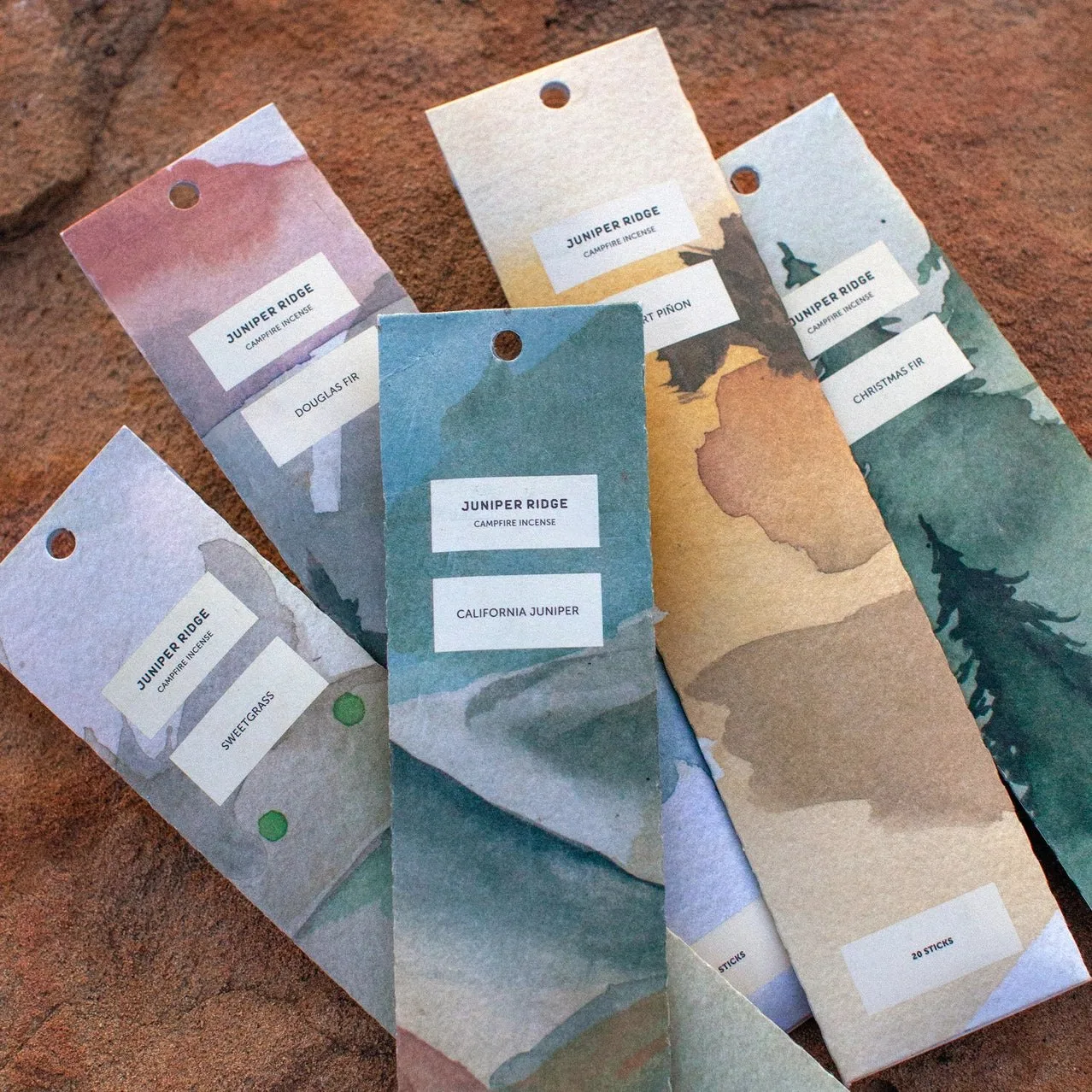
Juniper Ridge Incense
Which Should You Choose?
Best for
- Eco-conscious users who prefer biodegradable, plant-based products
- Those who value authentic, complex aromas from real botanicals
Not for
- Budget shoppers who prioritize low cost over natural ingredients
- Users who need an extremely consistent scent every time