Quick answer
Natural peanut butter contains only peanuts (and sometimes salt), while regular peanut butter adds sugar, hydrogenated oils, and preservatives for longer shelf life and a smoother texture. Choose natural for clean ingredients; choose regular if you prioritize spreadability and don't mind additives.
Ingredients: What's inside each jar
The core difference comes down to what's listed on the label. Natural peanut butter typically has one ingredient: peanuts. Some versions add a pinch of salt. Regular peanut butter includes added sugar, hydrogenated vegetable oils (to prevent separation), and preservatives. These extras make regular peanut butter shelf-stable and spreadable straight from the fridge, but they also add calories and processed fats you may want to avoid.
Texture and handling trade-offs
Natural peanut butter's oil separates naturally, so you'll need to stir it before each use. It can also feel grainier or drier depending on how long it sits. Regular peanut butter stays uniformly smooth and creamy because the hydrogenated oils keep everything emulsified. If convenience and a consistent spread matter more to you than ingredient purity, regular peanut butter may be the easier daily choice.
Nutritional impact
Natural peanut butter delivers protein and healthy monounsaturated fats without added sugars or trans fats from hydrogenation. Regular peanut butter often contains 1–3 grams of added sugar per serving and small amounts of partially hydrogenated oils, which can introduce unhealthy trans fats. For everyday nutrition, natural peanut butter is the cleaner option—but both provide protein and energy.
Natural vs Regular Peanut Butter: Trade-offs at a Glance
- Natural peanut butter: Contains only peanuts (and optional salt). No added sugar, oils, or preservatives. Oil separation is normal—stir before use. Texture can vary from smooth to slightly gritty. Best when ingredient simplicity is your top priority.
- Regular peanut butter: Includes added sugar, hydrogenated oils, and preservatives for a stable, creamy texture that doesn't separate. Spreads easily straight from the jar and has a longer shelf life. Best when convenience and consistent spreadability matter more than a short ingredient list.
- How to decide: Check the ingredient panel: if you see more than one or two items, it's regular. If you're willing to stir and store in the fridge, natural gives you a cleaner nutritional profile.
Product spotlight
-
Natural Peanut Butter 300g: Made from 100% roasted peanuts with no preservatives, added oils, sugar, or hydrogenated fats. You get pure peanut flavor and healthy fats without the processed additives found in regular peanut butter, making it a straightforward choice for clean eating.
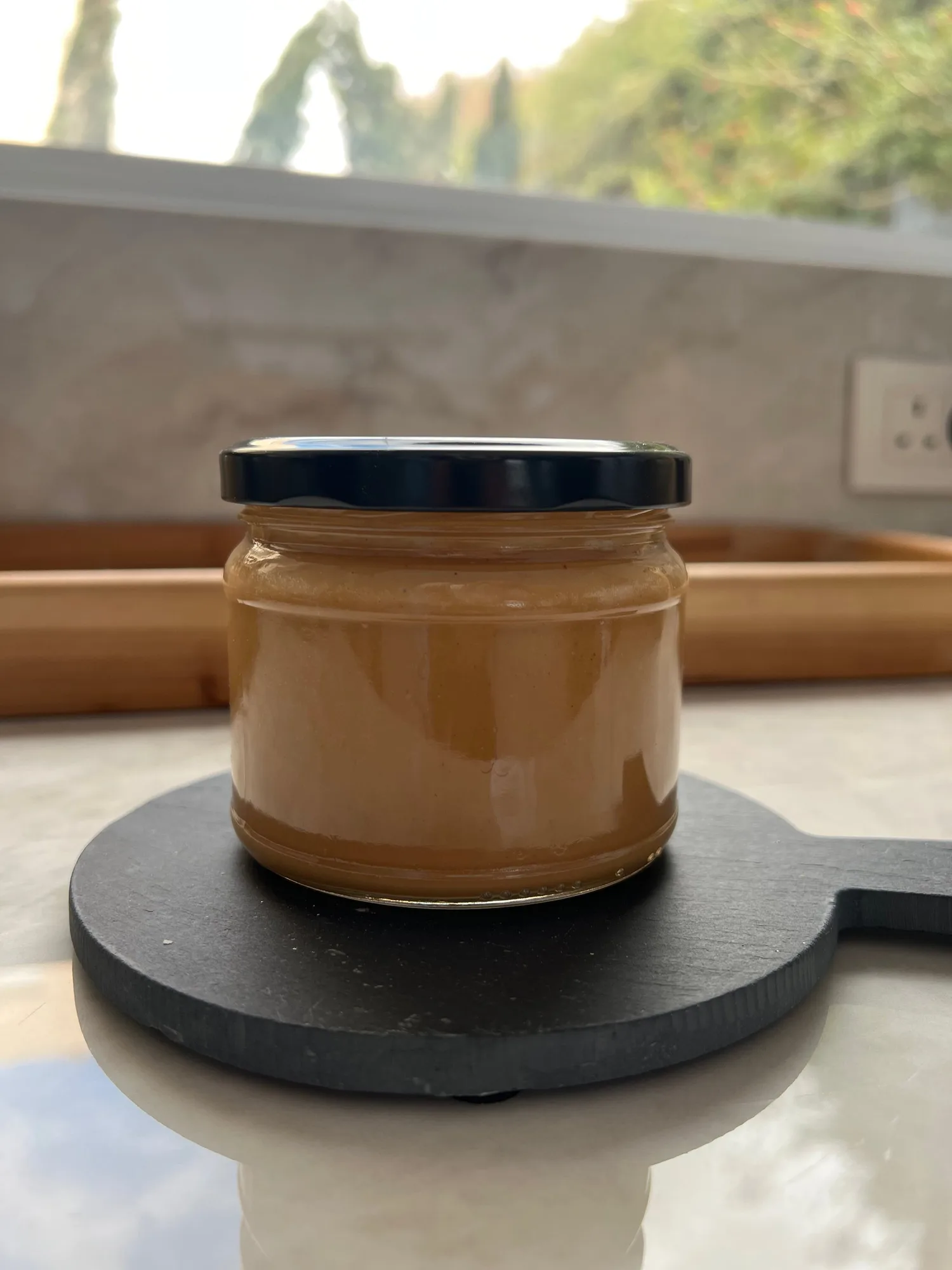
Natural Peanut Butter 300g
Which one fits your pantry?
Choose natural peanut butter if you
- Want a minimally processed spread with no added sugar or hydrogenated fats
- Prefer to control the salt level yourself
- Don't mind stirring the oil back in before each use
Choose regular peanut butter if you
- Need a ready-to-spread option that never separates
- Prefer a sweeter, creamier texture without any stirring
- Are looking for the longest shelf life without refrigeration