Quick Answer
Many beliefs about natural toothpaste are half-truths. While fluoride-free formulas can still clean effectively, they don't remineralize like fluoride does. Look for proven ingredients like hydroxyapatite and manage expectations about whitening and sensitivity.
Natural toothpaste has become a staple in many bathrooms, but with popularity comes misinformation. From claims that fluoride is toxic to promises of instant whitening, it's easy to be misled. This article separates fact from fiction, using only what's known about the ingredients and formulas.
We'll debunk common myths, explain what natural toothpaste can and cannot do, and help you make an informed choice for your oral care routine.
Myth: Natural Toothpaste Doesn't Clean as Well as Regular Toothpaste
Cleaning power comes from mild abrasives and surfactants, not from synthetic chemicals. Many natural toothpastes use baking soda or hydrated silica to remove plaque and surface stains. For example, baking soda is a well-known gentle abrasive that helps polish teeth without harsh scratching.
The absence of SLS (sodium lauryl sulfate) doesn't reduce cleaning; it only affects foaming. SLS-free formulas still clean effectively, though the lack of foam may take some getting used to. What matters is brushing technique and duration, not the amount of suds.
- Check for abrasives like baking soda or silica in the ingredient list.
- Brush for two minutes twice a day, regardless of toothpaste type.
Myth: Fluoride-Free Means Less Cavity Protection
Fluoride is the gold standard for cavity prevention because it remineralizes enamel. However, some natural toothpastes include hydroxyapatite, a calcium-phosphate mineral that also supports enamel strength. Hydroxyapatite is a biocompatible alternative that can help reduce sensitivity and strengthen teeth.
If you choose fluoride-free, look for hydroxyapatite or other enamel-supporting ingredients. Be aware that without fluoride or hydroxyapatite, you lose that extra layer of protection. For those at high risk of cavities, a fluoride toothpaste might still be the better choice.
- If cavity prevention is your priority, choose a toothpaste with hydroxyapatite or fluoride.
- Consult your dentist if you're unsure about your risk level.
Myth: Natural Toothpaste Whitens Teeth Dramatically
Whitening toothpastes, natural or not, only remove surface stains; they cannot change the intrinsic color of your teeth. Baking soda is a common ingredient in natural whitening formulas because it gently polishes away stains from coffee, tea, or smoking. Results are subtle and gradual.
Expect a brighter smile over time, not a dramatic transformation. For deep whitening, professional treatments are needed. Natural whitening toothpastes are best for maintaining your smile and preventing new stains.
- Use consistently for several weeks to see a difference.
- Limit stain-causing foods and beverages for better results.
Myth: All Natural Toothpastes Taste Bad
Early natural toothpastes often had an earthy or herbal taste that put people off. Today, natural brands use essential oils like peppermint, spearmint, or cinnamon to create pleasant flavors. For example, tea tree oil adds a fresh, clean taste while also offering antibacterial properties.
Kids' natural toothpastes come in fruit flavors like blueberry or strawberry, making them appealing to children. Flavor preferences are personal, so try a few to find what you like. The taste should not be a barrier to good oral hygiene.
- Look for natural flavors like peppermint, cinnamon, or fruit extracts.
- If you're switching, give your taste buds a week to adjust.
Myth vs. Fact: Quick Verdicts
- Natural toothpaste cleans as well as regular: Yes, if it contains mild abrasives like baking soda or silica. SLS-free formulas still clean effectively. Check for abrasive ingredients, not foam.
- Fluoride-free means no cavity protection: Not necessarily. Hydroxyapatite can help strengthen enamel, but without it, you lose that extra protection. Choose hydroxyapatite if going fluoride-free.
- Natural toothpaste whitens dramatically: No, it only removes surface stains. Results are subtle and gradual. Manage expectations; use consistently.
Natural Toothpaste Options from Grants of Australia
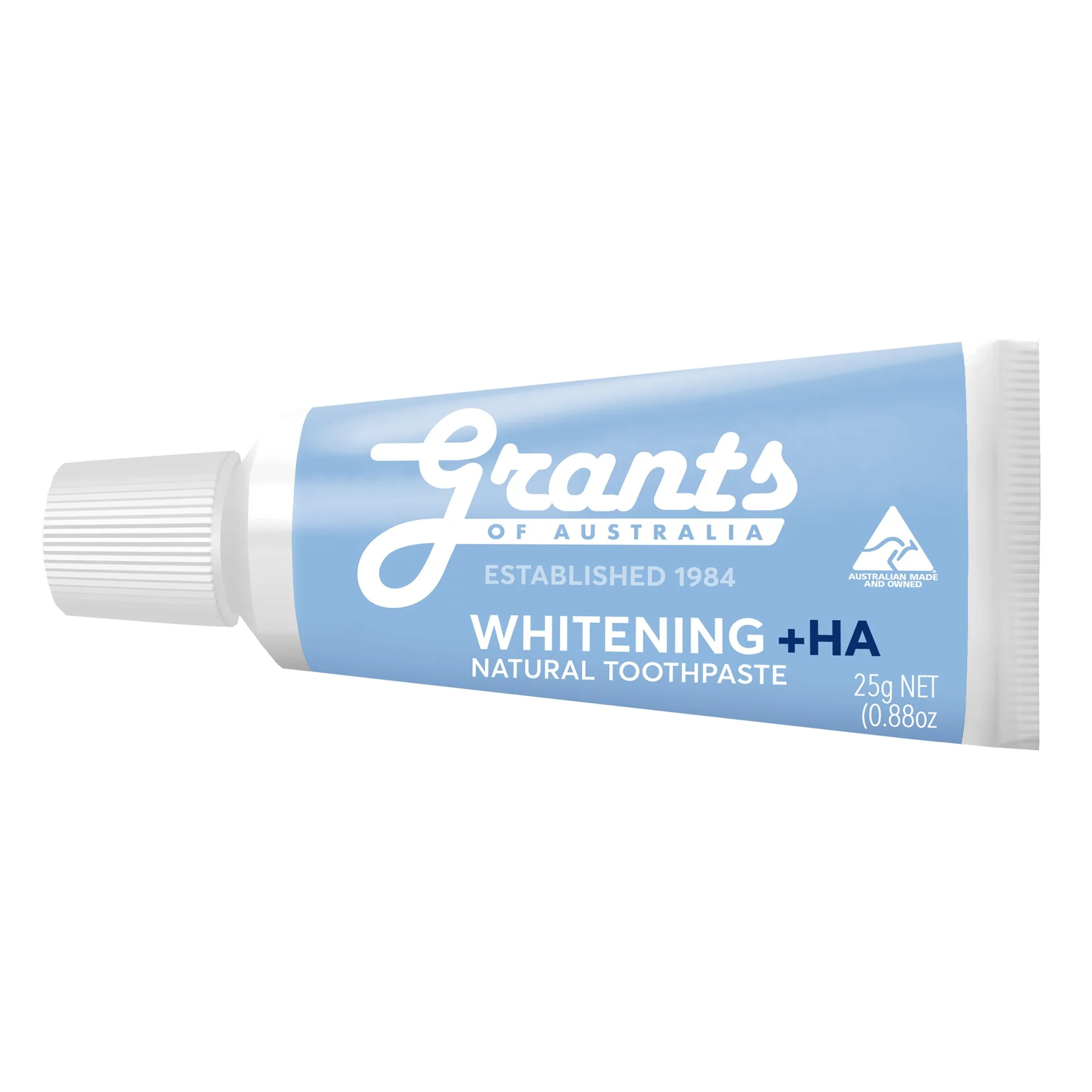
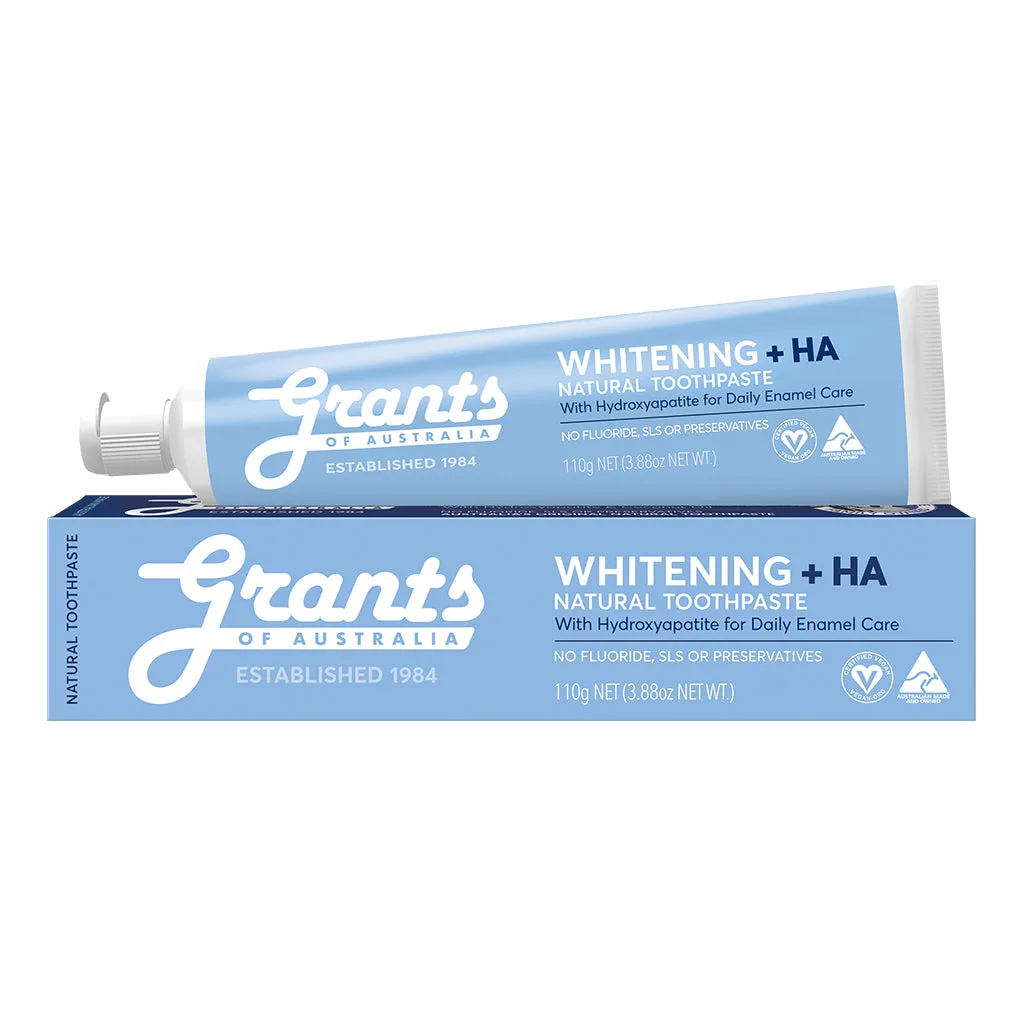
- https://grantsofaustralias.com/products/whitening-ha-natural-toothpaste-332130Whitening +HA Natural Toothpaste: Contains baking soda & Hydroxyapatite to naturally whiten & strengthen teeth. This formula addresses both whitening and enamel support without fluoride, making it a smart choice for those who want a natural alternative with proven enamel-building ingredients.
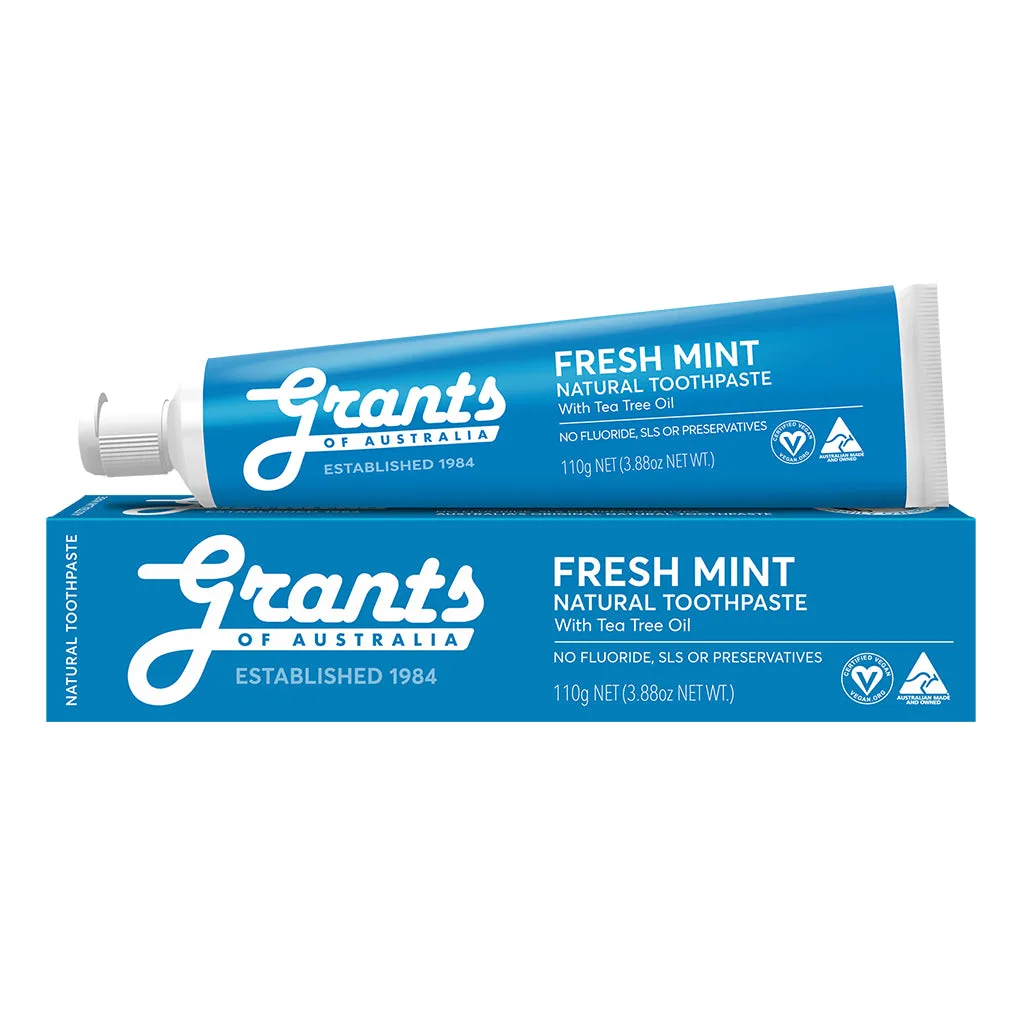
- Fresh Mint Natural Toothpaste: Contains organic tea tree oil & has a strong minty taste for fresh breath. If you're worried about taste, this offers a strong mint experience while tea tree oil provides natural antibacterial benefits.
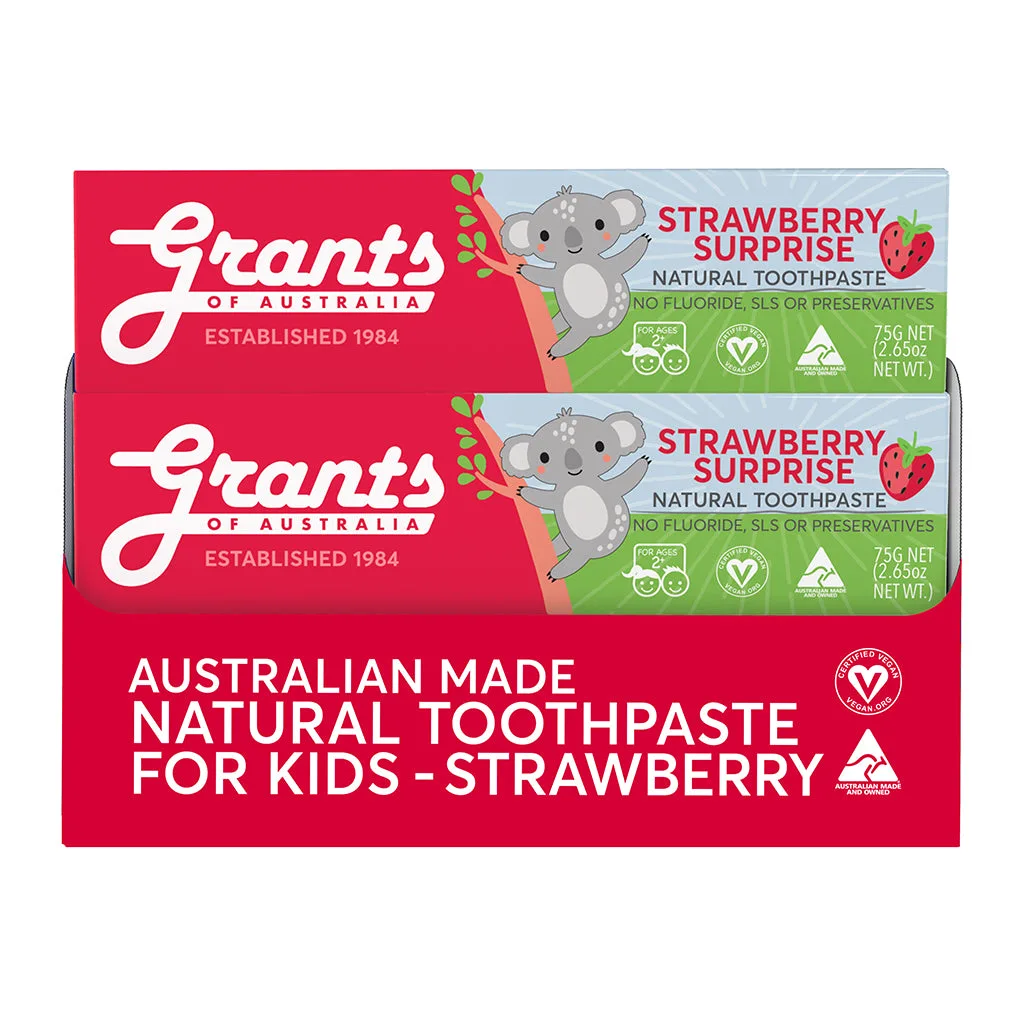
- Kids Natural Toothpaste - 12 Tubes: Fluoride free, SLS free & no nasties - oral care for children made easy! For parents, this bulk pack ensures kids get a safe, mild-tasting toothpaste without harsh chemicals, making the switch easier for the whole family.
Natural toothpaste myths often stem from misunderstandings about how these products work. By focusing on ingredients and realistic expectations, you can choose a natural formula that supports your oral health. Remember, the best toothpaste is one you'll use consistently—so pick a flavor and texture you enjoy.