Turquoise has been treasured for thousands of years, from ancient Egyptian pharaohs to Native American artisans. Its striking blue-green hues make it a favorite in jewelry, but not all turquoise is created equal. In today's market, many pieces labeled 'turquoise' are actually dyed or stabilized stones that lack the beauty and durability of the real thing.
Whether you're shopping for a turquoise bracelet, ring, or pendant, knowing how to tell natural turquoise from dyed or treated stones is essential. This guide will walk you through the key differences, simple tests you can do at home, and what to look for when buying turquoise jewelry.
What Is Natural Turquoise?
Natural turquoise is a hydrated phosphate of copper and aluminum, formed over millions of years in arid regions. It's prized for its vibrant color, unique matrix (veining), and relative rarity. High-grade natural turquoise is hard and dense enough to be cut and polished without treatment, making it the most valuable form of the stone.
However, true natural turquoise is becoming increasingly rare. Most turquoise on the market today is either stabilized (impregnated with resin to harden it) or dyed to enhance color. Understanding these treatments is the first step in spotting the difference.
- Natural turquoise is porous and can change color with exposure to oils and sunlight.
- Stabilized turquoise has been treated with resin to improve durability.
- Dyed turquoise is often low-grade stone that has been color-enhanced to mimic high-quality turquoise.
Why Is Turquoise Dyed?
Dyed turquoise is typically low-grade, chalky stone that is treated with dye to imitate the rich blues and greens of premium turquoise. This process can make a pale stone look vibrant, but the color often fades over time and may rub off on skin or clothing.
Manufacturers also use dye to create uniform color, hiding imperfections and making the stone more marketable. While dyed turquoise can be beautiful, it's usually worth far less than natural or stabilized turquoise. Knowing why dyeing happens helps you ask the right questions when purchasing.
- Dyed turquoise often has unnaturally even color.
- Color may bleed when rubbed with acetone.
- Low-grade stones are most commonly dyed.
Simple Tests to Spot Dyed Turquoise
One of the easiest ways to test turquoise is the acetone test. Dip a cotton swab in acetone (nail polish remover) and rub it on the stone. If the color transfers to the swab, the stone is dyed. Natural turquoise should not release color.
Another test is the scratch test. Real turquoise has a Mohs hardness of 5-6, so it can be scratched by a steel knife. However, dyed stones may be softer and scratch more easily. Be cautious with this test as it can damage the stone, and always test in an inconspicuous area.
- Acetone test: color transfer indicates dye.
- Scratch test: natural turquoise is relatively hard, but dyed stones may be softer.
- Check for even color: natural turquoise often has natural variations.
Visual Clues: Matrix and Color
Natural turquoise typically has a matrix—veins of host rock that create unique patterns. These veins can be brown, black, or gold. Dyed turquoise often has a more uniform color and may lack natural matrix, or the matrix may look painted on.
Look for color variations. Natural stones have subtle shifts in tone, while dyed stones often have a flat, uniform color. Also, beware of 'chalk turquoise' that is dyed a deep blue—it may look great in the store but fade quickly.
- Natural matrix is irregular and varies.
- Dyed stones often have perfect, uniform color.
- High-quality turquoise has a waxy to subvitreous luster.
Buying Turquoise Jewelry: What to Look For
When shopping for turquoise jewelry, always ask the seller about the stone's origin and treatment. Reputable sellers will disclose if the turquoise is natural, stabilized, or dyed. Look for stones with a certificate of authenticity if you're investing in high-value pieces.
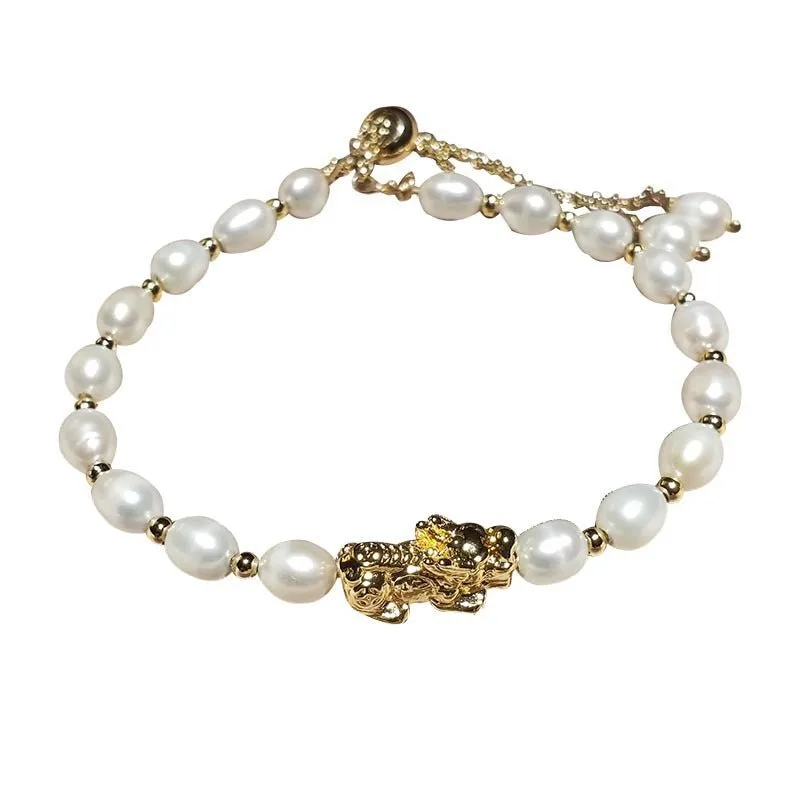
Consider the setting and craftsmanship. A well-made piece from a trusted brand is more likely to use quality stones. For example, the Feng Shui Pixiu Pearl Bracelet combines turquoise with pearls and a Pixiu charm, offering both beauty and symbolic meaning. Similarly, the Red Rope Little Money Rabbit Bracelet features a turquoise bead as part of its design, perfect for those who value both style and intention.
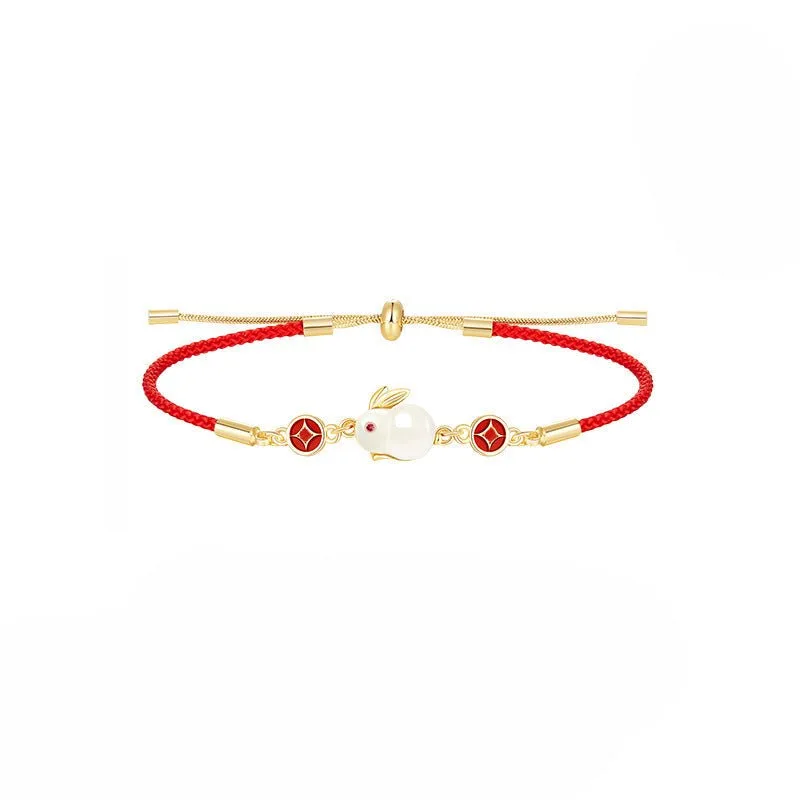
Red Rope Little Money Rabbit Bracelet
- Ask about treatment: natural, stabilized, or dyed.
- Check for even color and natural matrix.
- Buy from reputable sellers with clear return policies.
Caring for Your Turquoise Jewelry
Turquoise is porous and can be damaged by chemicals, perfume, and even sweat. To keep your turquoise jewelry looking its best, avoid wearing it while swimming or cleaning. Store it separately to prevent scratches.
Clean turquoise gently with a soft, dry cloth. Never use ultrasonic cleaners or steamers, as they can damage the stone. If your turquoise is stabilized, it's more durable, but still requires care.
- Avoid contact with chemicals and cosmetics.
- Store in a soft pouch or separate compartment.
- Clean with a dry cloth only.
Now that you know how to spot the difference between natural and dyed turquoise, you can shop with confidence. Remember to ask about treatment, inspect the stone visually, and perform simple tests when in doubt. For beautiful, quality turquoise pieces, explore our collection at Buddha Power Store, where authenticity and craftsmanship are our priority.