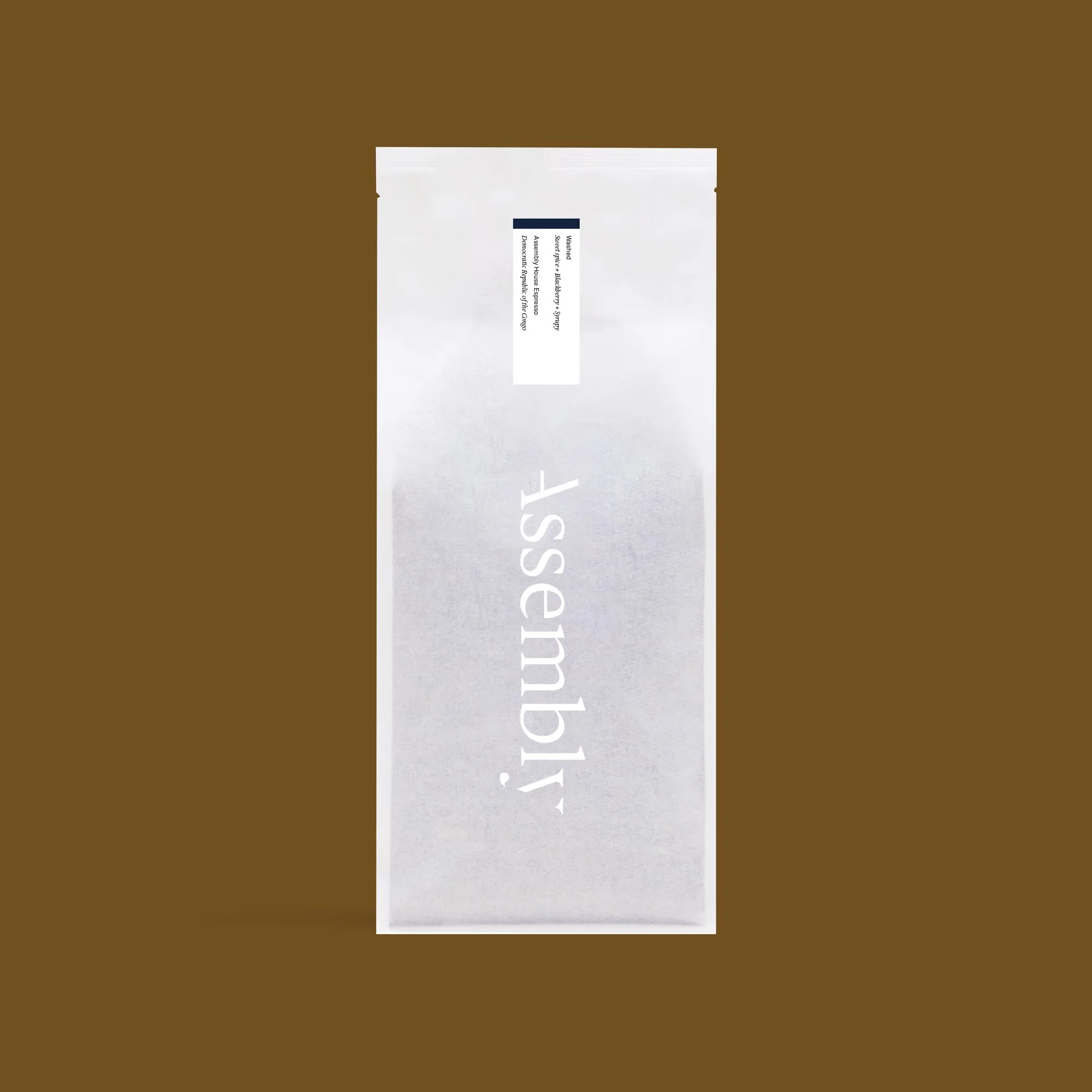
When you browse specialty coffee offerings, you’ll often see terms like 'natural' or 'washed' on bags of coffee beans. These refer to the processing method used after the coffee cherries are harvested—a critical step that dramatically shapes the final flavor in your cup. Understanding these methods helps you choose coffee that matches your palate, whether you crave fruity, wine-like notes or a clean, crisp acidity.
At Assembly Coffee, we take pride in sourcing and roasting beans that showcase the best of each processing style. In this guide, we’ll break down the natural and washed processes, highlight their flavor signatures, and help you decide which to try next. We’ll also touch on the Colombia — Cata Pacamara and the DR Congo — Sopade Best of Congo 104 as examples of how processing influences taste.

DR Congo — Sopade Best of Congo 104
What Is Natural Coffee Processing?
Natural processing, also known as dry processing, is the oldest method of preparing coffee beans. After harvesting, whole coffee cherries are spread out on raised beds or patios to dry in the sun. The fruit’s pulp remains intact around the bean for several weeks, during which the bean absorbs sugars and compounds from the cherry. This prolonged contact creates a bold, fruity, and often wine-like flavor profile.
Natural coffees are prized for their complexity and sweetness. They can exhibit notes of ripe berries, tropical fruit, chocolate, and even fermented undertones. However, the method requires careful monitoring to avoid over-fermentation or mold. At Assembly Coffee, our DR Congo — Sopade Best of Congo 104 is a stellar example of natural processing—its vibrant fruitiness and syrupy body reflect the care taken during drying.
- Flavor profile: fruity, sweet, wine-like, often with berry or tropical notes.
- Best for: those who enjoy bold, complex, and unconventional coffee flavors.
- Tip: try a natural-processed coffee with a pour-over to appreciate its full aromatic range.
What Is Washed Coffee Processing?
Washed coffee processing, also called wet processing, removes the cherry’s pulp immediately after harvesting. The beans are then fermented in water to break down any remaining mucilage, washed clean, and dried on patios or mechanical dryers. This method results in a cleaner, brighter cup that highlights the bean’s intrinsic characteristics—acidity, floral notes, and clarity of flavor.
Washed coffees are often described as crisp, tea-like, or citrusy. They tend to have a lighter body and a more pronounced acidity compared to naturals. For instance, the Colombia — Cata Pacamara from Assembly Coffee is a washed coffee that showcases elegant floral and stone fruit notes, with a silky mouthfeel. This method allows the unique terroir and varietal qualities to shine through.
- Flavor profile: clean, bright, acidic, with floral or citrus notes.
- Best for: those who prefer a refined, delicate, and traditional coffee taste.
- Tip: use a medium grind and a clean filter to preserve the clarity of washed coffees.
Key Differences at a Glance
To help you compare natural and washed coffee processing, here’s a quick reference table summarizing their main characteristics:
This table highlights the trade-offs: natural coffees offer intensity and sweetness but can be unpredictable, while washed coffees provide consistency and clarity. Your choice ultimately depends on your flavor preferences and brewing style.
- Table: Natural vs Washed Coffee Processing Comparison
How to Choose Between Natural and Washed Coffee
If you’re new to specialty coffee, start by exploring both styles to discover your preference. For a fruit-forward, adventurous cup, reach for a natural-processed coffee like the DR Congo — Sopade Best of Congo 104. If you prefer a classic, bright coffee that pairs well with breakfast, a washed option such as the Colombia — Cata Pacamara is an excellent choice.
Your brewing method also matters. Natural coffees often shine in pour-over or French press, where their complexity can unfold. Washed coffees excel in drip machines or espresso, where their clarity and acidity stand out. Experiment with grind size and water temperature to fine-tune the flavor.
- For fruit lovers: go natural (e.g., DR Congo — Sopade Best of Congo 104).
- For purists: go washed (e.g., Colombia — Cata Pacamara).
- Pro tip: buy small batches of each and compare side-by-side.
Why Processing Matters for Specialty Coffee
Processing is not just a technical step—it’s an art form that adds another layer of flavor to your coffee. Roasters like Assembly Coffee work closely with producers to ensure each batch is processed optimally, preserving the bean’s potential. Whether you choose a natural or washed coffee, you’re experiencing the result of skilled craftsmanship.
By understanding these methods, you can make more informed purchases and deepen your appreciation for coffee. Next time you shop, look for processing details on the label and let your taste buds guide you.
Ready to taste the difference? Explore our selection of natural and washed coffees, including the Colombia — Cata Pacamara, and discover how processing transforms your morning brew. Whether you’re a seasoned enthusiast or a curious beginner, there’s a world of flavor waiting in every cup.