When you sip a cup of specialty coffee, you're tasting more than just the bean's origin or roast level. The way the coffee cherry is processed after harvesting has a profound impact on the final flavor profile. Two of the most common methods—natural (or dry) processing and washed (or wet) processing—produce dramatically different results. Understanding these differences can help you choose coffees that match your palate and deepen your appreciation for the craft behind every brew.
In this guide, we'll explore the key distinctions between natural and washed processing, including how each method works, what flavors they emphasize, and how they influence body and acidity. We'll also touch on honey processing as a middle ground. By the end, you'll be equipped to read a coffee bag label with more insight and select the perfect coffee for your morning ritual or afternoon espresso.
What Is Natural Coffee Processing?
Natural processing is the oldest method of turning coffee cherries into green beans. After harvesting, whole cherries are spread out on raised beds or patios to dry in the sun. They are turned regularly to prevent mold and ensure even drying. Over several weeks, the fruit's sugars and mucilage ferment and infuse the bean with intense fruity, wine-like, and sometimes boozy notes. Once the cherry reaches the ideal moisture level, the dried husk is mechanically removed to reveal the green bean.
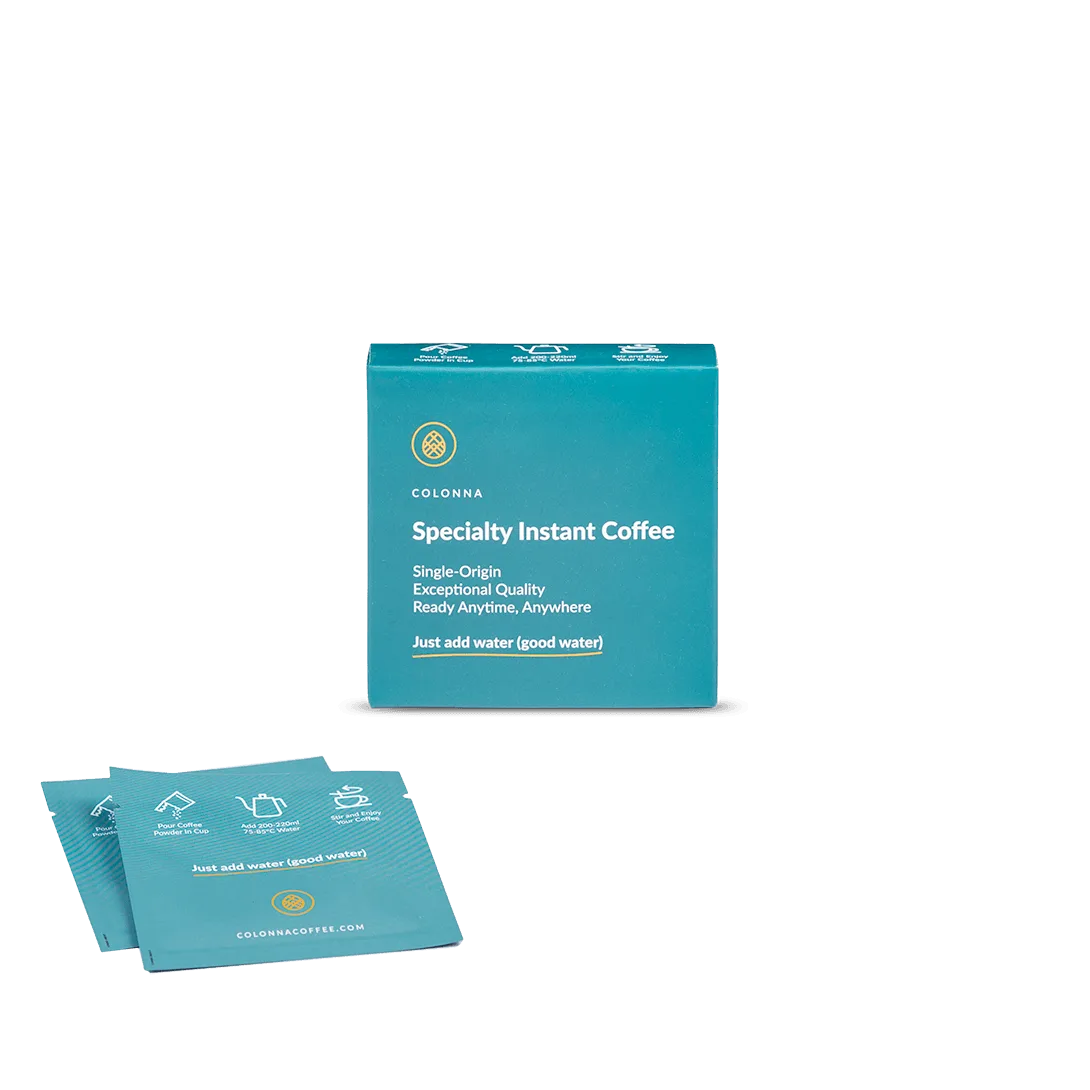
This method is often used in regions with limited water access, such as Ethiopia and Brazil. The natural process tends to produce coffees with a heavier body, lower acidity, and pronounced sweetness. You might taste flavors like ripe berry, tropical fruit, or dark chocolate. Because the bean spends extended contact with the fruit, natural-processed coffees can be less predictable but offer a unique complexity that many enthusiasts adore. For an adventurous start, consider trying a rare specialty instant coffee that highlights these bold, fruit-forward characteristics.
- Drying time: 2–4 weeks depending on climate and humidity
- Flavor profile: fruity, winey, sweet, often with fermented notes
- Best for: those who enjoy bold, complex cups and are open to experimental flavors
What Is Washed Coffee Processing?
Washed processing, also known as wet processing, involves removing the cherry's skin and pulp before drying. After harvesting, cherries are depulped, then fermented in water tanks to break down any remaining mucilage. The beans are then washed clean and dried on patios or mechanical dryers. This method requires significant water infrastructure but yields a cleaner, more consistent flavor profile.
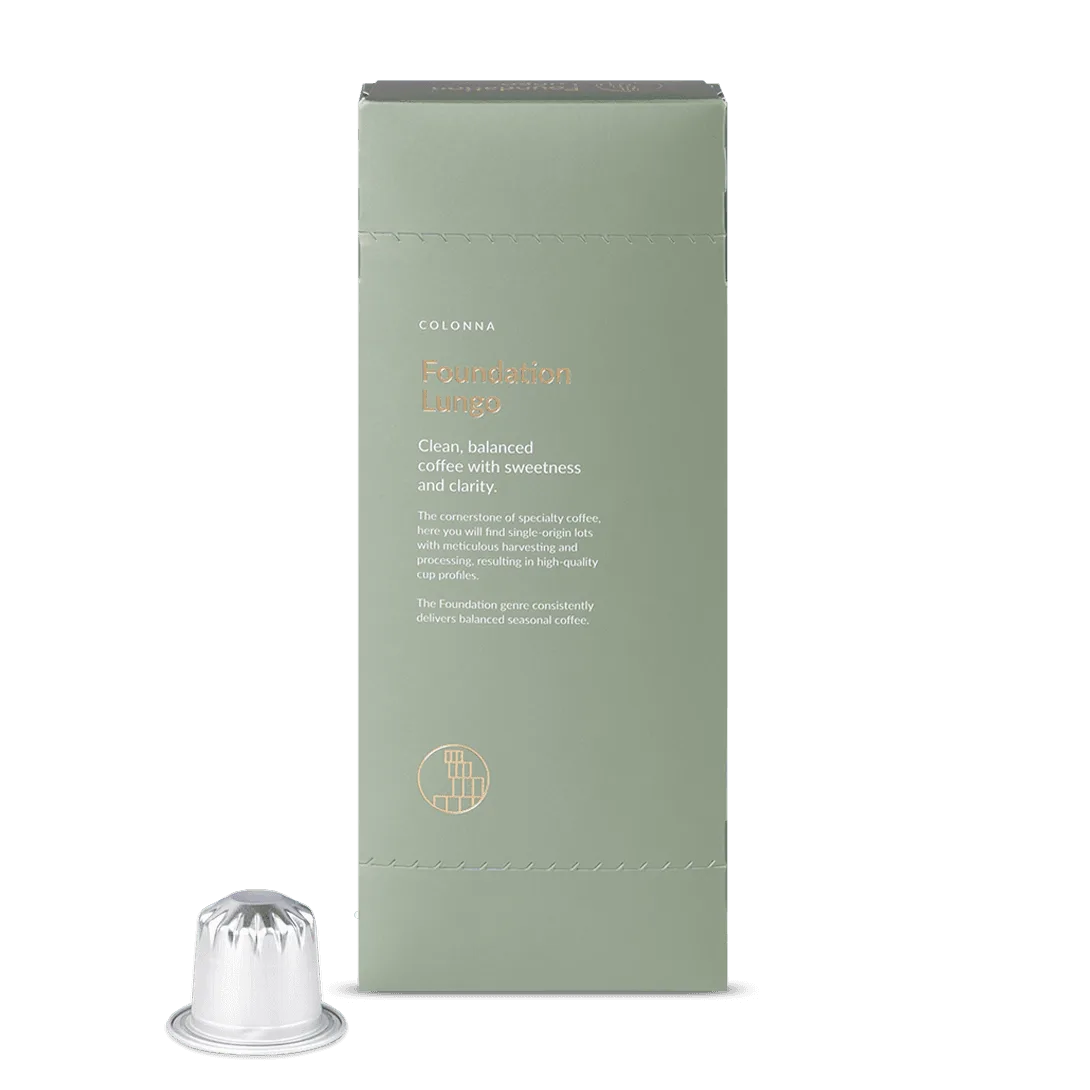
Washed coffees are prized for their bright acidity, clarity, and distinct origin characteristics. They often feature floral, citrus, or stone fruit notes with a lighter body. Because the bean has minimal contact with the fruit, the resulting cup is more transparent, allowing terroir and varietal differences to shine. Many espresso blends use washed beans to achieve a crisp, balanced shot. For a reliable daily driver, look for a foundation espresso capsule that showcases the clean, bright side of washed processing.
- Fermentation time: 12–36 hours in water tanks
- Flavor profile: clean, bright, high acidity, often floral or citrusy
- Best for: those who appreciate clarity, nuance, and a crisp finish
Honey Processing: A Middle Ground
Honey processing (also called pulped natural) bridges the gap between natural and washed methods. The cherry's skin is removed, but a layer of mucilage is left on the bean during drying. This sticky, honey-like layer imparts sweetness and body without the full intensity of natural processing. The result is a coffee that balances fruity notes with clean acidity, often with a silky mouthfeel.
Honey-processed coffees can vary widely depending on how much mucilage is left (yellow, red, or black honey). They are popular in Costa Rica and offer an excellent entry point for those new to alternative processing. Whether you prefer a bright espresso or a smooth filter brew, honey-processed beans provide a versatile option that pleases a broad range of palates.
- Mucilage retention: partial to full depending on honey type
- Flavor profile: sweet, medium body, moderate acidity, often with caramel or stone fruit notes
- Best for: those who want a balance of fruitiness and clarity
How Processing Affects Brewing and Pairing
Your brewing method can amplify or mute the characteristics of each processing style. Natural-processed coffees, with their heavier body and lower acidity, excel in immersion methods like French press or cold brew, which highlight their syrupy texture. Washed coffees shine in pour-over or espresso, where their clarity and acidity are front and center. Honey-processed beans are versatile and work well in most methods, from Aeropress to drip.
When pairing with food, natural coffees complement chocolate desserts, grilled meats, or aged cheeses. Washed coffees pair beautifully with citrus tarts, fresh fruit, or light pastries. Honey-processed beans are a natural match for caramel-based sweets or nutty dishes. Experimenting with different processing styles can transform your coffee experience and help you discover new flavor horizons.
- Natural: best for bold, fruity profiles; pair with dark chocolate or barbecue
- Washed: best for bright, clean profiles; pair with lemon desserts or yogurt
- Honey: best for balanced, sweet profiles; pair with caramel or almond croissants
Choosing the Right Coffee for Your Taste
Now that you understand the flavor impact of processing, you can confidently explore the coffee aisle. If you're drawn to intense fruit and wine-like notes, start with a natural-processed coffee. If you prefer a crisp, clean cup with pronounced acidity, go for a washed coffee. For a delightful compromise, try a honey-processed option.
For espresso lovers, the choice of processing can dramatically affect your shot. A washed coffee will give you a bright, layered espresso, while a natural coffee yields a heavier, sweeter, almost syrupy shot. You might enjoy experimenting with a limited release rare lungo capsule that highlights the nuances of a specific processing method. And for those who want a quick, no-fuss cup, a specialty instant coffee can still deliver the essence of natural or washed processing in seconds.
- Read the label: look for "natural," "washed," or "honey" on the bag
- Ask your roaster: they often provide tasting notes and processing details
- Try a sampler: order a few single-origin coffees to compare side by side
Understanding coffee processing methods opens up a world of flavor exploration. Whether you crave the wild fruitiness of a natural-processed bean or the crisp clarity of a washed coffee, each method tells a story of origin and craft. Next time you brew, pay attention to the processing—it might just change how you taste your morning cup. Explore our curated selection of specialty coffees and find your perfect match today.