Start with the age group you teach, not the cover
These two books overlap in subject—nature-based early childhood education—but they serve different planning needs. The Honeycomb Hypothesis focuses on infants, toddlers, and two-year-olds, while Preschool Beyond Walls addresses program-wide curriculum development for preschool and early childhood settings. Your first decision is whether you need activities and materials for the youngest children or a framework for building or revising a nature-based curriculum across your program.
Neither book is a toy or a ready-made activity kit. Both are paperback professional development resources for teachers. The catalog does not list a recommended reader age or certification for either title, so treat them as adult professional reading rather than child-facing materials.
Side-by-side: what each book is built to do
The comparison below uses only supplied catalog details. Where a detail is not confirmed, it is noted rather than assumed.
- The Honeycomb Hypothesis: Centers on how infants, toddlers, and two-year-olds gather and store concepts through play and repeating patterns of movement, using a honeybee metaphor. Includes sections titled The Honeycomb Hypothesis, Exploring Through Activities, and Putting It All Together. Paperback. No page count is supplied.
- Preschool Beyond Walls: Focuses on creating rich, explorative, interdisciplinary learning through extensive outdoor experiences. Covers developing and implementing a nature-based curriculum from start to finish, including creating a program philosophy, infusing nature into all aspects of the program, and maintaining high-quality early childhood practices. Paperback, 128 pages.
- Shared ground: Both are published professional resources for early childhood educators. Neither record includes specific safety warnings, certifications, or operating instructions for children, so neither should be treated as a child-use product.
What The Honeycomb Hypothesis gives infant and toddler teachers
-
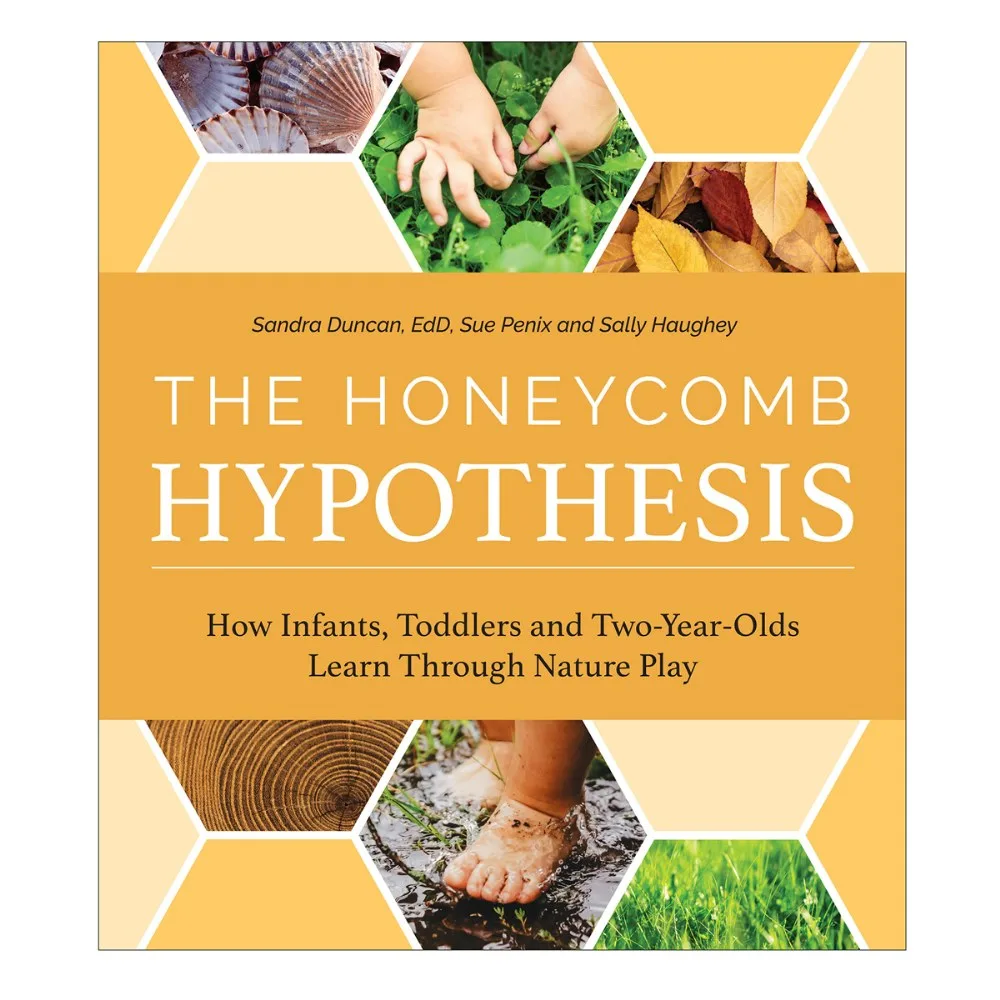
The Honeycomb Hypothesis: How Infants, Toddlers and Two-Year-Olds Learn Through Nature Play: The book explores how infants, toddlers, and two-year-olds gather and store concepts through play and repeating patterns of movement, with in-depth knowledge and creative ways to brighten the youngest imaginations. This is the title to choose if your daily work is with children under three and you want a conceptual lens plus activity ideas rather than a program-wide curriculum overhaul.
The Honeycomb Hypothesis: How Infants, Toddlers and Two-Year-Olds Learn Through Nature Play
-
The Honeycomb Hypothesis: How Infants, Toddlers and Two-Year-Olds Learn Through Nature Play: The book includes The Honeycomb Hypothesis, Exploring Through Activities, and Putting It All Together, and is a paperback. The three-part structure suggests a progression from theory to activities to integration, which helps you plan a book study or professional learning sequence.
What Preschool Beyond Walls gives program leaders
-
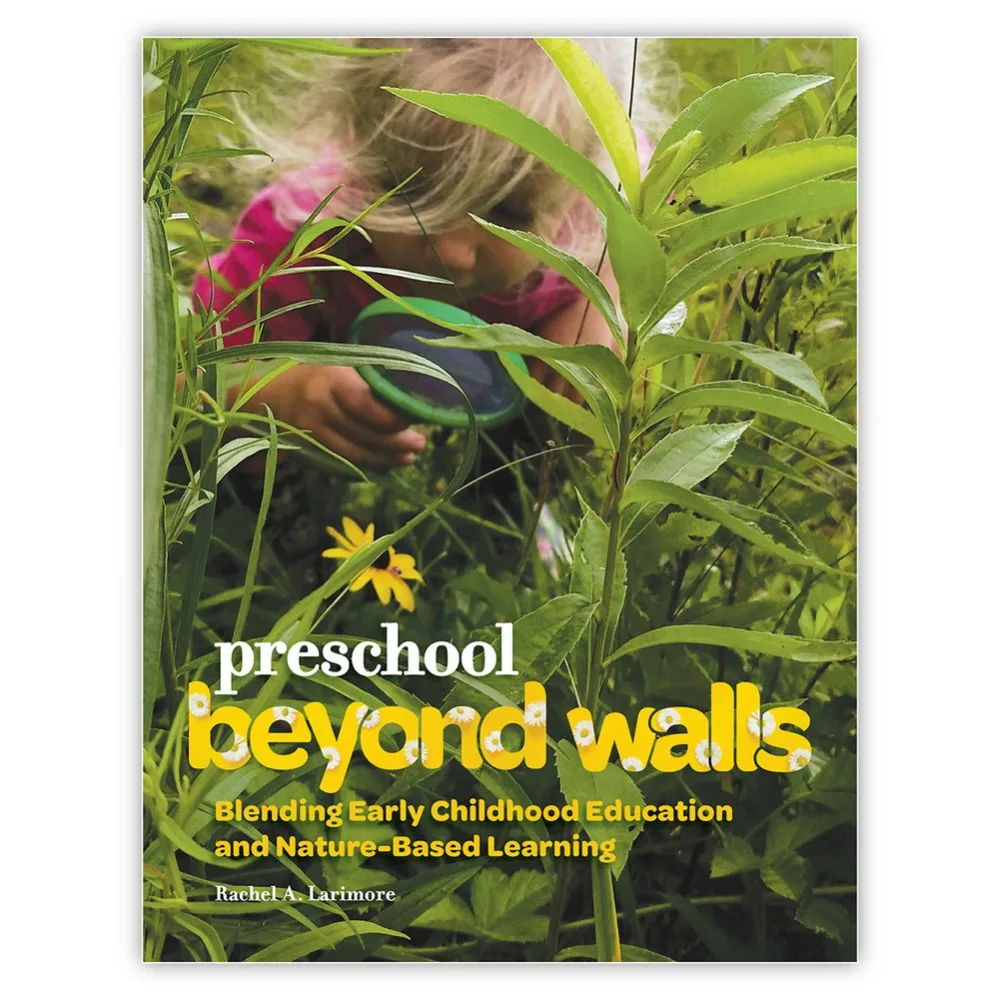
Preschool Beyond Walls: Blending Early Childhood Education and Nature-Based Learning - Paperback: Preschool Beyond Walls shows practical and strategic ways educators can create rich, explorative, and interdisciplinary learning through extensive outdoor experiences, and covers developing and implementing a nature-based curriculum from start to finish. Choose this if you are writing or revising a program philosophy, transitioning from a traditional approach, or aligning outdoor learning with high-quality early childhood practices.
Preschool Beyond Walls: Blending Early Childhood Education and Nature-Based Learning - Paperback
-
Preschool Beyond Walls: Blending Early Childhood Education and Nature-Based Learning - Paperback: The book prepares teachers for a nature-centered approach and includes guidance on creating a program philosophy, infusing nature into all aspects of the program, implementing inquiry-based learning through play and hands-on discovery, and maintaining high-quality early childhood practices. Paperback, 128 pages. The 128-page length and the listed topics make it a practical planning companion for directors and lead teachers rather than a quick activity flipbook.
When the two books work together
If your program serves infants through preschool, the two titles cover different layers. The Honeycomb Hypothesis addresses the youngest children's learning through movement and play, while Preschool Beyond Walls addresses the program structures—philosophy, curriculum, and pedagogy—that surround those children. Buying both gives a teacher team a shared vocabulary for infant and toddler nature play and a separate framework for program-wide nature-based learning.
That said, buying both is not necessary if your role is narrowly focused. A toddler room teacher may find The Honeycomb Hypothesis sufficient, while a director revising a preschool curriculum may only need Preschool Beyond Walls. The catalog prices are USD 22.48 for The Honeycomb Hypothesis and USD 17.48 for Preschool Beyond Walls, so the pair is a modest professional development purchase compared with many training courses.
Questions to settle before you order
- Which age group is your priority?: The Honeycomb Hypothesis is explicitly for infants, toddlers, and two-year-olds. Preschool Beyond Walls is aimed at preschool and early childhood program development. Match the book to the children you serve most.
- Are you planning activities or building a curriculum?: The Honeycomb Hypothesis includes an activities section. Preschool Beyond Walls walks through curriculum development from philosophy to implementation. Choose based on whether you need day-to-day inspiration or a larger planning document.
- Who will read it?: Preschool Beyond Walls includes guidance to prepare teachers for a nature-centered approach, which suits a team book study. The Honeycomb Hypothesis's focus on the youngest learners suits infant and toddler room staff.
- What is not confirmed?: The supplied records do not list a page count for The Honeycomb Hypothesis, nor do they include safety warnings, certifications, or child-use instructions for either title. If you need those details for a purchasing decision, check the publisher's information before ordering.
A practical way to decide
If you teach infants, toddlers, or two-year-olds and want ideas you can use in the room, start with The Honeycomb Hypothesis. If you are responsible for program philosophy, curriculum transition, or staff development across a preschool, start with Preschool Beyond Walls. If you lead a mixed-age program and can fund both, the two books address complementary layers of nature-based learning without duplicating each other's core content.
Remember that these are professional resources, not child-facing materials. The catalog does not supply developmental outcomes, certification claims, or activity safety instructions, so use your program's own policies when translating any book ideas into practice.