Quick Answer
Choose Natursutten natural rubber if you want a silicone-free pacifier with a soft, flexible feel that mimics a breast; choose silicone if you prioritize dishwasher-safe durability and a clear, odor-free material. For babies who gag easily or are breastfed, rubber is often the easier transition. For heavy chewers or families who want minimal maintenance, silicone holds up longer.
Material Safety: What Parents Need to Know
Natural rubber comes from the sap of rubber trees and is biodegradable, while silicone is a synthetic polymer made from silicon and oxygen. Both are considered safe for pacifiers when manufactured to CPSC and FDA standards. Natursutten rubber pacifiers are free of BPA, phthalates, and parabens, and they avoid silicone entirely, which matters if you are trying to reduce synthetic materials in your baby's daily routine. Silicone pacifiers are also BPA-free and do not contain natural rubber latex, so they are the safer choice for babies with a known latex allergy.
Feel, Flexibility, and Breastfeeding
Rubber is softer and more pliable than silicone, so it conforms to a baby's mouth and feels closer to a breast. That flexibility can help breastfed babies accept a pacifier without nipple confusion, and it is gentler on tiny gums. Silicone is firmer and holds its shape, which some babies prefer for teething, but it can feel less natural. If your baby spits out firmer pacifiers, rubber is worth trying first.
Durability and Care
Silicone withstands repeated dishwasher cycles and high heat without degrading, and it does not absorb odors or flavors. Natural rubber is more delicate: it should be hand-washed with mild soap and replaced every 4-6 weeks, or sooner if it becomes sticky, torn, or discolored. Rubber also has a faint natural smell that fades with use. If you want a pacifier you can toss in the dishwasher and forget, silicone is the practical pick.
Natursutten Sizes Explained
Natursutten pacifiers come in three sizes: 0-6 months, 6-12 months, and 12+ months. The size refers to the shield and nipple dimensions, not just age. A pacifier that is too small can be a choking risk, while one that is too large may trigger a gag reflex. Match the size to your baby's age and mouth, and size up when the shield starts leaving deep marks on the face or the nipple looks too small in their mouth.
Trade-Offs at a Glance
- Natural Rubber: Softer, more flexible, and silicone-free; feels closer to a breast. Requires hand washing and replacement every 4-6 weeks. Best for breastfed babies and parents avoiding silicone.
- Silicone: Firmer, odor-resistant, and dishwasher-safe; holds up to heavy use. Not as soft or flexible as rubber. Best for heavy chewers and low-maintenance routines.
- Latex Allergy: Natural rubber contains latex proteins; silicone does not. If your baby has a latex allergy, choose silicone.
Product Facts
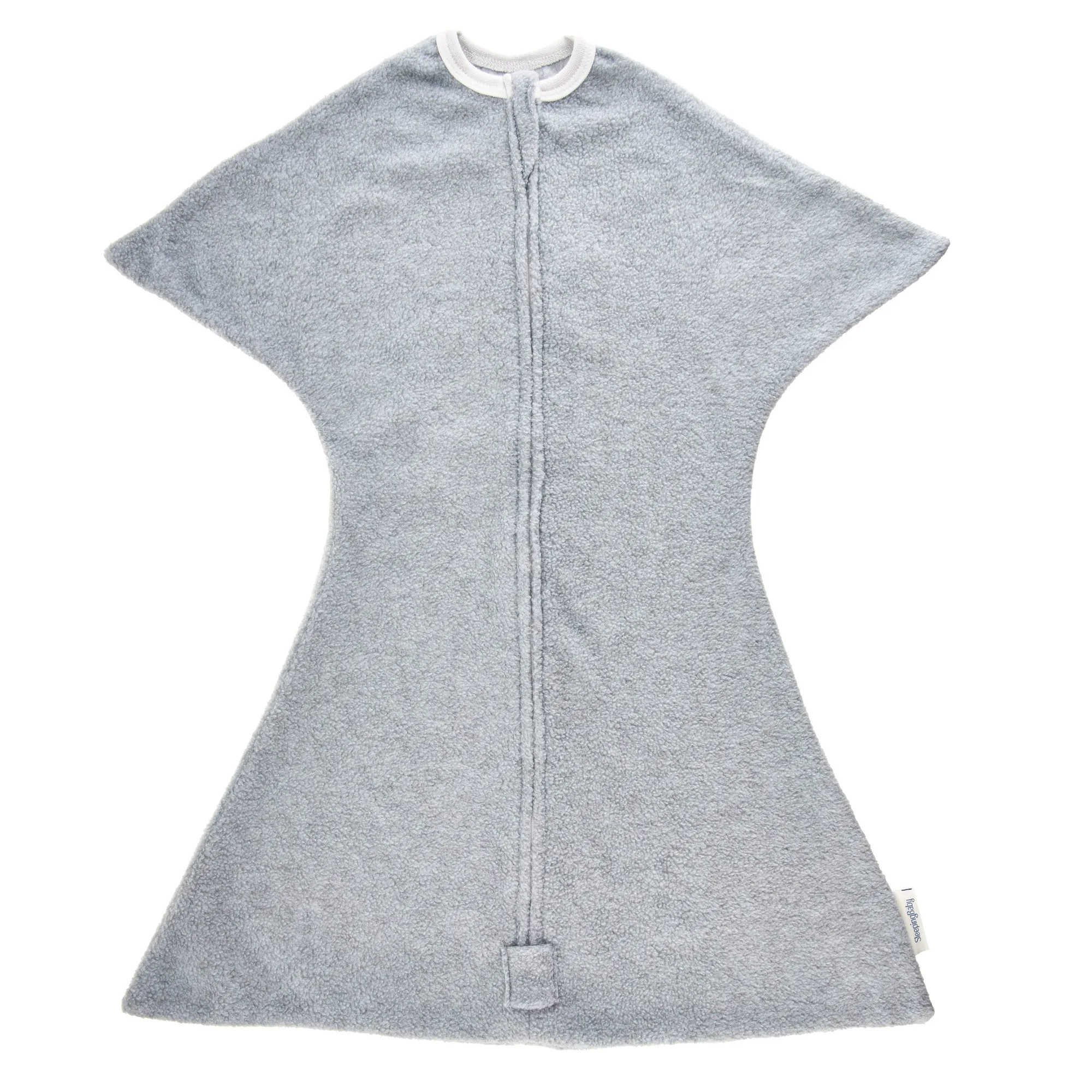
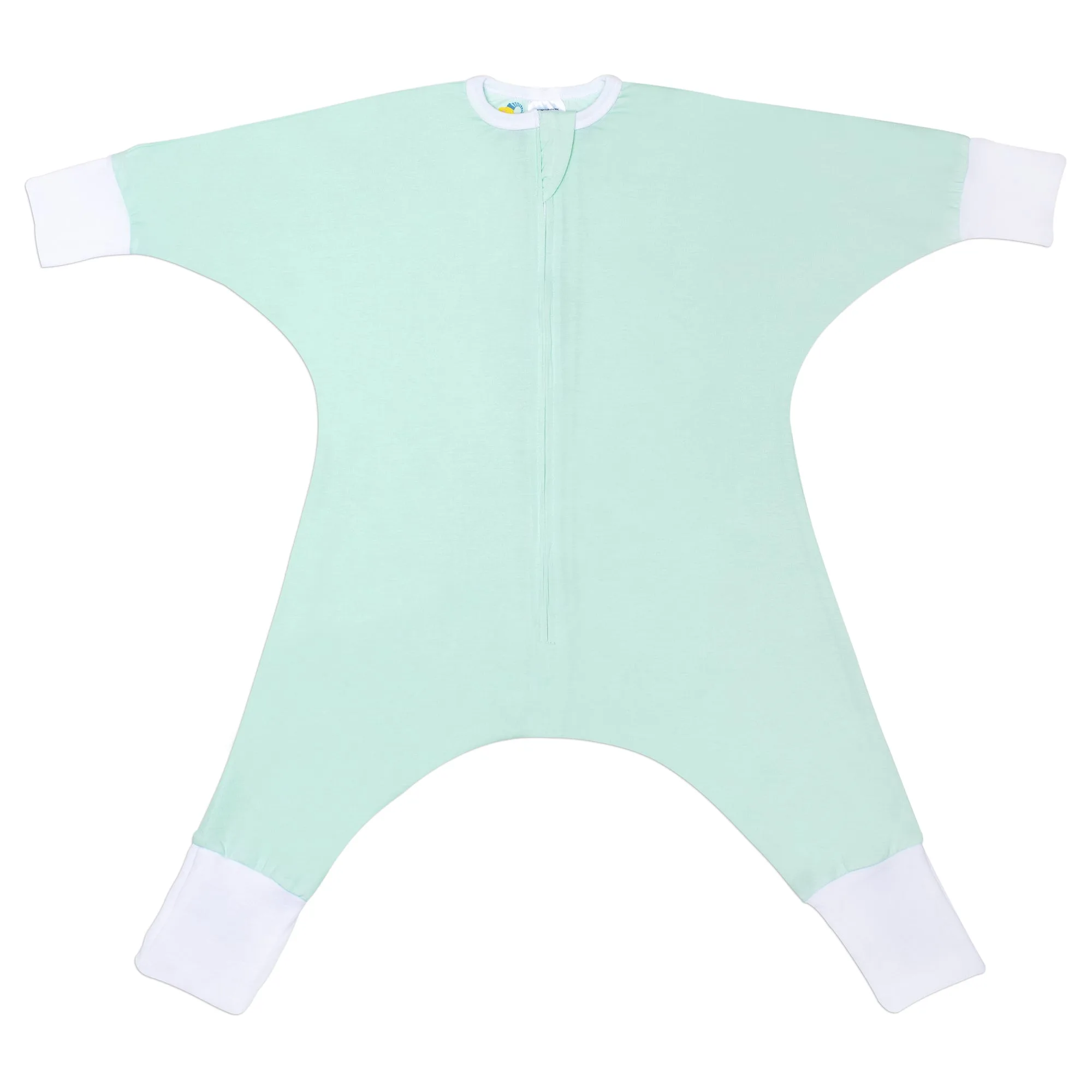
- Sleeping Baby Classic Heather Flying Squirrel Pajama - Fleece: Sleeping Baby Classic Heather Flying Squirrel Pajama - Fleece doubles as a wearable blanket and is designed based on safe sleep recommendations from the American Academy of Pediatrics (AAP). If you are transitioning away from swaddles, this wearable blanket keeps your little one warm without loose blankets in the crib.
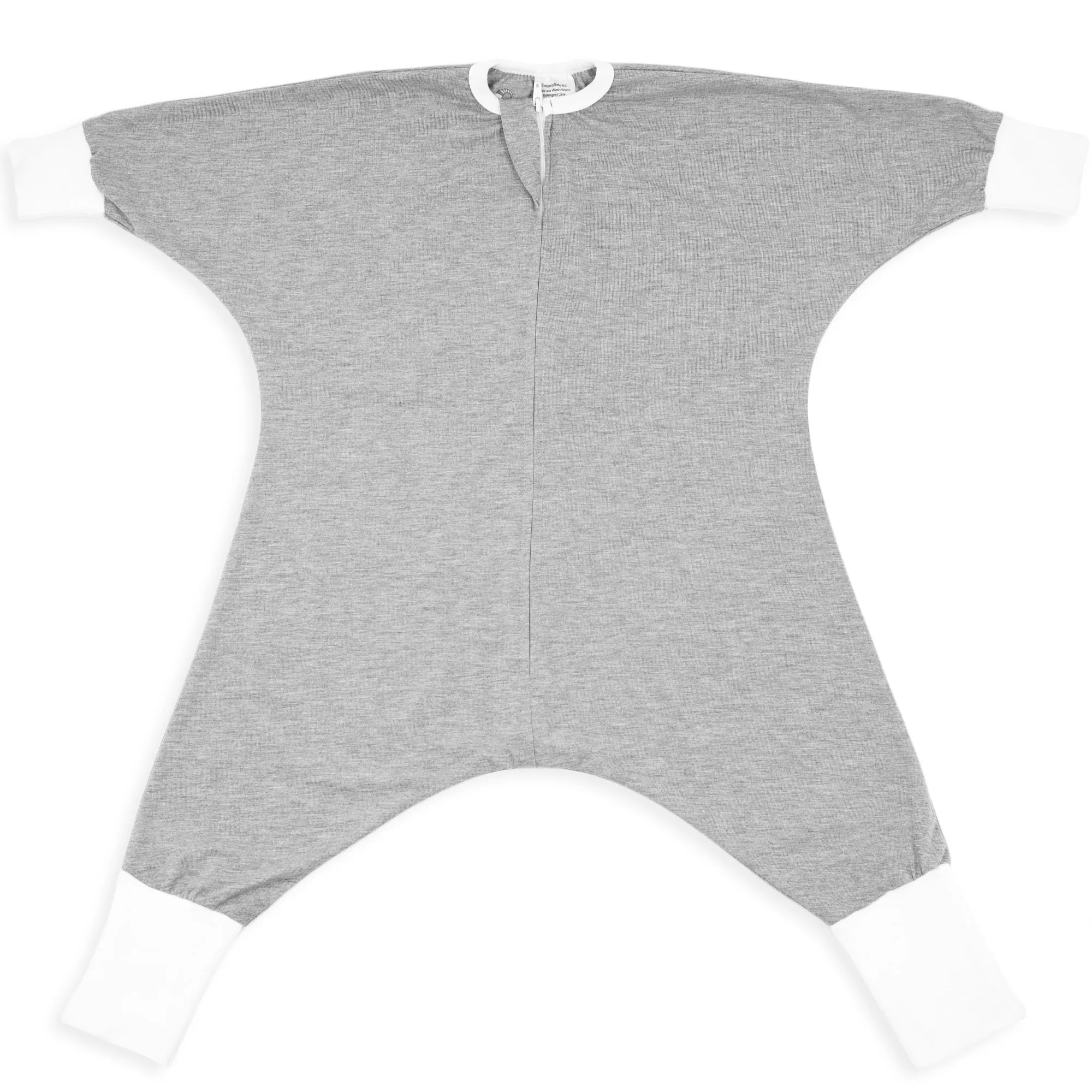
Sleeping Baby Classic Heather Flying Squirrel Pajama
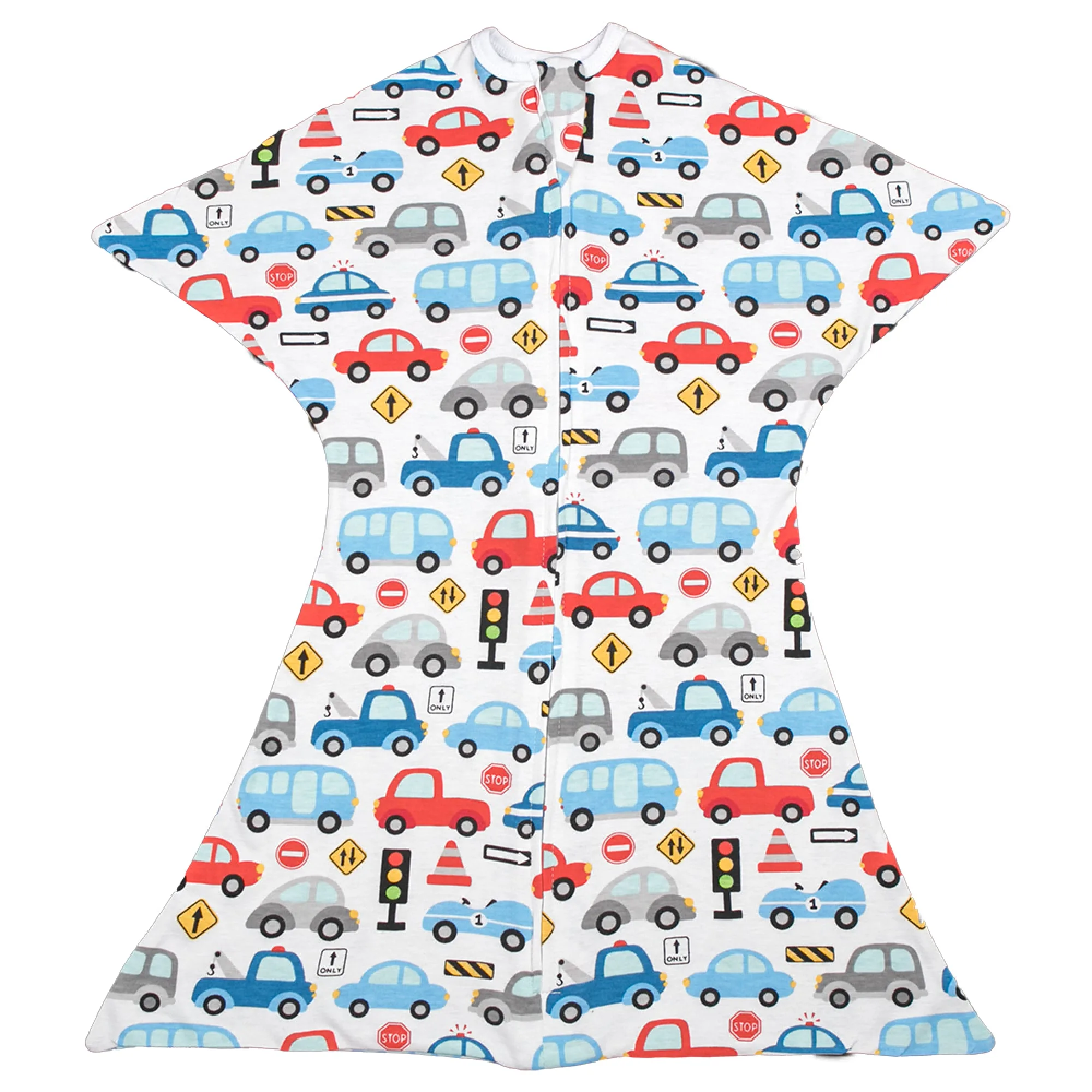
- Sleeping Baby Stripes & Checkers Zipadee-Zip Swaddle Transition: Sleeping Baby Stripes & Checkers Zipadee-Zip Swaddle Transition is safe for rollers and comes in five trendy patterns. Once your baby starts rolling, this transition swaddle lets them move safely while still feeling snug.
Which Should You Choose?
Best for
- Breastfed babies who need a soft, breast-like feel
- Parents who want a silicone-free, natural material
- Babies who gag on firmer silicone pacifiers
Not for
- Babies with a latex allergy
- Families who want dishwasher-safe convenience
- Parents who prefer a pacifier that lasts more than a few weeks