Quick Answer
Natursutten natural rubber pacifiers offer a soft, flexible feel that many babies accept easily, but they wear faster and need replacing every 4–6 weeks. Silicone pacifiers are more durable, tasteless, and dishwasher-safe, yet stiffer and less biodegradable. Choose rubber for a natural feel and eco-friendly material; choose silicone for longevity and low maintenance.
Material Basics: Natural Rubber vs. Silicone
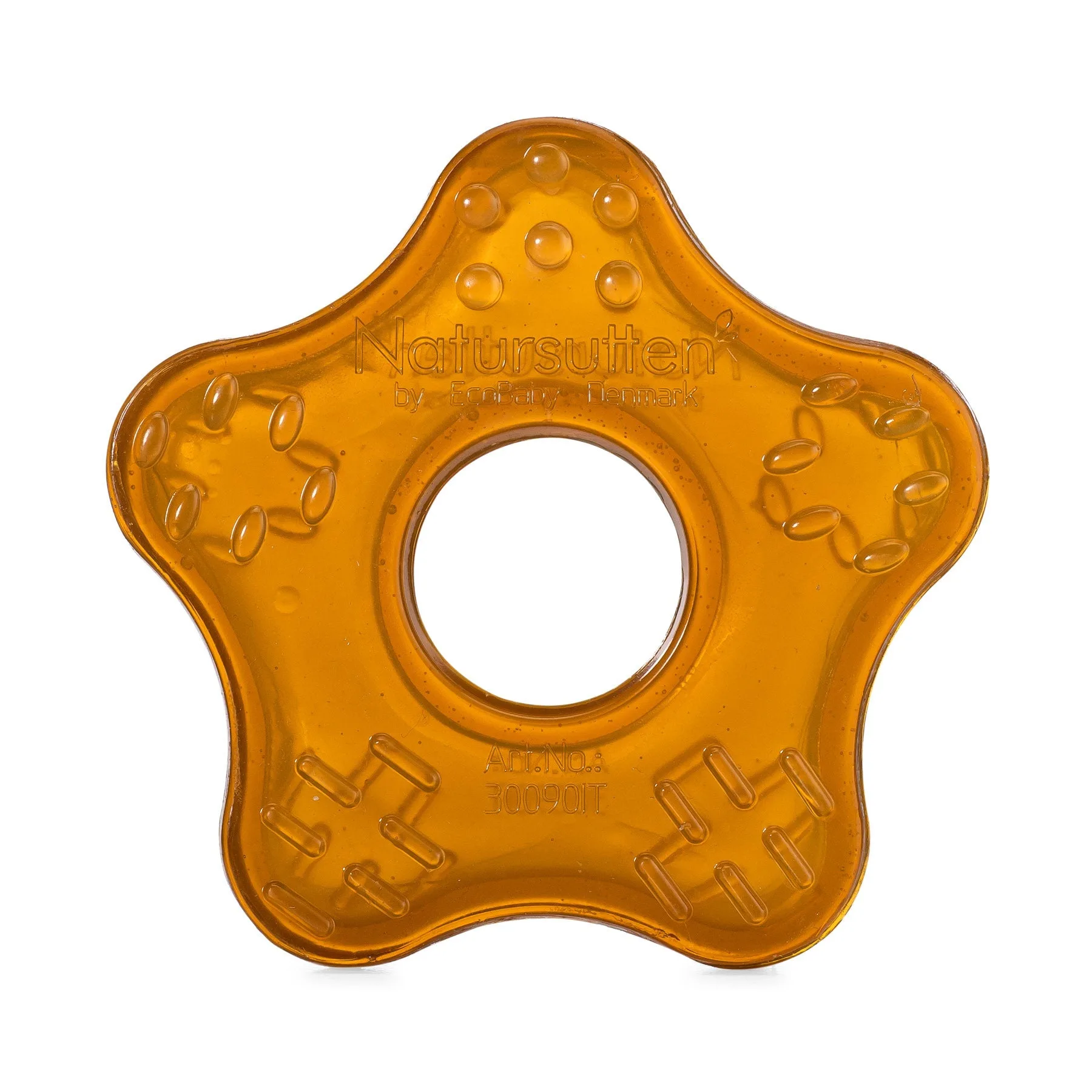
Natursutten natural rubber pacifiers are made from Hevea brasiliensis tree sap, a renewable resource that is biodegradable and free of BPA, phthalates, and chemical softeners. The rubber is soft and pliable, warming to body temperature for a familiar, breast-like feel. However, natural rubber has a distinct smell and taste that some babies notice, and it degrades over time, becoming sticky or torn. Silicone pacifiers are synthetic, odorless, and tasteless. They resist heat and moisture, so they hold their shape longer and can be boiled or dishwashed. But silicone is firmer and not biodegradable. For parents searching for a latex-free pacifier option, silicone is the clear choice, while natural rubber is technically latex and may not suit babies with a latex sensitivity.
Durability and Replacement: What to Expect
Natural rubber pacifiers typically last 4–6 weeks with daily use before showing signs of wear such as discoloration, stickiness, or small tears. They should be replaced at the first sign of damage to prevent choking hazards. Silicone pacifiers generally last 2–3 months or longer, depending on use and cleaning. They resist cracking and can withstand high heat, making them easier to sanitize. If you prefer a low-maintenance routine, silicone is more forgiving. If you value a shorter replacement cycle for hygiene reasons, rubber's quicker wear can be a reminder to swap in a fresh pacifier.
Cleaning and Care Differences
Natural rubber pacifiers require gentle hand washing with mild soap and warm water, then air drying. They should not be boiled, microwaved, or put in the dishwasher, as heat accelerates degradation. Silicone pacifiers can be boiled, steam-sterilized, or placed on the top rack of a dishwasher, saving time and effort. For both materials, inspect the nipple and shield regularly for tears or weakness. If you use a pacifier clip, choose one that attaches to clothing, not around the neck, for safety.
Feel and Acceptance: What Babies Prefer
Many parents report that babies who are breastfed or who reject silicone take to natural rubber more readily because it is softer and warms up quickly. The rubber's flexibility mimics the breast, which can soothe a fussy infant. Silicone is firmer and stays at room temperature, which some babies find less comforting but others accept without issue. If your baby spits out silicone pacifiers, trying a natural rubber option like Natursutten may help. Conversely, if your baby chews aggressively, silicone's toughness may hold up better.
Trade-Offs at a Glance
- Natural Rubber: Soft, flexible, biodegradable, and free from chemical softeners. But it has a taste and odor some babies reject, wears out in 4–6 weeks, and cannot be boiled or dishwashed. Best for eco-conscious parents and breastfed babies who need a familiar feel.
- Silicone: Durable, tasteless, odorless, and heat-resistant for easy sterilization. But it is firmer, synthetic, and not biodegradable. Best for parents who want low-maintenance cleaning and long-lasting use.
- Latex Sensitivity: Natural rubber contains latex proteins; silicone is latex-free. If your baby has a known latex allergy, choose silicone. Always check with your pediatrician if you suspect a latex allergy.
Product Facts
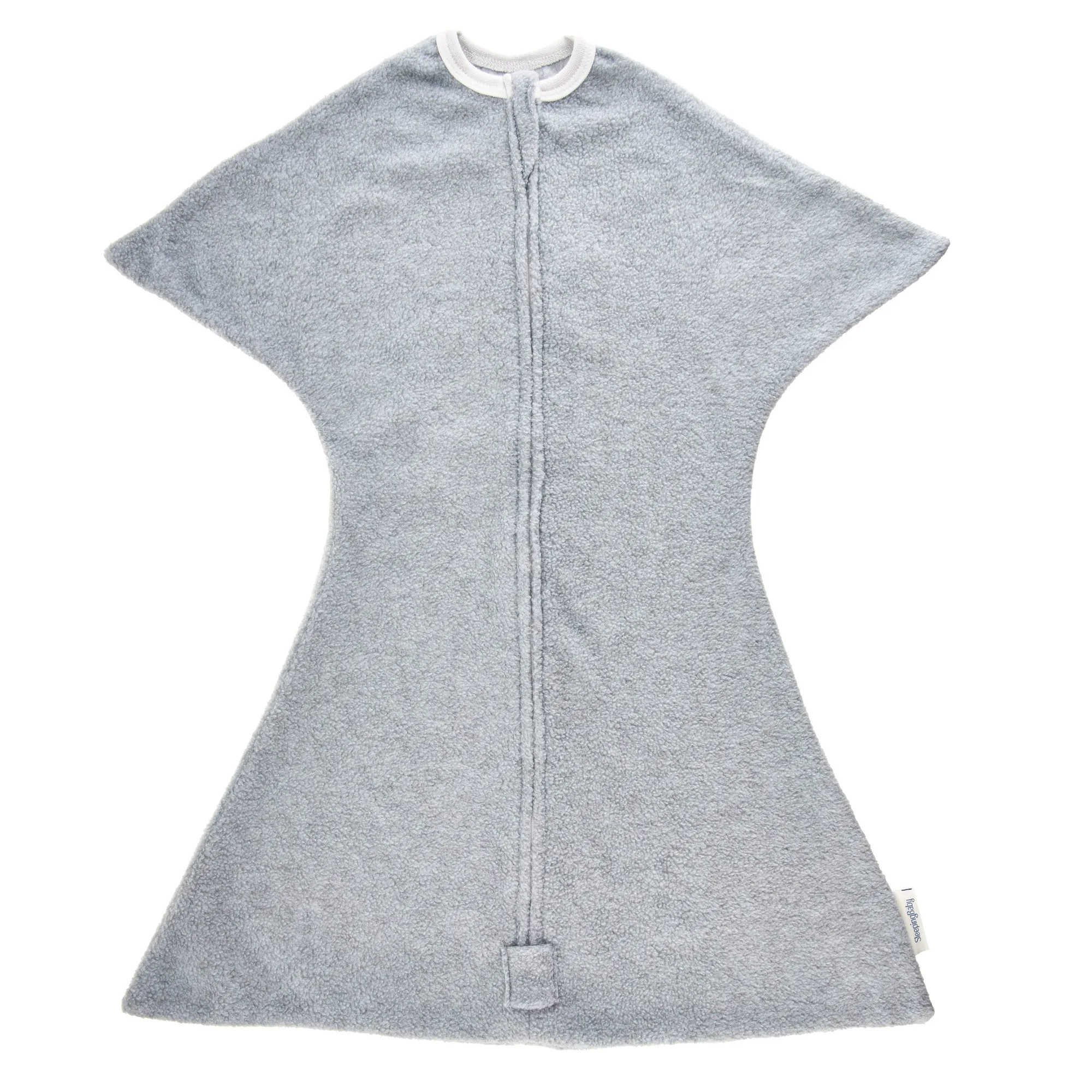
- Sleeping Baby Gingerbread Zipadee-Zip Swaddle Transition - Fleece: Sleeping Baby Gingerbread Zipadee-Zip Swaddle Transition - Fleece: The Zipadee-Zip’s unique starfish design provides the cozy, secure feeling of a swaddle without limiting baby’s range of motion. This swaddle transition supports safe sleep for babies who roll, and its fleece fabric adds warmth for colder months.
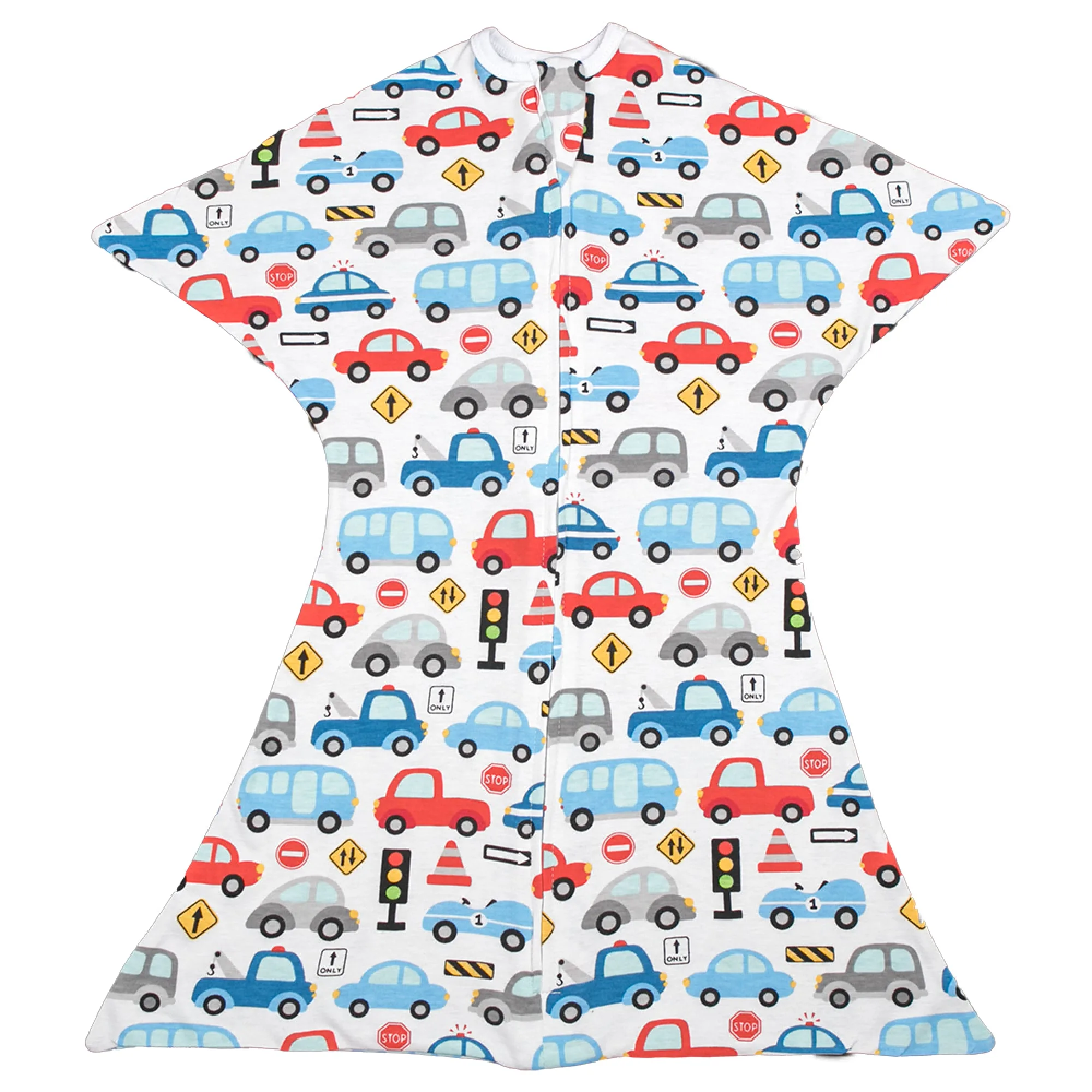
- Sleeping Baby Heather Zipadee-Zip Swaddle Transition: Sleeping Baby Heather Zipadee-Zip Swaddle Transition: Unique Starfish Design - The Zipadee-Zip transition sleep sack mimics the snug, secure feel of a swaddle while allowing full range of motion, making it the perfect... The classic version offers breathable fabric and a double zipper for easy diaper changes, ideal for year-round use.
Which Material Fits Your Baby?
Choose Natural Rubber If
- Your baby is breastfed and prefers a soft, breast-like feel.
- You want a biodegradable, chemical-free pacifier and don't mind replacing it monthly.
- Your baby rejects silicone pacifiers.
Choose Silicone If
- You need a latex-free option for a baby with latex sensitivity.
- You prefer dishwasher-safe, boilable pacifiers that last longer.
- Your baby chews aggressively and needs a tougher material.