Quick answer
For skin health, neem powder offers versatile topical and internal use, while neem tablets provide convenience and precise dosing. If you prefer simplicity and portability, tablets may be better; if you enjoy DIY remedies and flexibility, powder is ideal. Both forms deliver neem's traditional benefits, but your lifestyle and preferences determine the best choice.
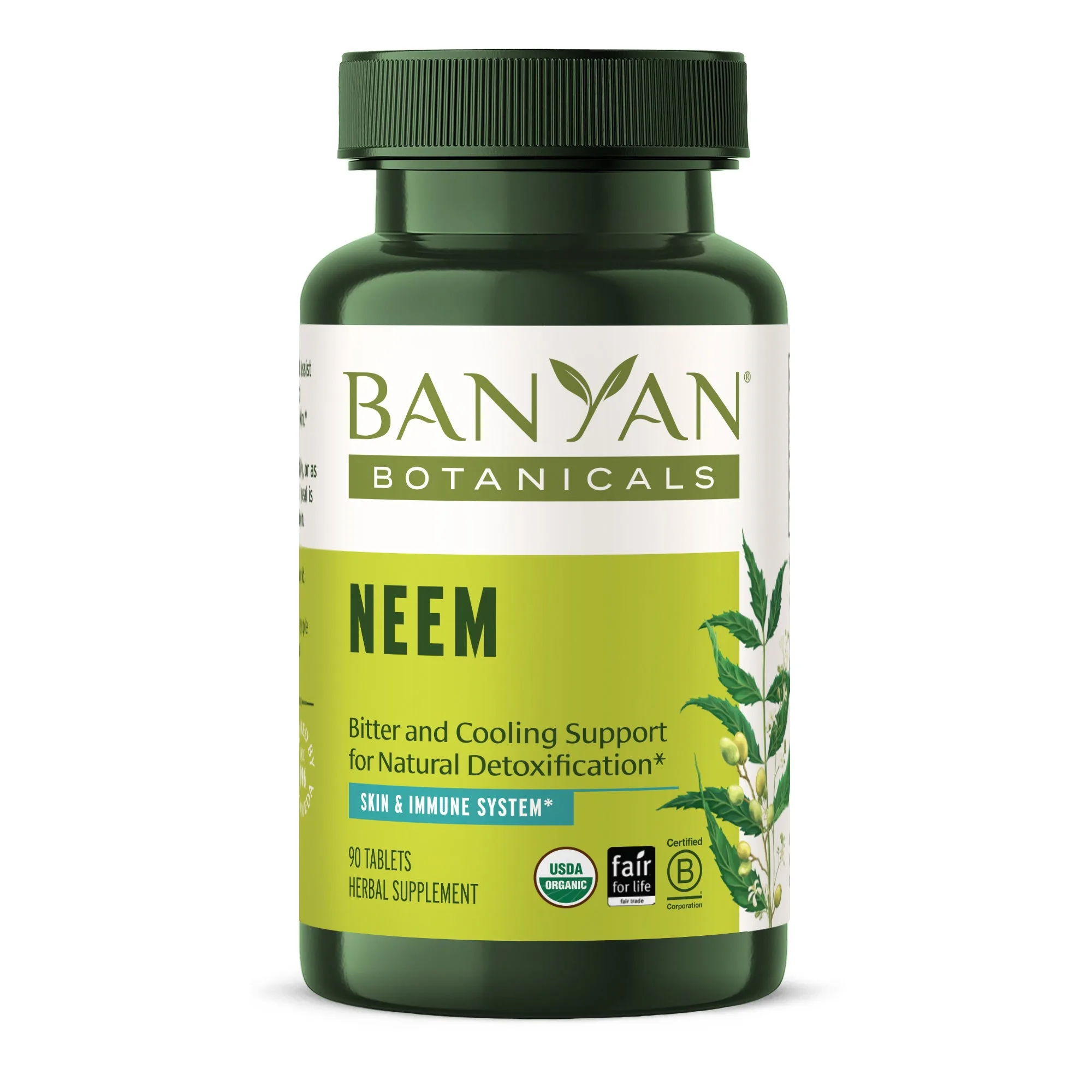
neem tablets
Neem (Azadirachta indica) has been a cornerstone of Ayurvedic skincare for centuries, prized for its purifying and soothing properties. When it comes to incorporating neem into your wellness routine, you have two primary options: tablets and powder. Each form has its own set of advantages and trade-offs, and the right choice depends on your lifestyle, preferences, and specific skin concerns.
In this comparison, we'll explore the differences between neem tablets and neem powder, focusing on skin health. We'll discuss convenience, dosing, versatility, and how each form fits into an Ayurvedic approach. By the end, you'll have a clear understanding of which option aligns with your needs.
Neem Tablets: Convenience and Precise Dosing
Neem tablets are a popular choice for those seeking a straightforward, no-fuss way to incorporate neem into their daily routine. They offer the benefit of precise dosing—each tablet contains a standardized amount of neem extract, so you know exactly how much you're taking. This is particularly appealing for busy individuals who don't want to measure powders or deal with the bitter taste of neem.
Tablets are also highly portable, making them ideal for travel or on-the-go use. You can easily toss a bottle in your bag and take them with water wherever you are. For those who dislike the earthy, bitter flavor of neem, tablets offer a tasteless alternative. Additionally, tablets are less messy and require no preparation, which can be a significant advantage for those with a hectic lifestyle.
However, tablets may not offer the same versatility as powder. You can't use tablets topically or incorporate them into DIY face masks or scrubs. If you enjoy creating your own skincare preparations, tablets limit your options. Moreover, some people may find tablets harder to digest or absorb, though this is not a universal concern.
- Precise dosing: each tablet contains a fixed amount of neem.
- Portable and convenient for travel or work.
- Tasteless and easy to swallow, avoiding neem's bitterness.
- Limited to internal use; cannot be used topically.
Neem Powder: Versatility and Traditional Use
Neem powder, made from dried and ground neem leaves, is the most traditional form of neem in Ayurveda. It offers remarkable versatility: you can take it internally by mixing it with water, juice, or honey, or use it externally as a paste, mask, or scrub. This flexibility makes neem powder a favorite for those who enjoy holistic, DIY approaches to skincare.
For skin health, neem powder can be applied directly to affected areas, helping to soothe irritation and promote a clear complexion. You can create a simple face mask by mixing neem powder with water or rose water, or combine it with other beneficial herbs like tulsi or moringa for enhanced effects. This topical use is a significant advantage over tablets, which are only for internal consumption.
On the downside, neem powder has a strong, bitter taste that can be off-putting. It also requires measurement and preparation, which may be inconvenient for some. Additionally, the powder needs to be stored properly to maintain its potency and avoid moisture. If you're looking for a quick, no-prep option, powder might not be the best fit.
- Versatile: can be taken internally or used topically.
- Traditional Ayurvedic form, ideal for DIY masks and scrubs.
- Strong bitter taste may be unpleasant.
- Requires measuring and mixing; needs proper storage.
Comparing Neem Tablets and Powder for Skin Health
When it comes to skin health, both forms offer neem's traditional benefits, but they differ in how you can use them. Tablets provide a systemic approach, working from within to support overall well-being, which can reflect on your skin. They are excellent for those who want a consistent, daily dose without any fuss. Powder, on the other hand, offers both internal and external benefits, allowing you to target specific skin issues directly.
If you're dealing with acne or blemishes, using neem powder as a topical mask can be particularly effective, as it allows the herb to work directly on the affected areas. For overall skin vitality, taking neem internally—whether as tablets or powder—can support your body's natural detoxification processes, which may help maintain clear skin.
Your choice also depends on your tolerance for taste and preparation. If you're sensitive to bitter flavors or have a busy schedule, tablets are likely more suitable. If you enjoy experimenting with natural skincare and don't mind the taste, powder offers greater flexibility. Additionally, consider your budget: powder is often more cost-effective per serving, but tablets offer convenience that may justify the price.
- Tablets: internal use only, best for consistent daily support.
- Powder: internal and topical use, ideal for targeted skin treatments.
- Consider taste, convenience, and budget when choosing.
Trade-Offs at a Glance
- Convenience vs. Versatility: Tablets offer grab-and-go ease; powder allows for both internal and topical use. Choose tablets for simplicity, powder for flexibility.
- Taste vs. Tastelessness: Powder has a bitter taste; tablets are tasteless and easier to swallow. If you dislike bitter flavors, tablets are the better choice.
- Cost vs. Preparation: Powder is often more cost-effective but requires measuring and mixing; tablets are pricier but ready to take. Consider your budget and willingness to prepare.
Product Facts from Banyan Botanicals
- Tulsi powder: Also known as 'holy basil,' tulsi is revered as one of the most sacred plants in India. This uplifting adaptogen has a warm, nourishing, and sattvic (pure) energy that is traditionally known to support healthy lungs and circulation while imparting a sense of peaceful well-being. Tulsi powder is the most traditional and versatile way to use this herb.* While not neem, tulsi powder can complement neem in DIY skincare routines, offering adaptogenic support and a calming aroma.
- Moringa powder: Moringa (Moringa oleifera) is considered an herbal superfood, thanks to its incredible nutritional content. In addition to vitamin C, vitamin A, calcium, and iron, moringa also contains many of the essential amino acids required to form a complete protein. A powerful nutritional boost, moringa supports optimal energy levels and vitality.* Moringa powder can be blended with neem powder to create nutrient-rich face masks, boosting skin health with vitamins and minerals.
Which Should You Choose?
Best for
- Neem tablets: busy individuals who value convenience and precise dosing, and who prefer not to taste neem.
- Neem powder: DIY enthusiasts who enjoy creating topical masks and want a versatile, traditional form.
Not for
- Neem tablets: those who want to use neem topically or incorporate it into DIY skincare.
- Neem powder: those who dislike bitter tastes or prefer a no-prep supplement.
Both neem tablets and neem powder have their place in a skincare routine. If you prioritize convenience and consistency, tablets are a great fit. If you value versatility and enjoy hands-on remedies, powder offers more possibilities. Consider your lifestyle and preferences to make the best choice for your skin health journey.