What the neoprene coating actually does
Neoprene dumbbells are not just colorful versions of metal weights. The soft coating is the working surface: it gives you a non-slip grip and prevents the calluses that standard gym dumbbells can cause. That same coating is what wears first if you leave chalk, sweat or rough storage surfaces against it.
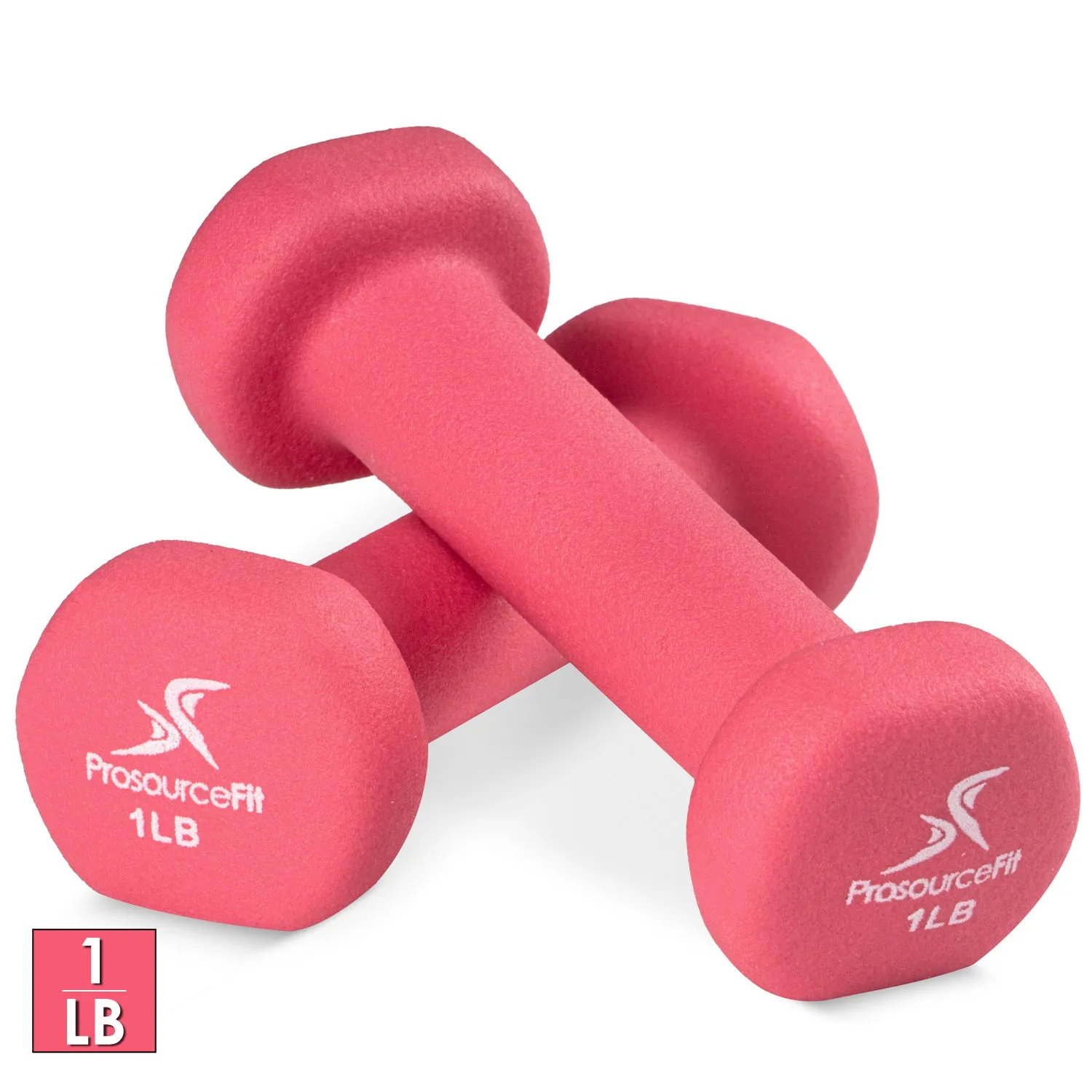
The ProsourceFit Neoprene Dumbbells come in color-coded weights from 1 lb to 12 lb, with 2 lb, 3 lb, 8 lb and 11 lb among the listed options. Because the same coating covers every size, the care routine is the same whether you own one pair or a full set.
A simple post-session cleaning routine
The supplied product information does not include a manufacturer cleaning procedure, so treat the following as general good practice for coated weights rather than a quoted instruction. Keep it short and repeatable.
- Wipe after every use: Use a soft, slightly damp cloth to remove sweat and surface dust. The goal is to keep the grip surface clean, not to soak the coating.
- Skip harsh cleaners: The record does not confirm which chemicals are safe on the neoprene, so avoid abrasive pads and strong solvents. A plain damp cloth is the conservative choice.
- Dry before storage: Let the dumbbells air-dry fully before they go back on a rack or into a bin. Trapped moisture is the enemy of any coated handle.
- Check the surface as you wipe: Look for small nicks or lifted edges near the ends. Catching a minor scuff early is easier than repairing a larger peel.
Why the grip is worth protecting
-
Neoprene Dumbbells: The neoprene coating is described as providing a soft, comfortable grip that prevents callouses and a non-slip hold. The coating is the feature you are maintaining; once it is compromised, the comfort and grip benefits are what degrade first.
Neoprene Dumbbells
-
Neoprene Dumbbells: The dumbbells are available in color-coded weights from 1 lb to 12 lb. A full set means more coated surfaces to inspect and store, so a consistent routine matters more than with a single pair.
Storage habits that prevent peeling
Most neoprene damage happens between workouts, not during them. These habits reduce the friction and pressure that lead to lifted edges.
- Do not stack bare weights on each other: Neoprene-on-neoprene contact under load can rub and pinch the coating. A rack or separated floor space is gentler.
- Keep them off rough concrete: A mat or shelf protects the ends, which are the most common starting point for a peel.
- Avoid direct sun and heat: The supplied information does not specify a temperature limit, so use ordinary indoor storage rather than a hot car or a radiator-adjacent spot.
- Store small weights together by size: The 2 lb and 3 lb pairs are easy to lose under larger weights. A small bin or dedicated shelf keeps them accessible and unloaded.
Handle grip tips for sweaty or chalky hands
The neoprene surface is designed to be non-slip, but grip still depends on the condition of your hands and the coating. If your hands are heavily chalked, the chalk can dry out and abrade the surface over time. Wipe your hands before picking up the weights, and clean the dumbbells after sessions where you used chalk or lotion.
For the lighter weights, such as the 2 lb and 3 lb options, the dumbbells are described as small enough to walk or run with. That makes them convenient, but it also means they are more likely to be set down on pavement or carried against rough clothing. A quick wipe and a designated storage spot after outdoor use will do more for the coating than any repair.
When a scuff is not a crisis
A small surface mark on neoprene is normal with regular use. The supplied record does not include repair instructions or a warranty statement, so if the coating lifts at an edge, the safe approach is to stop using that dumbbell for exercises where the damaged area contacts your hand or the floor. For a set that ranges from 1 lb to 12 lb, you can often rotate to another size while you decide whether to replace the affected weight.
What you should not do is trim or glue the coating based on guesswork. Without confirmed manufacturer guidance, those fixes can make the grip worse.