Quick answer
Choose Nettle Leaf Tea if you want a mineral-rich, earthy green cup for daily vitality; choose Milk Thistle Tea if you prefer a mild, nutty single-ingredient seed infusion for a grounding routine.
Flavor and ingredient differences that shape your daily cup
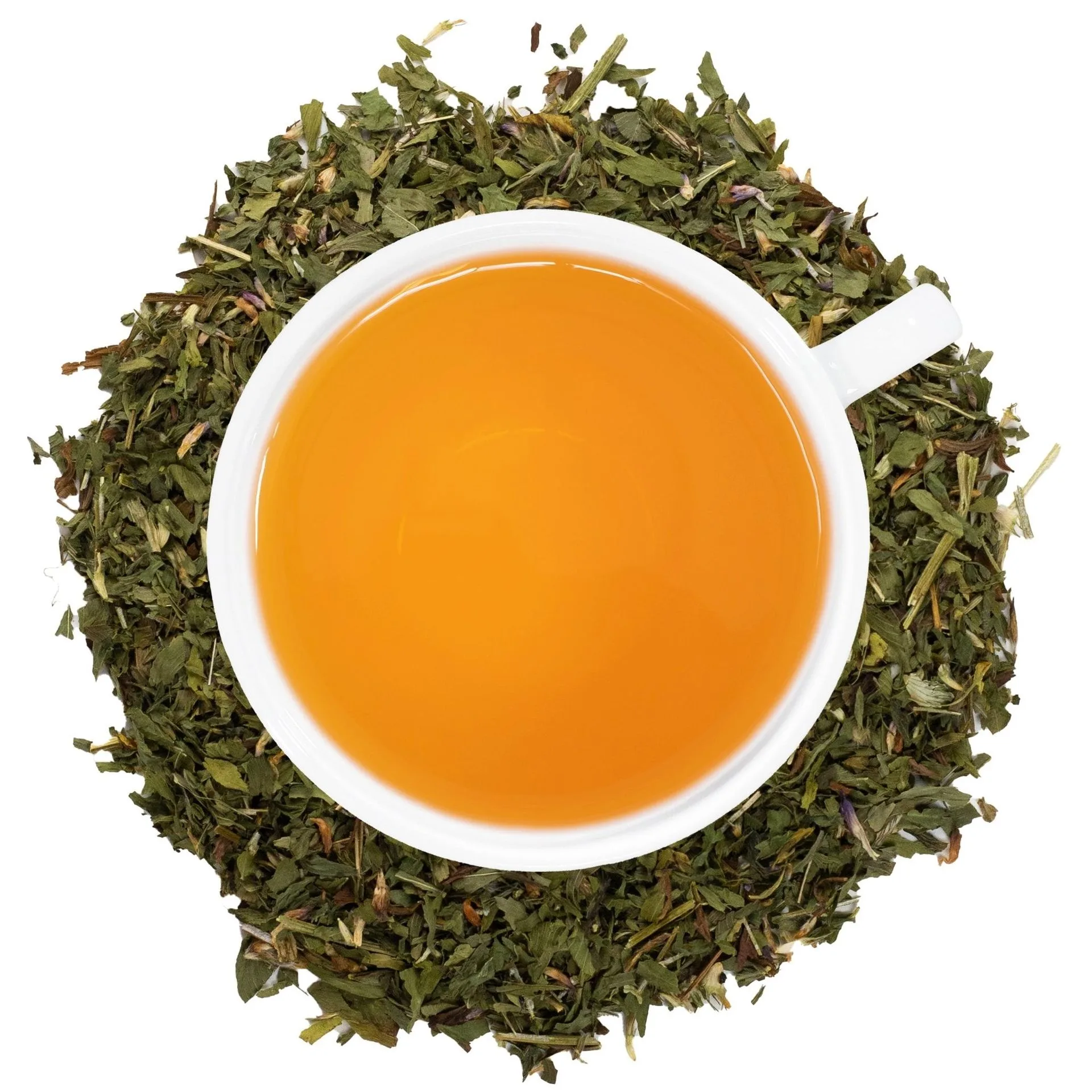
Nettle Leaf Tea is made from nettle leaves and brews into a robust, earthy green infusion with a mineral-like brightness. Milk Thistle Tea uses milk thistle seeds and delivers a mild, nutty flavor. Neither contains artificial flavorings, so what you taste is the botanical itself.
If you drink tea primarily for enjoyment, the nettle leaf’s stronger green profile may appeal more if you like spinach or matcha-like vegetal notes. The milk thistle seed’s softer nuttiness suits those who find leafy greens too grassy. Both are single-ingredient herbal infusions, so you can easily combine them with other herbs if you want to customize.
Why the packaging matters for a sustainable routine
Both teas are packaged in 100% compostable materials. That means after you finish the box, you can compost the packaging rather than sending it to landfill. For a daily herbal tea habit, this small choice adds up over a year.
Compostability depends on your local facility or home compost conditions; check your municipality’s guidelines if you plan to compost at home. Neither product makes specific claims about the speed of breakdown, so treat compostable as a responsible end-of-life option, not a guarantee of rapid decomposition.
How to decide when both sound appealing
If you want one tea for everyday drinking, start with the flavor you naturally reach for: earthy green or mild nutty. If you are curious about herbal tea for liver support, note that milk thistle is the more traditionally associated botanical, while nettle leaf is often chosen for general vitality. Neither tea is a medicine, and neither product record makes specific health claims.
Price is another practical tiebreaker: at catalog prices, Nettle Leaf Tea is listed at $4.85 and Milk Thistle Tea at $5.96, both discounted from $7.95. If budget is tight, nettle leaf costs less per box. If you prefer seed-based botanicals, milk thistle is the clear choice.
Key trade-offs to weigh
- Flavor intensity: Nettle Leaf delivers a strong earthy-green taste; Milk Thistle is mild and nutty. If you dislike vegetal notes, milk thistle is safer; if you want a bolder cup, choose nettle. Sample a small cup before committing to a large box if you are unsure about green flavors.
- Ingredient simplicity: Both are single-ingredient, but milk thistle uses seeds while nettle uses leaves. Seed-based teas often feel softer on the palate; leaf-based teas can taste more grassy. Check the ingredient list if you prefer one plant part over another.
- Cost per box: Nettle Leaf is $4.85 and Milk Thistle is $5.96 at catalog prices. The difference is small per cup, but it matters if you drink multiple cups daily. Calculate cost per cup based on how many servings you actually use.
Product facts at a glance
-
Nettle Leaf Tea: Organic Nettle Leaf Tea is a nutrient-dense infusion with a robust, earthy green profile and no artificial flavorings. You get a full-flavored, vegetal cup that stands up to daily drinking without added flavoring.
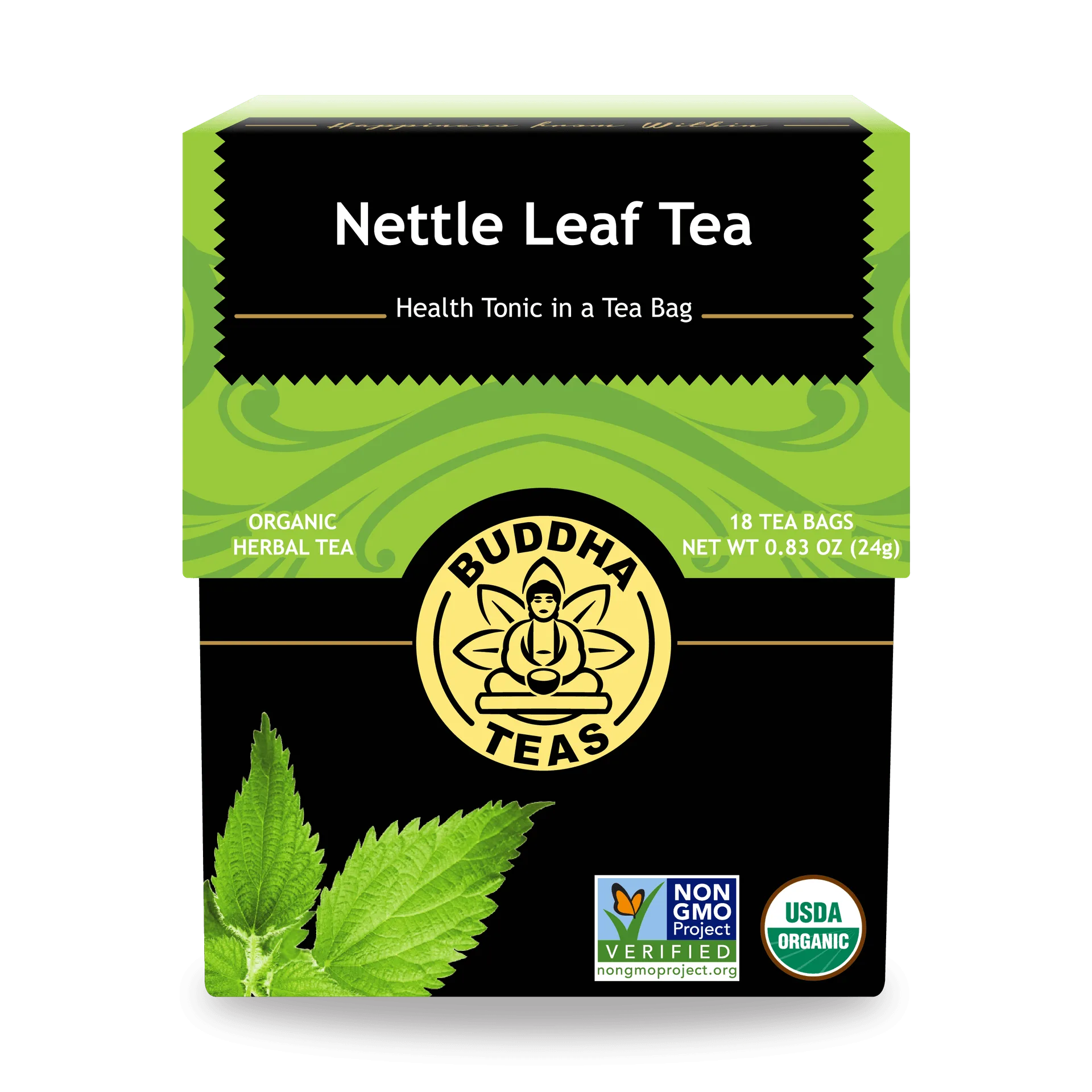
Nettle Leaf Tea
-
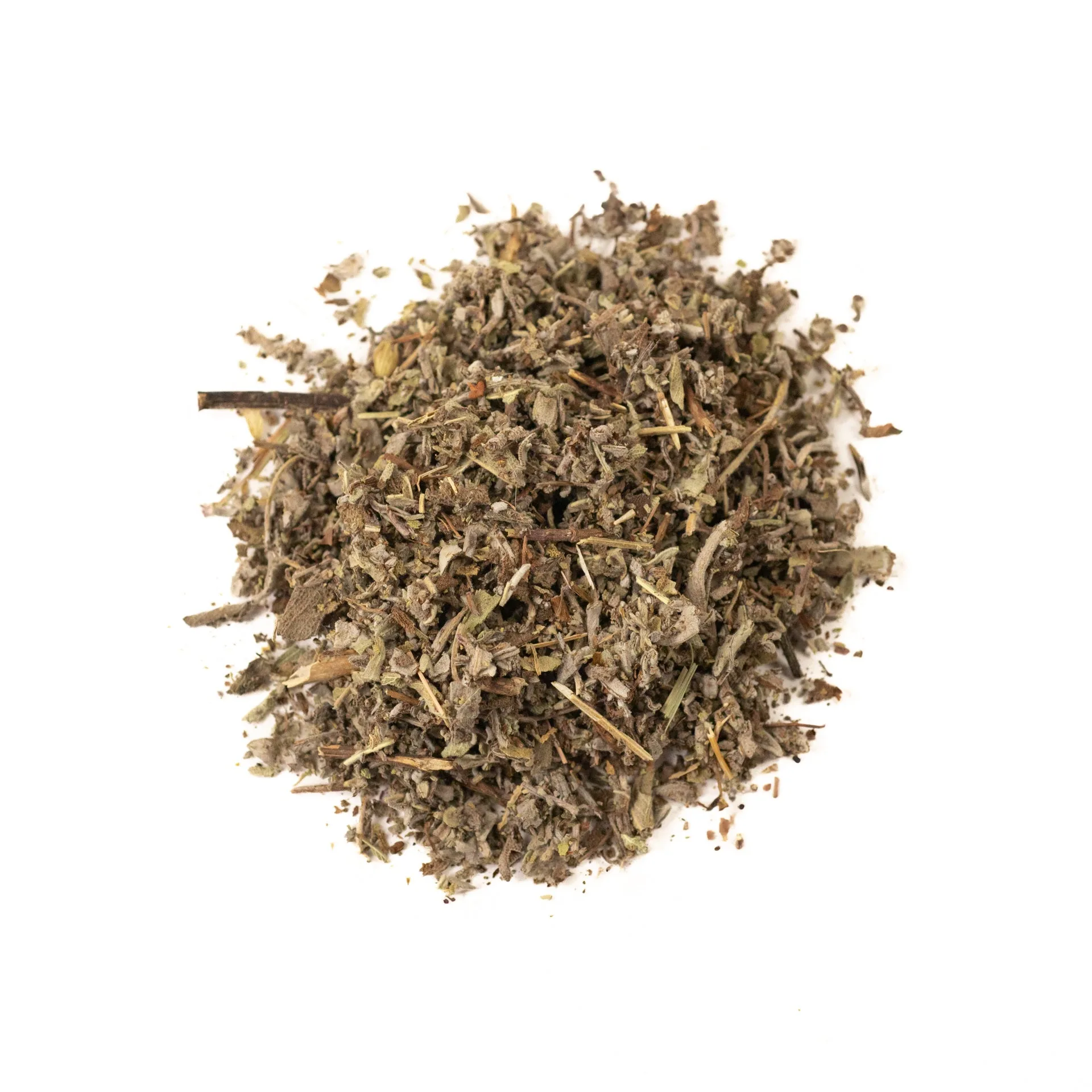
Milk Thistle Tea: Organic Milk Thistle Seed Tea is a single-ingredient infusion with a mild, nutty essence, packaged in compostable materials. The simple seed-only formula suits anyone who wants a gentle, nutty tea with a short ingredient list.
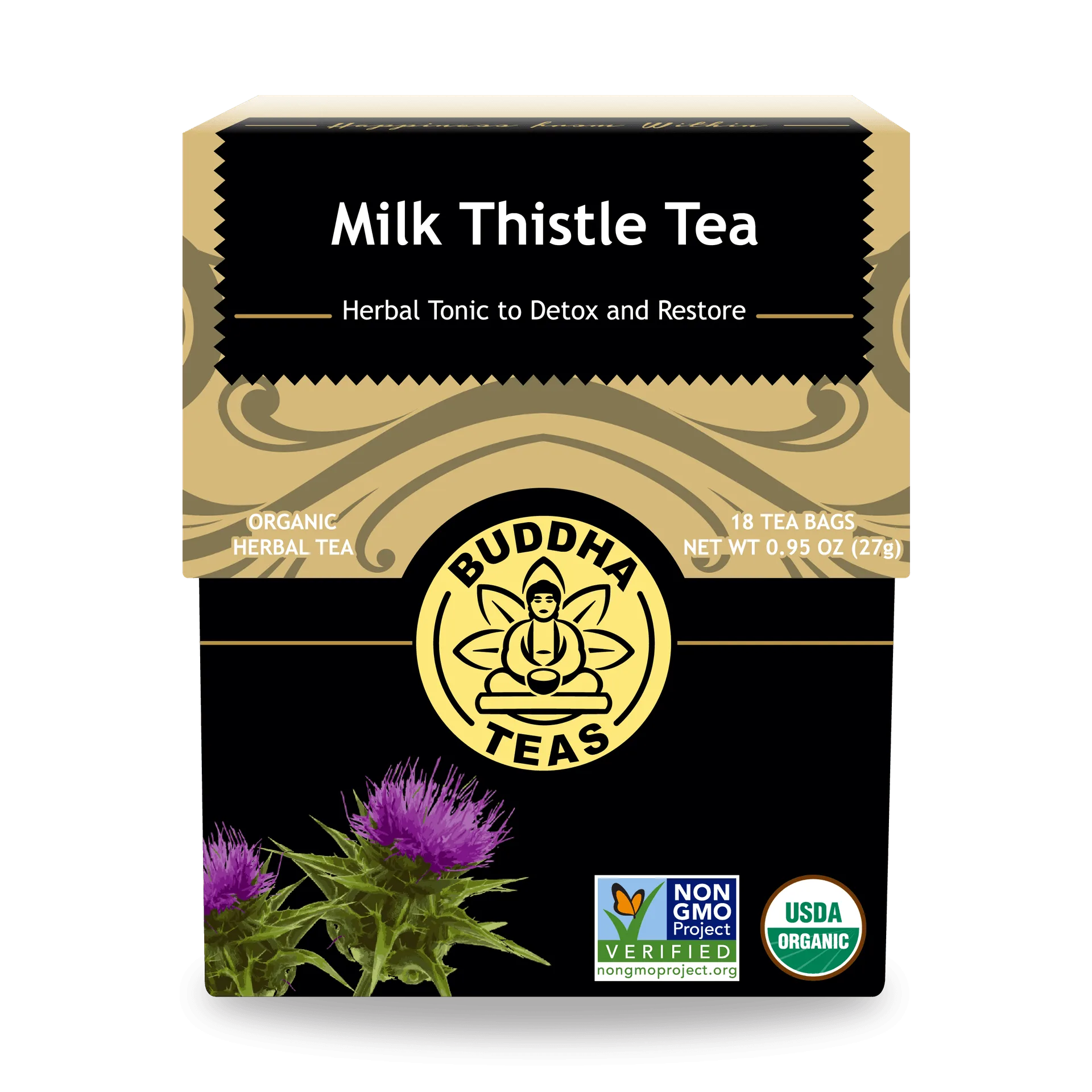
Milk Thistle Tea
Which tea fits your routine?
Best for
- Drinkers who enjoy bold, earthy green flavors and want a lower-cost daily herbal tea.
- Those looking for a leafy, mineral-rich infusion without artificial flavorings.
Not for
- People who dislike vegetal or grassy tastes and prefer mild, nutty flavors.
- Shoppers specifically seeking a seed-based botanical like milk thistle.