Around the world, governments are tightening regulations on chemical cleaning products, targeting volatile organic compounds (VOCs), phosphates, chlorine bleach, and undisclosed synthetic fragrances. These laws—from California’s Safer Consumer Products program to the EU’s updated Classification, Labelling and Packaging (CLP) regulation—push for greater ingredient transparency and reduced environmental harm. For conventional cleaner manufacturers, compliance means reformulating decades-old recipes. But for plant-based brands already built on non-toxic, biodegradable ingredients, the new rules represent a competitive advantage and a validation of their mission.
L’AVANT Collective, a plant-based cleaning company that prioritizes transparency and refillable packaging, stands at the forefront of this regulatory shift. With products formulated without harsh chemicals, they have long met the spirit of upcoming mandates. This article breaks down the key regulatory changes, explains their impact on the cleaning industry, and shows how plant-based brands are not just surviving but thriving under these new standards.
Key Regulatory Changes Reshaping the Cleaning Industry
Several landmark regulations are driving the transformation of household cleaners. In the United States, the California Department of Toxic Substances Control (DTSC) continues to expand its Safer Consumer Products program, requiring manufacturers to assess alternatives to toxic chemicals. Meanwhile, the U.S. Environmental Protection Agency’s Safer Choice standard has become a de facto benchmark for federal purchasing. In Europe, the updated CLP regulation imposes stricter labeling for mixtures containing hazardous substances, and France’s AGEC law mandates better environmental labeling for cleaning products. These aren’t isolated rules—they signal a global movement toward chemical accountability.
Other notable changes include bans on specific solvents like 2-butoxyethanol and limits on formaldehyde-releasing preservatives in spray cleaners. Canada has also updated its Cleaner Products regulations under the Canadian Environmental Protection Act. For mainstream brands, these shifts require costly reformulations and new supply chains. However, plant-based brands that avoid these chemicals entirely face minimal disruption. L’AVANT’s entire product line, including its High Performing Laundry Detergent, was created without these restricted substances, making compliance a built-in feature rather than a retrofit.
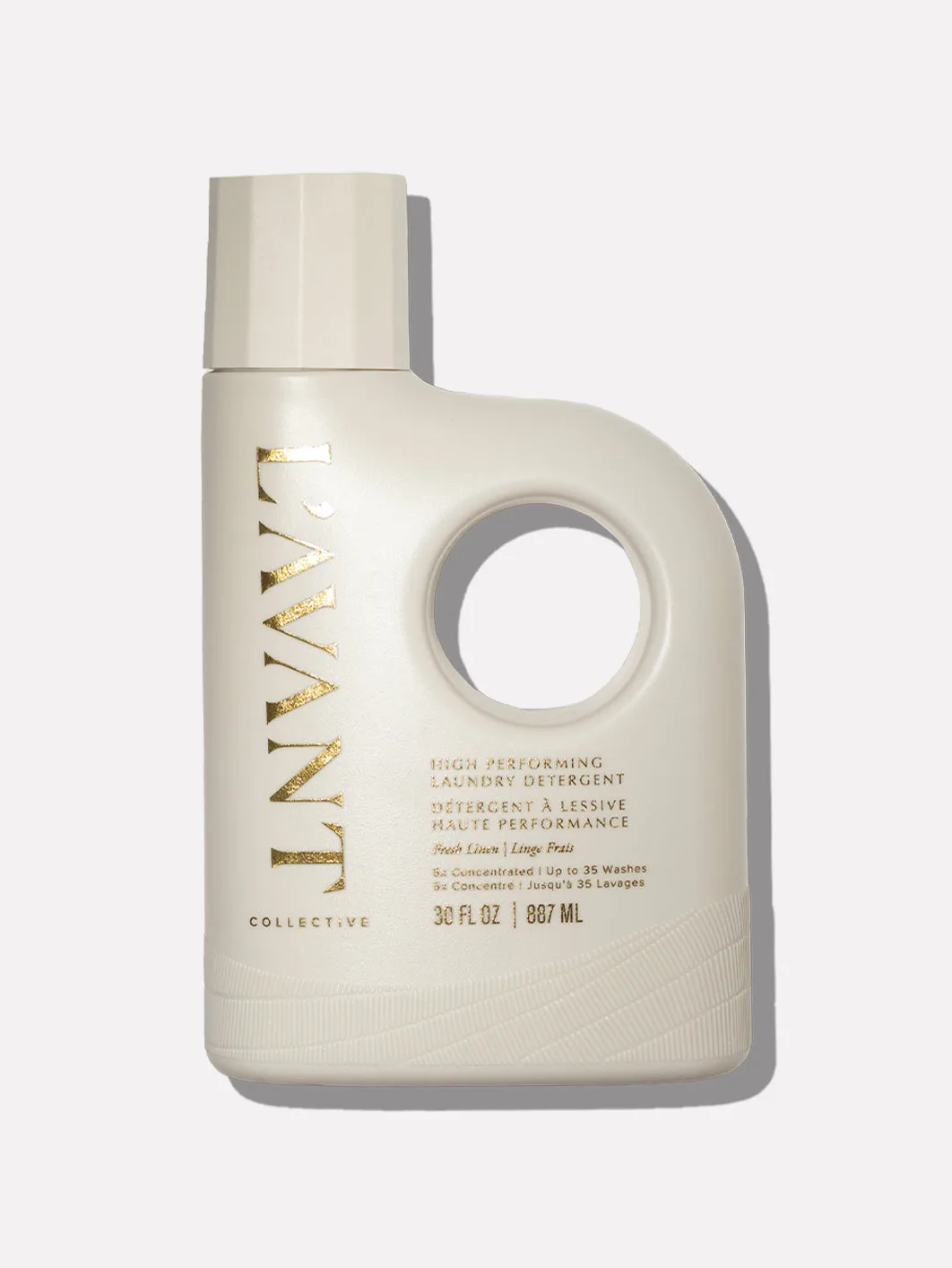
High Performing Laundry Detergent
- California DTSC Safer Consumer Products – identifies priority chemicals and requires alternatives analysis.
- EU CLP Regulation (2026 updates) – stricter hazard classification for mixtures, including cleaning products.
- U.S. EPA Safer Choice – certification for products that use only ingredients safest for human health and the environment.
Why Plant-Based Brands Are Better Equipped to Comply
Plant-based cleaning brands derive their surfactants, fragrances, and preservatives from renewable sources like coconut, corn, and essential oils. These naturally derived ingredients are inherently low in VOCs and free from many regulated toxins. L’AVANT, for instance, formulates its Multigurpose Surface Cleaner with plant-derived surfactants and no synthetic dyes or phthalates. Such products already satisfy the ingredient restrictions that conventional cleaners are scrambling to meet. This means plant-based brands not only avoid reformulation costs but also gain a marketing edge as regulators flag traditional formulas as hazardous.
Moreover, the transparency demanded by new regulations plays directly to the strength of plant-based companies. Many, including L’AVANT, list every ingredient on their labels and provide full disclosure of fragrances. This level of openness builds consumer trust and aligns with emerging ‘right-to-know’ laws. For example, California’s Cleaning Product Right to Know Act of 2017 requires online disclosure of all ingredients, including those in fragrance mixtures. L’AVANT has voluntarily practiced this transparency for years, making compliance seamless.
- Plant-based ingredients have lower toxicity profiles, reducing regulatory risk.
- Full ingredient disclosure—already standard at L’AVANT—meets new right-to-know requirements.
- Refill packaging models also align with Extended Producer Responsibility (EPR) laws being adopted in several states.
Market Implications: Consumer Demand and Brand Trust
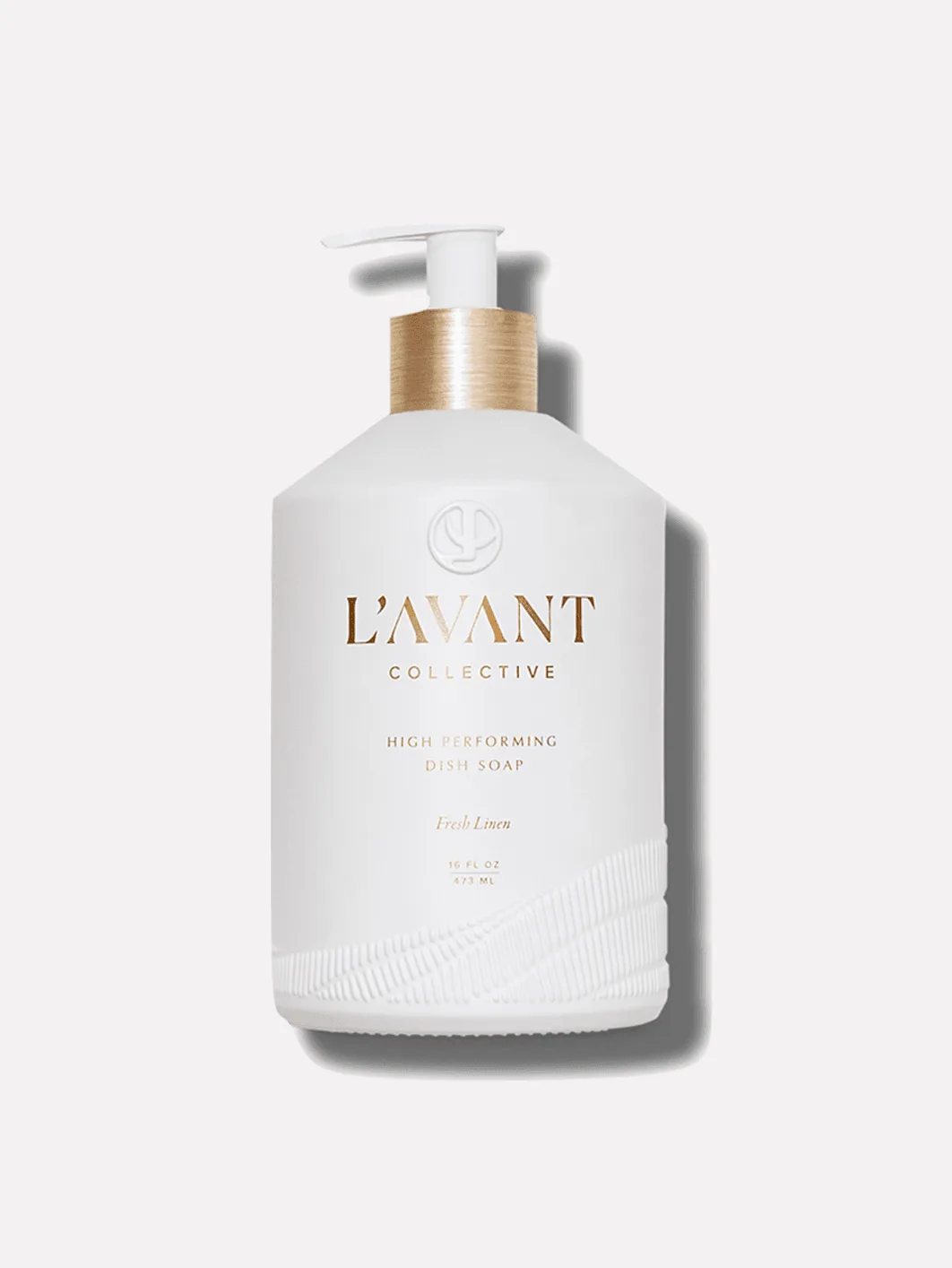
As chemical cleaner regulations tighten, consumer awareness grows. Shoppers are reading labels more carefully and seeking out brands that proactively avoid controversial chemicals. This shift drives demand for plant-based alternatives. According to industry reports, the green cleaning market is expected to outpace traditional cleaners through 2030. L’AVANT’s product lineup—including concentrated liquid detergents and refillable glass bottles—meets both regulatory standards and consumer expectations for safety and sustainability.
The regulatory landscape also encourages retailers to curate compliant product assortments. Major chains like Target and Whole Foods have already expanded their ‘clean’ cleaning sections. Plant-based brands that can prove compliance through certifications like EPA Safer Choice or Leaping Bunny gain preferred shelf placement. L’AVANT’s High Performing Laundry Detergent, for instance, carries ingredient transparency that passes retailer scrutiny effortlessly. This creates a virtuous cycle: regulation drives demand, demand rewards compliant brands, and those brands reinvest in even cleaner formulas.
How L’AVANT’s Refill Model Aligns with Environmental Regulations
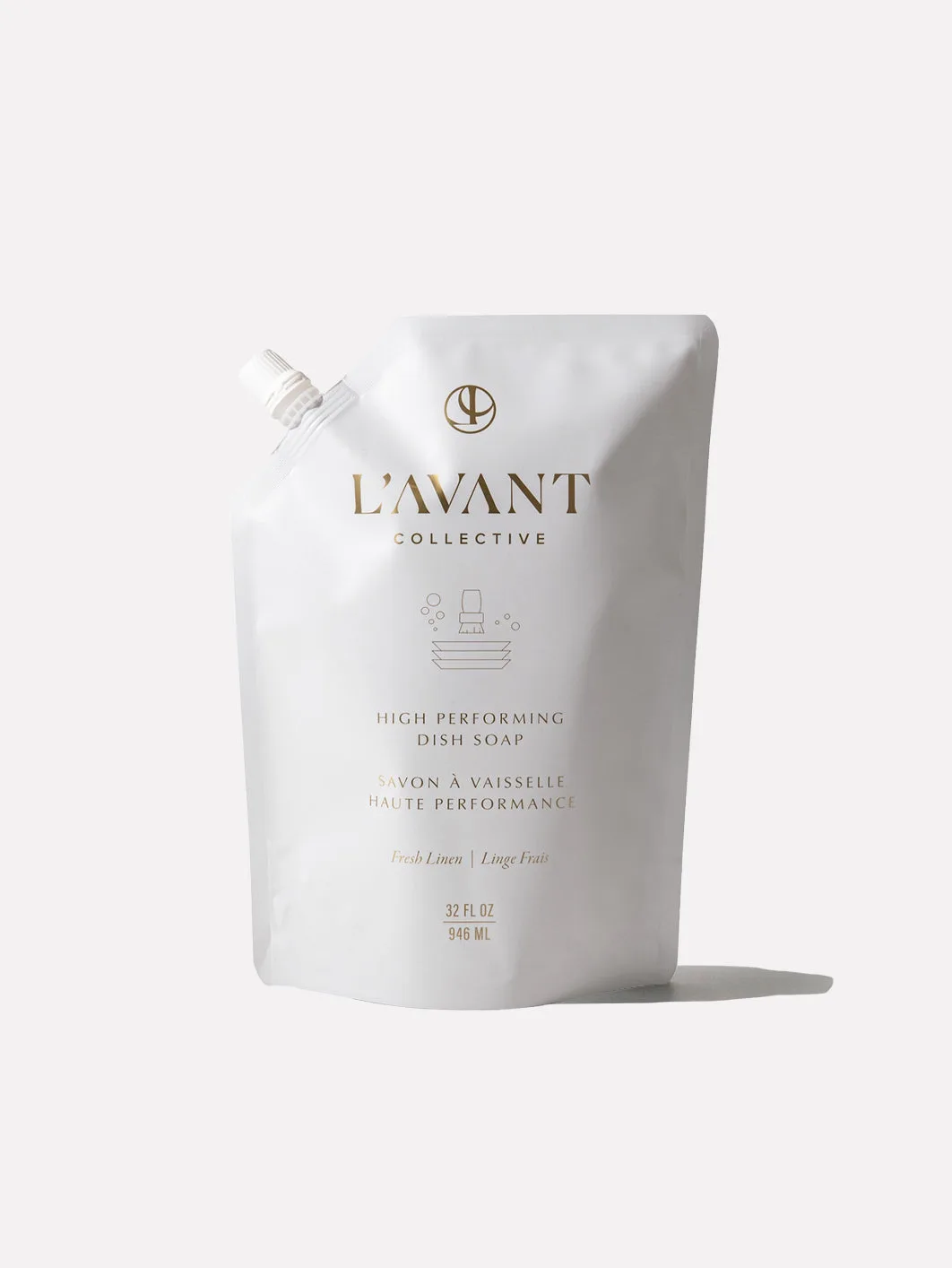
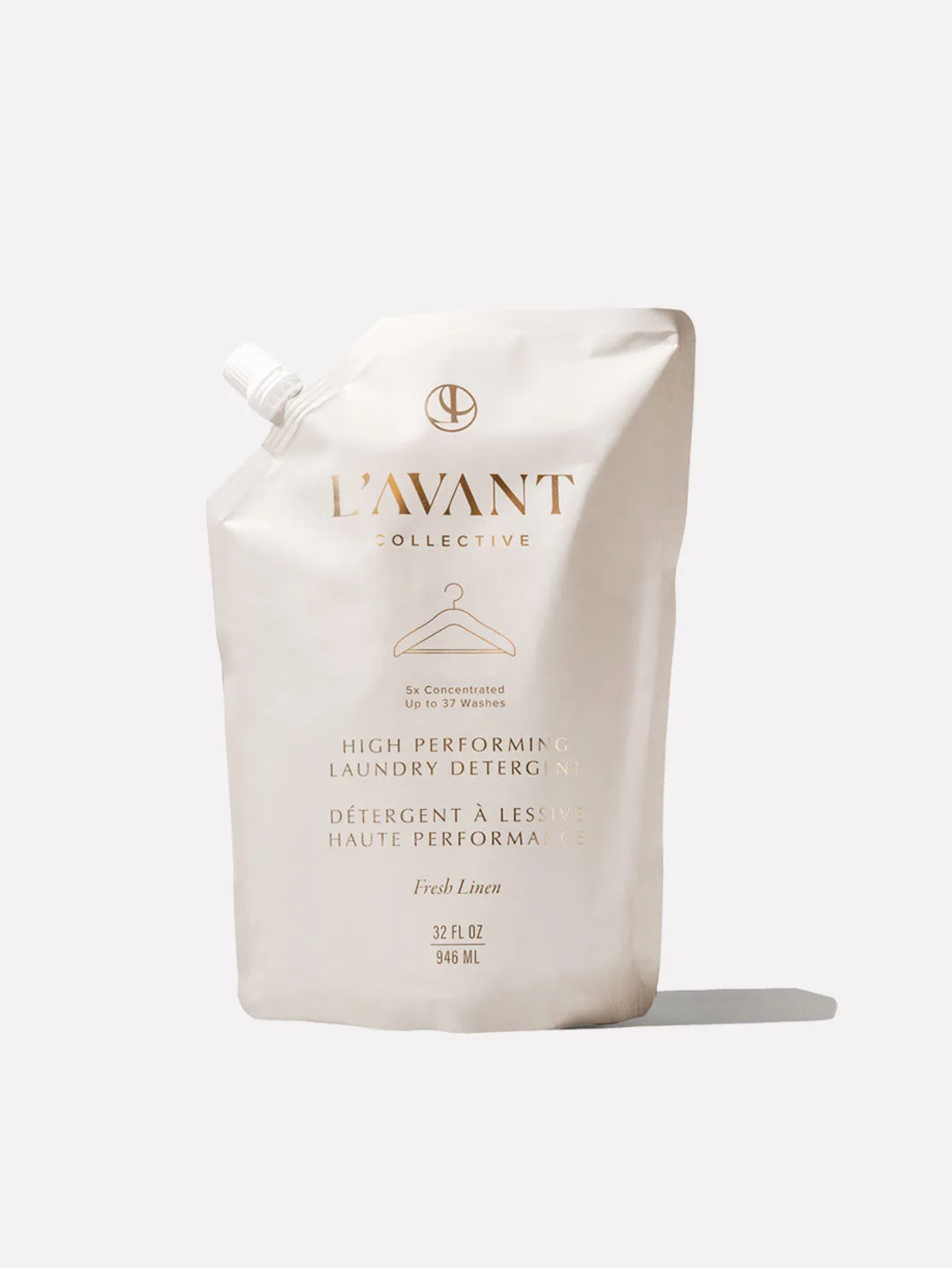
Beyond chemical restrictions, many new regulations target packaging waste. France’s AGEC law mandates a percentage of reusable packaging by 2025, and several U.S. states are considering similar Extended Producer Responsibility (EPR) bills. L’AVANT’s refill system—using concentrated refills like Laundry Detergent Refill and https://lavantcollectives.com/products/high-performing-dish-soap-refill-230230High Performing Dish Soap Refill—directly reduces single-use plastic. This model not only cuts waste but also preemptively satisfies upcoming packaging requirements. Customers can buy a durable glass bottle once and refill it repeatedly, lowering both environmental impact and long-term cost.
The shift to refillable packaging also helps brands comply with emerging labeling requirements that demand clear disposal instructions and recycled content claims. L’AVANT’s glass bottles are infinitely recyclable, and their refill pouches use minimal plastic. As regulators push for a circular economy, plant-based brands with refill systems are ahead of the curve. This holistic approach—safe ingredients plus sustainable packaging—positions L’AVANT as a model for the future of cleaning products under more stringent rules.
- Refill systems reduce packaging waste, aligning with EPR laws and bans on single-use plastics.
- Concentrated refills lower shipping emissions and packaging weight.
- Glass bottles can be reused indefinitely and are 100% recyclable.
New regulations on chemical cleaners are reshaping the industry, but for plant-based brands like L’AVANT Collective, these changes are an opportunity to shine. With products already formulated from renewable, non-toxic ingredients and packaged in reusable glass bottles, L’AVANT meets the highest compliance standards effortlessly. As a consumer, you can feel confident choosing a brand that not only cleans effectively but also anticipates the future of safe, sustainable home care. Explore the High Performing Laundry Detergent to experience a product built for today’s regulations and tomorrow’s planet.