Quick Answer
Buy for the first four weeks, not the first year. A workable newborn essentials checklist is 6–8 sleepers, 4–6 bodysuits, 2–3 bibs, 2 swaddles or wearable blankets, 1–2 blankets, plus diapering and feeding basics. Skip newborn shoes, scratch mittens you'll lose, and more than two outfits in the smallest size. Choose sleepwear with a two-way zipper and convertible cuffs so you can change diapers without fully undressing a sleeping baby.
How Many of Each Item You Actually Need
The most common registry mistake is overbuying the smallest size. Newborns outgrow it in two to four weeks, and many babies never fit standard newborn sizing at all. Buy the minimum, keep tags on half of it, and size up when you see the first fit signs: the zipper pulls tight across the chest, toes press against the foot cuff, or snaps leave red marks on the thighs.
- Sleepers or zippies: 6–8, so you can handle one spit-up or diaper leak per night without doing laundry daily.
- Bodysuits: 4–6 short-sleeve, plus 2 long-sleeve if you're due in cool months.
- Bibs: 2–3 for the first month. Drool volume rises around 2–3 months, so this is the one category worth adding to later.
- Swaddles or wearable blankets: 2–3, so one is always clean and one is in the wash.
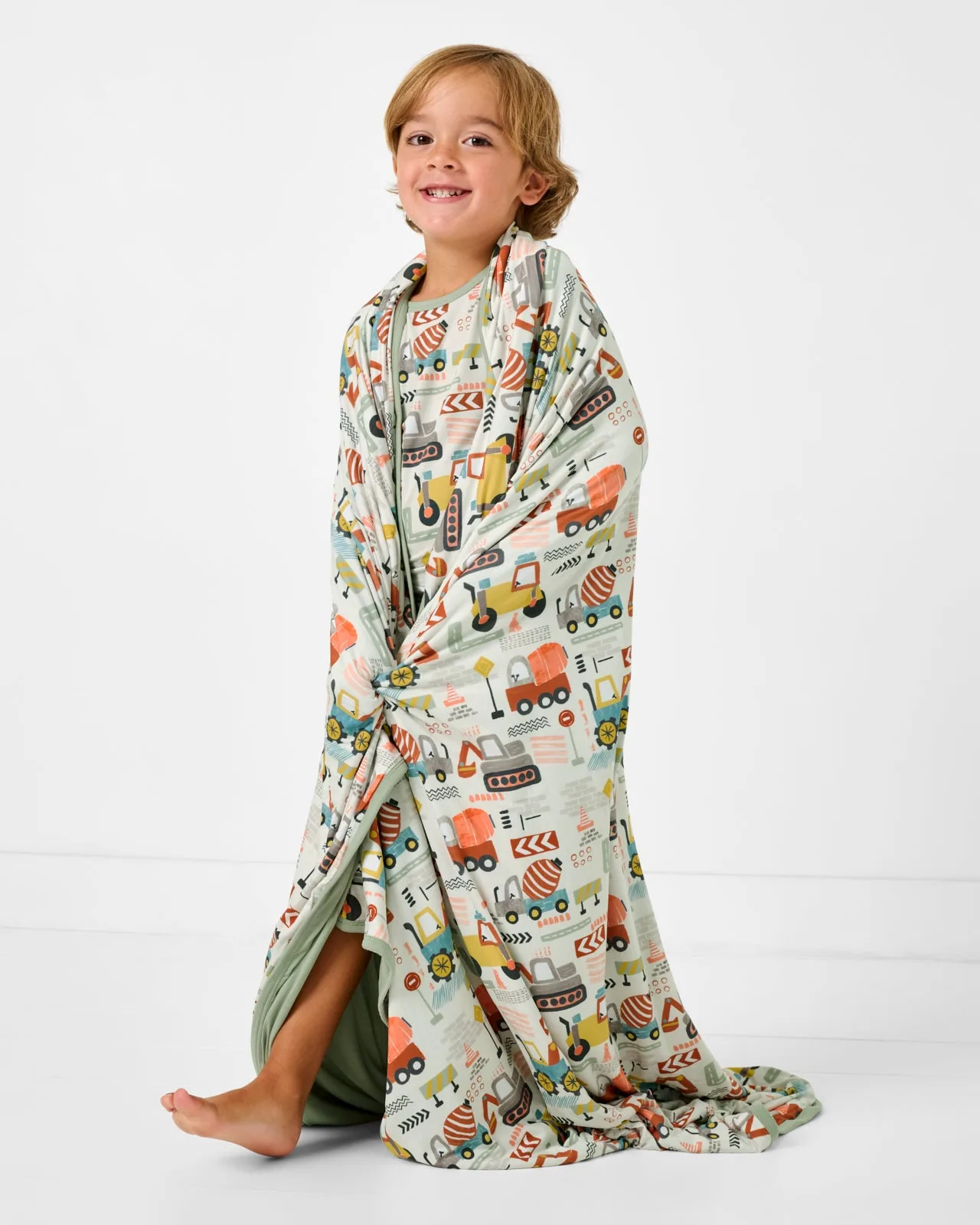
- Blankets: 1–2 for stroller, tummy time, and floor play. Not for the crib.
- Hats: 1–2. You'll likely get more from the hospital than you use.
- Socks and booties: 3–4 pairs, and expect to lose some.
What to Skip in the First Month
Newborn shoes, denim, and structured outfits with buttons down the back are hard to get on a floppy newborn and get worn once. Skip them unless someone else is buying. Also skip bulk packs of the same item in one size; variety in sizing matters more than variety in color. And skip anything that requires pulling over the head during the night — you want front-opening or zippered pieces when you're changing a diaper at 3 a.m.
- Newborn shoes and hard-soled booties: not needed until walking.
- Scratch mittens: easy to lose and often unnecessary if sleepwear has fold-over cuffs.
- More than two 'going out' outfits: you'll use sleepers for most early outings.
- Crib bumpers, pillows, and loose blankets in the sleep space: safety risk, not an essential.
Sleepwear Basics That Make Nights Easier
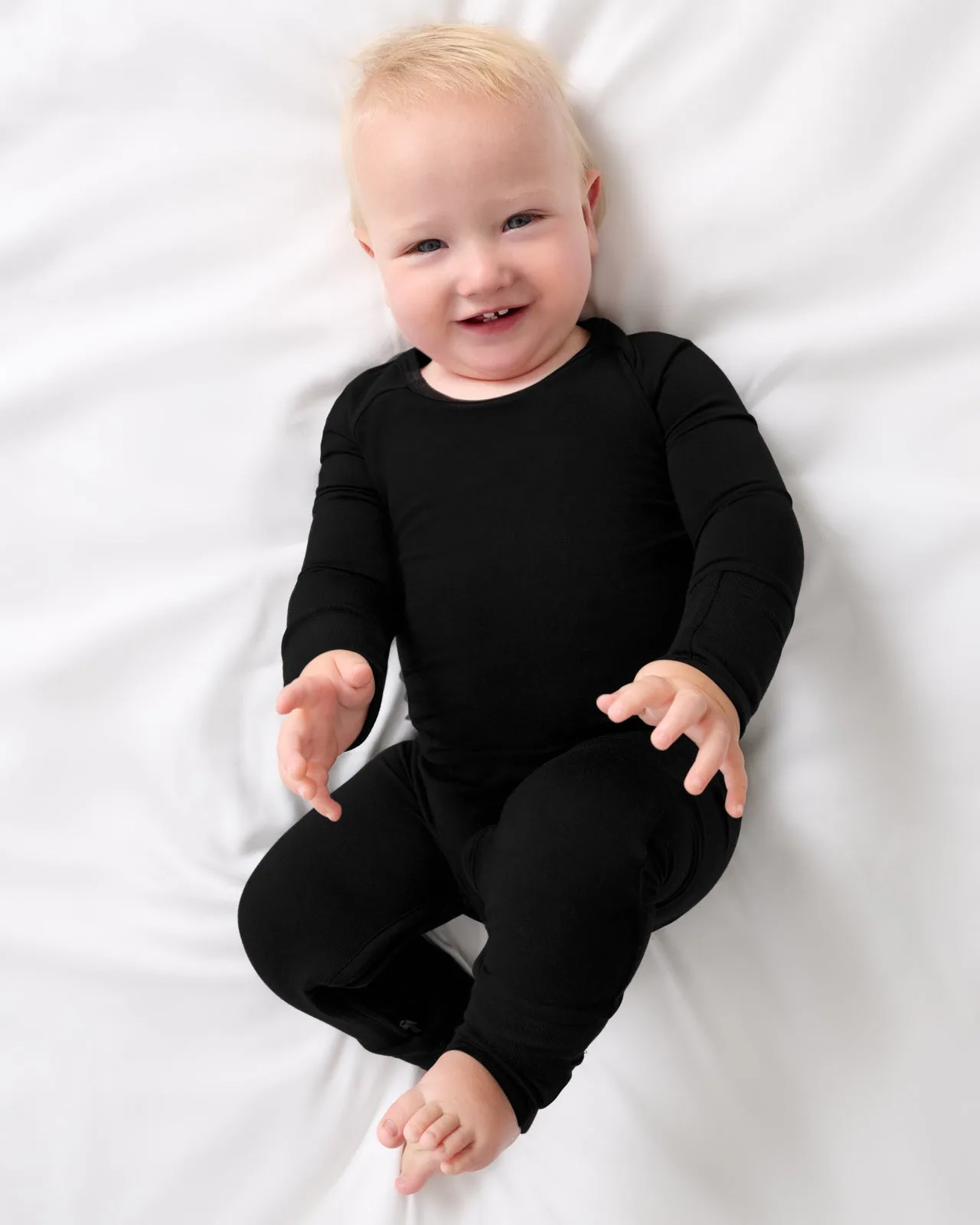
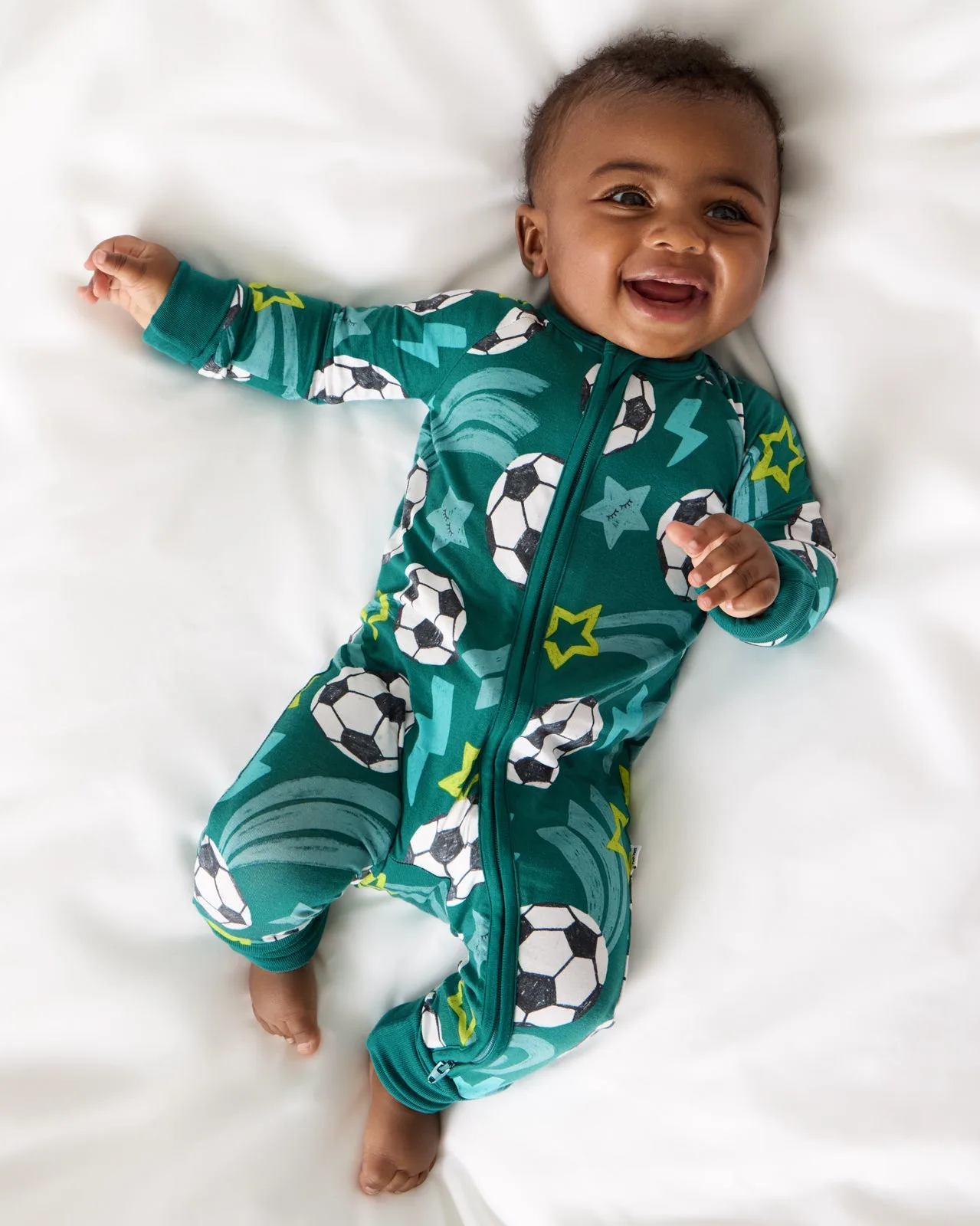
For the first month, prioritize a two-way zipper over snaps and a footed design over a footless one unless your baby runs hot. A two-way zipper lets you open the bottom half for diaper changes while the top stays zipped, which keeps the chest and arms covered. Fold-over mittens on the sleeves protect the face from scratches without separate mittens. Convertible foot cuffs let you free the feet for a warmer room or cover them in a cooler one, so the same sleeper works across a wider temperature range.
- Look for tagless construction if your baby has eczema-prone or sensitive skin.
- Choose bamboo viscose or a similar soft, breathable fabric for temperature regulation.
- Avoid loose sleep bags or blankets in the crib; use a snug swaddle or wearable blanket instead.
- Wash new sleepwear before first wear to remove sizing and finishing residues.
Bibs and Blankets: Small Items With Real Use
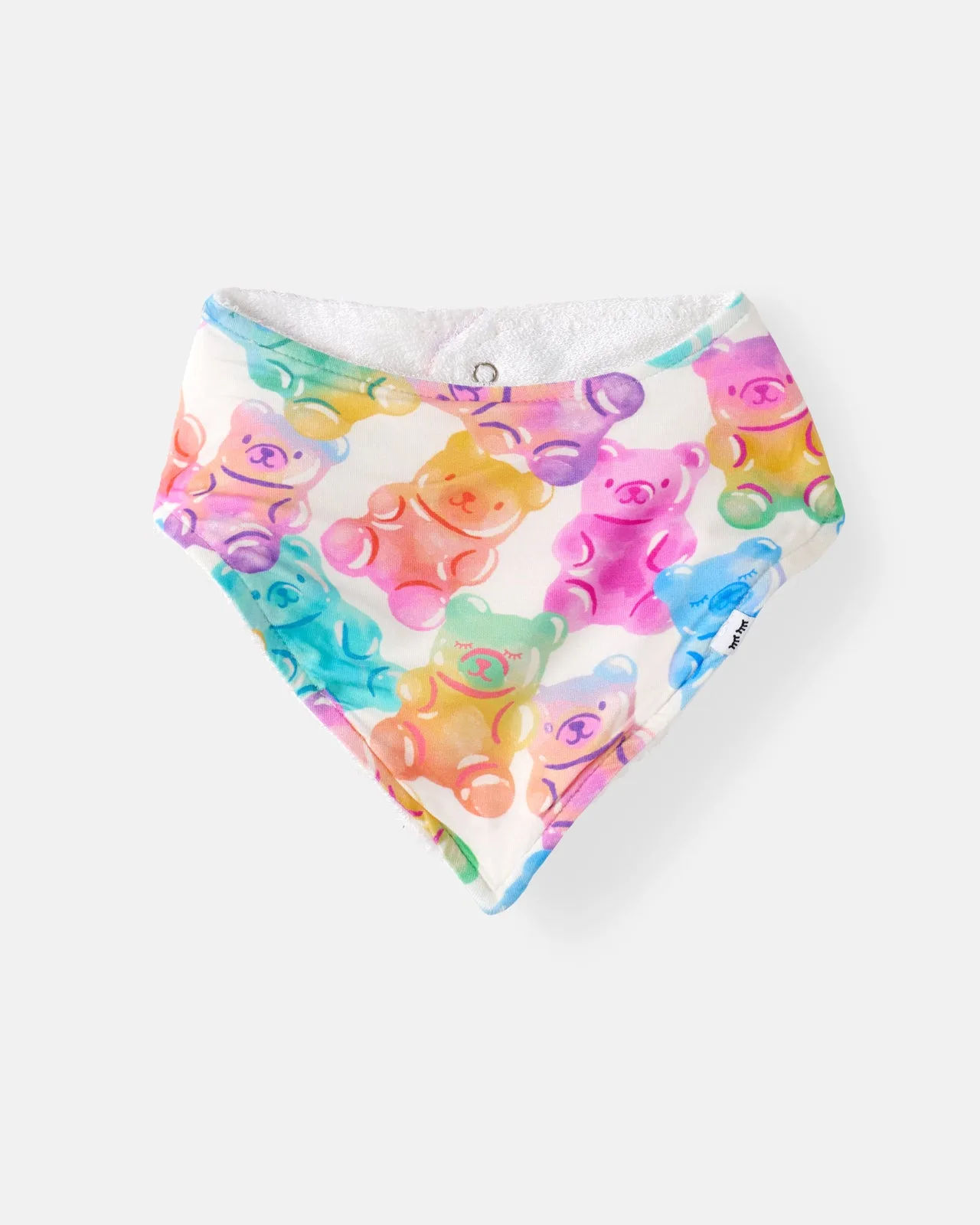
In the first month, bibs are mostly for drool, spit-up, and photo moments rather than meals. A soft bib with an absorbent backing and adjustable snaps will get more use than a stiff, waterproof one. Blankets do double duty: a light one for the stroller and a slightly warmer one for tummy time on the floor. Keep one in the diaper bag and one at home so you're not constantly moving it between rooms.
- Choose bibs with double-row snaps so they adjust as your baby's neck grows.
- Terry backing adds absorbency without stiffness.
- A ruffle edge is a style choice, not a functional one — decide based on your preference, not necessity.
- Two blankets is enough at this stage; add a heavier one only if your climate requires it.
Decision Rules for Your Newborn Checklist
- Buy for 4 weeks, not 4 months: Buy the minimum in newborn size and keep receipts. If your baby is measuring large, buy 0–3 month instead and skip newborn entirely. If you're unsure, buy 0–3 month and one newborn sleeper to test fit.
- Prioritize sleepwear features over patterns: Two-way zipper, fold-over mittens, and convertible foot cuffs reduce night wake-ups more than any print. Choose these first, then pick the pattern. If a sleeper lacks a two-way zipper, it's a day outfit, not a night one.
- Buy bibs and blankets in small numbers: Two or three bibs and two blankets cover the first month. Drool peaks later, so add bibs at 2–3 months rather than stocking up now. If you're tempted to buy a 10-pack of bibs, buy three and revisit at 8 weeks.
- Skip anything that pulls over the head at night: Front-opening or zippered pieces are faster and less disruptive during night changes. Keep pullover bodysuits for daytime. If it takes more than 30 seconds to open for a diaper change, don't use it overnight.
- Wash before first wear: Pre-wash all sleepwear, bibs, and blankets in a gentle, fragrance-free detergent to remove manufacturing residues and check for shrinkage. If a piece shrinks out of size after one wash, return it before buying more.
Products That Fit the First-Month Checklist
- Lullaby Sky Ruffle Bib: The Lullaby Sky Ruffle Bib is made from soft bamboo with a terry backing and double-row snaps that adjust as baby grows. The terry backing handles drool and spit-up, and the adjustable snaps mean the bib still fits at 2 months when a newborn-size bib would be too small.
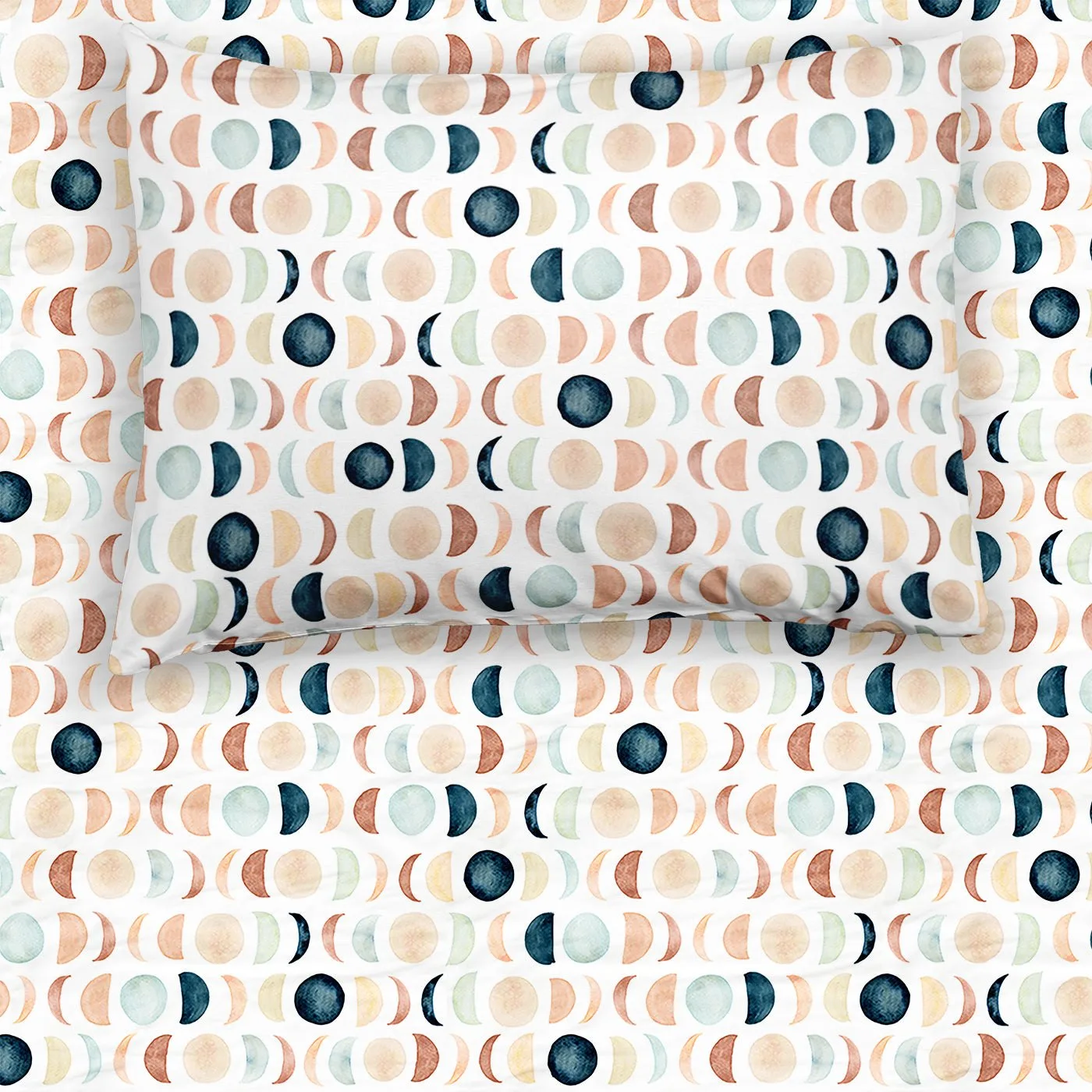
- Midnight Petals Crescent Zippy: The Midnight Petals Crescent Zippy has fold-over mittens, convertible foot cuffs, a U-shaped double zipper, and lap shoulders. This covers the four sleepwear features that matter most in month one: scratch protection, temperature flexibility, easy diaper changes, and easy dressing.
- Spidey & His Amazing Friends Tiny Webs Shorty Zippy: The Spidey & His Amazing Friends Tiny Webs Shorty Zippy is made from Lunaluxe® Bamboo and has a double zipper for quick changes. A shorty version works for warmer rooms or summer babies who would overheat in a footed sleeper, while keeping the easy-change zipper.
- Linen Heather Relaxed Pocket Tee: The Linen Heather Relaxed Pocket Tee is made from Soluxe® with a relaxed fit and tagless comfort. This is a size-up item for when your baby moves into 3–6 month daywear; the relaxed fit gives room to move and the tagless design suits sensory-sensitive skin.
Who This Checklist Is For
Best for
- First-time parents building a registry who want a realistic minimum
- Parents of babies measuring average or small who want to avoid overbuying newborn sizes
- Anyone who wants sleepwear that works for both night and day in the first month
Not for
- Parents of preemies or babies with special medical needs, who should follow NICU or pediatric guidance on clothing and sleep
- Families who already have hand-me-downs in newborn size and only need to fill gaps
- Parents looking for a full year of clothing in one purchase — this checklist covers the first four weeks only