Quick Answer
Nexbelt duty belts are heavy-duty systems designed for law enforcement and tactical use, offering modular attachment points and padding for all-day wear. Gun belts, like the Contender Supreme Grey EDC Ratchet Belt, prioritize everyday carry comfort and discreet support. Choose a duty belt for full gear loadout; choose a gun belt for concealed carry and daily use.
When it comes to securing your pants and your gear, the choice between a duty belt and a gun belt can be confusing. Both serve distinct purposes, and picking the right one affects comfort, performance, and safety. Nexbelt offers options in both categories, each engineered for specific scenarios.
In this comparison, we'll break down the key differences between Nexbelt duty belts and gun belts, focusing on construction, intended use, and trade-offs. By the end, you'll know which type fits your needs—whether you're in law enforcement, a concealed carrier, or a weekend shooter.
What Defines a Duty Belt?
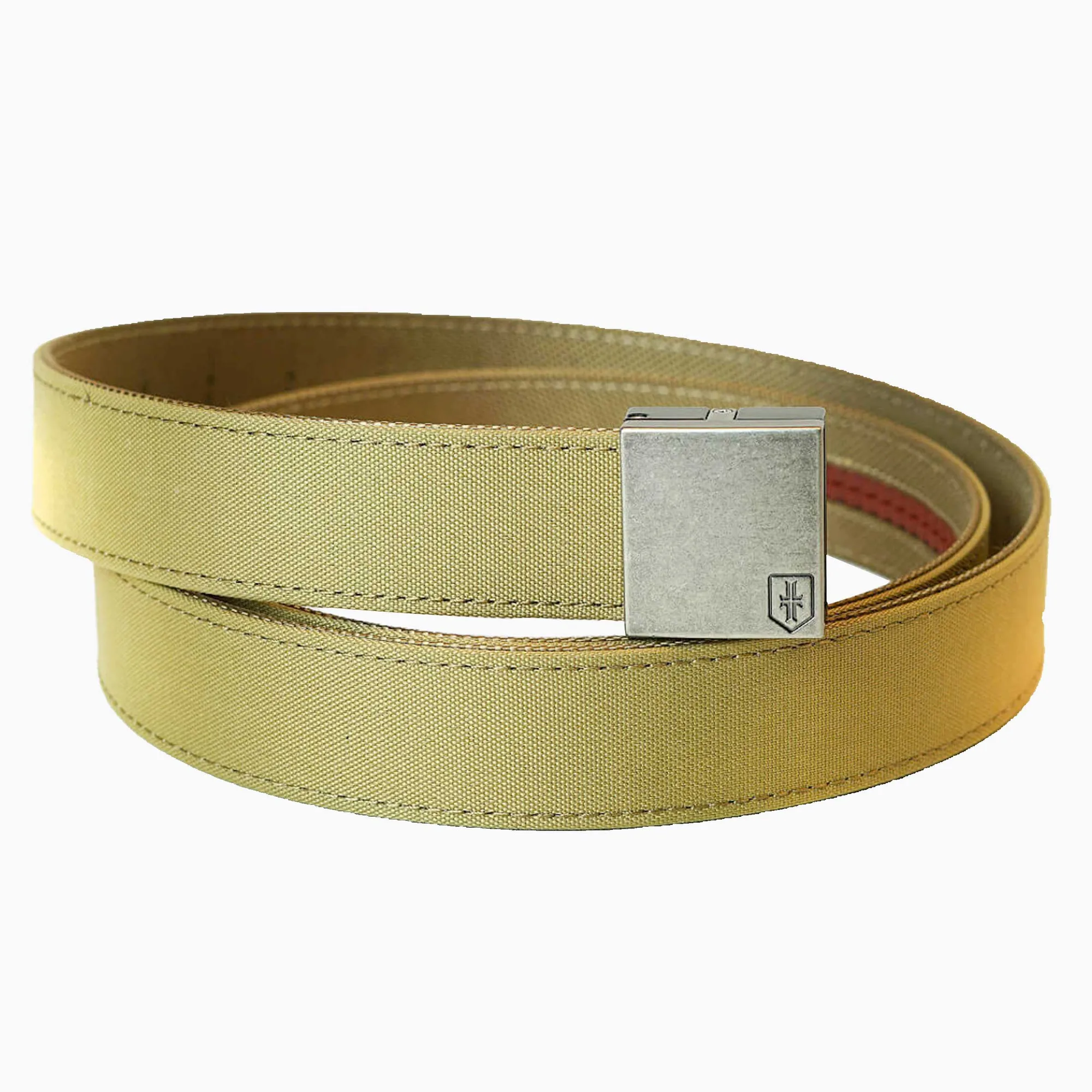
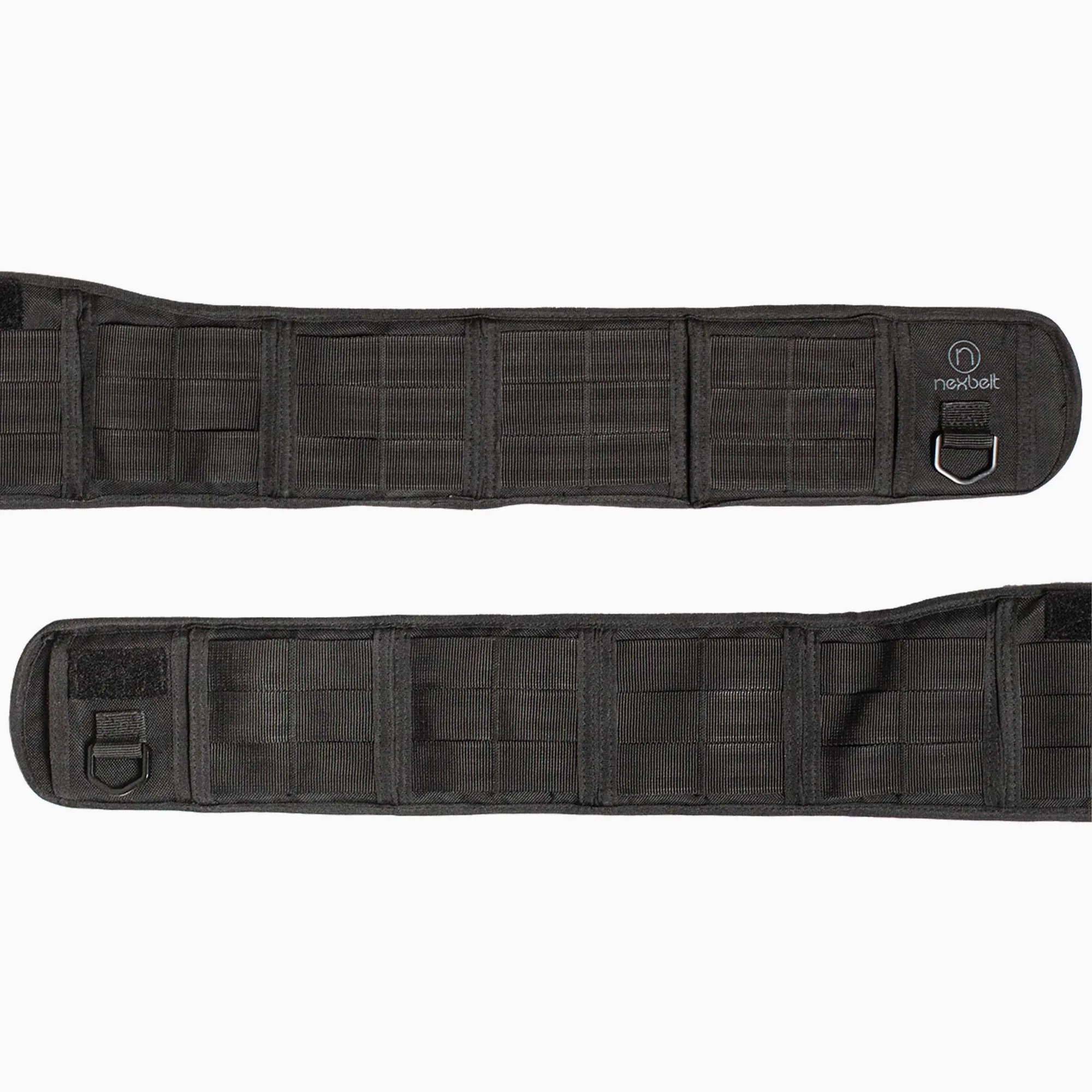
A duty belt is a rigid, often padded belt designed to support heavy equipment like holsters, handcuffs, and magazines. It's typically worn by law enforcement or tactical professionals who need reliable, quick access to gear. Nexbelt's Battle Belt exemplifies this category, featuring a padded construction with air channels for breathability, and it can be used as a 2-piece or 3-piece system with an inner belt.
Battle Belt
The trade-off is weight and bulk. Duty belts are heavier and more noticeable, but they distribute load effectively and prevent sagging. They're not ideal for everyday casual wear, but they excel in high-stress environments where gear reliability is non-negotiable.
- Padded for comfort during long shifts
- Air channels reduce heat buildup
- Modular design allows customization with pouches and holsters
What Defines a Gun Belt?
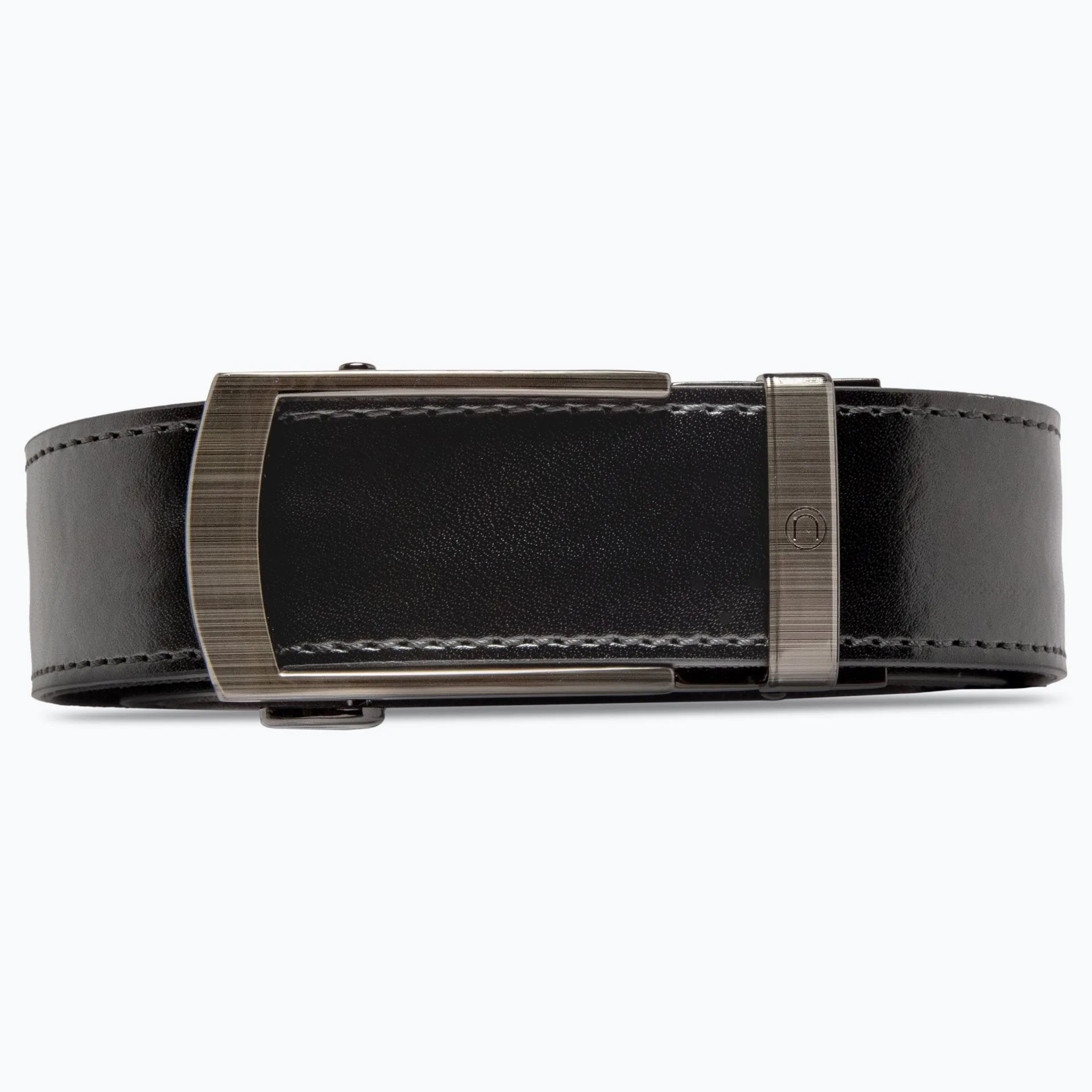
A gun belt is designed primarily for concealed carry and everyday use. It must be stiff enough to support a holster and firearm without sagging, yet comfortable enough for all-day wear. Nexbelt's Contender Supreme Grey EDC Ratchet Belt uses innovative stretch webbing to provide secure support while offering flexibility and comfort.
The trade-off is capacity. Gun belts typically lack the modular attachment points of duty belts, but they're lighter and more discreet. They're perfect for civilians who carry a handgun and want a belt that works with jeans or khakis, not just tactical pants.
- Stretch webbing enhances flexibility
- Designed for everyday carry comfort
- Discreet appearance suitable for office or casual wear
Key Differences at a Glance
The main differences lie in construction, weight, and intended use. Duty belts are built for maximum load-bearing and modularity, while gun belts prioritize comfort and concealment. Duty belts often require an inner belt for stability, whereas gun belts are standalone.
Another factor is adjustability. Nexbelt's ratchet system allows micro-adjustments in 1/4-inch increments, which is beneficial for both types. However, duty belts may have additional sizing considerations due to the need to fit over outer garments or gear.
- Duty belts: heavy, rigid, modular, for professional use
- Gun belts: lighter, flexible, discreet, for everyday carry
- Both use ratchet technology for precise fit
Trade-Offs to Consider
- Weight and Bulk: Duty belts are heavier and bulkier due to padding and rigid construction, which is necessary for supporting gear. Gun belts are lighter and slimmer, making them more comfortable for everyday wear. If you need to carry a full loadout, accept the bulk. For daily carry, prioritize lightness.
- Modularity vs. Discretion: Duty belts offer attachment points for pouches and holsters, allowing customization. Gun belts are streamlined and concealable, but you can't attach extra gear directly. Choose duty for tactical flexibility, gun for a clean look.
- Comfort vs. Support: Gun belts with stretch webbing provide flexibility and comfort, but may not support as much weight as a rigid duty belt. Duty belts offer firm support but can be less comfortable over time. Assess your daily activities and gear weight to decide which factor matters more.
Nexbelt Duty and Gun Belt Options
- Battle Belt: The Nexbelt Battle Belt combines all the best features of other battle belts into one system. It can be used as a 2-piece belt system with our NTAC-45 or as a 3-piece belt system when paired with our NTAC-45 and our Inner Belt (hook material). It features padded comfort and air channels. This belt is ideal for law enforcement or tactical users who need to carry heavy gear and want modularity. The padding and air channels ensure comfort during long hours of wear.
- Contender Supreme Grey EDC Ratchet Belt 1.5" [38mm]: Featuring our innovative stretch webbing construction, the Contender Grey delivers the secure support needed for everyday carry while providing enhanced flexibility and comfort during all-day wear. For civilians who carry a firearm daily, this belt offers the right balance of support and comfort, making it suitable for office or casual settings without looking tactical.
Which One Fits You?
Best For
- Law enforcement officers and tactical professionals who need to carry multiple tools and accessories
- Individuals who participate in shooting sports and require a stable platform for heavy gear
Not For
- Civilians who want a discreet belt for concealed carry in everyday settings—consider a gun belt like the Contender Supreme Grey EDC Ratchet Belt instead
Understanding the difference between duty belts and gun belts ensures you invest in the right tool for your needs. If your priority is carrying a full kit with maximum support, the Battle Belt is your match. For everyday concealed carry with comfort and style, the Contender Supreme Grey EDC Ratchet Belt is an excellent choice. Explore both options and gear up with confidence.