The two myths that cause the most confusion
Niacinamide has a reputation for being gentle, which makes it easy to blame for every new bump or flake. Two claims come up again and again: that niacinamide causes purging, and that a niacinamide serum pilling means the formula is faulty. Neither claim holds up as a general rule, and the supplied product information for Niacinamide 10% + Zinc 1% gives us a clearer way to think about both.
Does niacinamide cause purging?
Purging is usually associated with ingredients that speed up skin turnover, not with niacinamide. The supplied facts describe Niacinamide 10% + Zinc 1% as a universal serum formulated for blemish-prone skin that helps smooth skin texture and supports a brighter, more even-looking complexion. Nothing in that description points to a purging mechanism.
What the evidence does not tell us is how every individual skin will react. If you notice new congestion after starting a product, the honest answer is that the supplied information does not confirm niacinamide as the cause. It also does not rule out other factors in your routine. Treat sudden changes as a reason to simplify and observe, not as proof of a named reaction.
What the formula actually contains
-
Niacinamide 10% + Zinc 1%: Contains 10% niacinamide and 1% zinc. The percentages are the concrete part of the formula story; they do not imply a purging effect.
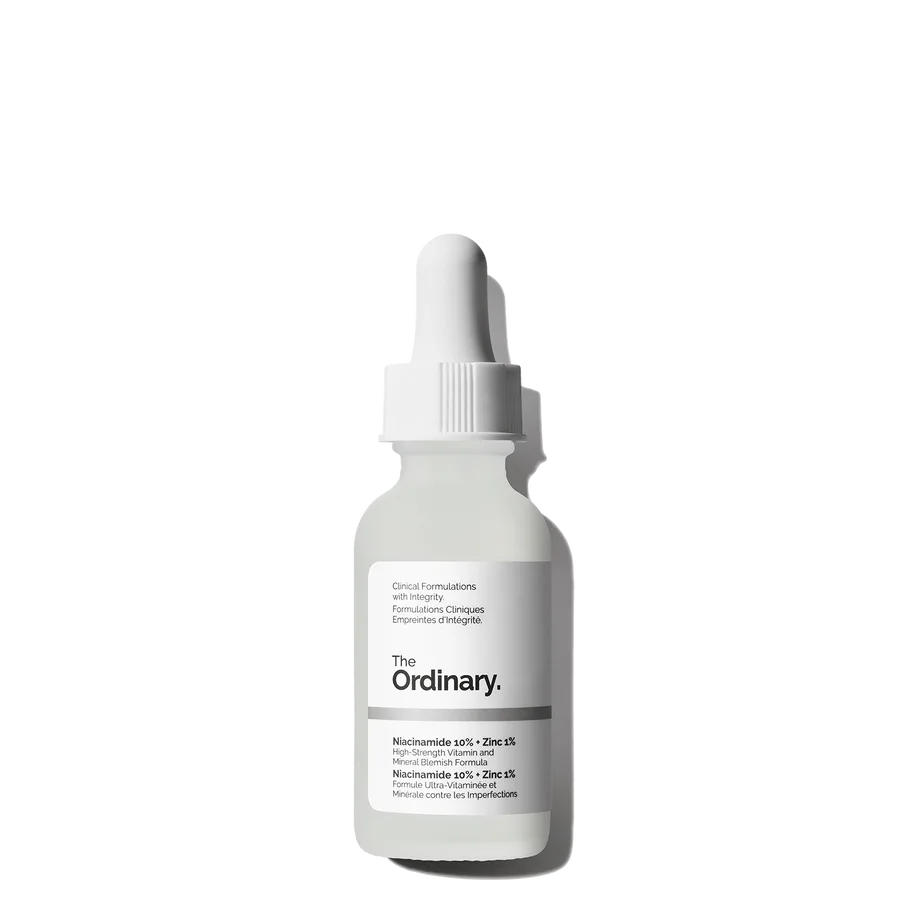
Niacinamide 10% + Zinc 1%
-
Niacinamide 10% + Zinc 1%: Designed for blemish-prone skin. This is the intended audience, not a claim that the serum forces a purge.
-
Niacinamide 10% + Zinc 1%: Helps smooth skin texture and supports a brighter, more even-looking complexion. These are the supported appearance benefits, and they are different from an exfoliation-driven purge.
The pilling myth: is the serum the problem?
Pilling, those little rolled-up flakes of product, is usually a layering issue rather than a sign that the serum itself is defective. The supplied information for Niacinamide 10% + Zinc 1% does not include application instructions or compatibility guidance, so any pilling fix has to come from how you build your routine rather than from a manufacturer step list.
A practical approach is to apply the serum to skin that is not overloaded with heavy products, give it a moment, and then add the next layer. If pilling continues, reduce the number of products underneath it before you decide the serum is at fault. The supplied evidence does not confirm a specific waiting time or application order, so treat these as routine-building checks rather than official directions.
Niacinamide layering tips that reduce pilling risk
- Keep the layer underneath light: Heavy creams or multiple serums under a niacinamide serum can make rolling more likely. The supplied information does not specify a required base, so start simple.
- Don't stack too many actives at once: The formula is described as a universal serum for blemish-prone skin, not as a product that needs to sit on top of several other treatments.
- Use a consistent amount: The supplied facts do not give a recommended quantity. A thin, even layer is a reasonable starting point when you are troubleshooting pilling.
- Check the product on top: If pilling appears only after your moisturizer or sunscreen, the top layer may be the cause. The supplied evidence does not confirm compatibility with specific products.
What about niacinamide for oily skin?
The oily-skin association is grounded in the formula's design: Niacinamide 10% + Zinc 1% is described as a universal serum for blemish-prone skin, and zinc is part of the stated composition. The supplied information does not include oil-control measurements, so it is fair to say the product is aimed at blemish-prone skin without claiming a quantified oil reduction.
That distinction matters when you are evaluating claims. If a review promises a specific drop in shine, the supplied product record does not support that level of precision. What it does support is the intended use and the appearance benefits listed above.
The honest limits of this evidence
The supplied record for Niacinamide 10% + Zinc 1% does not include critical care, safety, or compatibility evidence, and it does not include preparation or operating instructions. That means questions about exact application timing, interactions with other actives, and a guaranteed pilling fix cannot be answered from the available information alone. The myths above can be evaluated against what the product is described to do, but individual reactions and layering outcomes remain personal variables.