Quick Answer
Niche perfumes are crafted by independent houses focused on artistic expression, often using rare ingredients and offering more unique scents, while designer perfumes come from fashion houses and tend to be mass-appealing and widely available. If you value originality and are willing to pay more, niche is worth exploring; if you prefer reliable, versatile scents and a lower price, designer may be your choice.
When you start exploring fragrances, you'll quickly encounter the terms 'niche' and 'designer.' They describe two different worlds of perfume, each with its own philosophy, price point, and audience. Understanding what sets them apart will help you make a confident choice that suits your tastes and needs.
Designer perfumes, like those from Chanel or Dior, are created by fashion houses and aim to appeal to a broad audience. Niche perfumes, on the other hand, come from houses dedicated solely to fragrance, such as Ulrich Lang New York or Gallivant, and often prioritize originality over mass appeal. Let's dive into the details.
What Defines a Niche Perfume?
Niche perfumes are produced by houses that focus exclusively on fragrance, often with a strong artistic vision. They tend to use higher-quality or more unusual ingredients, and their scents are typically more complex and less predictable than designer offerings. Because they are made in smaller batches, they are often more expensive and harder to find.
For example, Ulrich Lang New York is a niche house that draws inspiration from art photography, creating 'unique and finely tuned' scents that balance simplicity and complexity. Niche perfumers often have the freedom to experiment, resulting in fragrances that tell a story or evoke a specific place, like Gallivant's Istanbul EdP, which captures the essence of a bustling Istanbul street.
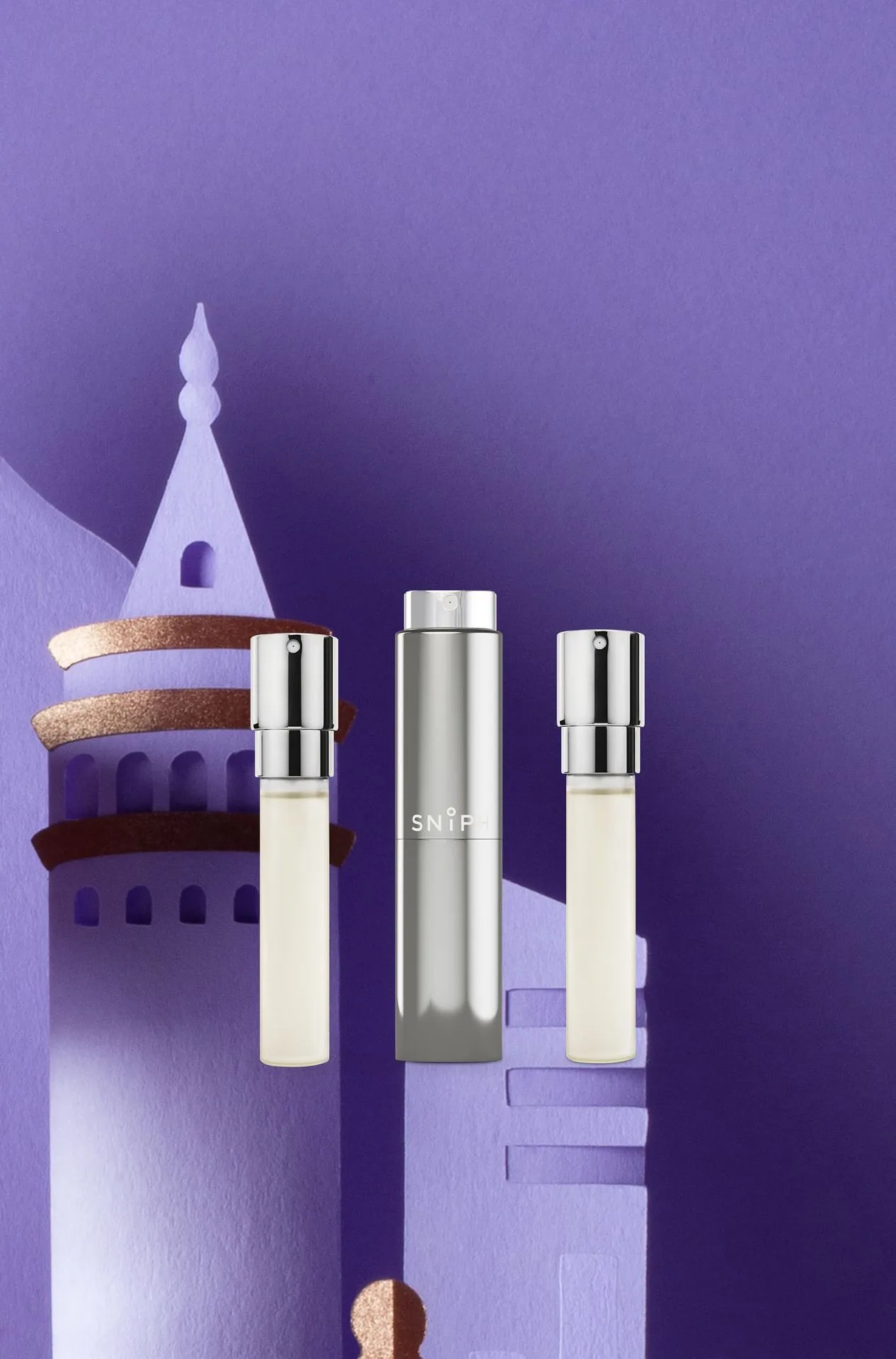
Istanbul EdP
- Niche houses often have a distinct creative direction, so their collections may feel more cohesive.
- You may need to sample more to find a niche scent you love, as they are not designed to please everyone.
What Defines a Designer Perfume?
Designer perfumes are created by fashion houses that also produce clothing, accessories, and other luxury goods. These fragrances are typically developed by commissioned perfumers and are designed to appeal to a wide audience, ensuring commercial success. They are usually more affordable and widely available in department stores and online.
Designer scents often follow current trends and use familiar notes like bergamot, vanilla, or musk to create pleasant, wearable fragrances. They are a safe choice for everyday wear and gifting, as they are less likely to offend. However, they may feel less distinctive than niche offerings, as they are mass-produced and often share similar profiles.
- Designer perfumes are easier to test in stores and often come in smaller, travel-friendly sizes.
- They are a good entry point for fragrance beginners due to their approachable nature.
Key Differences at a Glance
The main differences lie in philosophy, ingredients, price, and availability. Niche perfumes focus on artistry and originality, often using rare or natural ingredients, and are priced higher due to smaller production runs. Designer perfumes prioritize mass appeal, using quality ingredients but often with a safer, trend-driven profile, and are more accessible in price and distribution.
Another difference is the creative freedom. Niche perfumers like Nick Steward of Gallivant travel the world to capture specific experiences, resulting in scents like Istanbul EdP that transport you to a place. Designer perfumes, while well-crafted, usually aim to complement the brand's image and sell to a broad customer base.
Examples to Illustrate the Difference
To make the distinction concrete, consider two fragrances from Sniph's collection. Apsu EdT by Ulrich Lang New York is a niche scent that is 'green' and inspired by nature, with a minimalist, artistic approach. In contrast, a designer fragrance might be a floral or woody scent from a fashion house, designed to be universally flattering.
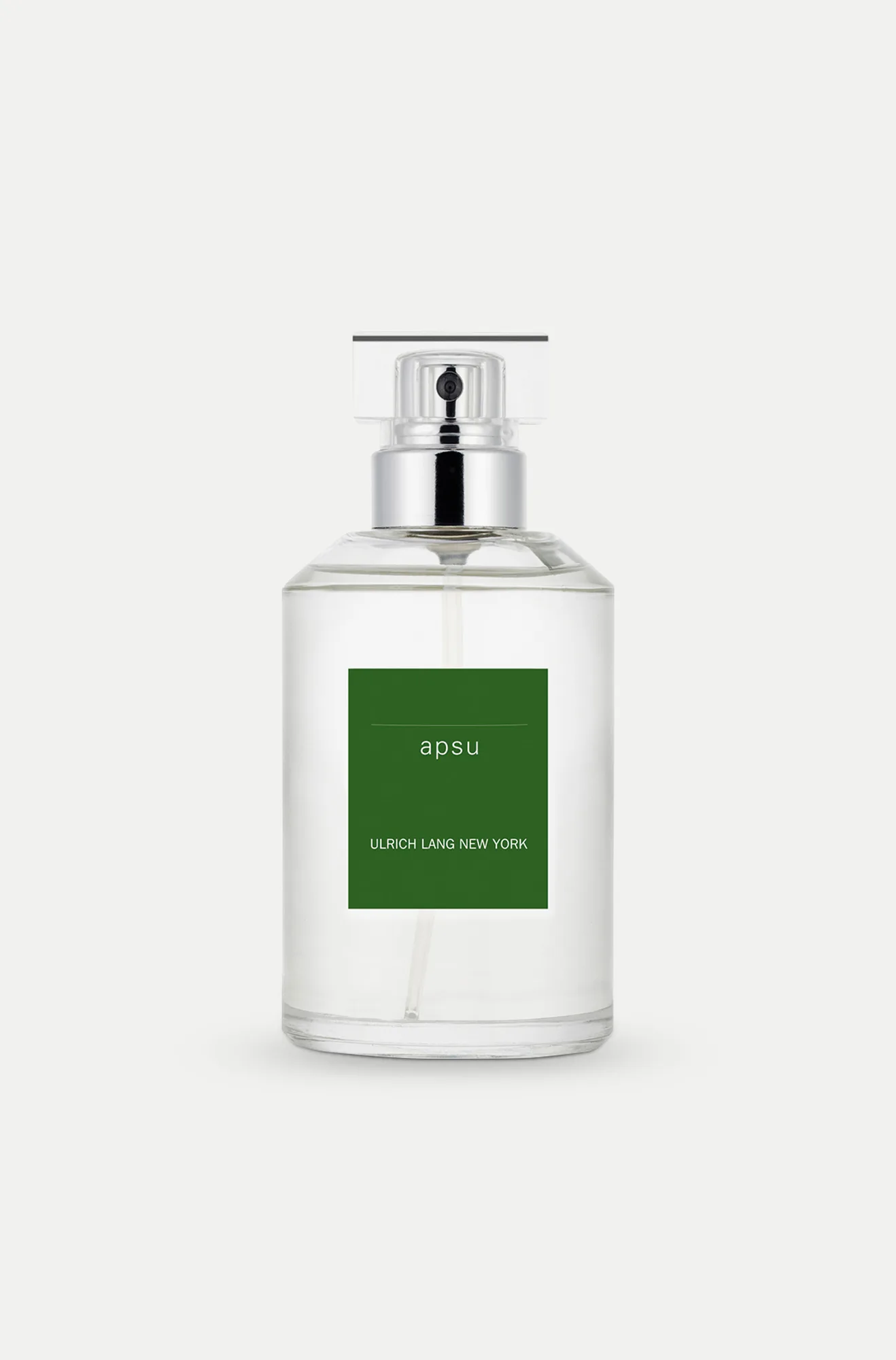
Apsu EdT
Another niche example is 1804 EdP, which tells the story of George Sand through notes of jasmine, pineapple, and peach. These are not typical designer choices; they reflect a narrative-driven approach. Designer perfumes, on the other hand, often rely on popular notes like rose or oud, but in a more commercial way.
Trade-Offs to Consider
- Price vs. Uniqueness: Niche perfumes are often priced higher due to rare ingredients and small batches, but you pay for a distinctive scent that few others will wear. Designer perfumes are more budget-friendly but may be worn by many. If you value standing out and can stretch your budget, niche is worth it.
- Availability vs. Exclusivity: Designer perfumes are easy to find in stores and online, making testing simple. Niche perfumes may require seeking out specialty retailers or ordering samples, but the hunt can be part of the fun. If convenience is key, designer wins; if you enjoy the discovery process, niche is rewarding.
- Wearability vs. Artistic Expression: Designer scents are designed to be crowd-pleasers, making them safe for daily wear and gifts. Niche scents may be more challenging or avant-garde, but they offer a deeper artistic experience. If you want a reliable signature scent, designer is safer; if you want to express a mood or memory, niche is more evocative.
Niche Scents in the Sniph Collection
- Apsu EdT: Ulrich Lang New York is a niche perfume house founded in 2002 with a background in art and beauty. Apsu is a green fragrance that balances simplicity and complexity in minimalist creations with an artistic edge. If you're curious about niche perfumes, Apsu offers a fresh, green scent that showcases the artistic, high-quality approach of a niche house.
- Istanbul EdP: Gallivant's Istanbul EdP is part of a collection that explores the world through Nick Steward's eyes and nose, capturing the lively atmosphere of Istanbul's Karaköy district with notes of cardamom, sandalwood, lavender, vanilla, and tonka bean. This scent exemplifies how niche perfumes can transport you to a specific place, offering a unique and evocative experience that designer fragrances rarely match.
Which Should You Choose?
Niche is best for
- Fragrance enthusiasts who appreciate artistry and want to own scents that are rare and conversation-starting.
- People who enjoy storytelling and want a perfume that evokes a specific place, memory, or mood.
Designer is a better fit for
- Those on a budget who still want a quality fragrance for everyday wear.
- Beginners who prefer familiar, crowd-pleasing scents that are easy to test and purchase.
Ultimately, the choice between niche and designer perfume comes down to your priorities. If you crave originality and are willing to invest in a scent that feels personal and artistic, niche perfumes offer a world of discovery. If you prefer practicality and versatility, designer fragrances provide reliable options that always smell good. Whichever you choose, the best perfume is the one that makes you feel confident and happy.