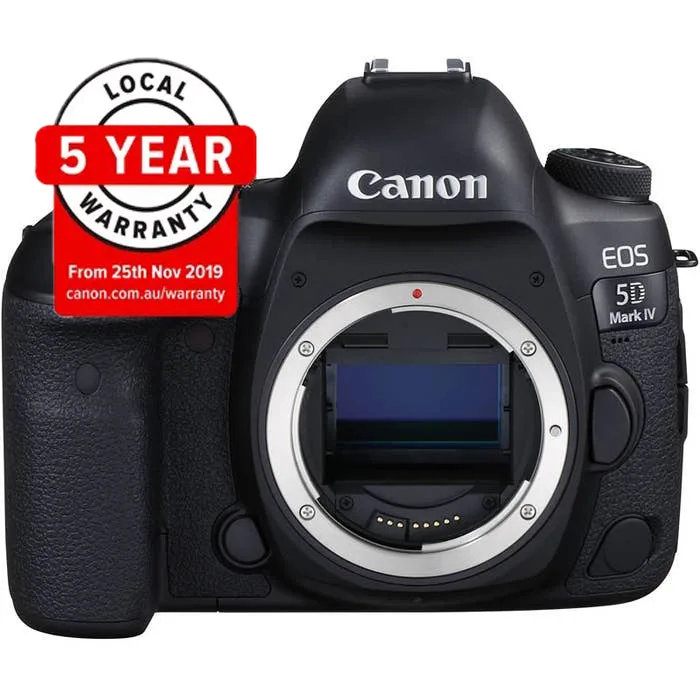
Two Different Paths to Full Frame
If you are choosing between a used Nikon D850 and a used Canon EOS R, you are really deciding between two philosophies: a high-resolution DSLR with an optical viewfinder and a mirrorless body built around electronic viewing and a compact mount. Both deliver full-frame image quality, but they suit different shooting styles and priorities.
The Nikon D850 is a pre-owned DSLR with a 45.7MP BSI CMOS sensor and an optical pentaprism viewfinder. The Canon EOS R is a used mirrorless camera with a 30.3MP full-frame sensor and an electronic viewfinder. Their sensor resolutions, autofocus systems, and battery performance differ significantly, so your choice depends on what matters most for your photography.
Sensor and Resolution at a Glance
-
Nikon full frame D850 DSLR Body pre-owned: 45.7MP FX-Format BSI CMOS sensor with no optical low-pass filter. Higher resolution and sharper detail, especially useful for large prints or heavy cropping.
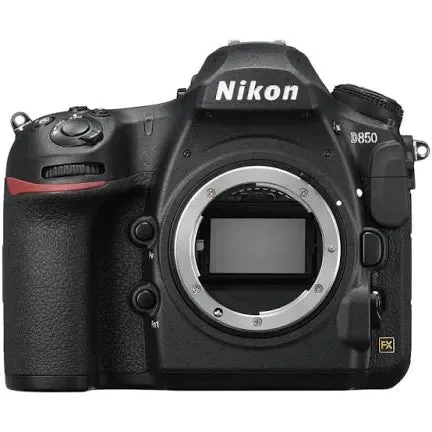
Nikon full frame D850 DSLR Body pre-owned
-
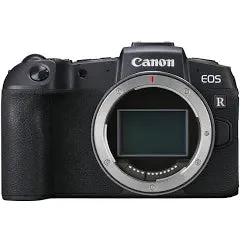
Canon EOS R Mirrorless Camera Body Only (Used): 30.3MP Full-Frame CMOS sensor with DIGIC 8 processor. Slightly lower resolution but still ample for most professional and enthusiast work; benefits from Canon's color science.
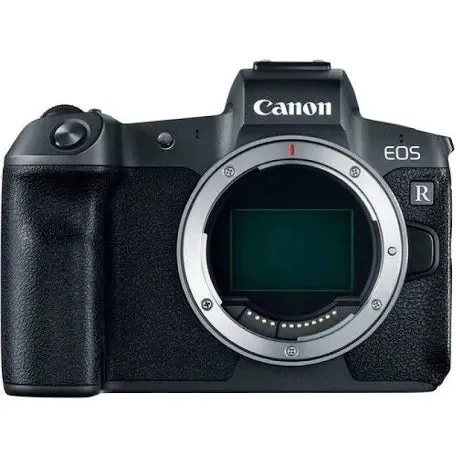
Canon EOS R Mirrorless Camera Body Only (Used)
Autofocus: Optical vs. Dual Pixel
The D850 uses a 153-point Multi-CAM 20K AF system with 99 cross-type sensors, including 15 points compatible with f/8 for teleconverter use. The EOS R relies on Dual Pixel CMOS AF with 5655 AF points covering most of the frame. The D850's phase-detect system is excellent for fast action through the viewfinder, while the EOS R's on-sensor AF is smoother for video and live view shooting.
- Nikon D850 AF strength: 153-point system with 3D tracking; 15 f/8-compatible points for super telephoto lenses.
- Canon EOS R AF strength: 5655 Dual Pixel points for near-full-frame coverage; excellent for video and stills in live view.
Battery Life and Ergonomics
The D850's EN-EL15a battery is CIPA-rated for approximately 1840 shots per charge, and with the optional MB-D18 grip and an EN-EL18a/b battery, that can extend to about 5140 shots. The EOS R's battery life is not confirmed in the supplied information, but mirrorless cameras typically consume more power due to the electronic viewfinder. If you shoot long days without recharging, the D850's optical viewfinder gives a clear advantage.
The D850 has a weather-sealed body, an anti-slip grip, and a joystick for quick settings. The EOS R is lighter and more compact, with a swivel touchscreen that flips out for vlogging or self-portraits. Neither is wrong; it depends on whether you prioritize ruggedness and battery stamina or portability and a fully articulating screen.
Video Capabilities
- Nikon full frame D850 DSLR Body pre-owned: 4K UHD video using either a DX crop or the entire full-frame sensor; 8K time-lapse recording mode. Flexible 4K options and a unique time-lapse feature for high-resolution sequences.
- Canon EOS R Mirrorless Camera Body Only (Used): UHD 4K30 video with C-Log and 10-bit HDMI out. Log profile and 10-bit output give more grading flexibility for serious video work.
What the Supplied Information Does Not Tell You
The catalog does not confirm the EOS R's battery life, continuous shooting rate with full AF, or whether it supports silent interval timer like the D850. The D850's silent interval timer is noted as producing no shutter noise and being energy efficient, but the EOS R may have similar features not listed here. When comparing used units, always test the specific body's shutter count, battery health, and sensor condition regardless of model.
Which Used Body Should You Choose?
Both are excellent pre-owned full-frame cameras, but they serve different users:
- Choose the Nikon D850 if: You need the highest resolution, long battery life for extended shoots, an optical viewfinder, and a robust weather-sealed body. Its 153-point AF and 7 fps burst are strong for sports and wildlife.
- Choose the Canon EOS R if: You prefer a lighter mirrorless body, want Dual Pixel AF for video and live view, need a swivel touchscreen, or plan to use Canon's expanding RF lens lineup. Its C-Log and 10-bit HDMI out are valuable for video grading.