Two Z Lenses, Two Different Jobs
The Nikon Z 50mm f/1.4 and the Nikon Nikkor Z MC 105mm f/2.8 VR S are both excellent Z-mount primes, but they serve very different purposes. The 50mm f/1.4 is a fast, standard prime built for natural perspectives and low-light versatility. The 105mm f/2.8 is a professional macro lens with 1:1 reproduction and dedicated features for close-up work. Which one belongs in your kit depends on what you shoot most.
Key Differences at a Glance
The table below summarises the main differences between these two Z lenses based on supplied specifications.
- Focal length and perspective: The 50mm f/1.4 delivers a natural field of view similar to human vision, ideal for walkaround shooting and environmental portraits. The 105mm f/2.8 is a medium telephoto that compresses perspective, making it a classic portrait length and essential for macro work.
- Maximum aperture and low-light performance: The 50mm f/1.4 has a one-stop advantage with its f/1.4 maximum aperture, allowing faster shutter speeds and shallower depth of field in dim conditions. The 105mm f/2.8 is one stop slower but includes in-lens Vibration Reduction (VR) for steadier handheld shots.
- Close-focus capability: The 105mm f/2.8 achieves a 1:1 reproduction ratio with a minimum focus distance of 0.29 m, enabling life-size macro shots. The 50mm f/1.4 focuses as close as 37 cm, which is good for detail shots but not true macro.
- Intended use: The 50mm is a general-purpose prime suited for portraits, street, travel, and video. The 105mm is optimised for macro, close-up product work, and detailed portraiture where you want to isolate the subject.
What the Supplied Records Confirm
-
Nikon Nikkor Z 50mm f/1.4 Lens: The NIKKOR Z 50mm f/1.4 lens features a fast f/1.4 aperture, responsive autofocus, smooth bokeh, and excellent performance in low light. It has a close-focusing distance of 37 cm and is lightweight, compatible with gimbals or cages. This confirms the 50mm f/1.4 is a versatile, low-light-friendly lens that can also capture close-up details, but it is not a dedicated macro lens.
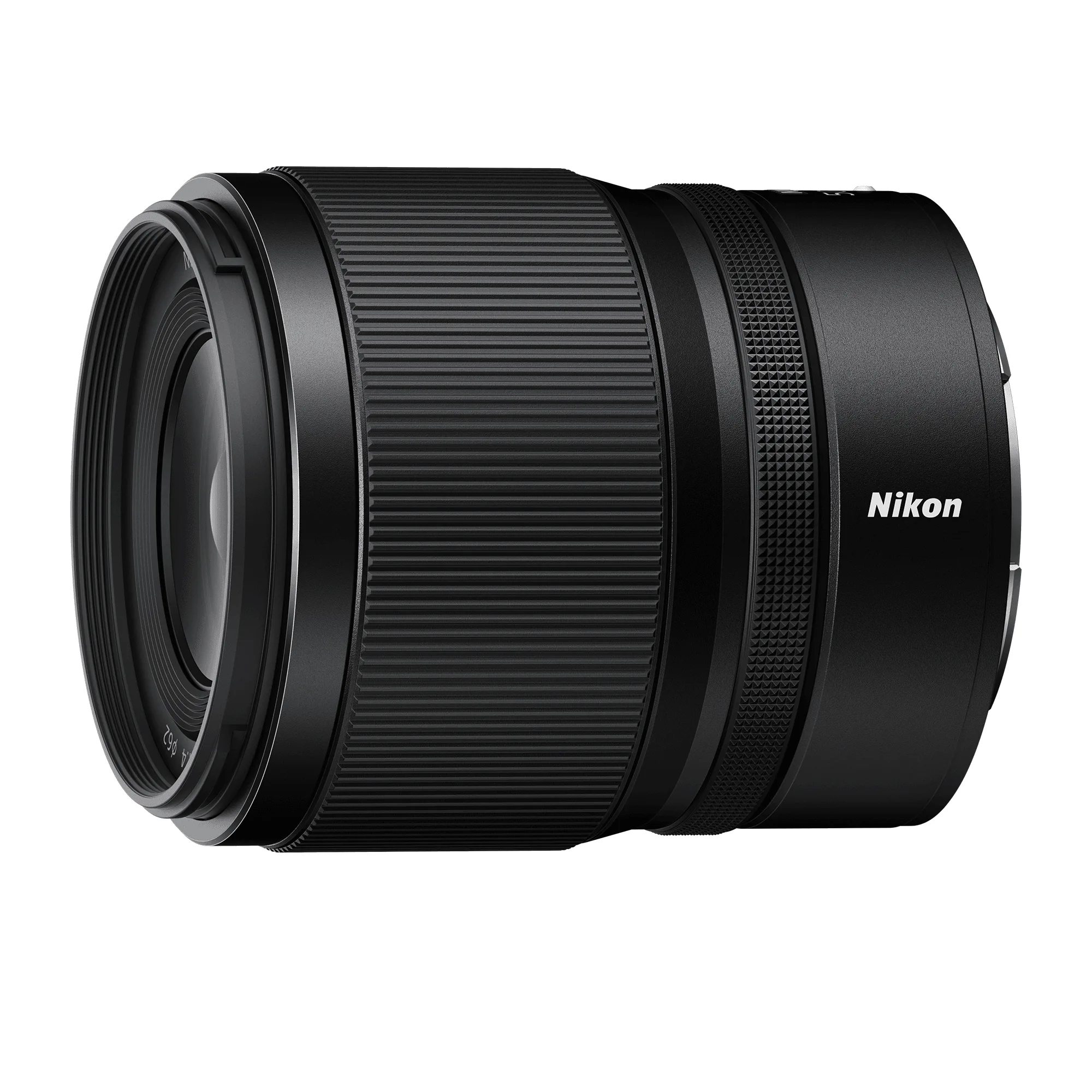
Nikon Nikkor Z 50mm f/1.4 Lens
-
Nikon Nikkor Z MC 105mm f/2.8 VR S Lens: The NIKKOR Z MC 105mm f/2.8 VR S has a 1:1 reproduction ratio, a minimum focus distance of 0.29 m, and in-lens Vibration Reduction. It is optimised for macro shooting in stills or video and also described as a stunning lens for detailed portraiture. This confirms the 105mm is the choice for true macro work, with VR to aid handheld close-ups, while still being capable for portraits.
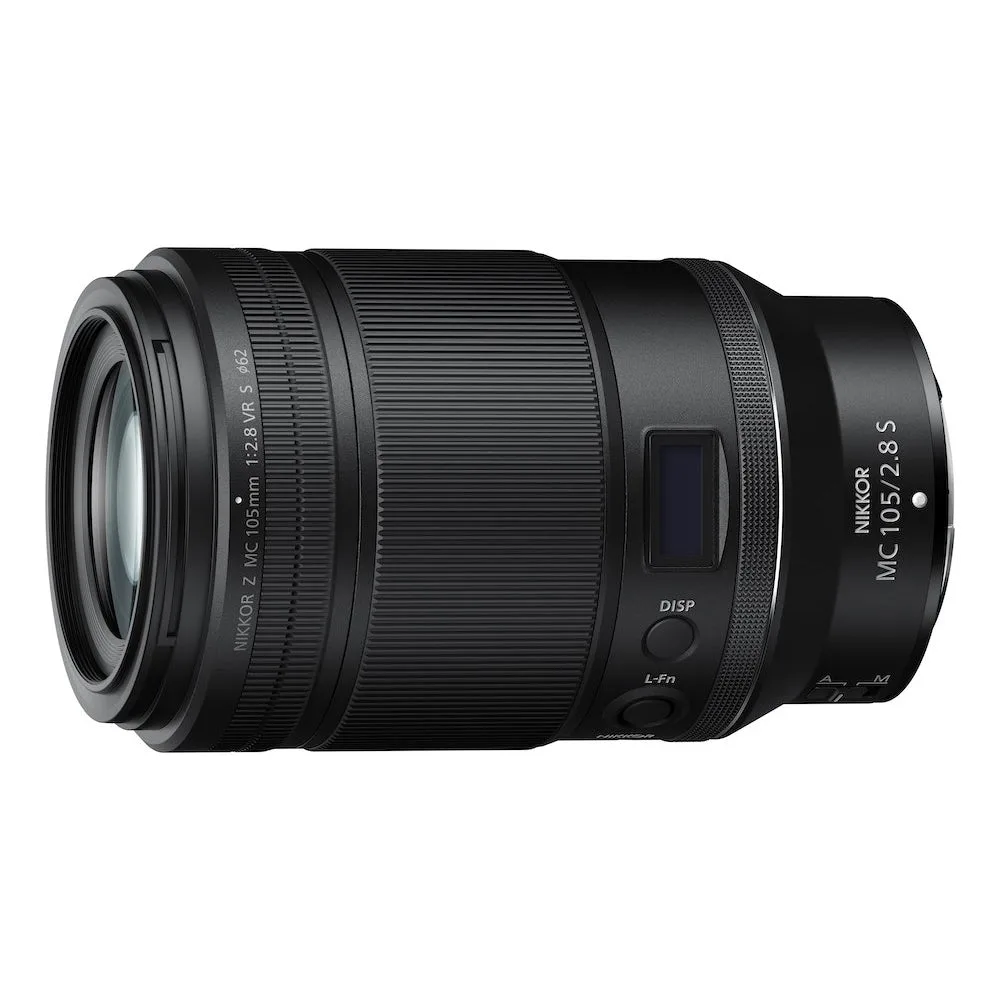
Nikon Nikkor Z MC 105mm f/2.8 VR S Lens
Choosing for Portraits
Both lenses can produce beautiful portraits, but they do it differently. The 50mm f/1.4 gives you a natural perspective that works well for environmental portraits and full-body shots. Its f/1.4 aperture lets you blur backgrounds while keeping the subject sharp, and the multi-focusing system ensures accurate focus even wide open.
The 105mm f/2.8 VR S provides a more compressed look that flatters facial features and isolates the subject from the background. Its f/2.8 aperture with a 9-blade rounded design creates smooth, natural-looking bokeh. The longer focal length also allows you to shoot from a comfortable distance, which can put subjects at ease.
If you shoot mostly portraits and want a single lens that also handles everyday shooting, the 50mm is more versatile. If portraiture is your primary focus and you value compression and background separation, the 105mm is worth the extra reach.
Choosing for Macro and Close-Up Work
For true macro photography—where you need to capture subjects at life size—the 105mm f/2.8 VR S is the clear choice. Its 1:1 reproduction ratio and 0.29 m minimum focus distance let you fill the frame with tiny subjects like insects, flowers, or product details. The AF focus limiter (0.29–0.50 m) helps acquire focus quickly for close subjects.
The 50mm f/1.4 can focus as close as 37 cm, which is fine for detail shots of textures or small objects, but it won't reach 1:1 magnification. It is not a macro lens, so if macro work is a priority, the 105mm is essential.
Considerations for Video
Both lenses support video use. The 50mm f/1.4 is lightweight and compatible with gimbals, making it a good choice for interviews or first-person perspectives thanks to its natural field of view. The 105mm f/2.8 VR S offers quiet AF, smooth aperture control, and focus breathing that is all but eliminated, which helps when pulling focus during a shot. The 105mm also lets you reverse focus direction, an advantage in mixed production environments.
What the Supplied Records Do Not Settle
The catalog does not specify exact autofocus speed comparisons, battery life impact of VR, or side-by-side sharpness tests. It also does not confirm compatibility with teleconverters or third-party accessories. If those factors are important to your decision, you may need to consult additional hands-on reviews or Nikon's full specifications.