Quick Answer
Choose the Nikon Z DX 18-140mm for a lightweight, all-in-one travel zoom on DX cameras, or the Sigma 28-105mm f2.8 for a fast, full-frame workhorse. The right pick depends on your camera format and need for low-light performance.
Format matters: DX vs full-frame
The Nikon Z DX 18-140mm is designed for Nikon's DX-format (APS-C) mirrorless cameras, giving a 35mm equivalent of 27-210mm. The Sigma 28-105mm f2.8 is a full-frame lens, so it covers a larger sensor. Using a DX lens on a full-frame camera will crop the image, while a full-frame lens on a DX body works fine but loses the wide-angle benefit.
If you own a DX camera like the Nikon Z50 or Z fc, the 18-140mm gives you a true wide-to-telephoto range in one compact package. On a full-frame body, the Sigma's 28-105mm range is practical for events and portraits, but it doesn't go as wide.
Aperture: f/3.5-6.3 vs f/2.8
The Sigma's constant f/2.8 aperture is a major advantage in low light and for controlling depth of field. The Nikon's variable f/3.5-6.3 is slower, especially at the telephoto end, which means you'll need more light or a higher ISO.
For travel in daylight, the Nikon's slower aperture is rarely a problem, and its longer reach (210mm equivalent) lets you capture distant subjects without changing lenses. But for indoor events or evening street shots, the Sigma's f/2.8 lets in more than twice the light at the long end.
Price and value
The Nikon Z DX 18-140mm is priced at USD 646.14, while the Sigma 28-105mm f2.8 costs USD 1378.08. That's a significant difference, and it reflects the Sigma's faster aperture and full-frame coverage.
If you're on a budget and shoot with a DX camera, the Nikon is a clear value pick. If you already own a full-frame Z body and need a fast zoom, the Sigma justifies its higher price with better low-light performance and build quality.
Trade-offs to consider
- Zoom range vs. speed: The Nikon gives you 27-210mm equivalent reach, but the Sigma's f/2.8 is much faster. If you need telephoto reach, choose Nikon; if you need low-light performance, choose Sigma.
- Format compatibility: The Nikon is DX-only, so it's best for APS-C cameras. The Sigma is full-frame, so it works on both full-frame and DX bodies (with a narrower field of view on DX). Check your camera's sensor format before buying.
- Budget vs. investment: The Nikon is about half the price of the Sigma. If you're starting out or mainly shoot in daylight, the Nikon offers great value. If you're a professional or shoot events, the Sigma's price is justified. Consider how often you shoot in low light and whether you plan to move to full-frame.
Key facts at a glance
-
Nikon NIKKOR Z DX 18-140mm f/3.5-6.3 VR: 27-210mm (35mm equivalent) zoom range on DX format This single lens covers wide to telephoto, making it ideal for travel and everyday shooting without swapping lenses.

Nikon NIKKOR Z DX 18-140mm f/3.5-6.3 VR
-
Sigma 28-105mm f2.8 DG DN Art: Full-frame f/2.8 to f/22, with HLA autofocus and a 15.8-inch minimum focus distance The fast constant aperture and close focusing give you creative control and sharp results in low light or for close-up shots.
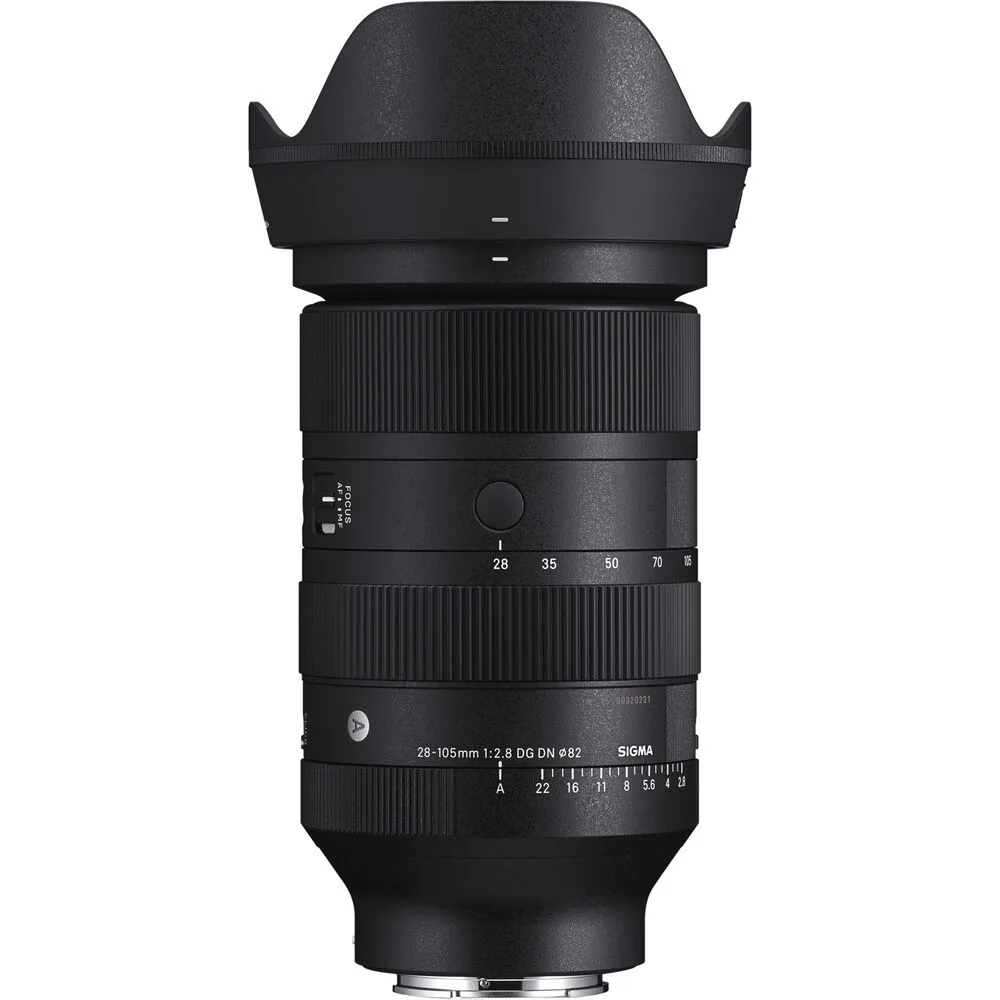
Sigma 28-105mm f2.8 DG DN Art
Which lens fits you?
Best for
- Travelers and vloggers using a Nikon DX camera who want one lightweight lens for wide to telephoto shots
- Budget-conscious shooters who prioritize reach and convenience over low-light speed
Not for
- Full-frame users who need a fast, professional zoom for events or portraits
- Shooters who frequently work in dim conditions and need f/2.8 light-gathering ability