What this lens is for on a Z6 III
The Nikkor Z 28mm f2.8 is a wide, compact prime for Nikon's mirrorless Z mount. On a full-frame body like the Z6 III it gives a moderately wide view that works for street scenes, environmental portraits and everyday carry. The catalog describes it as an extremely mobile wide-angle lens with a 1:2.8 maximum aperture, natural bokeh, fast and quiet autofocus, and good protection. Those are the claims to weigh, not a promise of a particular look.
The practical question is not whether it is the smallest or sharpest lens in the system, which the catalog does not establish, but whether its wide angle, modest aperture and compact build match how you actually shoot.
Catalog facts that shape the decision
-
Nikon Nikkor Z 28mm f2,8: Lichtstarkes 1:2,8 Weitwinkel-Objektiv, Extrem mobil A 28mm wide angle with an f2.8 maximum aperture in a body the catalog calls extremely mobile points to a walkaround lens rather than a specialist low-light or shallow-depth tool.
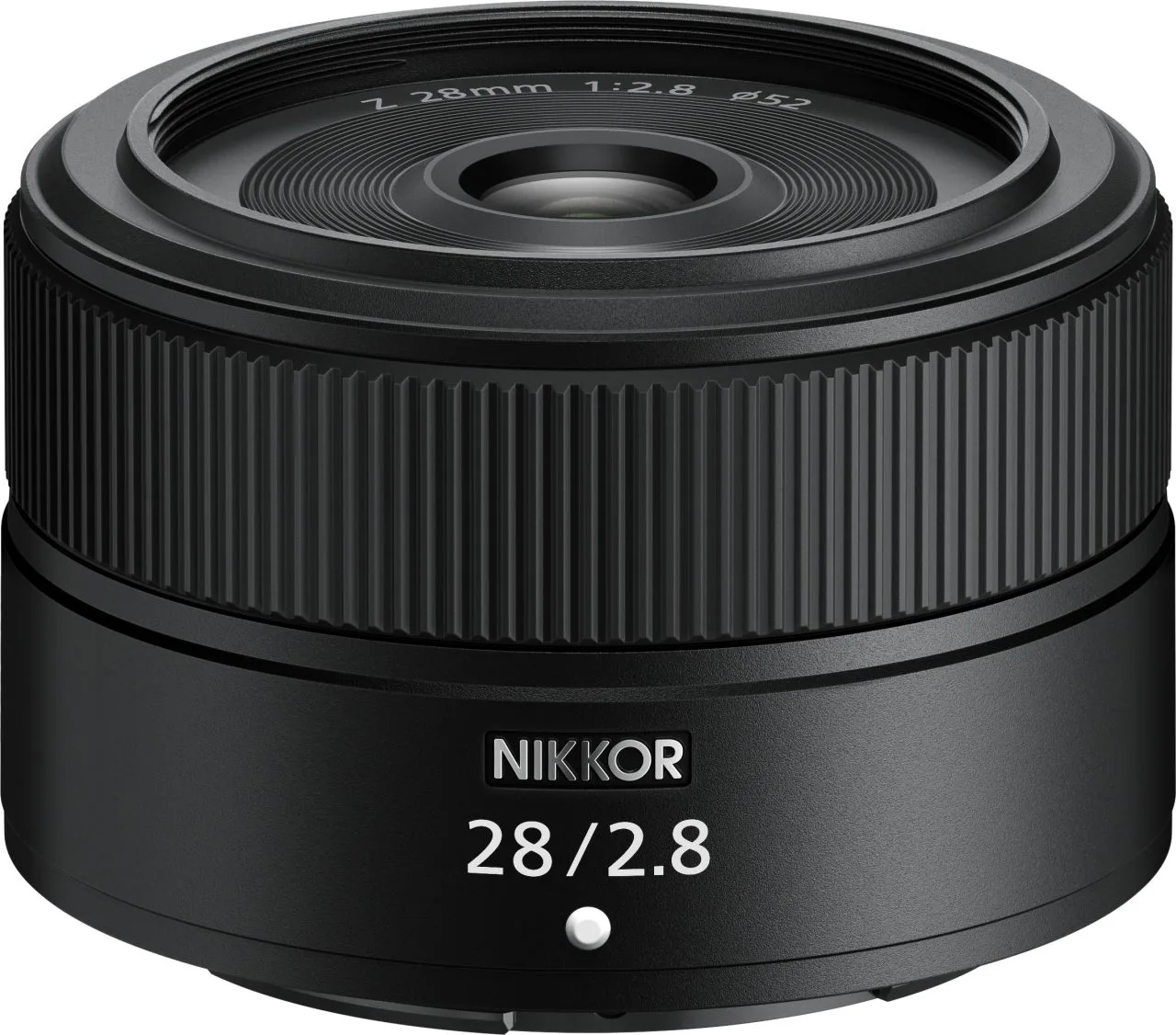
Nikon Nikkor Z 28mm f2,8
-
Nikon Nikkor Z 28mm f2,8: FX-Format für spiegellose Kameras, 42 mm DX-Format On a full-frame Z6 III you get the 28mm view. On a DX-format body the same lens gives a 42mm equivalent angle, so the framing changes with the camera format.
-
Nikon Nikkor Z 28mm f2,8: Schneller, leiser Autofokus, Großartig für Video Fast, quiet autofocus and video suitability are relevant if you shoot street scenes or short clips where focus noise and speed matter.
-
Nikon Nikkor Z 28mm f2,8: Natürliches Bokeh, Einfache Bedienung, Gut geschützt These describe the intended character and handling. They do not specify a minimum focus distance, filter thread, weather-sealing rating or exact dimensions.
Where the 28mm f2.8 fits and where it does not
Use the catalog's own wording to judge fit rather than assuming capabilities the record does not confirm.
- Good fit: compact everyday carry: The catalog calls the lens extremely mobile and easy to operate. If you want a wide prime that keeps a Z6 III kit small for daily use, that is the intended use.
- Good fit: wide street and environmental scenes: A 28mm view on FX gives context around your subject. The fast, quiet autofocus claim supports unobtrusive shooting, though the catalog does not state a focus speed figure.
- Consider carefully: very shallow depth of field: The maximum aperture is f2.8. The catalog mentions natural bokeh but does not claim the isolation of a faster prime. If blurred backgrounds are your priority, compare against wider-aperture options.
- Consider carefully: DX-format bodies: The catalog lists a 42mm DX-format equivalent. On a DX body this becomes a normal-ish view, not a wide angle, so check which format you will use.
- Not confirmed by the catalog: sealing, filter size and close focus: The record says the lens is well protected but gives no sealing rating, filter thread or minimum focus distance. Do not assume these details from the marketing summary.
How to judge sharpness and image quality before buying
The catalog does not include MTF charts, test results or a sharpness claim. Any search for Nikkor Z 28mm f2.8 sharpness will therefore need sample images or independent tests rather than this record. What the catalog does support is the design intent: a wide f2.8 prime with natural bokeh and fast, quiet autofocus. Treat sharpness as something to verify from images at the apertures you use, not as a settled fact here.
If your work depends on corner-to-corner detail wide open, ask for sample files or check a hands-on source before ordering. If you mainly want a compact wide lens for everyday scenes, the catalog's mobility and handling claims are the more relevant evidence.
A practical check before you order
- Confirm your camera format: The lens is listed for FX-format mirrorless cameras and gives a 42mm equivalent on DX. Check that the 28mm view on your Z6 III is the framing you want.
- Decide whether f2.8 is enough: The catalog confirms a 1:2.8 maximum aperture and natural bokeh. It does not promise low-light performance or extreme background blur, so match the aperture to your typical light and subject separation needs.
- Check the handling you need: The record mentions easy operation and good protection but no sealing rating, filter thread or dimensions. If you need a specific filter size or confirmed weather sealing, verify those details separately.
- Compare against your existing kit: If you already carry a standard zoom, the 28mm f2.8's case rests on compactness and the wide prime view rather than on replacing a zoom range.