Two Full-Frame Contenders, Two Different Systems
The Nikon Z6 III and Canon EOS R6 III are both advanced full-frame mirrorless bodies aimed at hybrid shooters who want strong photo and video performance. But they belong to different lens mounts and ecosystems, so your choice often starts with which system you already own or plan to invest in. This comparison looks at what each body offers, based on the available catalog evidence, and where the trade-offs lie.
Key Specs at a Glance
Below are the core specifications from the catalog records. Note that some details for the Nikon Z6 III are not fully confirmed in the supplied information.
- Sensor resolution: The Canon EOS R6 III has a 32.5 MP CMOS full-frame sensor. The Nikon Z6 III's sensor resolution is not specified in the available evidence.
- ISO range: The Canon EOS R6 III offers ISO 100–64,000 (expandable to 50–102,400). The Nikon Z6 III's ISO range is not confirmed by the supplied catalog.
- Image stabilization: The Canon EOS R6 III features IBIS with up to 8.5 stops of compensation (up to 7.5 stops at the periphery). The Nikon Z6 III's stabilization performance is not detailed in the available records.
- Burst shooting: The Canon EOS R6 III can shoot up to 40 fps with the electronic shutter. The Nikon Z6 III's burst rate is not provided.
- Viewfinder: The Canon EOS R6 III has an electronic OLED viewfinder with 3.69 million dots. The Nikon Z6 III's viewfinder type is not mentioned.
- Storage: The Canon EOS R6 III has slots for CFexpress Type B and SD UHS-II cards. The Nikon Z6 III's card slots are not described.
What the Canon EOS R6 III Record Confirms
The catalog describes the EOS R6 Mark III as a camera that combines "outstanding photo quality with powerful video functions," positioned between the EOS R5 and EOS R6 Mark II. It has a 32.5 MP sensor, IBIS with up to 8.5 stops compensation, a 40 fps electronic shutter, and dual card slots (CFexpress Type B and SD UHS-II). The camera also includes a touchscreen and an electronic OLED viewfinder. These are concrete, verified specifications that give a clear picture of its capabilities.
What the Catalog Does Not Settle for the Nikon Z6 III
The supplied catalog does not include detailed specifications for the Nikon Z6 III. Therefore, this comparison relies on the Canon EOS R6 III's confirmed specs to illustrate the kind of information you should look for when evaluating the Nikon body. Key unknowns for the Z6 III include sensor resolution, ISO range, stabilization stops, burst rate, viewfinder type, and storage options. Without these details, a direct spec-for-spec comparison is not possible from the available evidence.
Canon EOS R6 III Confirmed Facts
-
Canon EOS R6 III Gehäuse: 32.5 MP CMOS full-frame sensor Determines resolution and crop flexibility for printing and editing.
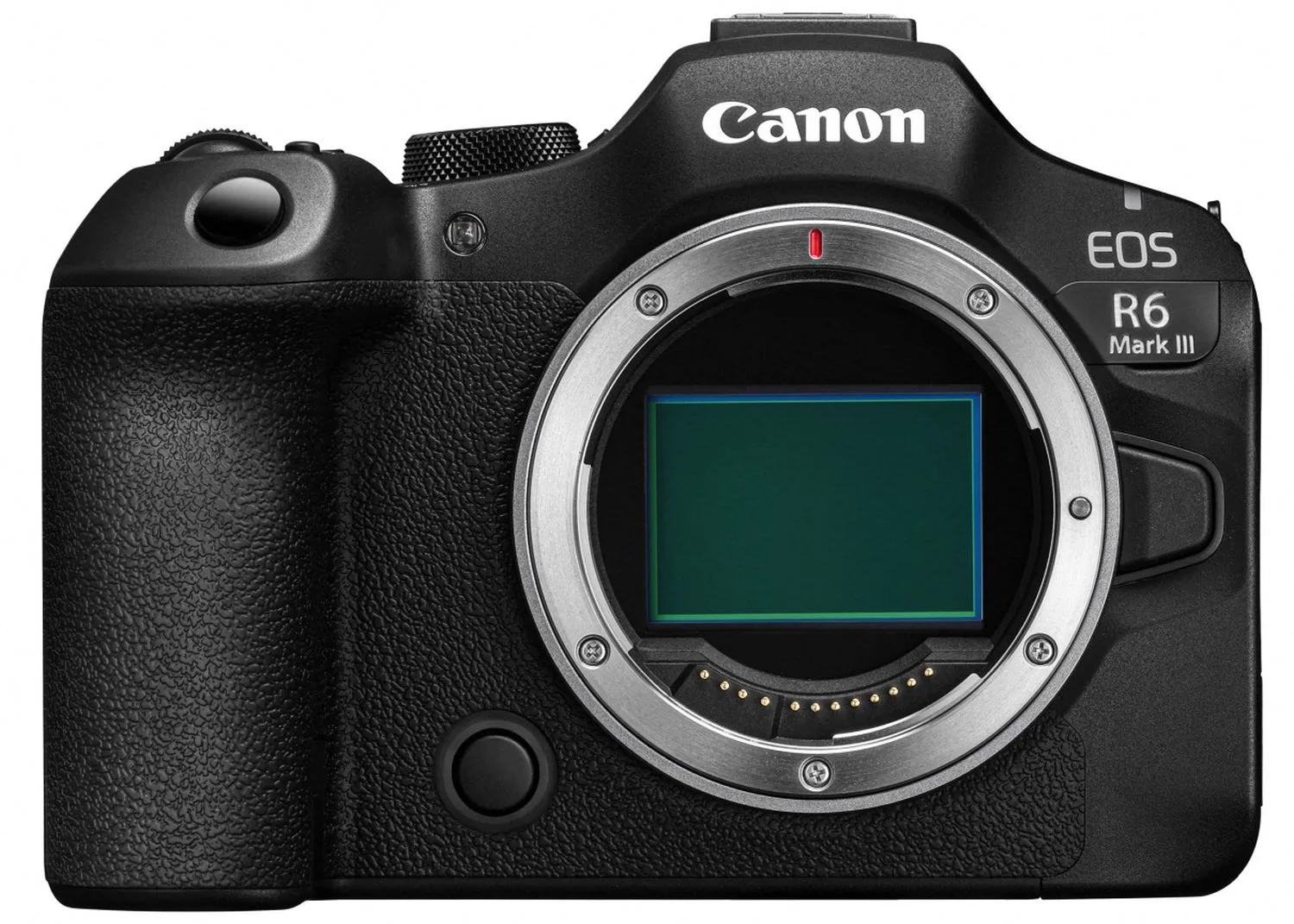
Canon EOS R6 III Gehäuse
-
Canon EOS R6 III Gehäuse: ISO 100–64,000 (expandable to 50–102,400) Indicates low-light performance and usable sensitivity range.
-
Canon EOS R6 III Gehäuse: IBIS with up to 8.5 stops compensation (up to 7.5 stops at periphery) Helps handheld shooting in low light and with unstabilized lenses.
-
Canon EOS R6 III Gehäuse: Up to 40 fps with electronic shutter Captures fast action and fleeting moments.
-
Canon EOS R6 III Gehäuse: CFexpress Type B and SD UHS-II card slots Provides flexible and fast storage options for high-bitrate video and burst shooting.
Ecosystem and Lens Mount Differences
The Nikon Z6 III uses the Nikon Z mount, while the Canon EOS R6 III uses the Canon RF mount. These mounts are not cross-compatible without adapters, and adapter performance can vary. If you already own lenses for one system, that may be the deciding factor. If you are starting fresh, consider the available lens lineup for each mount and which one better suits your photography style.
Making Your Decision
Without full specs for the Nikon Z6 III, the Canon EOS R6 III stands out for its confirmed high resolution, fast burst rate, and robust stabilization. If you are considering the Nikon, seek out its detailed specifications from the manufacturer or trusted reviews. The best choice depends on which system's lens lineup, ergonomics, and feature set align with your needs. Both cameras are strong full-frame options, but the right one is the one that fits your workflow.