Quick answer
Set up the station in a warm, draft-free spot, sterilize every nipple and bottle before the first feed, and mix formula exactly to the label. Feed one puppy or kitten at a time in a belly-down position, then clean the station immediately after each session. Keep a written log of time, amount, and output so you can spot problems early.
What the station needs before the first feed
A workable station has four zones: a clean prep surface, a feeding area, a soiled-item bin, and a warming spot for the pet. Keep them separate so a dirty bottle never touches the clean prep surface. You need species-appropriate formula, bottles with nipples sized for the animal, a kitchen scale that reads in grams, a thermometer, and paper towels.
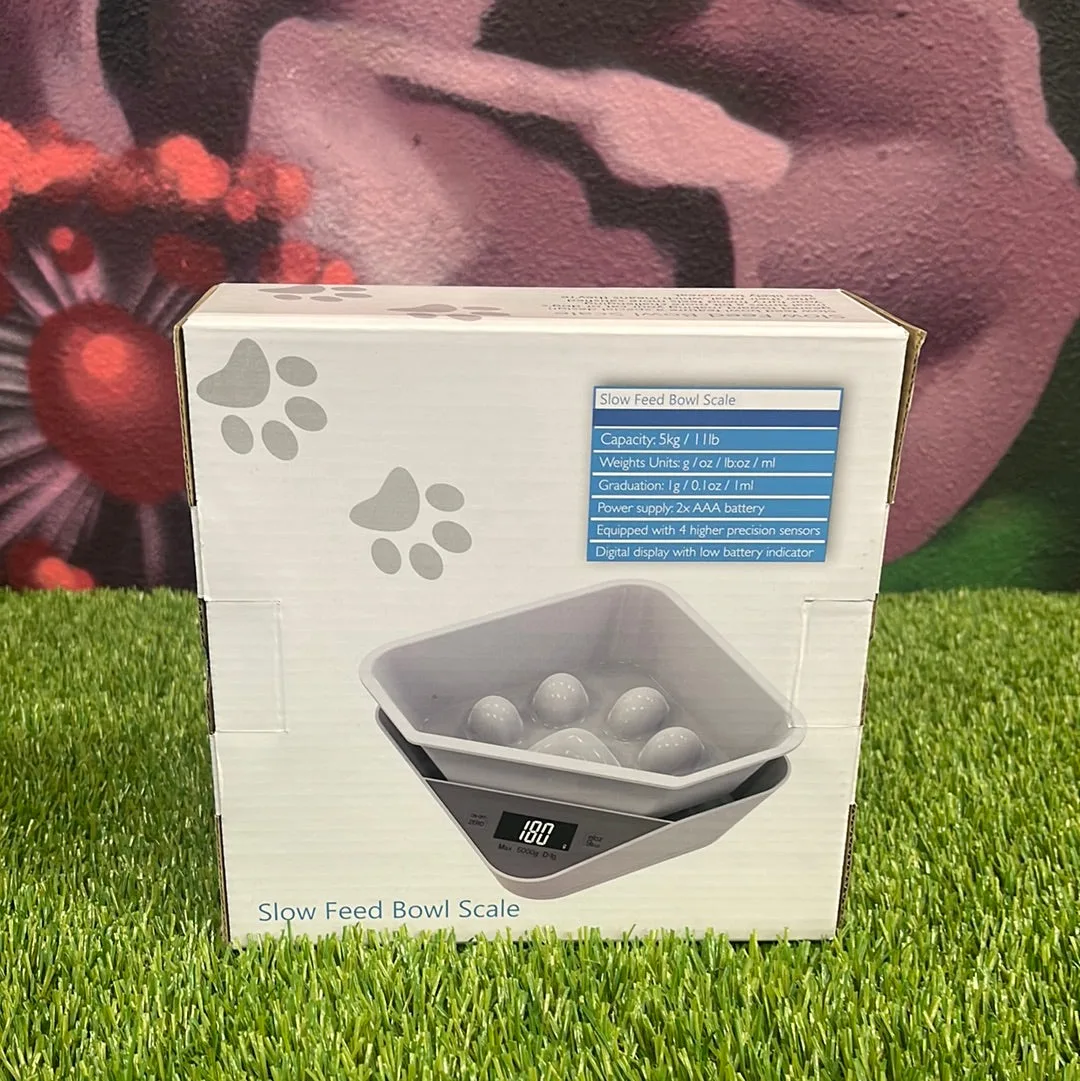
scale
Warmth matters as much as food. Newborn puppies and kittens cannot regulate body temperature well, so a heat source that covers only part of the container lets the animal move away if it gets too warm. Check the surface temperature with your hand or a thermometer before placing the pet down.
If you are feeding several animals, label bottles or nipples by animal only if your vet advises it. Cross-contamination between littermates is a real risk when supplies are shared without cleaning between feeds.
How to run a feeding session
Mix formula fresh for each session unless the label states otherwise, and test a drop on your wrist. It should feel barely warm, not hot. Hold the puppy or kitten belly-down, never on its back, and let it latch rather than squeezing formula in. A steady drip from an inverted bottle usually means the hole is too large; a nipple that collapses means it is too small.
Stop when the animal slows down, turns away, or milk bubbles from the nose. Those are signs to pause, not push. Burp by holding the pet upright and patting gently, then place it back in the warm container on its side. Record the amount taken and the time.
The Nipple Feeding Station from thetopdogpetstore is designed as a feeding station for nipple-based feeding and comes in a Standard option, which suits a straightforward everyday setup. Confirm the product details and options before ordering so the station matches how you plan to feed.
Cleaning and storage between feeds
Rinse bottles and nipples in cool water first so residue does not set, then wash with hot soapy water and a bottle brush. Boil or steam nipples and bottles according to the manufacturer's instructions, and let them air-dry on a clean towel rather than a shared dish rack. Wash your hands before and after every session.
Formula should not sit at room temperature. Discard what the animal did not finish within the time your formula label allows, and never reheat a leftover bottle. Store mixed formula in the refrigerator only as long as the label permits.
Wipe the station surface with a pet-safe cleaner after each feed, and change bedding daily or sooner if soiled. A station that smells of old formula attracts pests and encourages bacterial growth.
When to call your veterinarian
Contact a vet if a puppy or kitten refuses two feeds in a row, feels cold to the touch, has diarrhea, vomits, or cries continuously after feeding. Aspiration, where formula enters the airway, can cause coughing, labored breathing, or a wet sound during feeding; stop feeding and call for advice immediately.
Weigh the animal at the same time each day on the same scale. A steady gain is the best simple signal that the routine is working. If weight is flat or falling, bring your log to the vet so they can see exactly what has been fed and when.
Step-by-step station setup
- Pick and prep the location: Choose a warm, draft-free spot away from other pets and foot traffic. Set up separate zones for clean prep, feeding, and soiled items. Mistake to avoid: placing the station next to a heater vent, which dries formula and overheats the animal. Checkpoint: you can stand at the station and reach the clean surface, the feeding spot, and the soiled bin without crossing over any of them.
- Sterilize bottles and nipples: Wash new and used bottles in hot soapy water, then boil or steam them per the manufacturer's instructions. Let them air-dry completely before the first feed. Mistake to avoid: skipping the first sterilization because the packaging looked clean. Checkpoint: nipples are dry, uncracked, and the hole drips slowly when the bottle is inverted.
- Mix and temperature-test formula: Follow the formula label exactly, using the scoop provided. Test a drop on your wrist; it should feel barely warm. Mistake to avoid: adding extra powder to 'make it stronger,' which causes dehydration and constipation. Checkpoint: mix a fresh batch for each session and discard what is left after the allowed window.
- Feed belly-down, one at a time: Hold the puppy or kitten in a natural belly-down position and let it latch and suckle at its own pace. Stop if formula bubbles from the nose or the animal pulls away. Mistake to avoid: feeding on the back like a human baby, which raises aspiration risk. Checkpoint: burp after feeding, then return the animal to the warm container on its side.
- Clean the station after every feed: Rinse bottles in cool water, wash in hot soapy water, and sterilize nipples. Wipe the station surface and change soiled bedding. Mistake to avoid: leaving a rinsed bottle to 'soak overnight,' which lets residue harden and bacteria multiply. Checkpoint: the station is fully reset and ready before the next scheduled feed.
- Log each session and weigh daily: Record time, amount taken, urine and stool output, and any coughing or spitting up. Weigh at the same time each day on the same scale. Mistake to avoid: relying on memory when the feeding schedule is every two to three hours. Next step: if weight is flat or falling, or two feeds are refused in a row, call your veterinarian with the log in hand.
Product facts
- Nipple Feeding Station: The Nipple Feeding Station is a feeding accessory from thetopdogpetstore available in a Standard option, designed as a feeding station for nipple-based feeding. A dedicated station keeps bottles, nipples, and prep tools in one place instead of spread across the kitchen, which makes the clean-after-every-feed routine easier to keep.
- Tropiclean hypoallergenic shampoo: Tropiclean Hypoallergenic Shampoo is a 20 oz shampoo formulated for puppies and kittens, offered in the TROPICLEAN hypoallergenic 20oz option. Formula and drool leave residue on coats and bedding; a shampoo formulated for puppies and kittens lets you clean the animal without reaching for an adult product.
- Chicken Live & Heart Powder Supplement: Chicken Live & Heart Powder Supplement from thetopdogpetstore is a powdered supplement offered in a Standard option. Powdered supplements are easy to measure and mix, but they are not a substitute for species-appropriate formula; ask your vet before adding anything to a newborn's feeding routine.