Quick Answer
NMN and resveratrol are not competitors—they play different roles in the same cellular health story. NMN is a form of vitamin B3 that helps support NAD+ levels, a molecule involved in cellular energy production. Resveratrol is an antioxidant plant compound often included in longevity formulas for its own cellular support. Many people take them together because the two approaches complement each other rather than duplicate each other.
What NMN actually does in the body
NMN, or nicotinamide mononucleotide, is a molecule that comes from niacin (vitamin B3). Your body uses it to help produce NAD+, a coenzyme involved in energy metabolism and cellular processes that tend to decline with age. NMN is not a stimulant, so it won't feel like caffeine—its role is supporting the cellular machinery your body already uses. If you're comparing labels, look for the amount per capsule and whether the product states it supports metabolic function or cellular energy production, since those are the benefits tied to NAD+ support.
What resveratrol brings to the formula
Resveratrol is a polyphenol found in grapes, berries, and red wine. It's classified as an antioxidant, which means it helps protect cells from oxidative stress. In supplement formulas, resveratrol is usually included as part of a broader longevity blend rather than as a standalone energy ingredient. It doesn't raise NAD+ the way NMN does, so it makes sense to think of resveratrol as supporting the environment your cells operate in, while NMN supports the fuel side of the equation.
Why NMN and resveratrol are often paired
The pairing is about complementary mechanisms, not stacking the same effect twice. NMN supports NAD+ levels, which are linked to cellular energy and repair processes. Resveratrol provides antioxidant support that helps protect cells from everyday stress. Together they cover two different angles of healthy aging: energy metabolism and cellular protection. That's why you'll often see them in the same capsule rather than sold as an either-or choice.
How to read an NAD supplement label
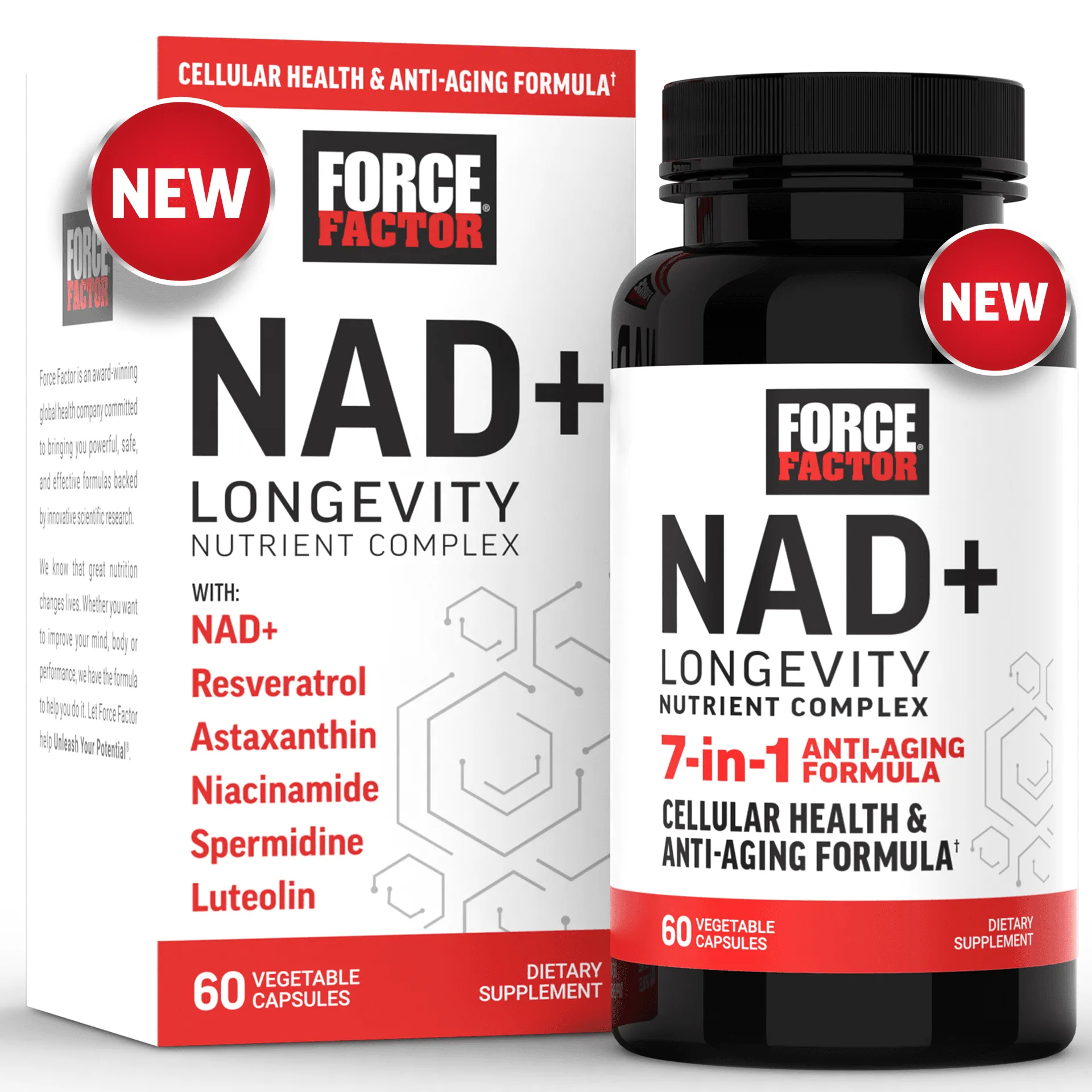
Start with the ingredient list. A dedicated NMN product should state the milligrams of NMN per serving—300 mg is a common amount. A broader NAD+ formula may combine vitamin B3 with antioxidants and botanical extracts such as resveratrol, astaxanthin, spermidine, and luteolin. Neither approach is automatically better; they serve different goals. A single-ingredient NMN capsule is straightforward if NAD+ support is your only focus. A multi-ingredient complex makes more sense if you want antioxidant and botanical support in the same daily dose. Also check the serving size and count so you know how long a bottle lasts. If a specification isn't listed, treat it as unknown rather than assuming a standard amount.
Can you take NMN and resveratrol at the same time?
Yes, they're commonly taken together, and many formulas combine them in one capsule for convenience. If you're building your own stack from separate products, follow the serving directions on each label rather than doubling up. If you take prescription medications or have a medical condition, check with your healthcare provider before adding either ingredient, since supplements can interact with other treatments. This is general information, not medical advice.
NMN and Resveratrol FAQ
Is NMN the same as resveratrol?
No. NMN is a form of vitamin B3 that helps support NAD+ levels and cellular energy production. Resveratrol is an antioxidant plant compound used for cellular protection. They are different ingredients with different roles. Don't treat them as interchangeable—choose based on whether you want NAD+ support, antioxidant support, or both.
Do I need both, or can I pick one?
It depends on your goal. If NAD+ support is your focus, a single-ingredient NMN product covers that. If you want antioxidant and botanical support too, a combined formula with resveratrol and other extracts may be more efficient than buying separate bottles. Match the formula to your goal rather than assuming more ingredients is always better.
How much NMN is in a typical capsule?
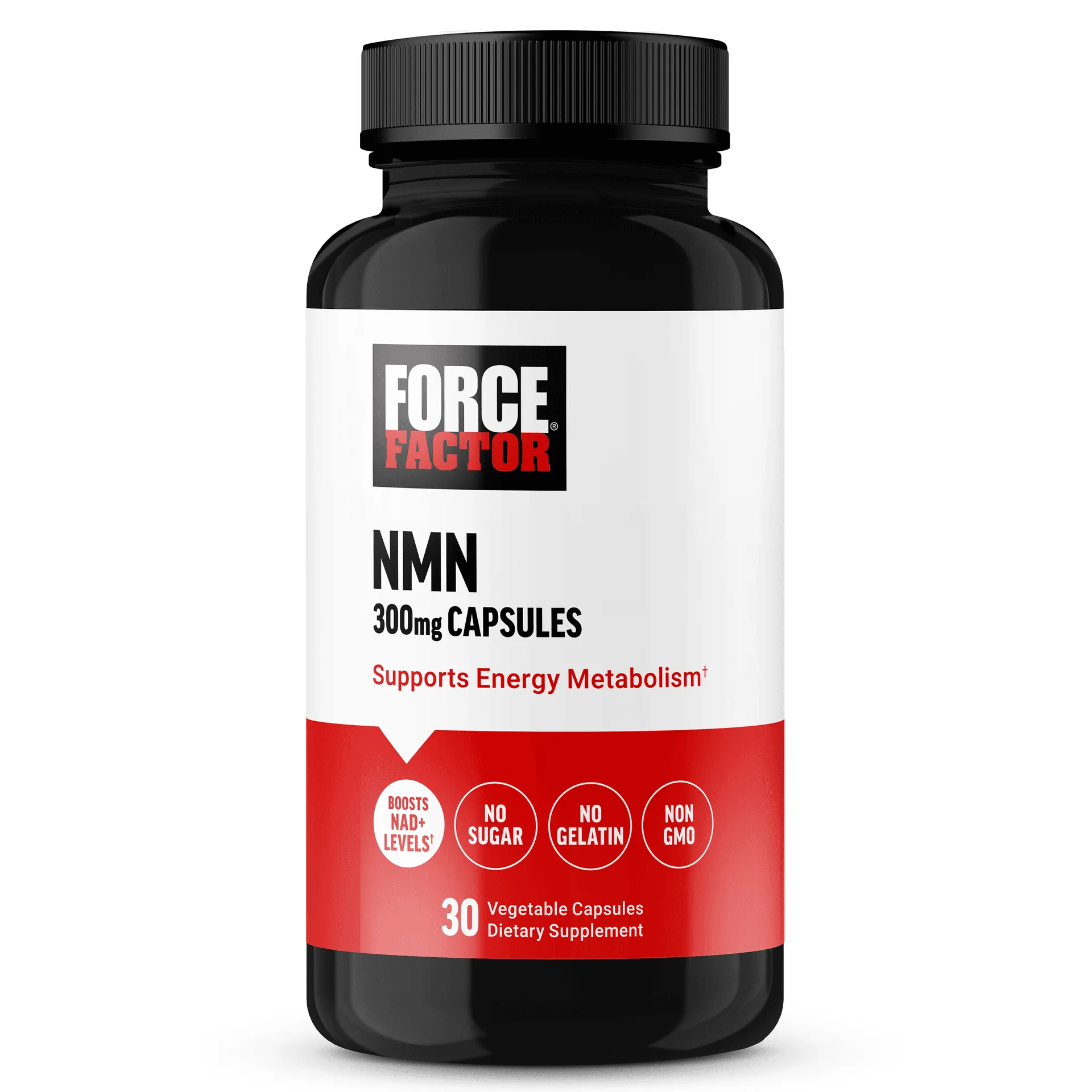
300 mg per capsule is a common amount, as seen in Force Factor NMN. Multi-ingredient complexes may list NMN differently or focus on vitamin B3 instead, so read the supplement facts panel rather than assuming a number. Check the milligrams per serving and the bottle count before comparing value.
When should I take NMN and resveratrol?
Follow the directions on your specific product. Consistency matters more than a precise clock time for most daily wellness supplements, so pick a time you won't forget and stick with it. A routine you keep beats a perfectly timed one you skip.
Products That Match These Goals
- FORCE FACTOR NAD+ (NMN or Nicotinamide Riboside Alternative) with Resveratrol, Astaxanthin, Spermidine & Luteolin Complex, NAD to Support Cellular Health & Healthy Aging, 60 Capsules: Force Factor NAD+ Longevity Nutrient Complex combines vitamin B3, antioxidants, and botanical extracts including resveratrol, astaxanthin, spermidine, and luteolin to support healthy aging, cellular repair, and eye, cognitive, and cardiovascular function. A good fit if you want NAD+ support plus antioxidant and botanical ingredients in one daily dose instead of buying separate bottles.
- Force Factor NMN (Nicotinamide Mononucleotide) 300mg Capsules for Energy Metabolism, Supports Metabolic Function, 30 Count: Force Factor NMN provides 300 mg of nicotinamide mononucleotide per capsule to support metabolic function and cellular energy production by helping increase NAD+ levels. A straightforward choice if your main goal is NAD+ support and you prefer a single-ingredient NMN capsule over a multi-ingredient complex.
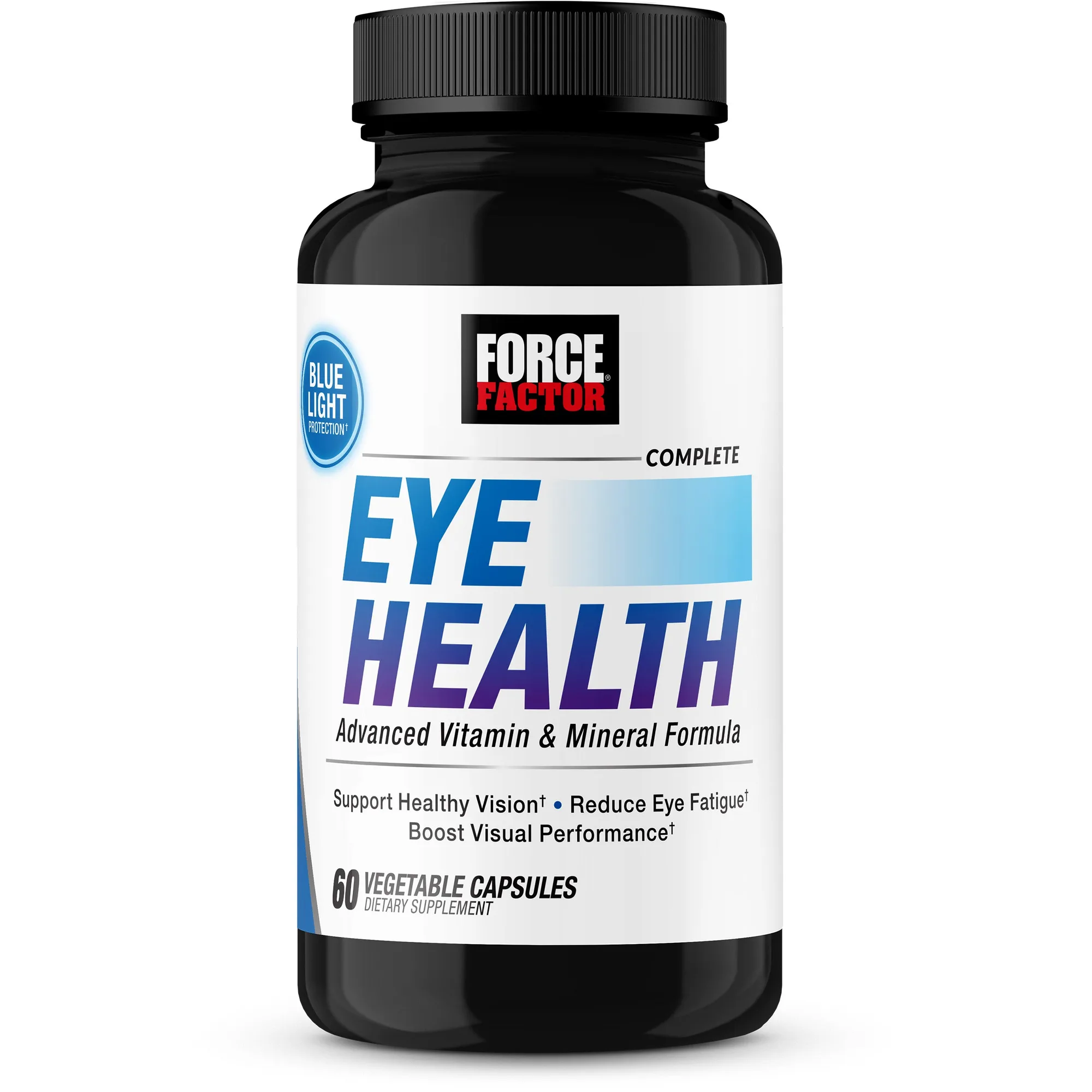
- Force Factor Complete Eye Health, Clinical Strength Eye Vitamins with Lutein & Zeaxanthin to Support Vision, Eye Function, and Blue-Light Protection, Eye Health Supplements for Adults, 60 Capsules: Force Factor Complete Eye Health is a multi-benefit formula with lutein and zeaxanthin that supports vision and protects against blue light, designed for people who spend a lot of time on digital devices. Worth considering alongside a longevity routine if screen time is part of your daily life and you want targeted eye support.