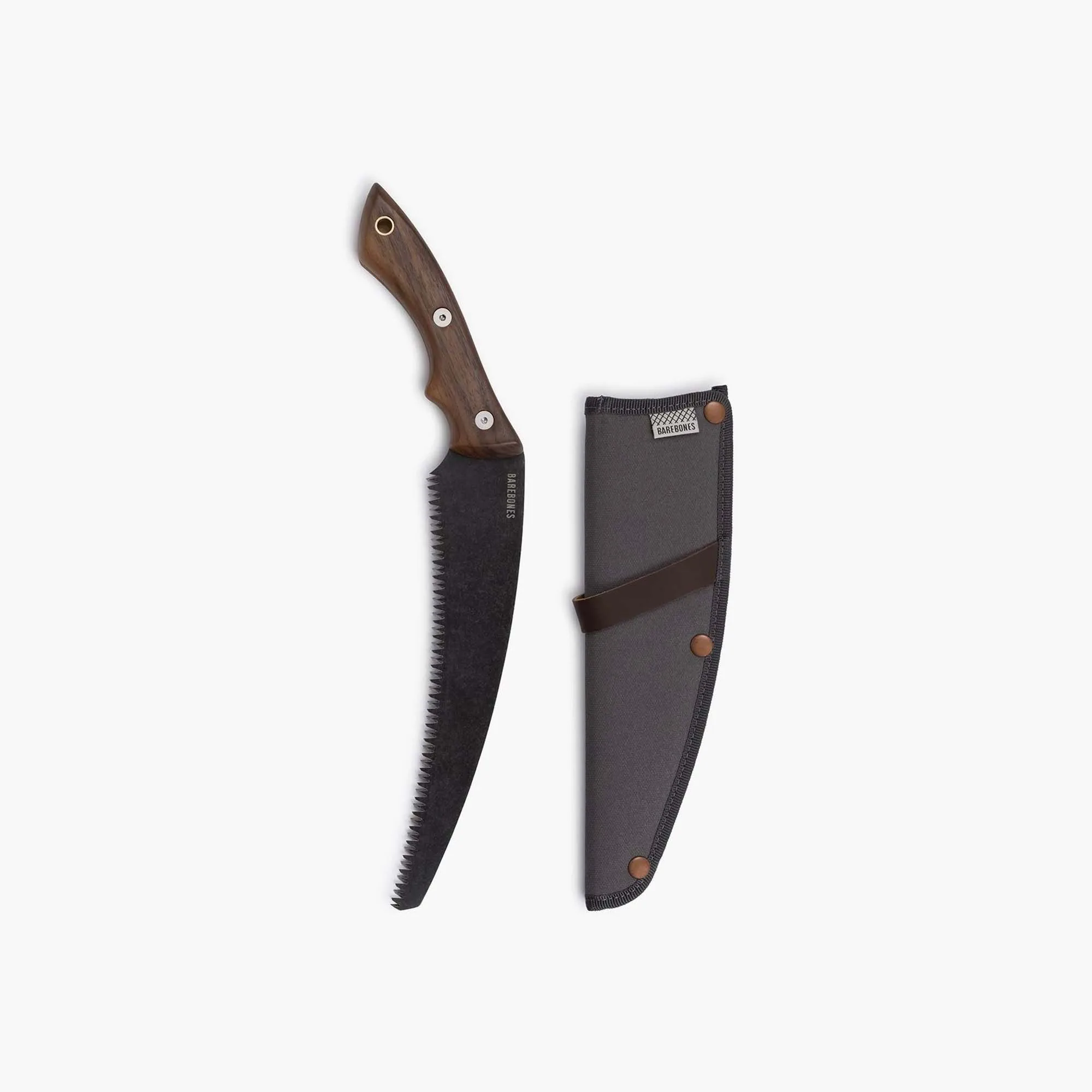
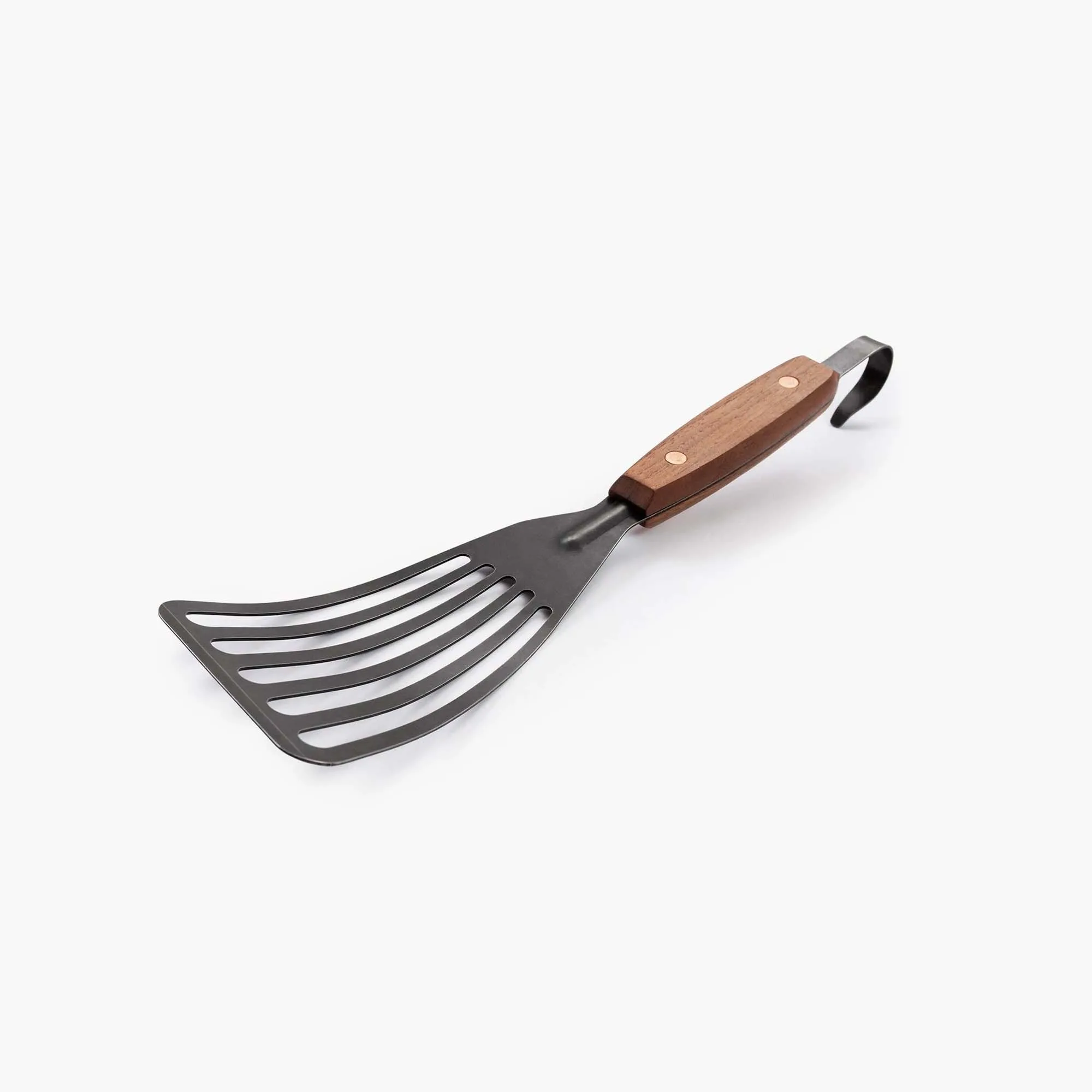
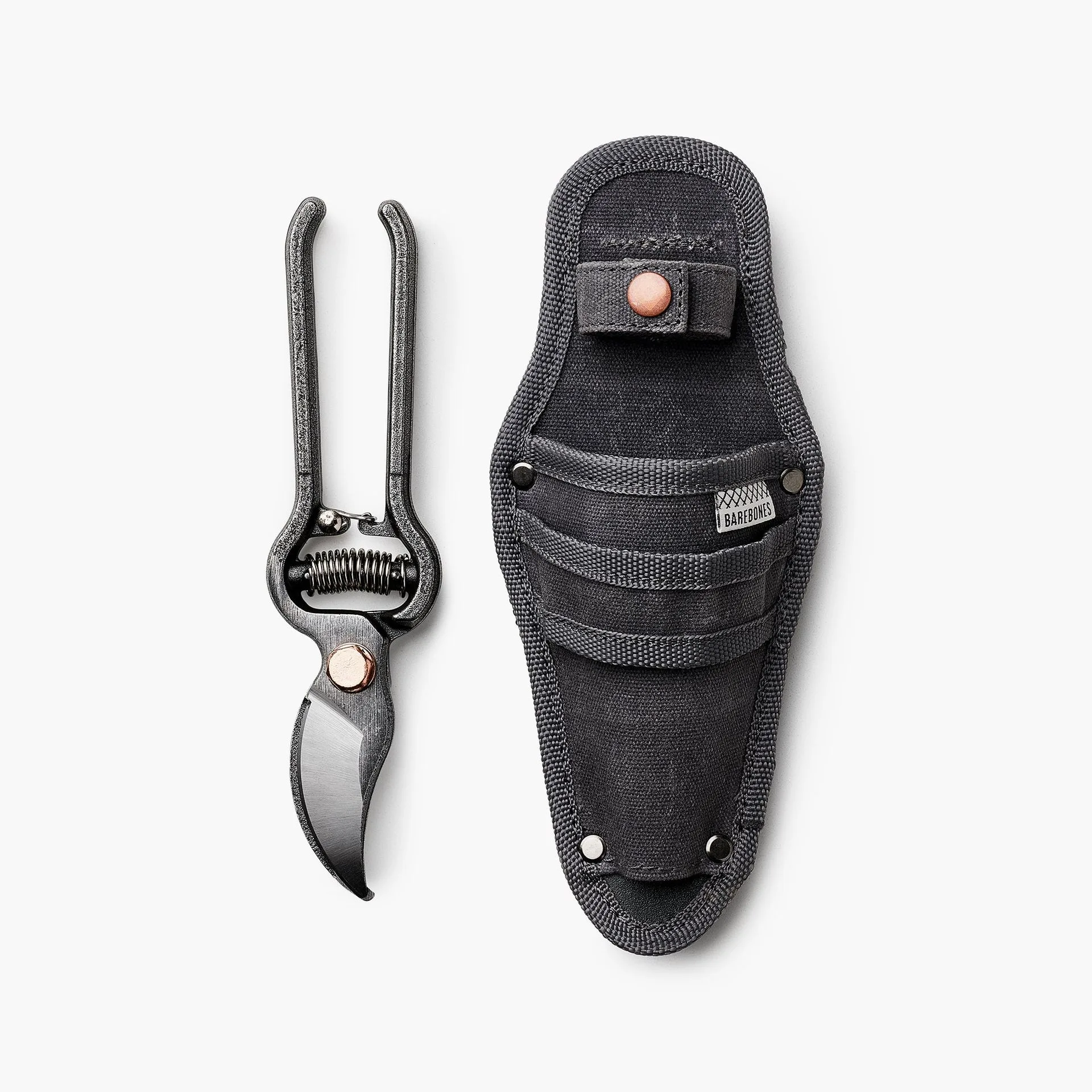
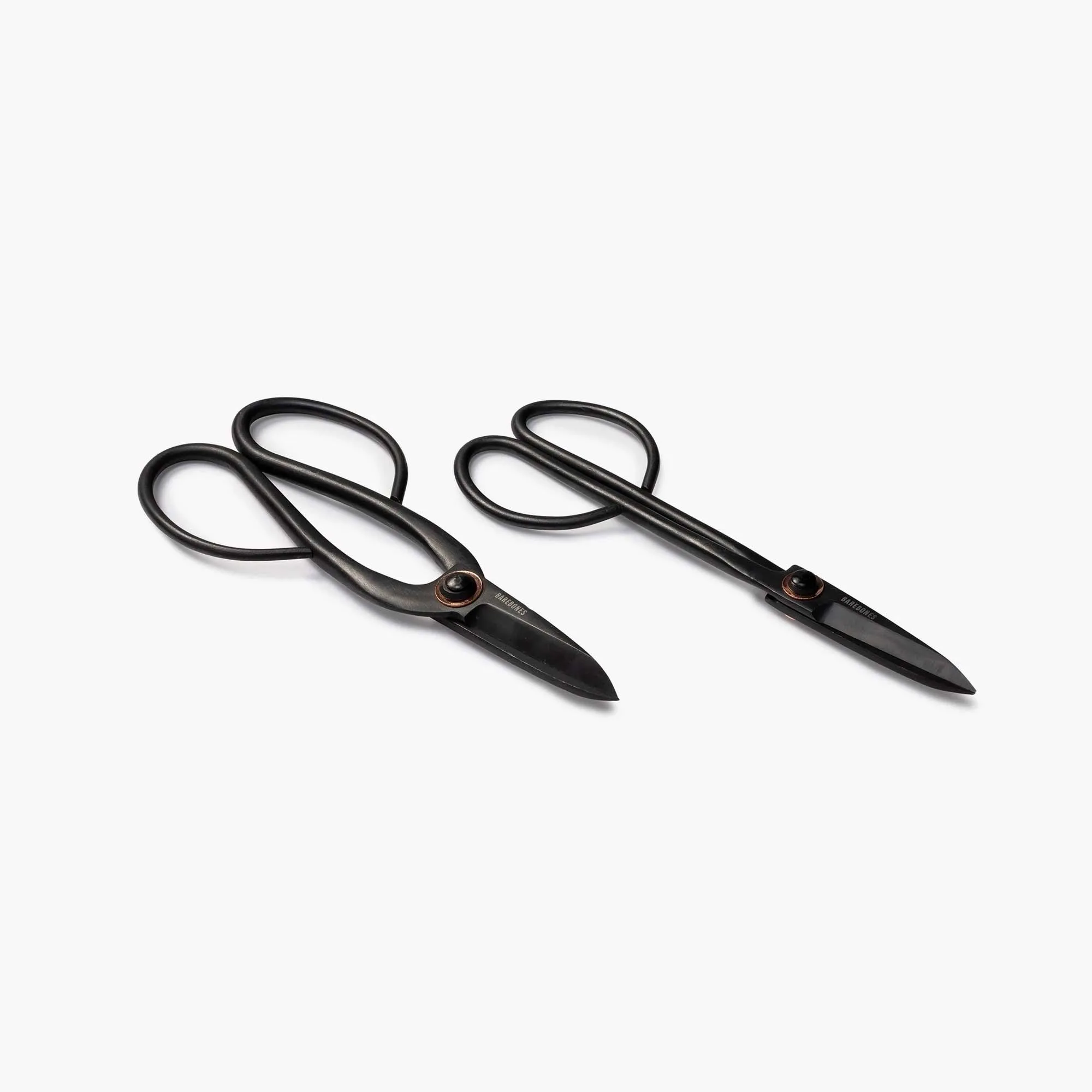
If you’ve spent any time in a professional kitchen or followed serious home cooks, you’ve likely seen the nakiri knife—a Japanese vegetable cleaver with a straight, flat blade designed for clean, precise cuts. The No. 7 Nakiri Knife from Barebones brings that traditional profile into a modern outdoor-kitchen context, promising the same razor-sharp edge and balanced feel that make nakiris so beloved for chopping, slicing, and dicing vegetables. In this review, we put it to the test on onions, carrots, herbs, and more to see if it lives up to the hype.
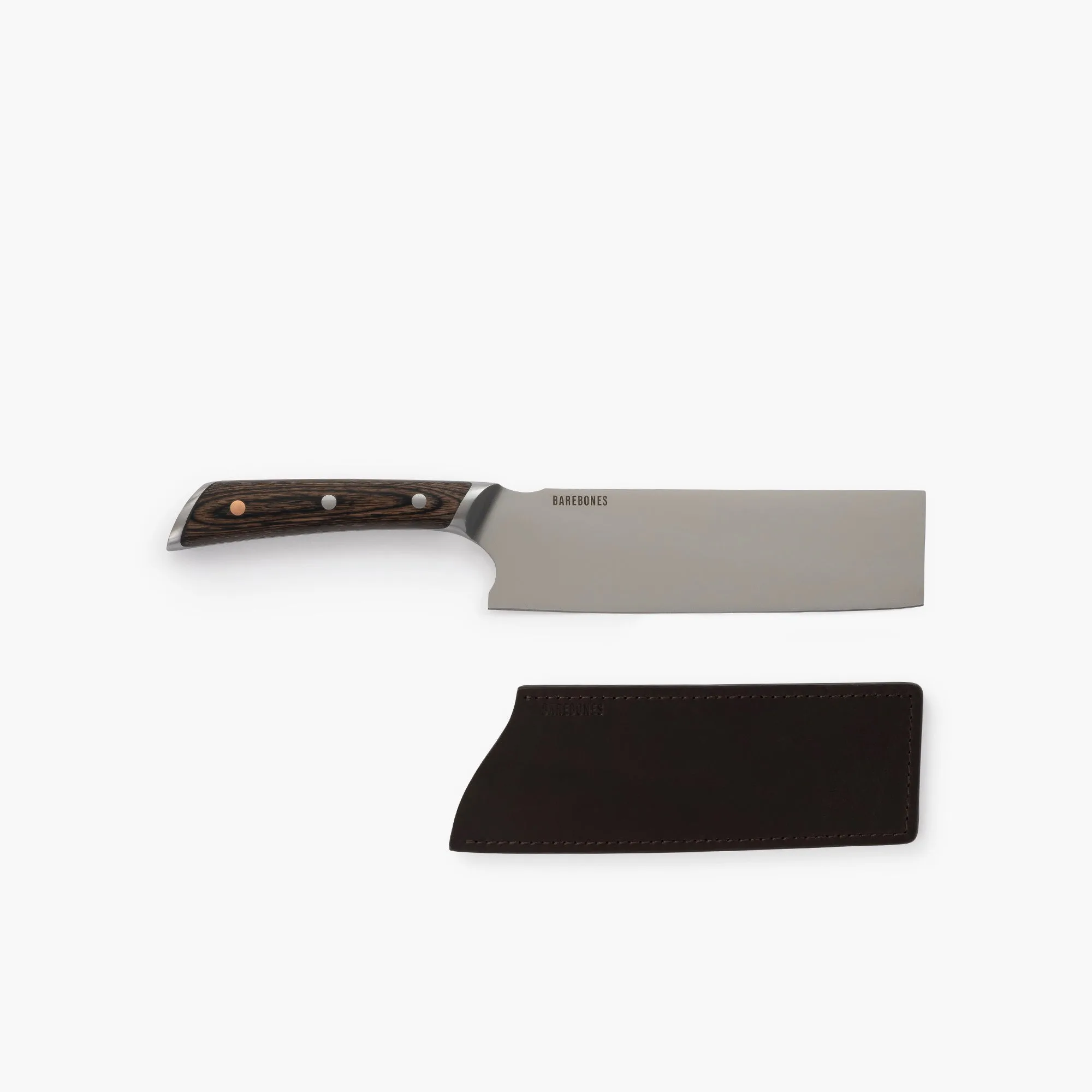
No. 7 Nakiri Knife
Barebones is known for rugged, beautiful tools like the Japanese Nata Tool for brush clearing and the Harvesting & Gathering Bag for garden hauling. The No. 7 Nakiri Knife extends that philosophy of durable, essential design into the kitchen. Whether you prep meals at a campsite or in your home kitchen, this Japanese vegetable knife aims to be your go-to for precise, fast vegetable work. But does it outperform a standard chef’s knife? Let’s find out.
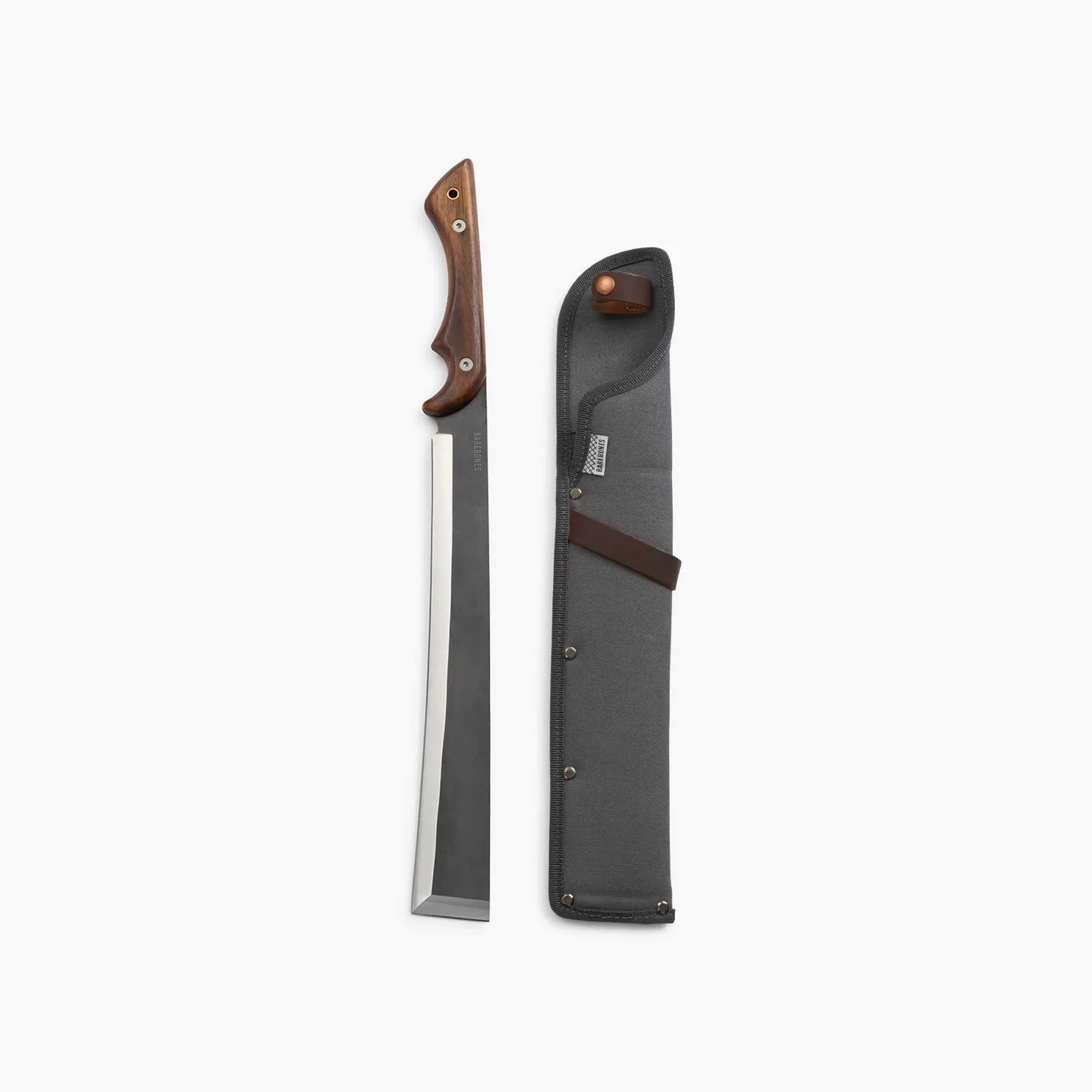
Japanese Nata Tool
Design and Build: Classic Nakiri Meets Barebones Durability
The No. 7 Nakiri Knife features a traditional rectangular blade with a flat cutting edge and a slightly curved tip for rocking motions. The blade is forged from high-carbon stainless steel, hardened to retain an edge through heavy use. Full tang construction with three brass rivets secures the handle, which is shaped from dark Pakkawood for a secure grip even when wet. At first glance, it echoes the same no-nonsense aesthetic as the Japanese Nata Tool, but with a thinner, lighter profile ideal for vegetable work.
Weight is a key consideration for a nakiri knife precision tool. The No. 7 weighs in at about 7 ounces, giving it enough heft to slice through dense squash yet nimble enough for thin scallion rings. The flat edge contacts the cutting board along its entire length, eliminating the rocking motion required by a curved chef’s knife. This design forces you to chop with an up-and-down motion, but once you adjust, it feels remarkably efficient. If you’re used to a Western chef’s knife, expect a short learning curve.
- Blade length: 7 inches (180mm) — ideal for most cutting boards, yet still compact enough for camp kitchens.
- Keep the edge sharp with a ceramic honing rod; avoid steel rods that can chip the harder Japanese steel.
Precision Cutting Performance: Flat Blade, Consistent Results
To test the No. 7 Nakiri Knife, we prepped a full batch of mirepoix, sliced cabbage for slaw, and julienned bell peppers. The flat profile let us cut through celery and carrots without accordion splits—a common issue with curved blades. Onions lay flat for even slices, and the thin blade (about 2mm at the spine) glided through tomato skins without crushing. For anyone seeking the best vegetable cleaver for fine dice, this nakiri delivers consistent, thin cuts every time.
One pleasant surprise was how well the knife handled herbs. The wide blade allowed us to scoop up chopped parsley and basil directly from the board, reducing cleanup steps. Edge retention proved strong after a week of daily use; only light stropping was needed to restore the factory sharpness. That said, because the blade is relatively thin, we recommend avoiding heavy cutting on bones or frozen foods—save those for a heavier tool like the Japanese Nata Tool.
Who Should Buy the No. 7 Nakiri Knife?
Home cooks who frequently prep vegetables will get the most from this Japanese vegetable knife. If you make salads, stir-fries, or vegetable-heavy dishes regularly, the nakiri’s precision will speed up your prep and improve consistency. Gardeners who harvest their own produce can pair the knife with the Harvesting & Gathering Bag for a seamless field-to-kitchen workflow. After gathering vegetables, the bag keeps them clean until you’re ready to cut.
That said, this is not a do-everything knife. If you only have room for one blade, a standard chef’s knife or santoku may be more versatile. The No. 7 Nakiri excels specifically at vegetables and fruits; it’s less suited for slicing meat or breaking down poultry. If your cooking includes a lot of protein work, consider adding a separate utility knife. For vegetable enthusiasts, however, the No. 7 Nakiri Knife is a dedicated tool that does one job exceptionally well.
Verdict: A Worthy Addition for Precision-Focused Cooks
After extensive testing, we’re confident that the No. 7 Nakiri Knife lives up to its promise as a Japanese vegetable knife built for precision. The flat blade, balanced weight, and comfortable handle make it a joy to use for repetitive chopping tasks. Barebones has applied their durable, essential design philosophy to a category that often gets overlooked in outdoor and camp kitchens. The fit and finish rival knives costing twice as much, and the steel holds an edge admirably.
For a complete outdoor kitchen setup, you might also consider the https://solpick.shop/products/enamel-espresso-cup-set-117240https://solpick.shop/products/enamel-espresso-cup-set-117241Enamel Espresso Cup Set for a morning brew after prepping your vegetables. While the No. 7 Nakiri Knife isn’t the only tool you’ll need, it earns a permanent spot in our knife block for vegetable prep. If you’re looking for the best vegetable cleaver that balances tradition with modern durability, this nakiri should be at the top of your list.
- Pros: Laser-sharp out of the box, comfortable handle, excellent edge retention, ideal for vegetable prep.
- Cons: Thin blade not for bone or frozen food, requires a slight adjustment from Western knife technique.
The No. 7 Nakiri Knife from Barebones proves that a dedicated Japanese vegetable knife can elevate your daily cooking. Its flat blade delivers consistent, precise cuts that make vegetable prep faster and more enjoyable. If you value edge quality, ergonomics, and a tool that does one thing brilliantly, this nakiri is a smart investment for any kitchen—whether at home or under the stars.