Quick answer
To get the best from your Nommi V15 Forest Kingdom BJD, pose it gently within each joint’s natural range, display it on a stable surface away from direct sun, and handle it with clean hands to protect the PVC and polyester materials.
Why the 5-joint structure changes how you pose and display
The Nommi V15 has five articulation points, which gives you enough flexibility for natural standing and sitting poses but not the full range of a highly articulated collector doll. Treat each joint as a hinge with a limited arc: forcing a limb past its comfortable stop can loosen the joint over time or stress the PVC. When you display the doll, choose poses that the joints hold without tension—think relaxed arms, a slight head tilt, and feet flat on the surface. If a pose keeps slipping, the joint is telling you it’s at its limit, so back off rather than propping it with force.
Display spots that protect the materials and the pose
PVC and polyester fiber are durable but not invincible. Keep the doll out of direct sunlight, which can fade colors and make the PVC feel tacky over time. A shelf or cabinet with indirect light is ideal. Avoid placing it near heating vents or in damp rooms, as repeated temperature and humidity swings can affect the joint fit. For stability, stand the doll on a flat, non-slip surface; a small piece of museum wax or a doll stand (if you use one) can help, but never rely on leaning the doll against a wall—that puts constant pressure on one side of the joints. Also, keep small accessories away from the edge if you have pets or young children.
When to handle with extra care
The Forest Kingdom series includes small parts and sharp accessories, so it’s not a toy for young children. Even for adult collectors, rings, necklaces, or tiny props can scratch the PVC if you’re not careful. Before posing, remove hand jewelry that could catch on the doll’s clothing or joints. If you swap outfits or accessories, do it over a soft cloth so dropped pieces don’t bounce away or break. And if you notice a joint feeling stiff, don’t force it—apply gentle, even pressure and check for any obstruction first.
Step-by-step posing and display routine
- Start with clean, dry hands: Wash and dry your hands before handling the doll to avoid transferring oils or dirt to the PVC. Common mistake: using hand cream right before posing, which can leave a residue that attracts dust.
- Support the body when changing poses: Hold the doll by the torso, not by an arm or leg, while you move a joint. This prevents stress on the joint pins. Checkpoint: if you feel resistance, stop and adjust your grip.
- Move each joint within its natural range: Gently bend one joint at a time and observe how far it moves before it stops. Avoid forcing a limb past that point. Common mistake: trying to achieve a pose from a photograph that requires more articulation than the doll has. If a joint won’t hold a pose, try a less extreme angle rather than tightening it.
- Choose a stable display base: Place the doll on a flat, non-slip surface. If using a stand, ensure it supports the torso without squeezing. Checkpoint: give the doll a light nudge—if it wobbles, adjust the feet or base.
- Keep the display out of direct sun and heat: Position the doll in indirect light, away from windows and heat sources. Common mistake: displaying on a sunny windowsill, which can fade colors and soften PVC over time.
- Dust regularly with a soft brush: Use a clean, soft makeup brush or canned air (held at a distance) to remove dust from joints and clothing. Avoid water or solvent cleaners on the PVC. Checkpoint: dust weekly to prevent buildup in the joints.
- Store accessories separately: Keep small parts and sharp accessories in a labeled container when not in use. This reduces the risk of loss and scratches. Common mistake: leaving tiny pieces loose on the shelf where they can be knocked off.
Product facts
-
Nommi-V15 Forest Kingdom 5-Joint Articulated Doll BJD Series Blind Box【HiToys】: The Nommi-V15 Forest Kingdom doll has 5 articulation points and stands about 25 cm tall. This size fits comfortably on most shelves and desks, and the five joints let you create natural poses without needing a large display space.
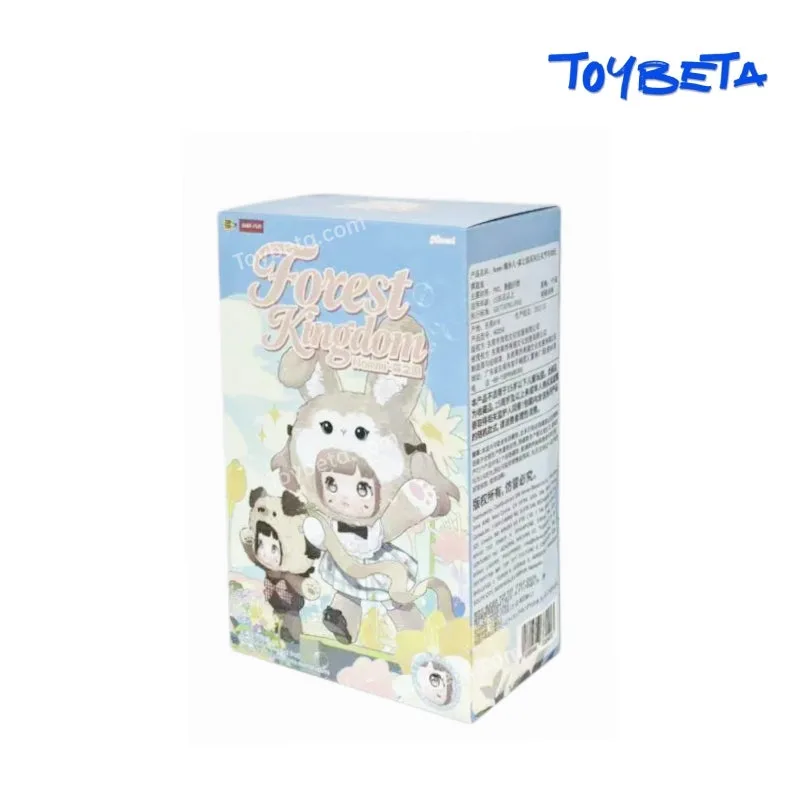
Nommi-V15 Forest Kingdom 5-Joint Articulated Doll BJD Series Blind Box【HiToys】
-
Nommi-V15 Forest Kingdom 5-Joint Articulated Doll BJD Series Blind Box【HiToys】: It is made of PVC and polyester fiber, with a 1/6 chance for a regular character and 1/72 for the secret. Knowing the materials helps you avoid heat and harsh cleaners, while the odds mean you may need to trade or buy multiple boxes to complete the set.